

Paper
Douglas H. Paal
{
  "authors": [
    "Douglas H. Paal"
  ],
  "type": "legacyinthemedia",
  "centerAffiliationAll": "dc",
  "centers": [
    "Carnegie Endowment for International Peace"
  ],
  "collections": [],
  "englishNewsletterAll": "asia",
  "nonEnglishNewsletterAll": "",
  "primaryCenter": "Carnegie Endowment for International Peace",
  "programAffiliation": "AP",
  "programs": [
    "Asia"
  ],
  "projects": [],
  "regions": [
    "China"
  ],
  "topics": [
    "Political Reform",
    "Democracy",
    "Economy",
    "Military"
  ]
}
REQUIRED IMAGE
China used the Beijing Olympics as a showcase for its new found economic clout and ascendancy as a leading member of the international community. Although the resounding success of the Games has bolstered China's authoritarian regime and shielded it from the scrutiny it deserves on human rights issues, China deserves praise for embracing the world.
Source: C-SPAN's Washington Journal

China used the Beijing Olympics as a showcase for its new found economic clout and ascendancy as a leading member of the international community. Douglas Paal explained on C-SPAN’s Washington Journal that President Bush gave legitimacy to China’s regime by attending the Games; an important gesture that should be repaidd with greater cooperation on the challenges the U.S. faces in places like Iran, Iraq, Pakistan, and North Korea.
Although the resounding success of the Games has bolstered China's authoritarian regime and shielded it from the scrutiny it deserves on human rights issues, China deserves praise for embracing the world. Paal noted that there is an important contrast between the way that the Chinese announced their resurgence to the international community -- by hosting a successful Games -- and the way that the Russians did so-- by invading a sovereign country and annexing territory. Pressuring China for more reforms through sanctions has proven an ineffective strategy. A more successful approach is for the U.S. to push forward with the current strategic economic dialogue.

Distinguished Fellow, Asia Program
Paal previously served as vice chairman of JPMorgan Chase International and as unofficial U.S. representative to Taiwan as director of the American Institute in Taiwan.
Recent Work
Douglas H. Paal


Douglas H. Paal, Tong Zhao, Chen Qi, …
Carnegie does not take institutional positions on public policy issues; the views represented herein are those of the author(s) and do not necessarily reflect the views of Carnegie, its staff, or its trustees.

Huawei pushed hard to enter the Egyptian data centers market, until the Americans made a better offer.

Angie Omar

The armed forces champion a form of capitalism that is generating revenue, but its reliance on rent faces diminishing returns, leaving the country with massive sunk costs and deferred returns, deepening dependency on external borrowing.

Yezid Sayigh
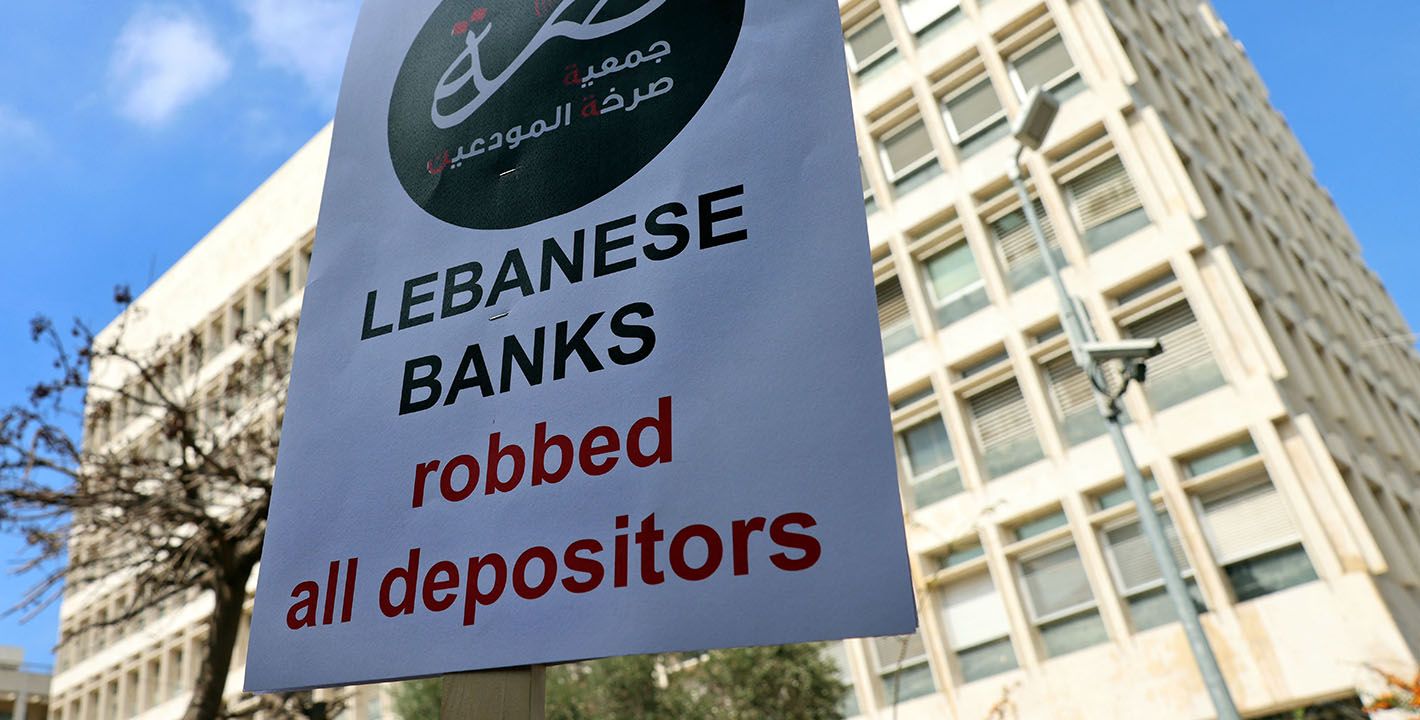
In an interview, Ishac Diwan looks at the merits and flaws in the draft legislation distributing losses from the financial collapse.

Michael Young

Mustaqbal Misr has expanded its portfolio with remarkable speed, but a lack of transparency remains.
Yezid Sayigh

Arab diaspora business communities in Egypt often mirror the same systemic challenges facing Egyptian businesses.

Nur Arafeh, Yezid Sayigh, Qaboul al-Absi, …