

In The Media
David Rothkopf
{
  "authors": [
    "David Rothkopf"
  ],
  "type": "legacyinthemedia",
  "centerAffiliationAll": "",
  "centers": [
    "Carnegie Endowment for International Peace"
  ],
  "collections": [],
  "englishNewsletterAll": "",
  "nonEnglishNewsletterAll": "",
  "primaryCenter": "Carnegie Endowment for International Peace",
  "programAffiliation": "",
  "programs": [],
  "projects": [],
  "regions": [
    "North America",
    "United States"
  ],
  "topics": [
    "Economy",
    "Trade"
  ]
}
Source: Getty
While the attacks of September 11, 2001 scarred the U.S. deeply, the current financial crisis may prove to have more lasting ramifications. Historians are more likely to see the economic crisis as a true global watershed: as the era of pure neoliberal economics abruptly ends, the U.S. must now decide whether to embrace a new American capitalism and accept greater government involvement.
Source: NPR's Talk of the Nation

As the country struggles to define a new American capitalism, it must also recognize that the global implications of the crisis are deepening day by day. In searching for solutions, the real problem will be figuring out how to regulate global markets, which are beyond the reach of a single national government. We must “re-think government from the bottom-up” and begin to create effective global mechanisms for governance, in order to avoid further catastrophe and lessen the inequalities created by laissez-faire capitalism.
Click here to listen to the full interview.
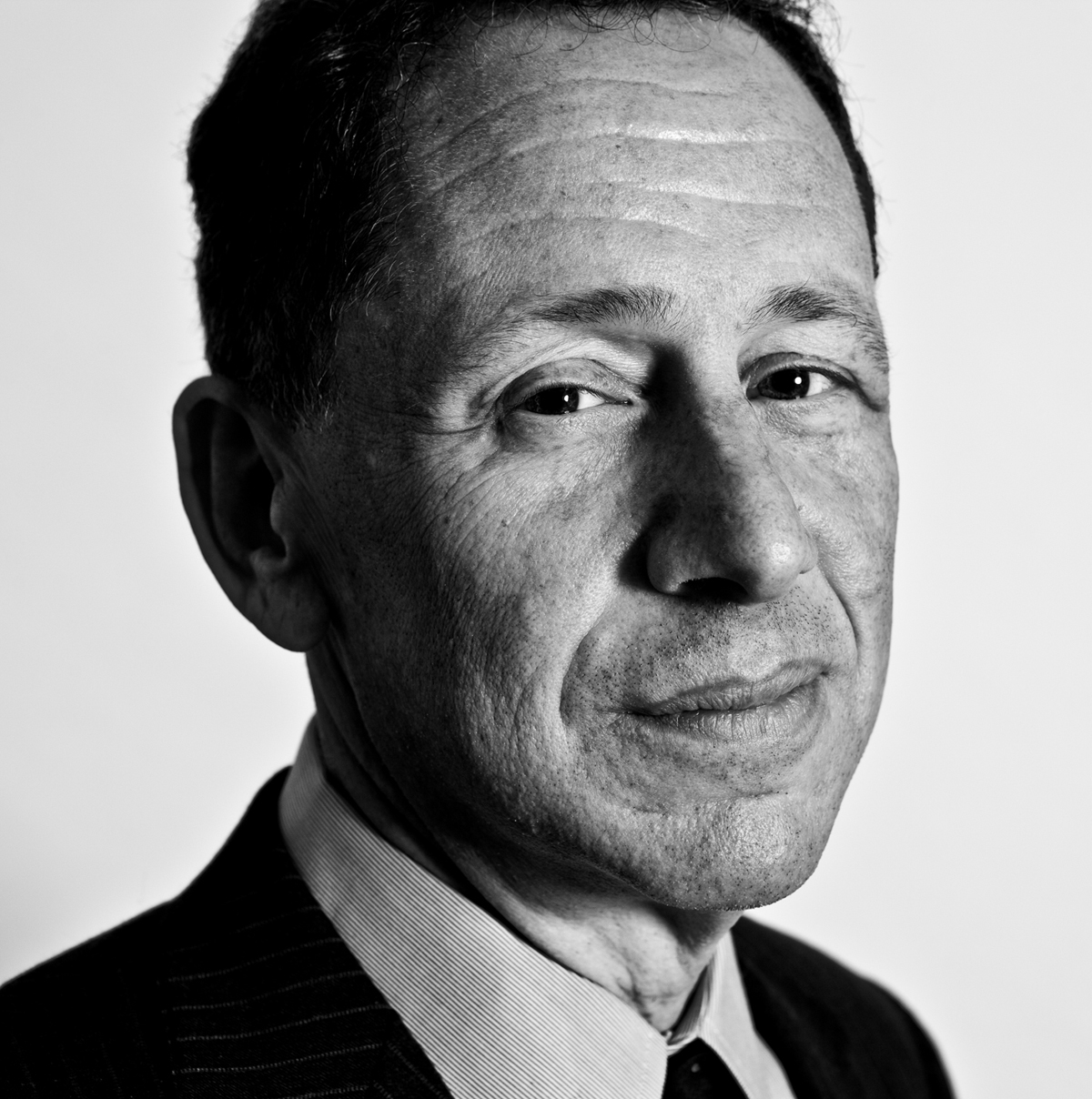
Former Visiting Scholar
David Rothkopf was a visiting scholar at the Carnegie Endowment as well as the former CEO and editor in chief of the FP Group.
Recent Work
David Rothkopf
David Rothkopf
Carnegie does not take institutional positions on public policy issues; the views represented herein are those of the author(s) and do not necessarily reflect the views of Carnegie, its staff, or its trustees.

As the U.S. stumbles in its war with Iran, we are likely to see an acceleration of its disengagement from the region.

Michael Young

Huawei pushed hard to enter the Egyptian data centers market, until the Americans made a better offer.

Angie Omar

Middle Eastern states should welcome an accelerated U.S. disengagement from their region.
Michael Young

In an interview, former ambassador Charles Freeman assesses the Trump administration’s war against Iran.
Michael Young

By failing to address Palestinian representation, the current process is bound to lead to just another temporary arrangement.

Nathan J. Brown