• Research
  • Diwan
  • About
  • Experts
Carnegie Middle East logoCarnegie lettermark logo
LebanonIran
{
  "authors": [
    "Christopher Boucek"
  ],
  "type": "legacyinthemedia",
  "centerAffiliationAll": "dc",
  "centers": [
    "Carnegie Endowment for International Peace"
  ],
  "collections": [],
  "englishNewsletterAll": "menaTransitions",
  "nonEnglishNewsletterAll": "",
  "primaryCenter": "Carnegie Endowment for International Peace",
  "programAffiliation": "MEP",
  "programs": [
    "Middle East"
  ],
  "projects": [],
  "regions": [
    "North America",
    "United States",
    "Yemen"
  ],
  "topics": [
    "Security",
    "Military",
    "Foreign Policy"
  ]
}

Source: Getty

In The Media

The Dilemma of the Yemeni Detainees at Guantanamo Bay

More than one-third of the remaining 255 detainees at the U.S. detention facility in Guantanamo Bay are Yemenis, representing the single largest national contingent.

Link Copied
By Christopher Boucek
Published on Nov 20, 2008

Source: CTC Sentinel

More than one-third of the remaining 255 detainees at the U.S. detention facility in Guantanamo Bay are Yemenis, representing the single largest national contingent. Since the detention facility opened in early 2002, Yemenis have consistently comprised a sizeable percentage of the population. Other countries, most notably Saudi Arabia, have successfully repatriated many of their nationals, but Yemen has been unable to convince the United States to release detainees into its custody. There is even widespread speculation in both the United States and Yemen that the Yemeni government does not actually want the detainees back and is content to let them remain in U.S. custody. The Yemeni government, however, maintains in private its stated, public goal to return the detainees to Yemen, charge those it has evidence against and release the rest. For the United States, this has been insufficient, and it has repeatedly sought assurances from the Yemeni government that it will set standardized restrictions before any individuals are released. Part of this hesitation stems from security concerns about what would happen to the detainees once they are returned to Yemen.

This article originally appeared in CTC Sentinel Combating Terrorism Center, West Point
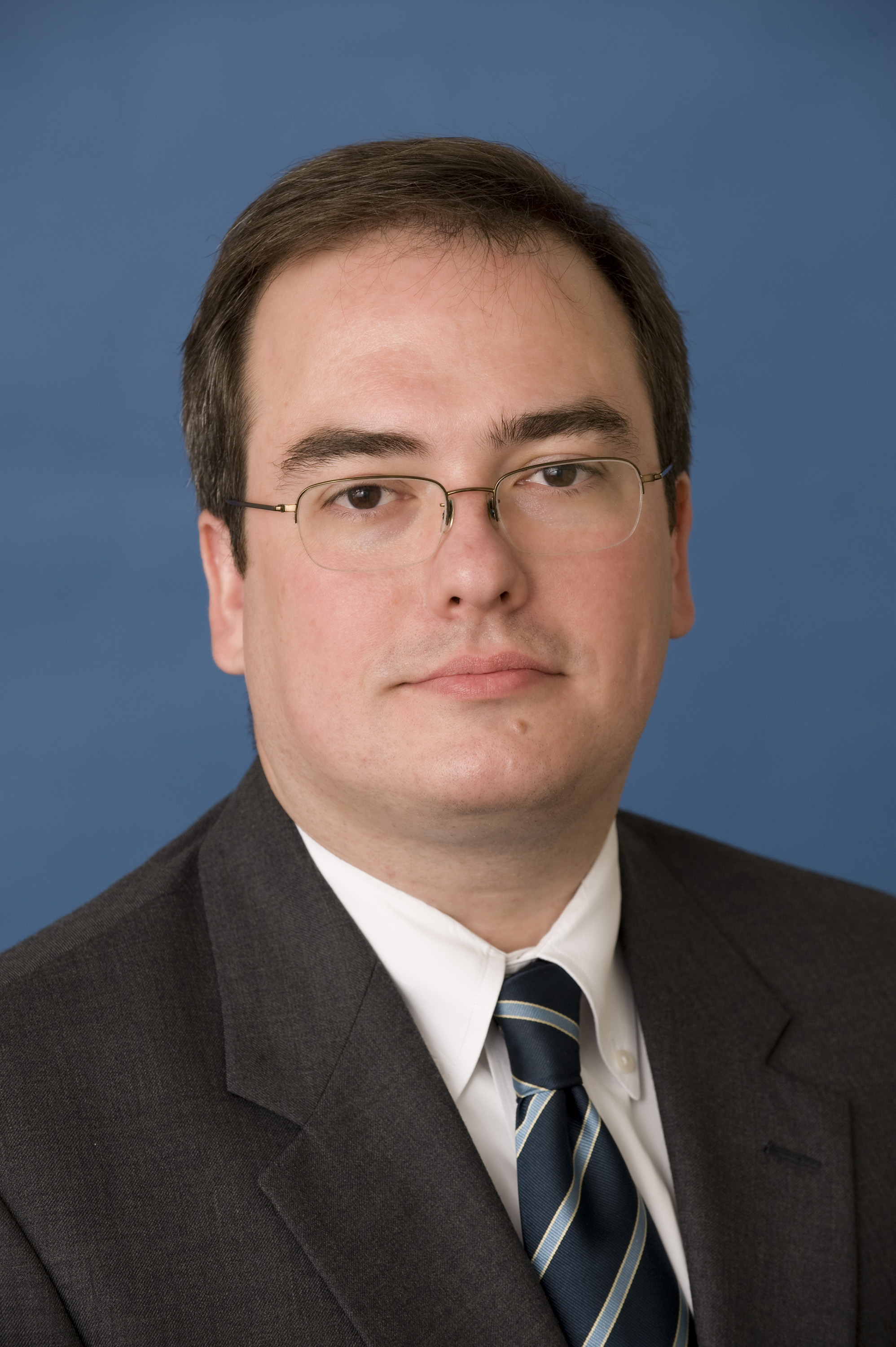
About the Author

Christopher Boucek

Former Associate, Middle East Program

Boucek was an associate in the Carnegie Middle East Program where his research focused on security challenges in the Arabian Peninsula and Northern Africa.

    Recent Work

  • Q&A
    Yemen After Saleh’s Return and Awlaki’s Exit

      Christopher Boucek

  • Q&A
    Rivals—Iran vs. Saudi Arabia

      Christopher Boucek, Karim Sadjadpour

Christopher Boucek
Former Associate, Middle East Program
Christopher Boucek
SecurityMilitaryForeign PolicyNorth AmericaUnited StatesYemen

Carnegie does not take institutional positions on public policy issues; the views represented herein are those of the author(s) and do not necessarily reflect the views of Carnegie, its staff, or its trustees.

More Work from Malcolm H. Kerr Carnegie Middle East Center

  • Commentary
    Diwan
    The United States and Iran Have Agreed to a Two-Week Ceasefire

    Spot analysis from Carnegie scholars on events relating to the Middle East and North Africa.

      Michael Young

  • Commentary
    Diwan
    Iran Rewrites Its War Strategy

    In an interview, Hamidreza Azizi discusses how Tehran has adapted in real time to the conflict with the United States and Israel.

      Michael Young

  • Commentary
    Diwan
    Trump’s Plan for Gaza Is Not Irrelevant. It’s Worse.

    The simple conclusion is that the scheme will bring neither peace nor prosperity, but will institutionalize devastation.

      Nathan J. Brown

  • Commentary
    Diwan
    What Does the Strait of Hormuz’s Closure Mean?

    In an interview, Roger Diwan discusses where the global economy may be going in the third week of the U.S.-Israeli war with Iran.

      Nur Arafeh

  • Commentary
    Diwan
    Tehran’s Easy Targets

    In an interview, Andrew Leber discusses the impact the U.S. and Israeli war against Iran is having on Arab Gulf states.

      Michael Young

Get more news and analysis from
Malcolm H. Kerr Carnegie Middle East Center
Carnegie Middle East logo, white
  • Research
  • Diwan
  • About
  • Experts
  • Projects
  • Events
  • Contact
  • Careers
  • Privacy
  • For Media
Get more news and analysis from
Malcolm H. Kerr Carnegie Middle East Center
© 2026 Carnegie Endowment for International Peace. All rights reserved.





