• Research
  • Diwan
  • About
  • Experts
Carnegie Middle East logoCarnegie lettermark logo
PalestineSyria
{
  "authors": [
    "Christopher Boucek"
  ],
  "type": "legacyinthemedia",
  "centerAffiliationAll": "dc",
  "centers": [
    "Carnegie Endowment for International Peace"
  ],
  "collections": [],
  "englishNewsletterAll": "menaTransitions",
  "nonEnglishNewsletterAll": "",
  "primaryCenter": "Carnegie Endowment for International Peace",
  "programAffiliation": "MEP",
  "programs": [
    "Middle East"
  ],
  "projects": [],
  "regions": [
    "Saudi Arabia"
  ],
  "topics": [
    "Security"
  ]
}
Source: Getty

In The Media

Saudis Attempt To Deprogram Jihadists

A counseling program in Saudi Arabia tries to alter the radical outlook of Islamic militants. Christopher Boucek, a Middle East scholar at the Carnegie Endowment for International Peace, takes us inside the program and explains why it is considered a model for other countries.

Link Copied
By Christopher Boucek
Published on Feb 11, 2009

Source: NPR's Talk of the Nation

The news that Yemen released 160 suspected al Qaeda members in early February raised once again the question of what to do with jihadist detainees. A Saudi program designed to rehabilitate former terrorists – including former Guantanamo detainees – uses religious dialogue and social support to convince jihadists to renounce violence and correct the misreading of Islam often used to justify their actions. With a recidivism rate in the single digits, the Saudi experience could provide insights as the Obama administration moves ahead with plans to close Guantanamo.

Christopher Boucek spoke with NPR’s Neal Conan on Talk of the Nation about Saudi Arabia’s rehabilitation program.
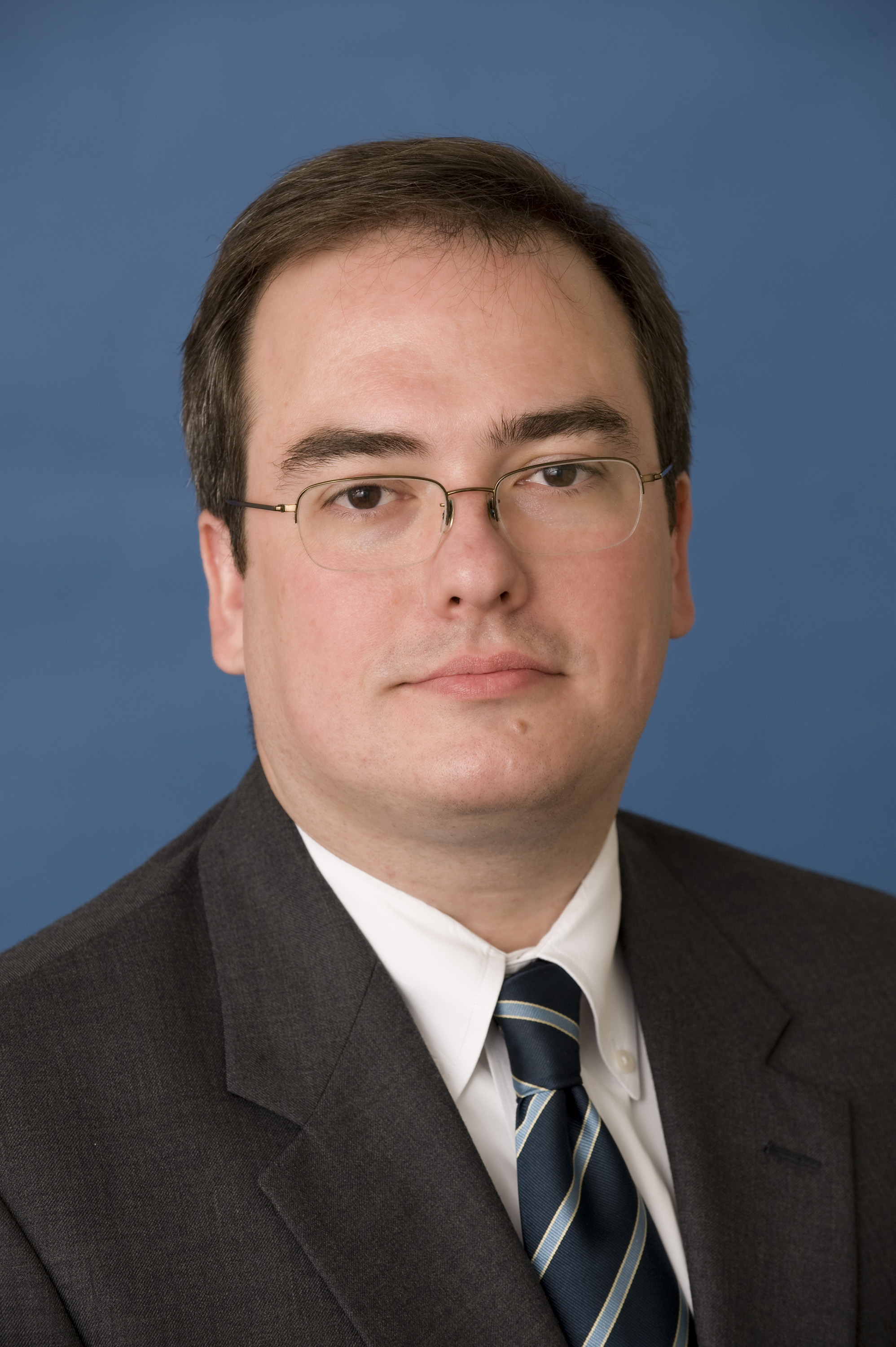
 

About the Author

Christopher Boucek

Former Associate, Middle East Program

Boucek was an associate in the Carnegie Middle East Program where his research focused on security challenges in the Arabian Peninsula and Northern Africa.

    Recent Work

  • Q&A
    Yemen After Saleh’s Return and Awlaki’s Exit

      Christopher Boucek

  • Q&A
    Rivals—Iran vs. Saudi Arabia

      Christopher Boucek, Karim Sadjadpour

Christopher Boucek
Former Associate, Middle East Program
Christopher Boucek
SecuritySaudi Arabia

Carnegie does not take institutional positions on public policy issues; the views represented herein are those of the author(s) and do not necessarily reflect the views of Carnegie, its staff, or its trustees.
More Work from Malcolm H. Kerr Carnegie Middle East Center

  • Commentary
    Carnegie Politika
    Baku Proceeds With Caution as Ethnic Azeris Join Protests in Neighboring Iran

    Baku may allow radical nationalists to publicly discuss “reunification” with Azeri Iranians, but the president and key officials prefer not to comment publicly on the protests in Iran.

      Bashir Kitachaev

  • Commentary
    Diwan
    Exporting Fossil Fuels Through Cloud Computing

    The GCC states’ use of Artificial Intelligence will generate much leverage over the global digital infrastructure and climate talks.

      Camille Ammoun

  • Article
    Saudi Arabia in Africa: Sound Economic and Geopolitical Strategy, or Resource Exploitation?

    Largely characterized thus far by a single-minded focus on extractivism, Riyadh must commit to greater equitability in its approach to investment and development deals with Sudan, Ethiopia, and Eritrea.

      Hesham Alghannam

  • Commentary
    Diwan
    Lebanon’s Sunnis 2.0

    Former foes in the community are realigning, many rallying around Saudi Arabian sponsorship.

      Mohamad Fawaz

  • Commentary
    Diwan
    Beirut Can Do More on Tom Barrack’s Proposal

    In addressing Hezbollah’s disarmament, the Lebanese state must start by increasing its own leverage.

      Michael Young

Get more news and analysis from
Malcolm H. Kerr Carnegie Middle East Center
Carnegie Middle East logo, white
  • Research
  • Diwan
  • About
  • Experts
  • Projects
  • Events
  • Contact
  • Careers
  • Privacy
  • For Media
Get more news and analysis from
Malcolm H. Kerr Carnegie Middle East Center
© 2026 Carnegie Endowment for International Peace. All rights reserved.