

Commentary
In an interview, Roger Diwan discusses where the global economy may be going in the third week of the U.S.-Israeli war with Iran.
Nur Arafeh
{
  "authors": [],
  "type": "pressRelease",
  "centerAffiliationAll": "dc",
  "centers": [
    "Carnegie Endowment for International Peace"
  ],
  "collections": [],
  "englishNewsletterAll": "menaTransitions",
  "nonEnglishNewsletterAll": "",
  "primaryCenter": "Carnegie Endowment for International Peace",
  "programAffiliation": "MEP",
  "programs": [
    "Middle East"
  ],
  "projects": [],
  "regions": [
    "Bahrain",
    "Kuwait",
    "Qatar",
    "Saudi Arabia",
    "United Arab Emirates"
  ],
  "topics": []
}
REQUIRED IMAGE
To meet long-term domestic challenges, oil-producing Gulf States should focus on improving economic governance to better manage diminishing oil revenues and attract foreign investment.
BEIRUT, Mar 18—Oil-producing Gulf states squandered the opportunity to make much needed economic reforms when high oil revenues would have made the task easier. Now, reduced oil revenues and global economic uncertainty make it imperative that they develop competitive, diversified economies, concludes a new paper from the Carnegie Middle East Center.
Ibrahim Saif explains that the top priority for the Gulf Council Cooperation (GCC) countries—Saudi Arabia, Bahrain, Kuwait, Oman, Qatar, and the UAE—should be improving economic governance to better manage existing oil revenues and attract foreign direct investment (FDI). With a comfortable cushion of foreign reserves, the risk for short-term instability is low; however, the current system of low taxes and generous public spending is unsustainable.
Recommendations for GCC countries:
Saif concludes:
“Despite nearly six years in which high oil revenues created favorable macroeconomic conditions in the GCC countries, they were still not able to tackle their long-term economic challenges. The oil windfall actually pushed back attempts to address these challenges, and the global financial crisis has reminded GCC policymakers that structural challenges must be addressed at a time when macroeconomic conditions are favorable and not when the economies are slowing down.”
###
NOTES
Carnegie does not take institutional positions on public policy issues; the views represented herein are those of the author(s) and do not necessarily reflect the views of Carnegie, its staff, or its trustees.
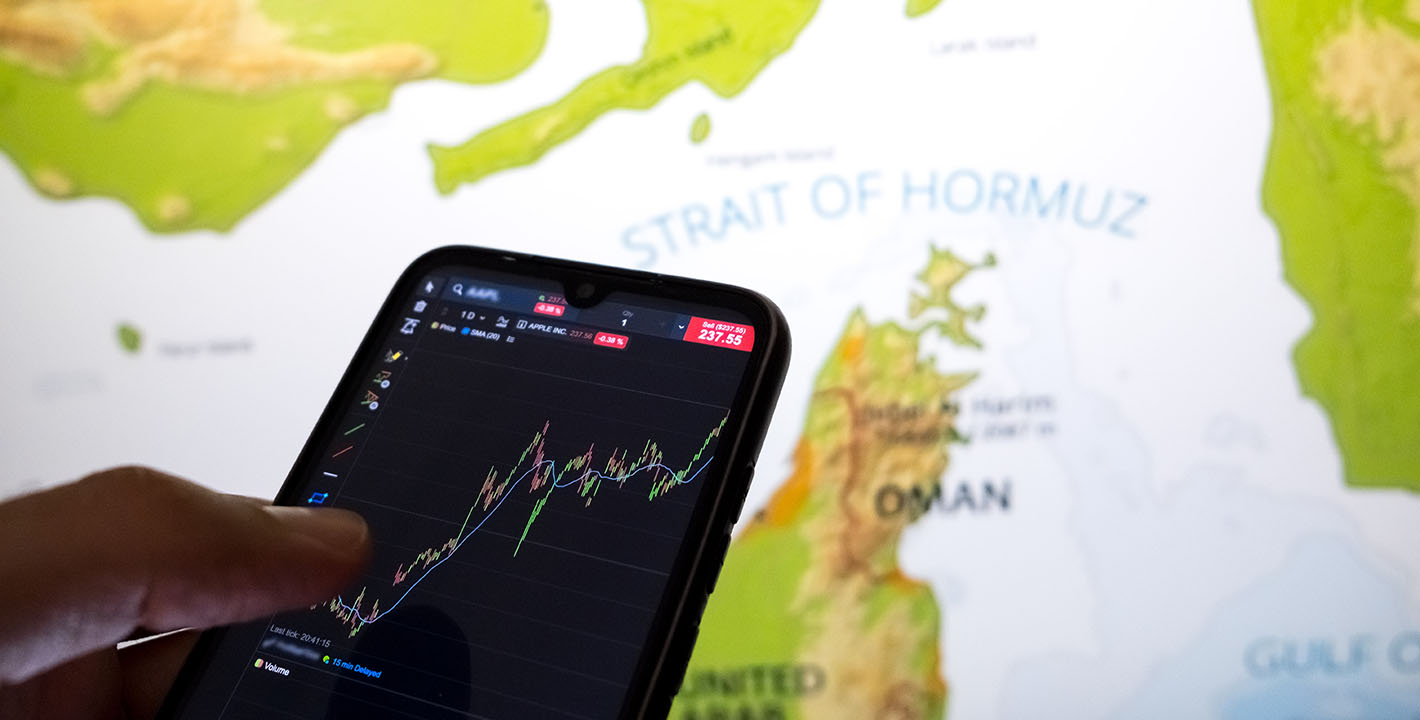
In an interview, Roger Diwan discusses where the global economy may be going in the third week of the U.S.-Israeli war with Iran.
Nur Arafeh
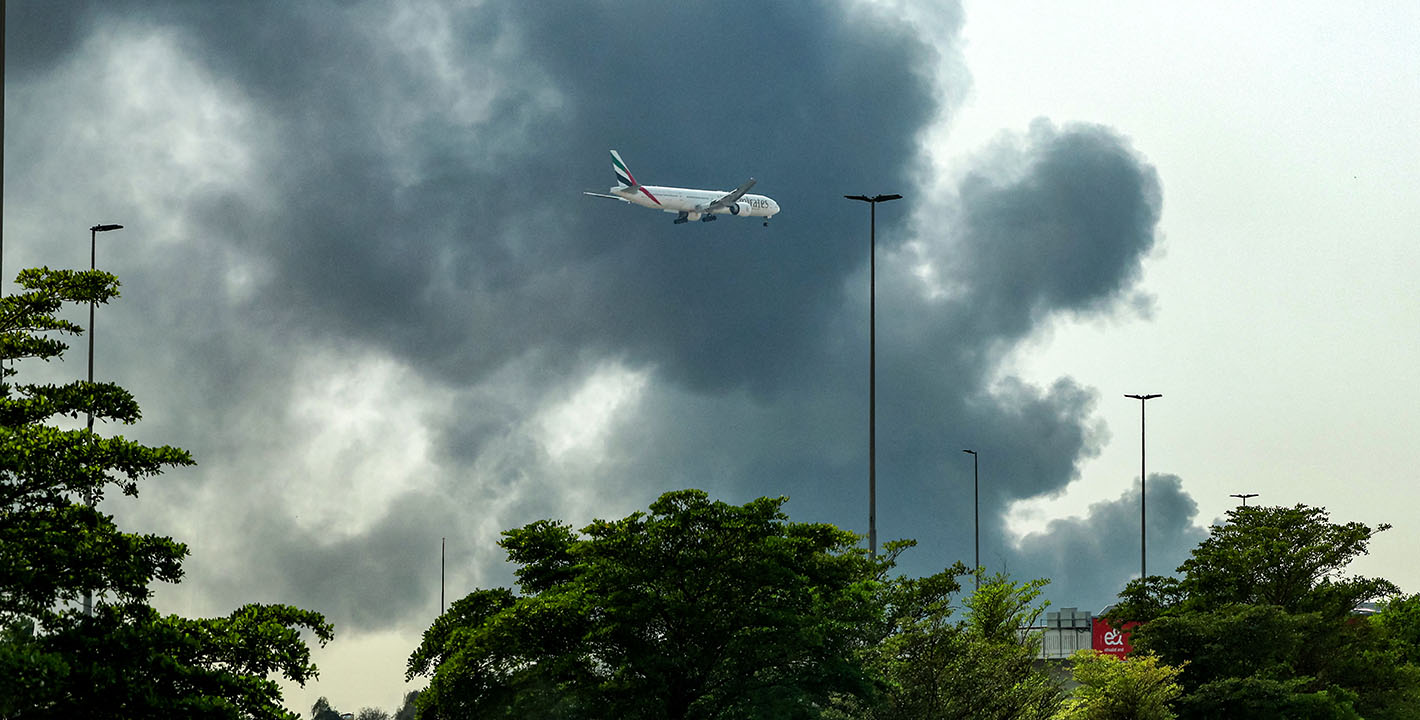
In an interview, Andrew Leber discusses the impact the U.S. and Israeli war against Iran is having on Arab Gulf states.

Michael Young
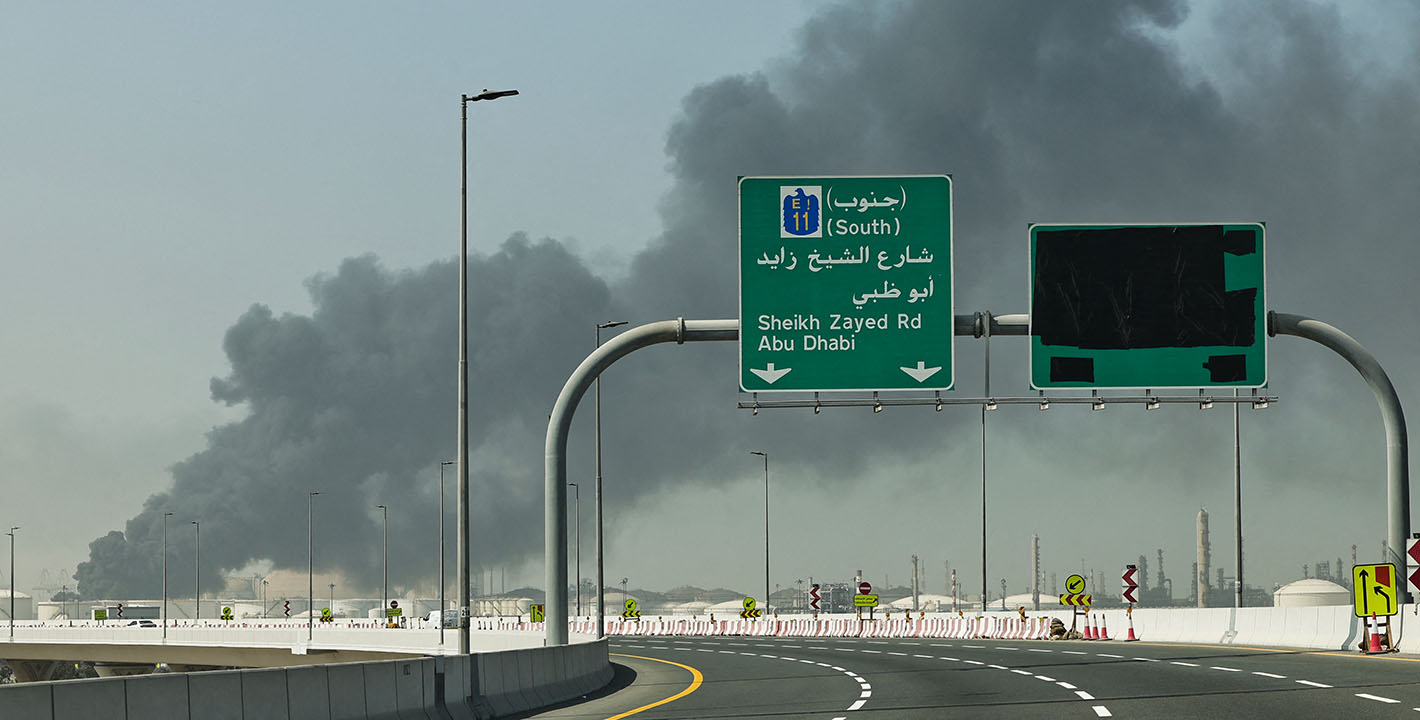
The countries in the region are managing the fallout from Iranian strikes in a paradoxical way.

Angie Omar

In an interview, Hassan Mneimneh discusses the ongoing conflict and the myriad miscalculations characterizing it.
Michael Young
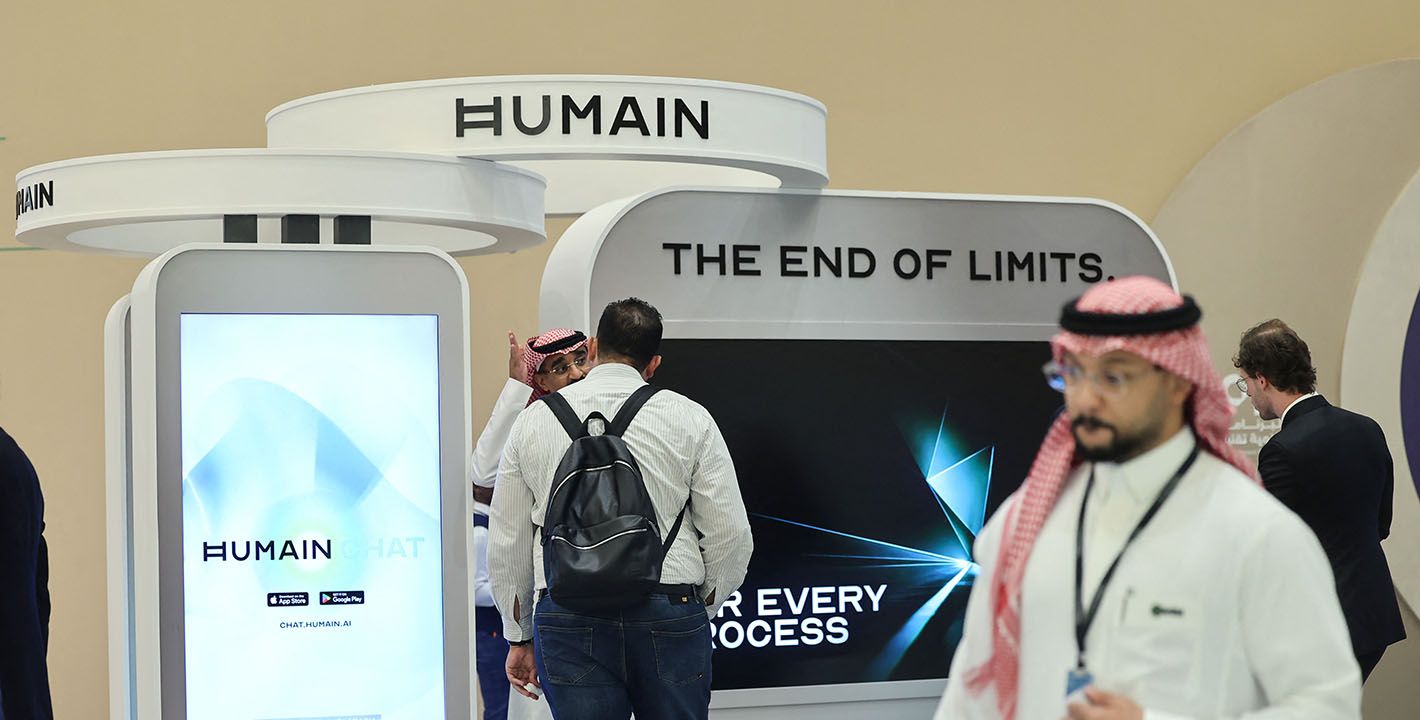
The GCC states’ use of Artificial Intelligence will generate much leverage over the global digital infrastructure and climate talks.
Camille Ammoun