

Q&A
Aaron David Miller, Karim Sadjadpour, Robin Wright
{
  "authors": [
    "Karim Sadjadpour"
  ],
  "type": "legacyinthemedia",
  "centerAffiliationAll": "dc",
  "centers": [
    "Carnegie Endowment for International Peace"
  ],
  "collections": [],
  "englishNewsletterAll": "menaTransitions",
  "nonEnglishNewsletterAll": "",
  "primaryCenter": "Carnegie Endowment for International Peace",
  "programAffiliation": "MEP",
  "programs": [
    "Middle East"
  ],
  "projects": [],
  "regions": [
    "Middle East",
    "Iran"
  ],
  "topics": [
    "Political Reform",
    "Foreign Policy"
  ]
}
Source: Getty
With both Mahmoud Ahmadinejad and Mir Hossein Mousavi declaring victory in the first few hours into the election on Friday, the incumbent's future remains uncertain, even with the endorsement of the Supreme Leader Ayatollah Khamenei.
Source: Charlie Rose

"This is very similar to the U.S. presidential election in 2004 between George W. Bush and John Kerry. Even people who were passionately supporting Mousavi, their support was much more passionately against Ahmadinejad than it was for Mousavi. They [Mousavi] have run a remarkable campaign in the sense that they've taken this man of 67 years old, not particularly well-spoken, not particularly charismatic, and they made a phenomenol movement out of it, this green movement. I think that the mood has really shifted in the last week or so. Many people believed in the past that because Ayatollah Khamenei, the Supreme Leader and Iran's most powerful man, had basically unambigously endorsed Ahmadinejad, that the election would be a foregone conclusion. Mousavi has picked up tremendous steam in the last week or two and I think that if the results come out and they are very skewed in favor of Ahmadinejad, there is going to be major allegations of fraud."

Senior Fellow, Middle East Program
Karim Sadjadpour is a senior fellow at the Carnegie Endowment for International Peace, where he focuses on Iran and U.S. foreign policy toward the Middle East.
Recent Work


Aaron David Miller, Karim Sadjadpour, Robin Wright
Aaron David Miller, David Petraeus, Karim Sadjadpour
Carnegie does not take institutional positions on public policy issues; the views represented herein are those of the author(s) and do not necessarily reflect the views of Carnegie, its staff, or its trustees.
In an interview, Marc Lynch discusses his new book decrying the post-1990 U.S.-dominated order in the Middle East.

Michael Young
Because perpetual conflict enhances control, offers economic benefits, and allows leaders to ignore popular preferences.

Angie Omar
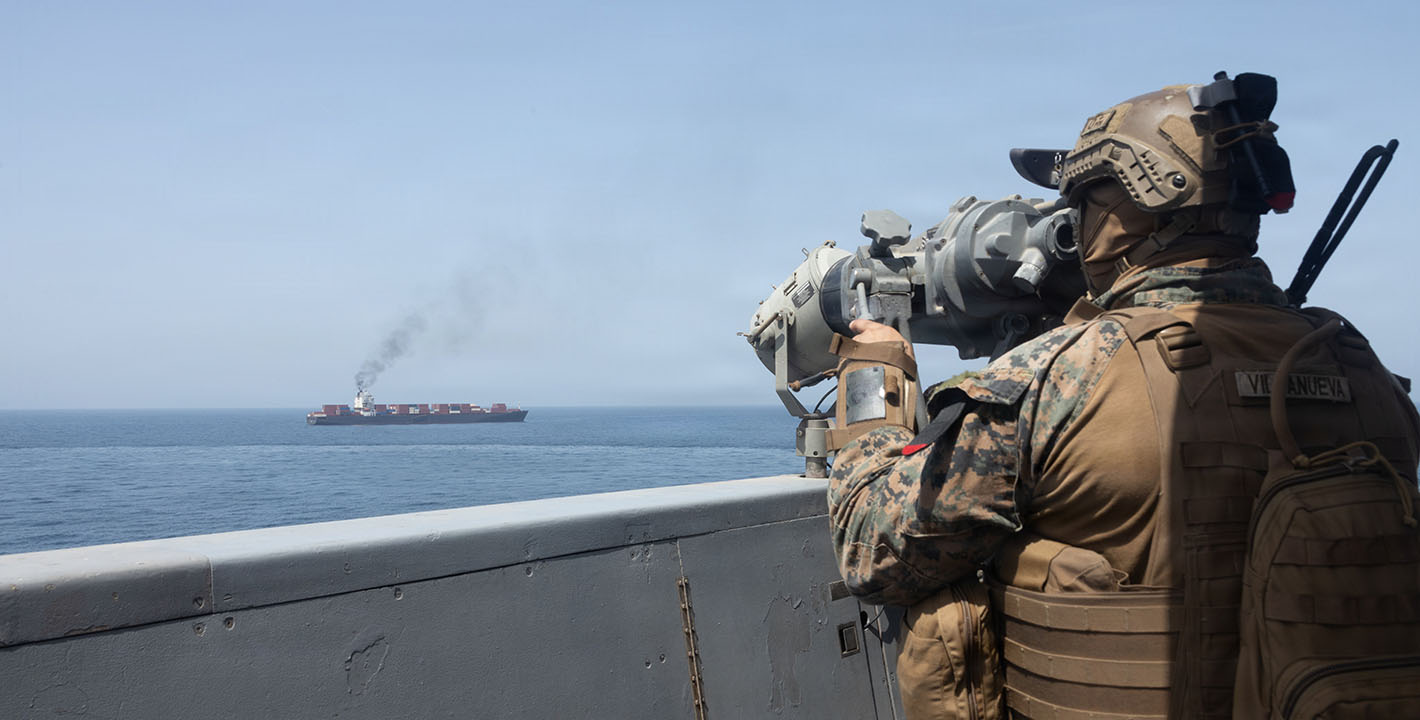
In an interview, Jim Lamson discusses the ongoing regional conflict and sees an unclear picture when it comes to winners and losers.
Michael Young
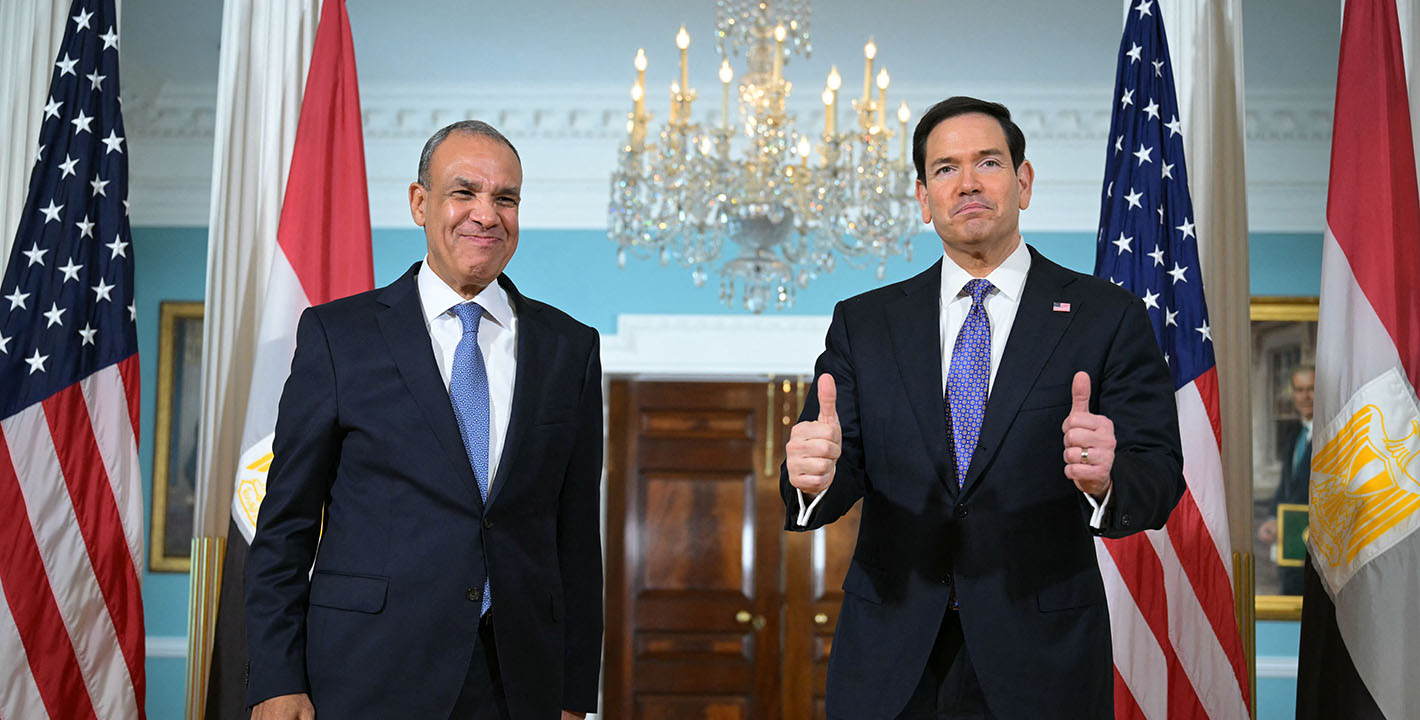
Cairo’s efforts send a message to the United States and the region that it still has a place at the diplomatic table.
Angie Omar
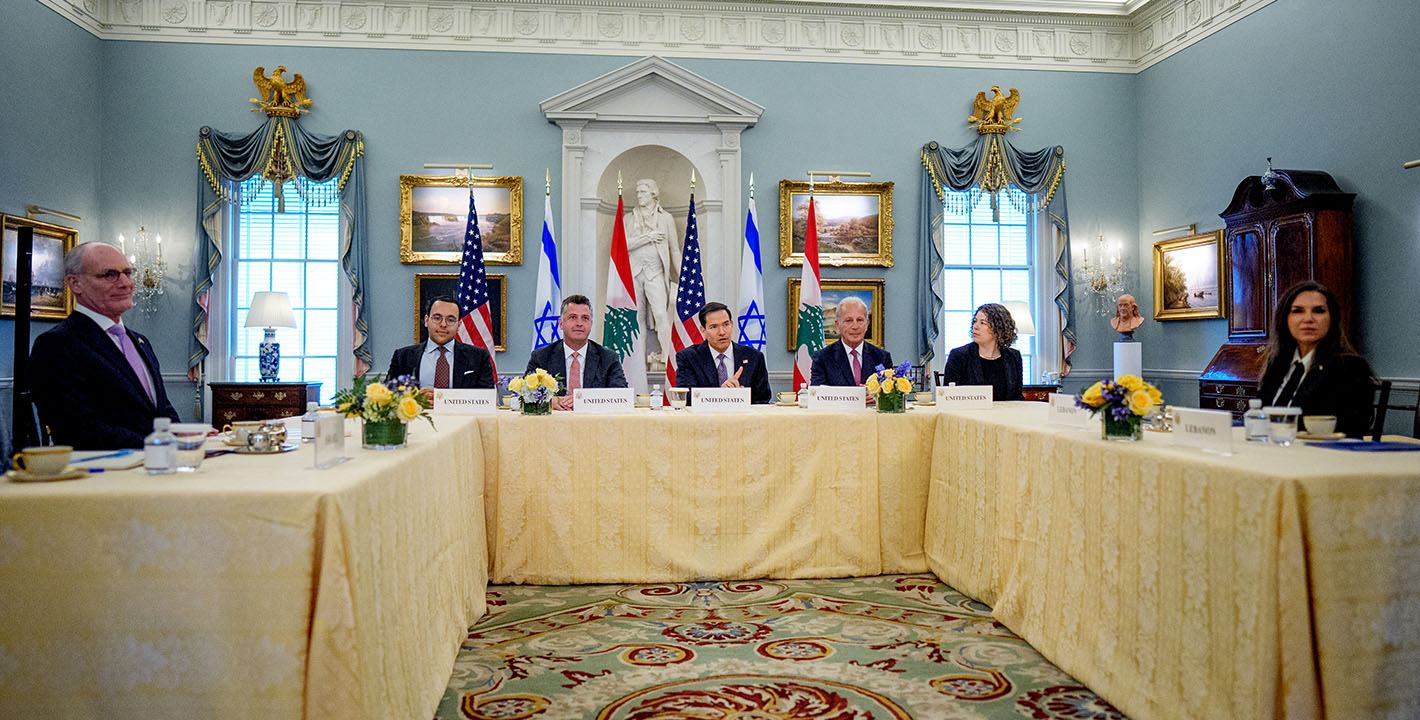
Beirut’s desire to break free from Iranian hegemony may push it into a situation where it has to accept Israel’s hegemony.
Michael Young