• Research
  • Diwan
  • About
  • Experts
Carnegie Middle East logoCarnegie lettermark logo
LebanonIran
{
  "authors": [
    "Minxin Pei"
  ],
  "type": "legacyinthemedia",
  "centerAffiliationAll": "dc",
  "centers": [
    "Carnegie Endowment for International Peace"
  ],
  "collections": [],
  "englishNewsletterAll": "asia",
  "nonEnglishNewsletterAll": "",
  "primaryCenter": "Carnegie Endowment for International Peace",
  "programAffiliation": "AP",
  "programs": [
    "Asia"
  ],
  "projects": [],
  "regions": [
    "United States",
    "South Asia",
    "India",
    "East Asia",
    "China"
  ],
  "topics": [
    "Political Reform",
    "Economy",
    "Foreign Policy"
  ]
}

Source: Getty

In The Media

A More Balanced View of Asia's Rise

Fears about Asia’s rise warrant a more balanced and critical look. China and India's international standing should not be overstated because both face serious economic and social constraints that will limit their growth.

Link Copied
By Minxin Pei
Published on Aug 13, 2009

Source: WBUR Radio Here and Now

The alarm about the rise of Asia and the decline of America are largely exaggerated. A more balanced and critical look at trends suggests that Asian countries, particularly China and India, are not poised to take over the reigns of world leadership anytime soon. Even at current economic growth rates, average per capita income in Asia is not expected to reach U.S. levels for nearly 80 years. Asian countries also lack well-developed understanding and support for key values such as multilateralism, human rights, and other international public goods that define the contemporary world order. These failings, combined with a relative lack of innovation, internal challenges to national cohesion, and problems posed by environmental degradation, suggest Asia will continue to face many constraints and its rise should not be overstated by the West.

About the Author

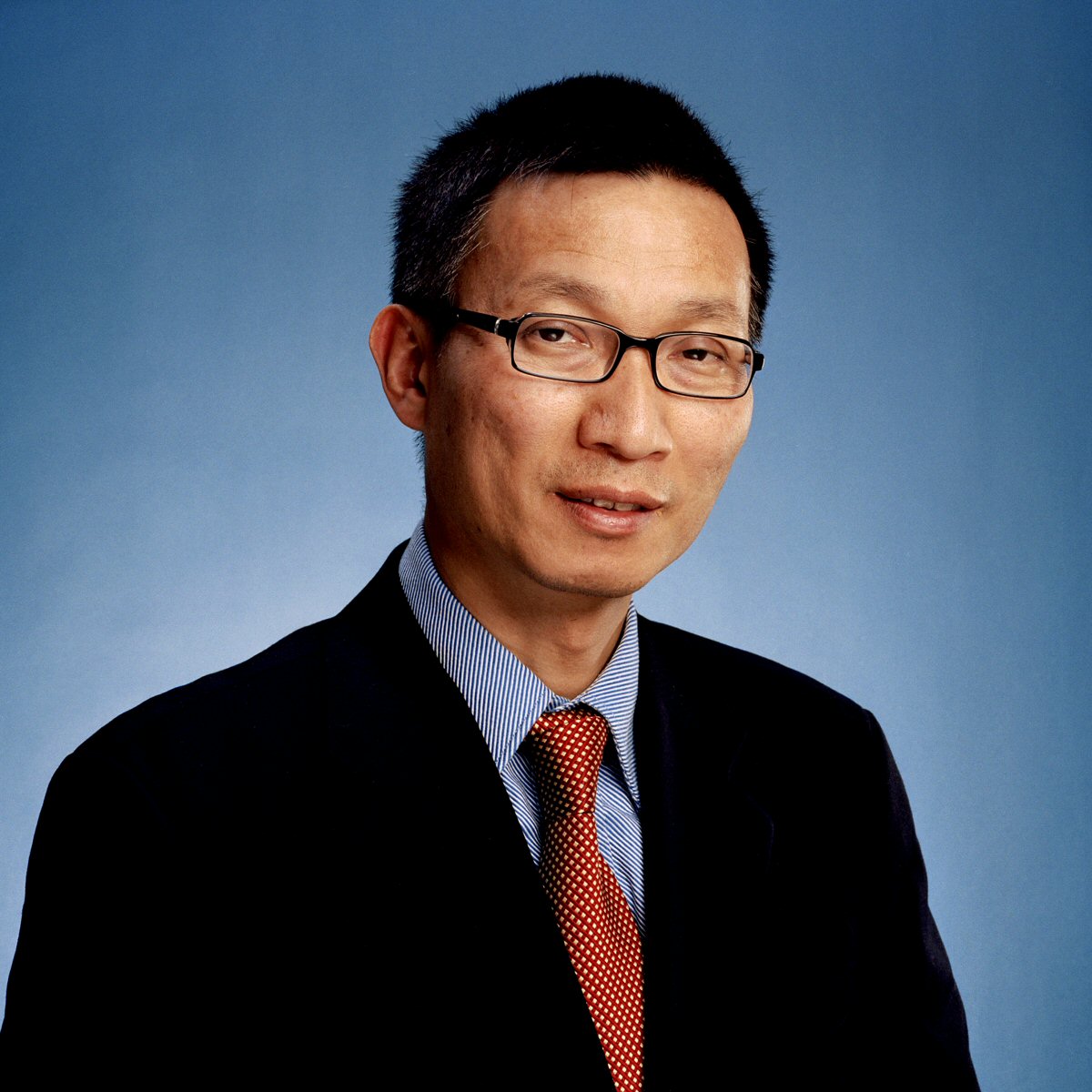
Minxin Pei

Former Adjunct Senior Associate, Asia Program

Pei is Tom and Margot Pritzker ‘72 Professor of Government and the director of the Keck Center for International and Strategic Studies at Claremont McKenna College.

    Recent Work

  • In The Media
    How China Can Avoid the Next Conflict

      Minxin Pei

  • In The Media
    Small Change

      Minxin Pei

Minxin Pei
Former Adjunct Senior Associate, Asia Program
Minxin Pei
Political ReformEconomyForeign PolicyUnited StatesSouth AsiaIndiaEast AsiaChina

Carnegie does not take institutional positions on public policy issues; the views represented herein are those of the author(s) and do not necessarily reflect the views of Carnegie, its staff, or its trustees.

More Work from Malcolm H. Kerr Carnegie Middle East Center

  • Commentary
    Diwan
    Looking Past the Wall on Palestine-Israel

    Policy discussion is ignoring that the Palestinian national project is hollowed out and apartheid is a present danger.

      Nathan J. Brown

  • Commentary
    Diwan
    Israel’s Security Means Insecurity in the Middle East

    As negotiations with Iran and Lebanon continue, chaos is at the heart of the Netanyahu government’s calculations.

      Michael Young

  • Commentary
    Diwan
    Pushing Beirut into an Armed Conflict With Hezbollah Is Insane

    The party’s domestic and regional roles have changed, so Lebanon should devise a disarmament strategy that encompasses this.

      Michael Young

  • Commentary
    Diwan
    Corrupted by Absolute Power

    In an interview, Marc Lynch discusses his new book decrying the post-1990 U.S.-dominated order in the Middle East.

      Michael Young

  • Commentary
    Diwan
    Why Does the Middle East Suffer “Forever Wars”?

    Because perpetual conflict enhances control, offers economic benefits, and allows leaders to ignore popular preferences.

      • Angie Omar

      Angie Omar

Get more news and analysis from
Malcolm H. Kerr Carnegie Middle East Center
Carnegie Middle East logo, white
  • Research
  • Diwan
  • About
  • Experts
  • Projects
  • Events
  • Contact
  • Careers
  • Privacy
  • For Media
Get more news and analysis from
Malcolm H. Kerr Carnegie Middle East Center
© 2026 Carnegie Endowment for International Peace. All rights reserved.