

Commentary
Middle Eastern states should welcome an accelerated U.S. disengagement from their region.
Michael Young
{
  "authors": [
    "Uri Dadush",
    "Lauren Falcão"
  ],
  "type": "other",
  "centerAffiliationAll": "",
  "centers": [
    "Carnegie Endowment for International Peace"
  ],
  "collections": [],
  "englishNewsletterAll": "",
  "nonEnglishNewsletterAll": "",
  "primaryCenter": "Carnegie Endowment for International Peace",
  "programAffiliation": "",
  "programs": [],
  "projects": [],
  "regions": [
    "Bahrain",
    "Kuwait",
    "Qatar",
    "Saudi Arabia",
    "United Arab Emirates",
    "North America"
  ],
  "topics": [
    "Political Reform",
    "Economy",
    "Trade"
  ]
}
Source: Getty
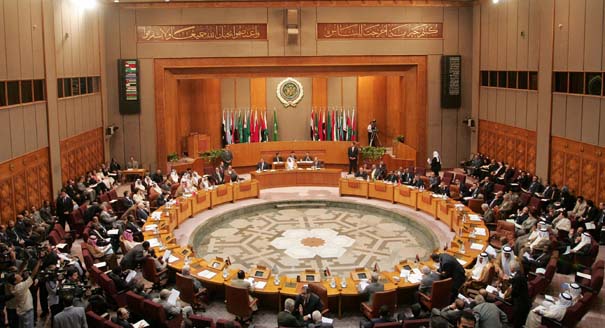
The economic success of Gulf regional integration depends on increased cooperation within the service sector and improved administrative capacity in GCC countries.
The Gulf Cooperation Council (GCC) represents one of the oldest and most ambitious regional trading agreements. Its member states—Saudi Arabia, Bahrain, Kuwait, Oman, Qatar, and the United Arab Emirates—account for some 40 percent of world oil reserves.
The Gulf Cooperation Council's (GCC) ability to fulfill its role as driver of economic growth in the region would be enhanced by the following action points:

Former Senior Associate, International Economics Program
Dadush was a senior associate at the Carnegie Endowment for International Peace. He focuses on trends in the global economy and is currently tracking developments in the eurozone crisis.
Lauren Falcão
Former Junior Fellow, Trade, Equity, and Development Program
Carnegie does not take institutional positions on public policy issues; the views represented herein are those of the author(s) and do not necessarily reflect the views of Carnegie, its staff, or its trustees.

Middle Eastern states should welcome an accelerated U.S. disengagement from their region.

Michael Young

The armed forces champion a form of capitalism that is generating revenue, but its reliance on rent faces diminishing returns, leaving the country with massive sunk costs and deferred returns, deepening dependency on external borrowing.

Yezid Sayigh

Morocco and Algeria, each in its own way, are having to navigate the global economic fallout of the U.S.-Israeli military campaign against Iran.

Yasmine Zarhloule
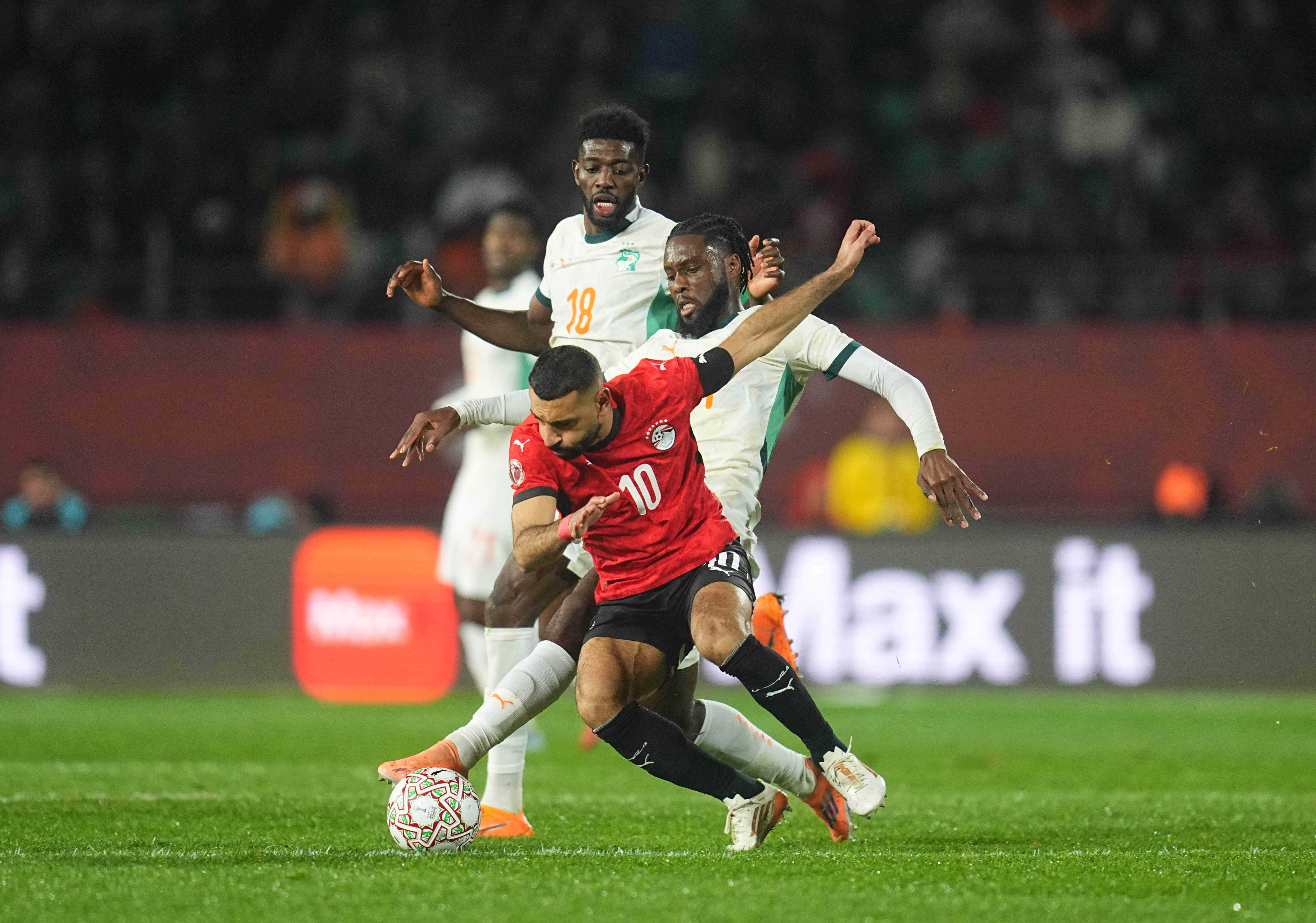
This will be the region’s most representative tournament, amid broad changes in its footballing landscape.

Issam Kayssi

Mitigating the repercussions of climate change in Kuwait is crucial for lessening economic disparities and achieving social justice.

Courtney Freer