

Q&A
Suzanne Maloney, Aaron David Miller, Karim Sadjadpour
{
  "authors": [
    "Karim Sadjadpour"
  ],
  "type": "legacyinthemedia",
  "centerAffiliationAll": "dc",
  "centers": [
    "Carnegie Endowment for International Peace"
  ],
  "collections": [],
  "englishNewsletterAll": "menaTransitions",
  "nonEnglishNewsletterAll": "",
  "primaryCenter": "Carnegie Endowment for International Peace",
  "programAffiliation": "MEP",
  "programs": [
    "Middle East"
  ],
  "projects": [],
  "regions": [
    "United States",
    "Middle East",
    "Iran"
  ],
  "topics": [
    "Security",
    "Military",
    "Foreign Policy",
    "Nuclear Policy"
  ]
}
Source: Getty
Iran's test-firing of a new, more advanced missile type with the capability to reach Israel, Europe or the Persian Gulf has increased tension over the Iranian nuclear program. The missile test will have a profound affect on the upcoming multilateral nuclear talks.
Source: The NewsHour with Jim Lehrer
The recent announcement of a second nuclear enrichment facility in Iran has put more pressure on Tehran to comply with the international community's demands for transparency and strengthened American and European resolve. Shortly after President Obama revealed that American knowledge of the second nuclear site, Iran proceeded with a previously scheduled test of its new sajjil missile, capable of reaching targets in Europe, Israel, and the Persian Gulf.
According to Karim Sadjadpour, this is a common response from the regime when it feels pressured, “this has long been the modus operandi of the Iranian regime, that when the world thinks you're under pressure, show the world that you're not going to compromise. So, I think this was a show of strength ahead of these negotiations, to project an image of defiance to the world.”

Senior Fellow, Middle East Program
Karim Sadjadpour is a senior fellow at the Carnegie Endowment for International Peace, where he focuses on Iran and U.S. foreign policy toward the Middle East.
Recent Work


Suzanne Maloney, Aaron David Miller, Karim Sadjadpour

Aaron David Miller, Karim Sadjadpour, Robin Wright
Carnegie does not take institutional positions on public policy issues; the views represented herein are those of the author(s) and do not necessarily reflect the views of Carnegie, its staff, or its trustees.

The accord represents a pivotal moment in the region to avert a security vacuum in the Gulf.


Azeema Cheema, Mohanad Hage Ali
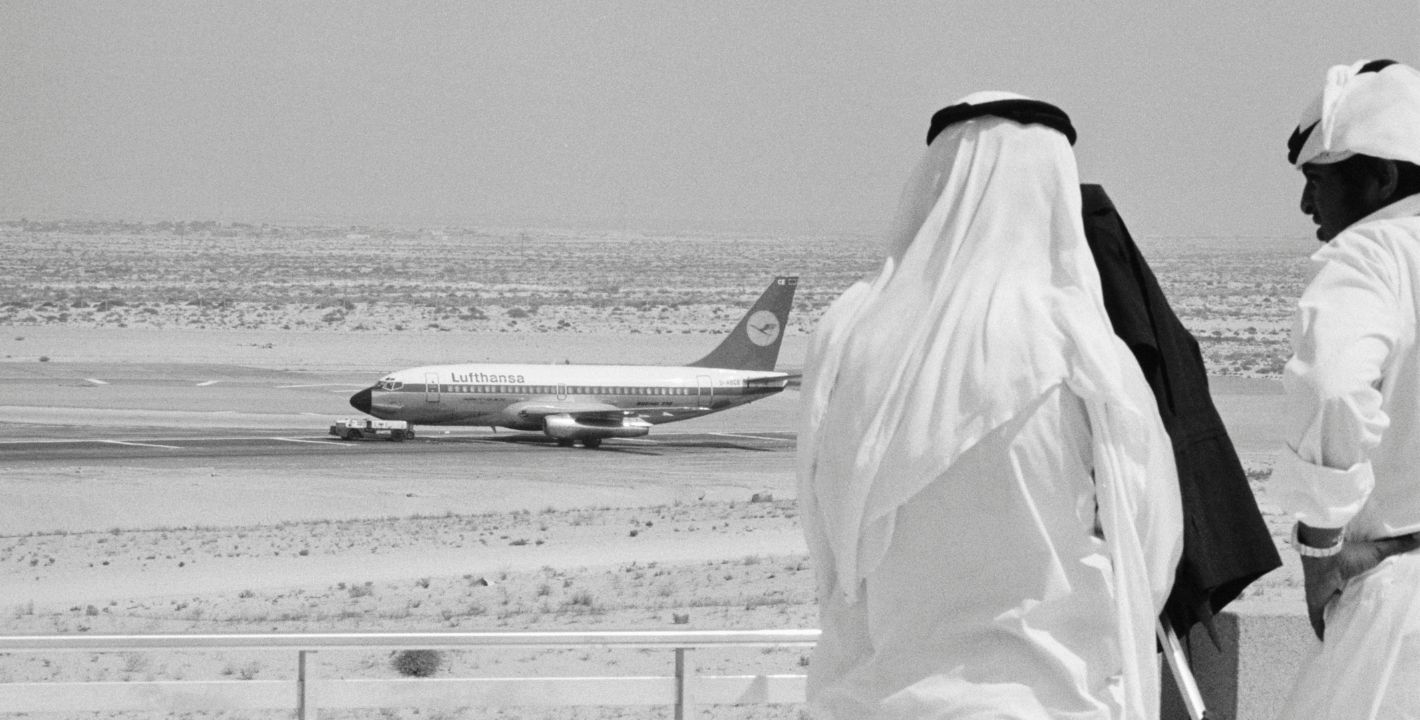
In an interview, Jason Burke discusses his sweeping account of the “revolutionists” who so shaped the 1970s and early 1980s.

Michael Young

By failing to address Palestinian representation, the current process is bound to lead to just another temporary arrangement.

Nathan J. Brown

The armed forces champion a form of capitalism that is generating revenue, but its reliance on rent faces diminishing returns, leaving the country with massive sunk costs and deferred returns, deepening dependency on external borrowing.

Yezid Sayigh

Morocco and Algeria, each in its own way, are having to navigate the global economic fallout of the U.S.-Israeli military campaign against Iran.

Yasmine Zarhloule