

Article
Amel Boubekeur
{
  "authors": [
    "Amel Boubekeur"
  ],
  "type": "legacyinthemedia",
  "centerAffiliationAll": "dc",
  "centers": [
    "Carnegie Endowment for International Peace",
    "Malcolm H. Kerr Carnegie Middle East Center"
  ],
  "collections": [],
  "englishNewsletterAll": "menaTransitions",
  "nonEnglishNewsletterAll": "",
  "primaryCenter": "Malcolm H. Kerr Carnegie Middle East Center",
  "programAffiliation": "MEP",
  "programs": [
    "Middle East"
  ],
  "projects": [],
  "regions": [
    "North Africa",
    "Tunisia"
  ],
  "topics": [
    "Political Reform"
  ]
}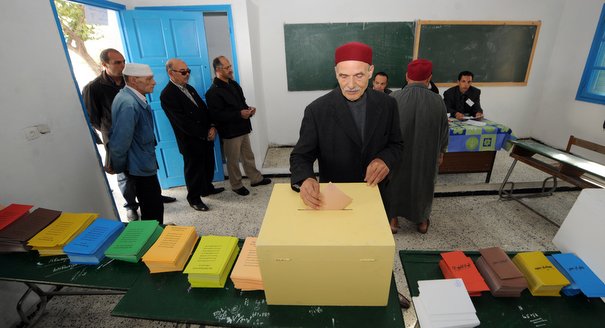
Source: Getty
Tunisian President Benali has been in power for 22 years and he continues to justify stalling political reforms by pointing to the "Islamist threat." Today, there is certainly no chance to have an Islamist party in Tunisia but any democratic reconsideration of the regime is impossible as well.
Source: The Huffington Post

Annahda, created in 1989 and led by Rachid Ghannouchi currently in exile in London, found itself shattered in the late 1990s and forced to rethink its oppositional strategy toward the State. Faced with this new "conciliation" framework, but also under the pressure of various international Human Rights organizations, the President Benali pardoned many prisoners and allowed the return of some exiled activists between 1999 and 2008. Now, even a small minority of former Annahda members have supported Benali's presidential candidacy.

Former Resident Scholar, Middle East Center
Boubekeur was an associate scholar at the Carnegie Middle East Center. Her research focuses on Maghreb country politics, Euro–Arab relations, and Islam in Europe.
Recent Work
Amel Boubekeur
Carnegie does not take institutional positions on public policy issues; the views represented herein are those of the author(s) and do not necessarily reflect the views of Carnegie, its staff, or its trustees.
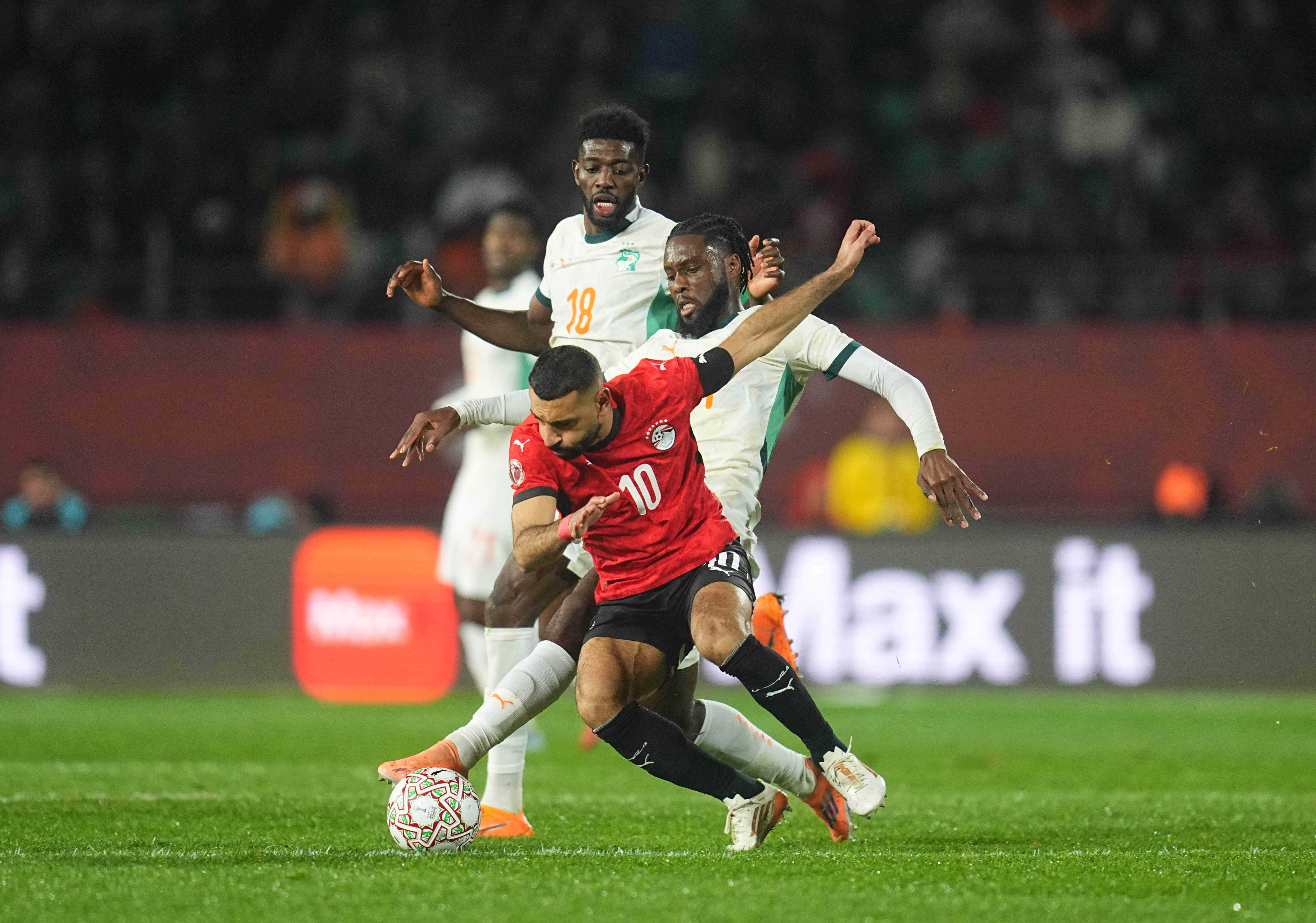
This will be the region’s most representative tournament, amid broad changes in its footballing landscape.

Issam Kayssi
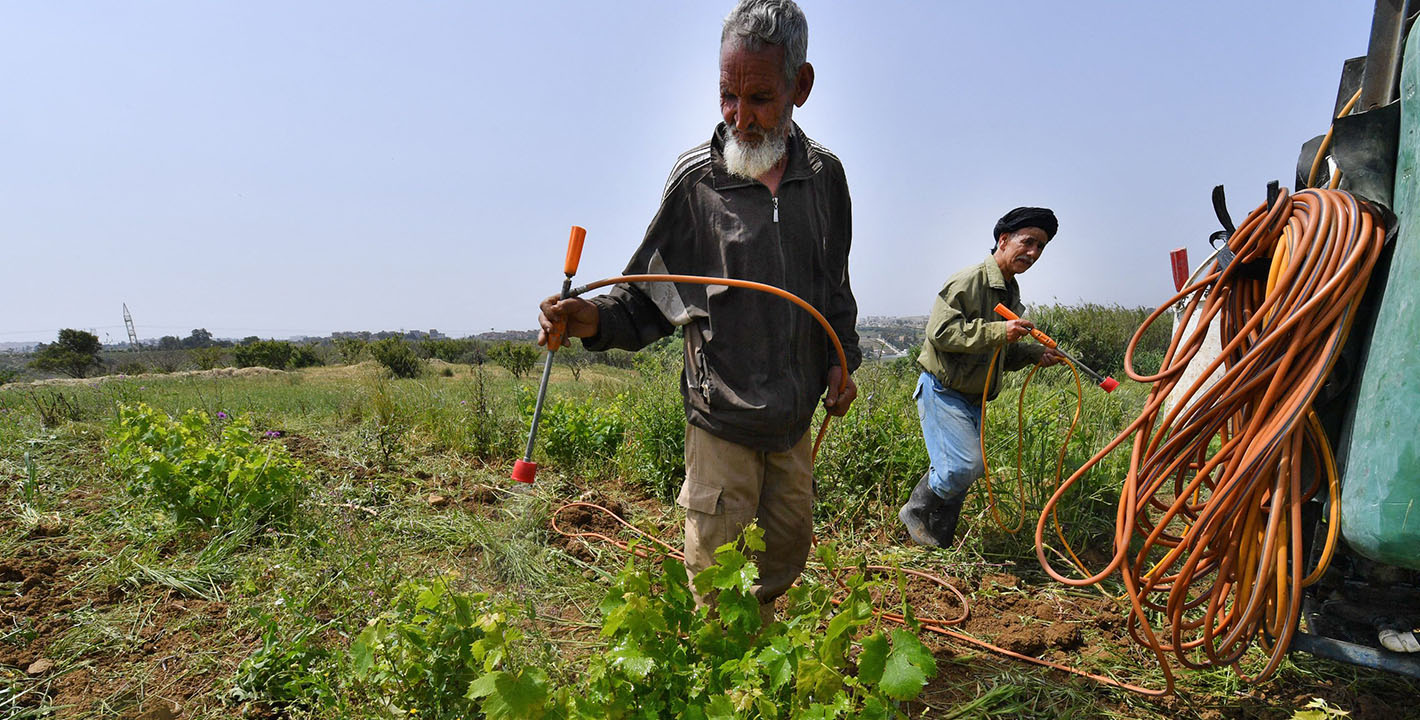
Understanding how farmers in the Oued Sahel-Soummam Valley grapple with climate change is essential for addressing the paradoxes through which adaptation, operating at both individual and institutional levels, deepens the region’s vulnerability and erodes the social fabric and agrarian identity that once defined life.

Ilyssa Yahmi
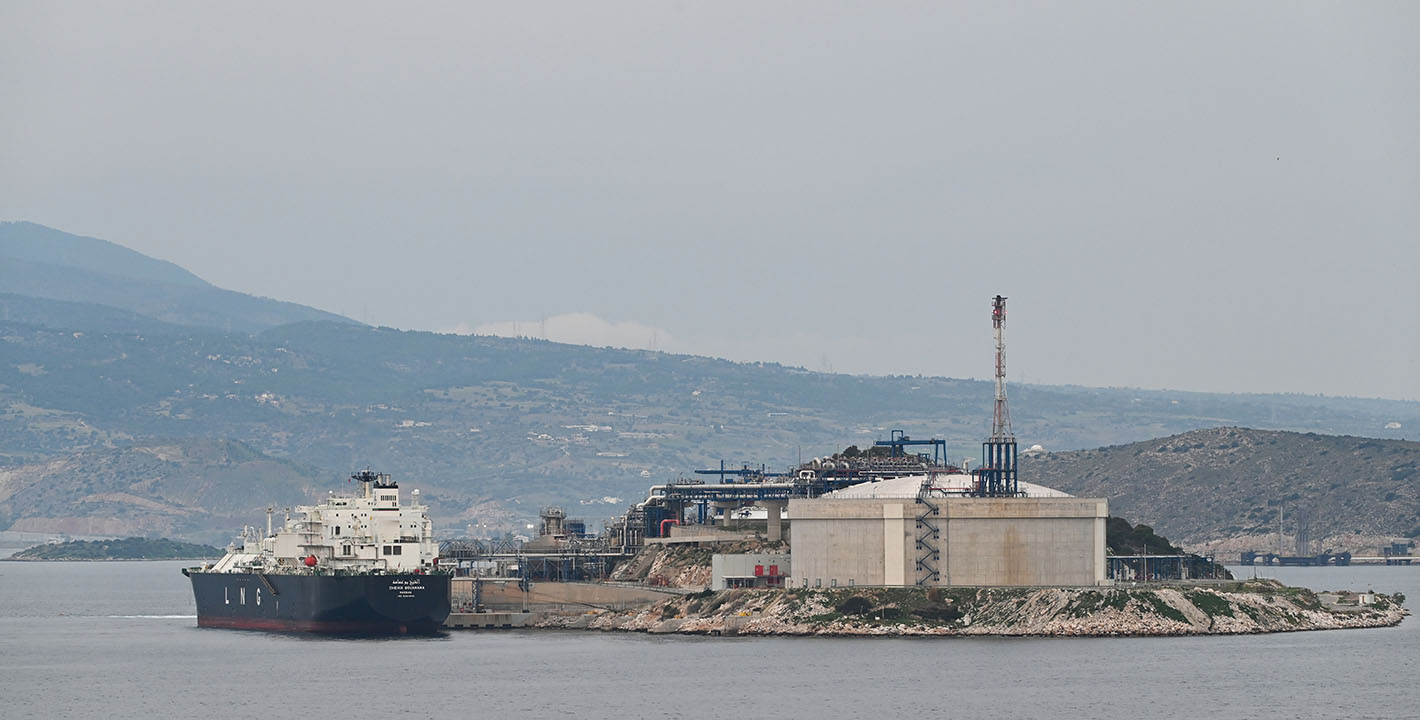
Unless the European Union-led energy transition provides economic development to Algeria, Morocco, and Tunisia, the process may be perceived as a new form of extraction.

Yasmine Zarhloule
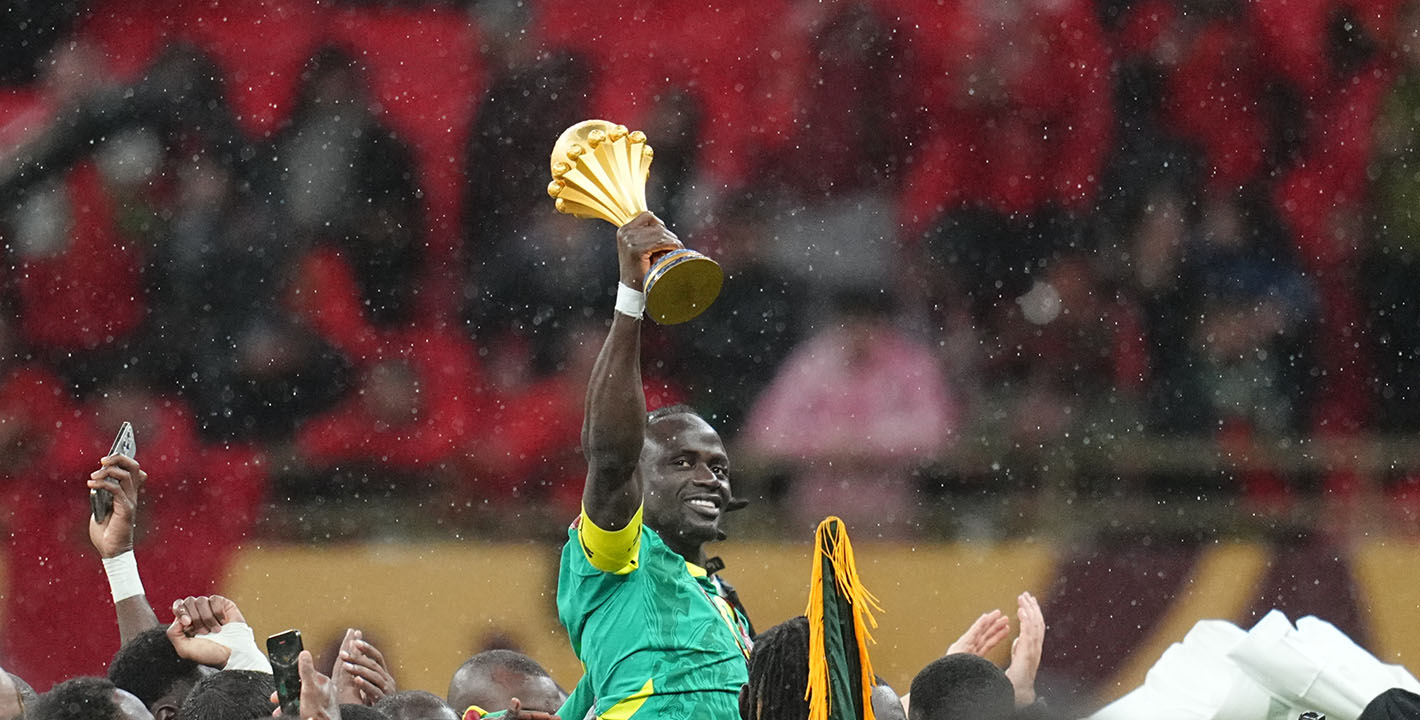
The recent African Cup of Nations tournament in Morocco touched on issues that largely transcended the sport.
Issam Kayssi, Yasmine Zarhloule
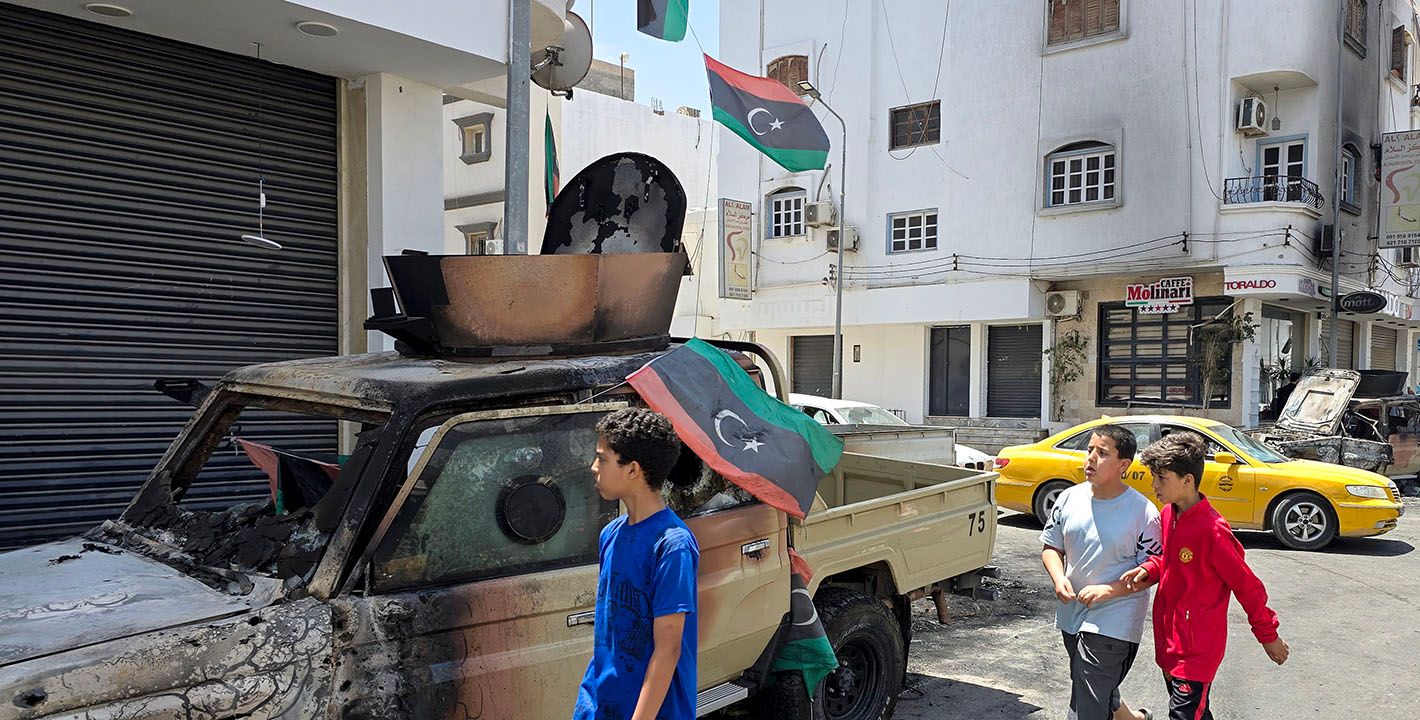
The UN Support Mission in the country should reassess its approach so that consensus between the warring parties becomes the eventual goal, rather than a procedural matter that dogs the negotiating process at every turn.
Soraya Rahem