• Research
  • Diwan
  • About
  • Experts
Carnegie Middle East logoCarnegie lettermark logo
LebanonIran
{
  "authors": [
    "Michael D. Swaine"
  ],
  "type": "legacyinthemedia",
  "centerAffiliationAll": "dc",
  "centers": [
    "Carnegie Endowment for International Peace"
  ],
  "collections": [],
  "englishNewsletterAll": "asia",
  "nonEnglishNewsletterAll": "",
  "primaryCenter": "Carnegie Endowment for International Peace",
  "programAffiliation": "AP",
  "programs": [
    "Asia"
  ],
  "projects": [],
  "regions": [
    "East Asia",
    "China",
    "North Korea"
  ],
  "topics": [
    "Nuclear Policy",
    "Nuclear Energy"
  ]
}
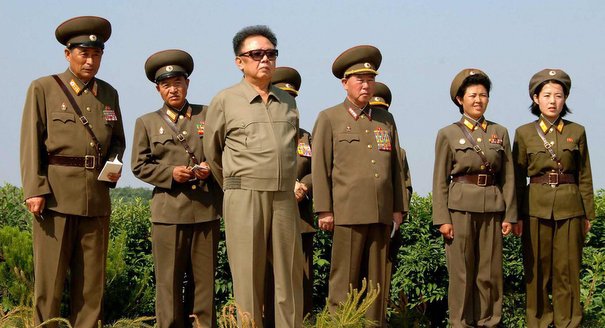
Source: Getty

In The Media

China's North Korea Dilemma

Since China’s core interests regarding North Korea have not changed, its highly risk-averse approach, which focuses on mediation and limited pressure, will probably continue.

Link Copied
By Michael D. Swaine
Published on Nov 24, 2009

Source: China Leadership Monitor

China's North Korea DilemmaEver since North Korea began to acquire the elements of a nuclear weapons program in the late ’80s—but especially since Beijing became mediator of the ill-fated Six Party talks in 2003—China's leadership has been faced with an exquisite dilemma: how to encourage or prod its strong-willed, highly volatile Stalinist neighbor to give up the bomb and open up to politically threatening reforms while sustaining the cooperation and support of a seemingly impatient, often internally divided and potentially threatening United States.  Judging by public PRC statements and commentary, Beijing has grown increasingly frustrated over its inability to persuade, cajole, or pressure its erstwhile North Korean friend and ally.  As a result, China's leaders have become more supportive of tougher international actions toward Pyongyang and less willing to silently endure, downplay, or excuse the North's vitriol and provocative behavior.  They appear more tolerant of harsh domestic criticisms of North Korea (and even of elements of Beijing's own approach), far less inclined to present themselves as the North's ally, and more willing to coordinate their approach openly with Washington, Japan, and South Korea.  Nevertheless, Beijing's core strategic interests, beliefs, and objectives, along with its suspicions and uncertainties with regard to Washington, almost certainly remain largely unchanged, and hence its highly risk-averse approach to maintaining stability remains paramount.  This article identifies the most salient elements of change and continuity in China's approach to North Korea in order to gain a more precise understanding of the range of interests, assumptions, fears, and hopes that will most likely influence the PRC leadership's future behavior.

About the Author

Michael D. Swaine

Former Senior Fellow, Asia Program

Swaine was a senior fellow at the Carnegie Endowment for International Peace and one of the most prominent American analysts in Chinese security studies.

    Recent Work

  • Other
    What Kind of Global Order Should Washington and Beijing Strive For?

      Michael D. Swaine

  • Commentary
    A Smarter U.S. Strategy for China in Four Steps

      Michael D. Swaine

Michael D. Swaine
Former Senior Fellow, Asia Program
Michael D. Swaine
Nuclear PolicyNuclear EnergyEast AsiaChinaNorth Korea

Carnegie does not take institutional positions on public policy issues; the views represented herein are those of the author(s) and do not necessarily reflect the views of Carnegie, its staff, or its trustees.

More Work from Malcolm H. Kerr Carnegie Middle East Center

  • Commentary
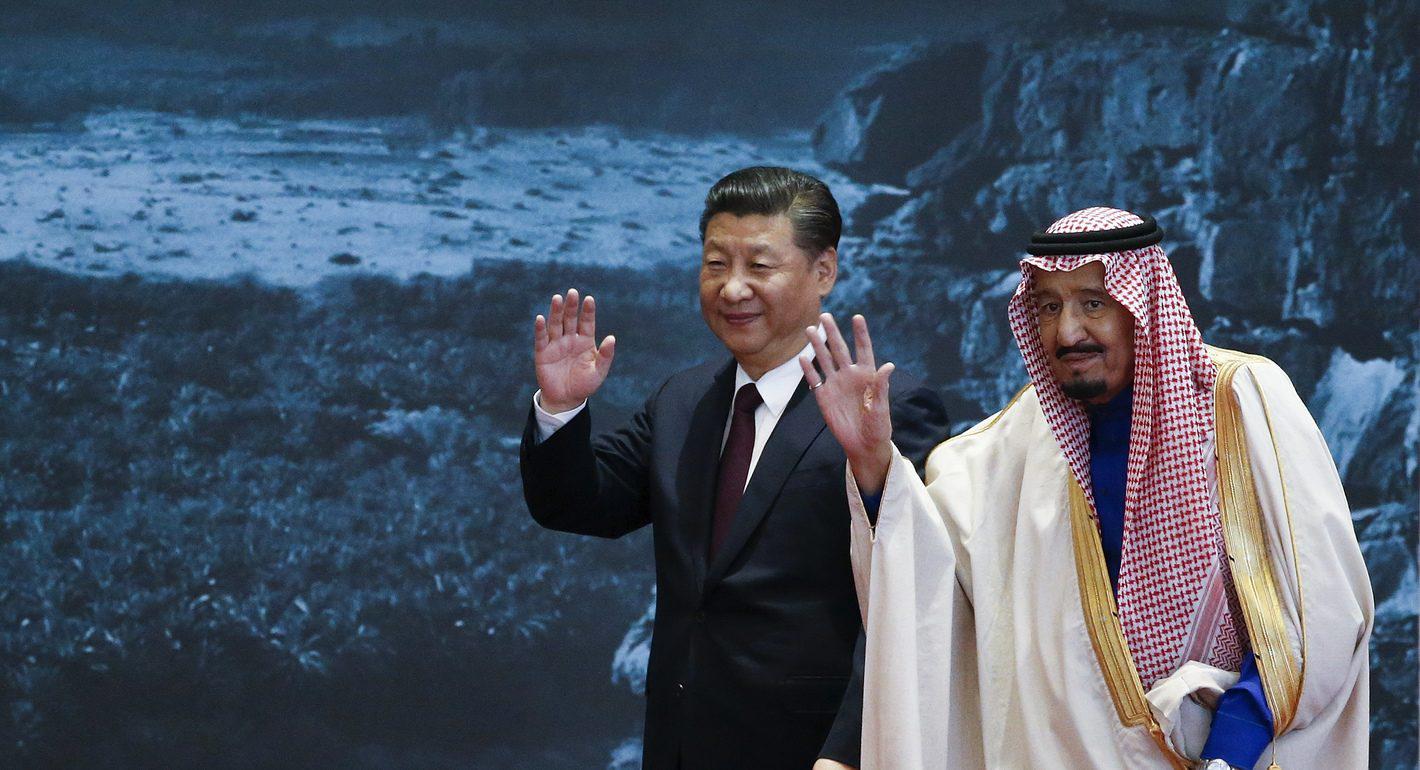
    How China Aligned Itself with Saudi Arabia’s Vision 2030

    China has aligned its cooperation model with Saudi Arabia’s own priorities, most notably since the kingdom unveiled its Vision 2030. Although China announced the Belt and Road Initiative in 2013, the big push in relations happened only after the ascendance of King Salman to the throne in 2015 and Riyadh’s push for Beijing to meet Saudi needs.

      Hesham Alghannam

  • Article
    The GCC’s Multipolar Pivot: From Shifting Trade Patterns to New Financial and Diplomatic Alliances

    The Gulf Cooperation Council has shifted its energy export focus to Asia, particularly India and China. This is part of a broader shift as GCC members look to expand their geopolitical alliances away from the West.

      Alexandre Kateb
  • Commentary
    China’s Evolving Economic and Security Role in the Middle East

    The advantage that China has over other global powers, especially America, is that its foreign policy is closely aligned with those of many of the Middle Eastern countries.

      Jin Liangxiang, Maha Yahya, Hesham Alghannam
  • Article
    The Geopolitics of Economic Development in the Middle East

    To create an environment more conducive to cooperation and development, U.S. and Chinese efforts should seek the endorsement of neighboring countries and regional organizations. Otherwise, regional and geopolitical rivalries will remain barriers.

      Abdullah Baabood

  • Commentary
    The Gaza War and the Rest of the World

    Scholars from Carnegie’s global network comment on how the ongoing conflict between Israelis and Palestinians is affecting their areas of interest, and what the implications of this may be.

      • +11

      Maha Yahya, Rosa Balfour, Judy Dempsey, …

Get more news and analysis from
Malcolm H. Kerr Carnegie Middle East Center
Carnegie Middle East logo, white
  • Research
  • Diwan
  • About
  • Experts
  • Projects
  • Events
  • Contact
  • Careers
  • Privacy
  • For Media
Get more news and analysis from
Malcolm H. Kerr Carnegie Middle East Center
© 2026 Carnegie Endowment for International Peace. All rights reserved.