

Q&A
Christopher Boucek
{
  "authors": [
    "Christopher Boucek"
  ],
  "type": "legacyinthemedia",
  "centerAffiliationAll": "dc",
  "centers": [
    "Carnegie Endowment for International Peace",
    "Malcolm H. Kerr Carnegie Middle East Center"
  ],
  "collections": [],
  "englishNewsletterAll": "menaTransitions",
  "nonEnglishNewsletterAll": "",
  "primaryCenter": "Carnegie Endowment for International Peace",
  "programAffiliation": "MEP",
  "programs": [
    "Middle East"
  ],
  "projects": [],
  "regions": [
    "Middle East",
    "Yemen",
    "Gulf"
  ],
  "topics": [
    "Security",
    "Political Reform",
    "Foreign Policy"
  ]
}
Source: Getty
The presence of Al-Qaeda in Yemen is only one of many security and economic challenges facing the country. International aid must be comprehensive in nature and empower the Yemenis to build their own capacity, in order to combat these challenges.
Source: Al Jazeera's Riz Khan
The failed bombing attempt by Umar Farouk Abdulmutallab, who was trained in Yemen by al-Qaeda in the Arabian Peninsula (AQAP), has brought the plight of Yemen to the attention of the international community. Although much effort is being expended to defeat the threat from AQAP, Yemen faces a host of security and economic challenges. If these challenges aren't addressed soon, Yemen risks becoming a failed state. According to Christopher Boucek, “It is really important that in addition to counter-terrorism we need to keep in mind building state capacity in Yemen. Thinking about building a post-oil economy and state legitimacy is key.” The crises that Yemen faces, must be addressed through a multi-pronged, international approach in order to “empower Yemenis to build their own capacity,” suggests Boucek.
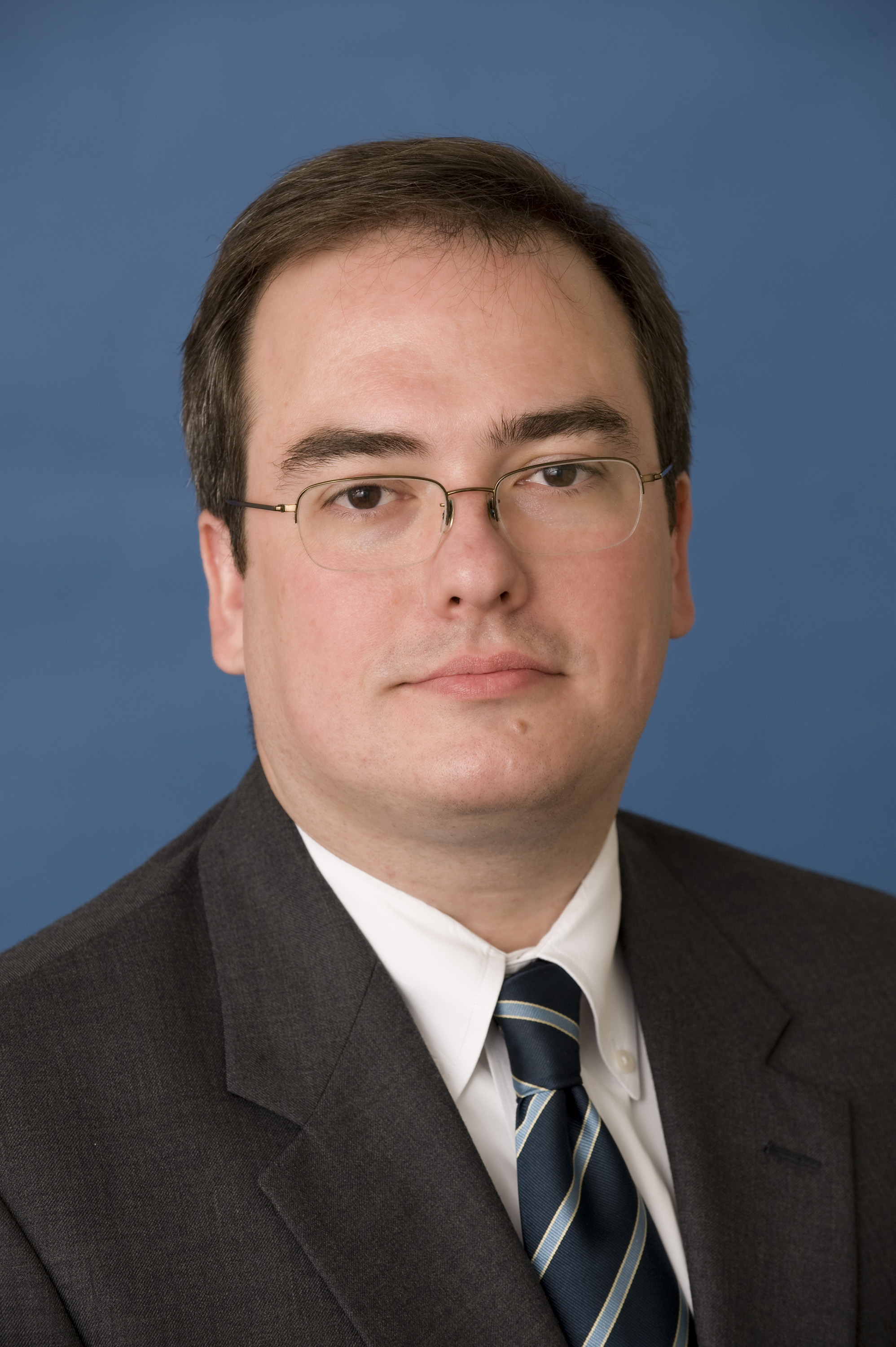
Former Associate, Middle East Program
Boucek was an associate in the Carnegie Middle East Program where his research focused on security challenges in the Arabian Peninsula and Northern Africa.
Recent Work
Christopher Boucek

Christopher Boucek, Karim Sadjadpour
Carnegie does not take institutional positions on public policy issues; the views represented herein are those of the author(s) and do not necessarily reflect the views of Carnegie, its staff, or its trustees.
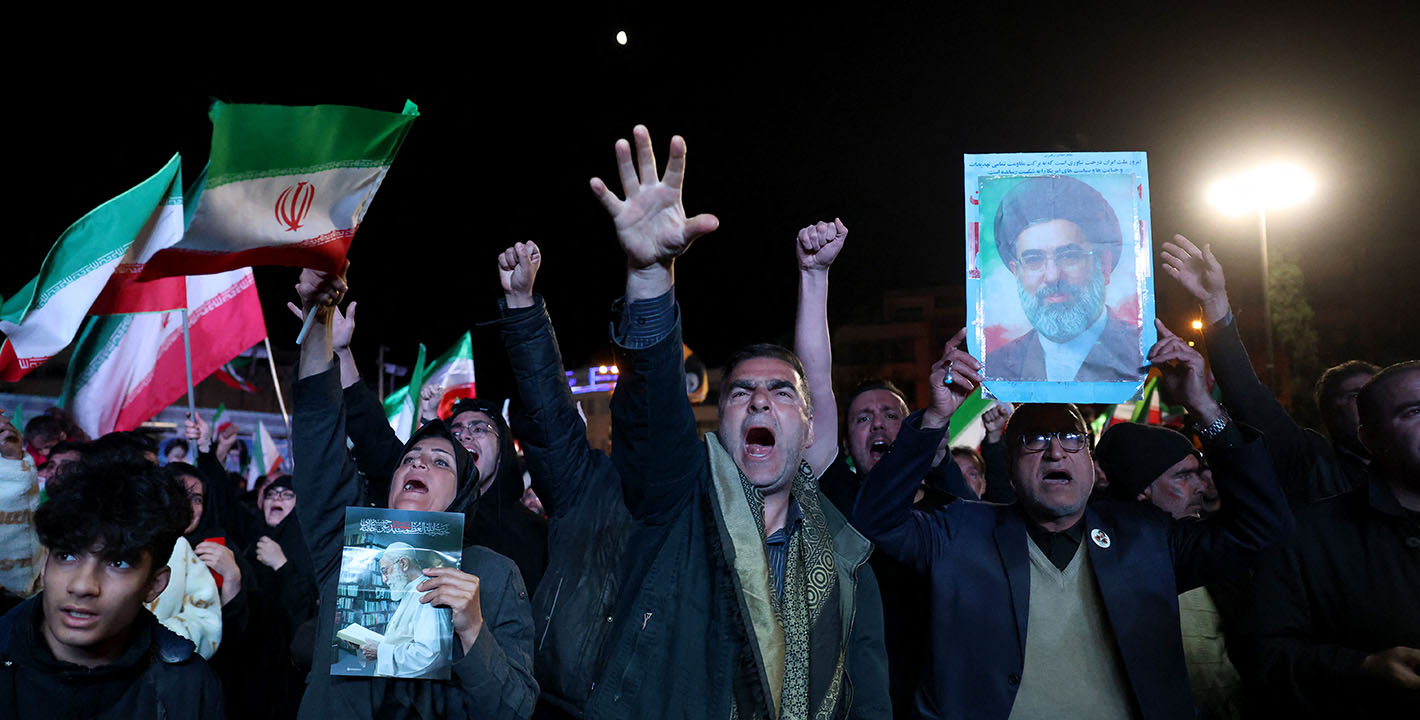
Spot analysis from Carnegie scholars on events relating to the Middle East and North Africa.

Michael Young
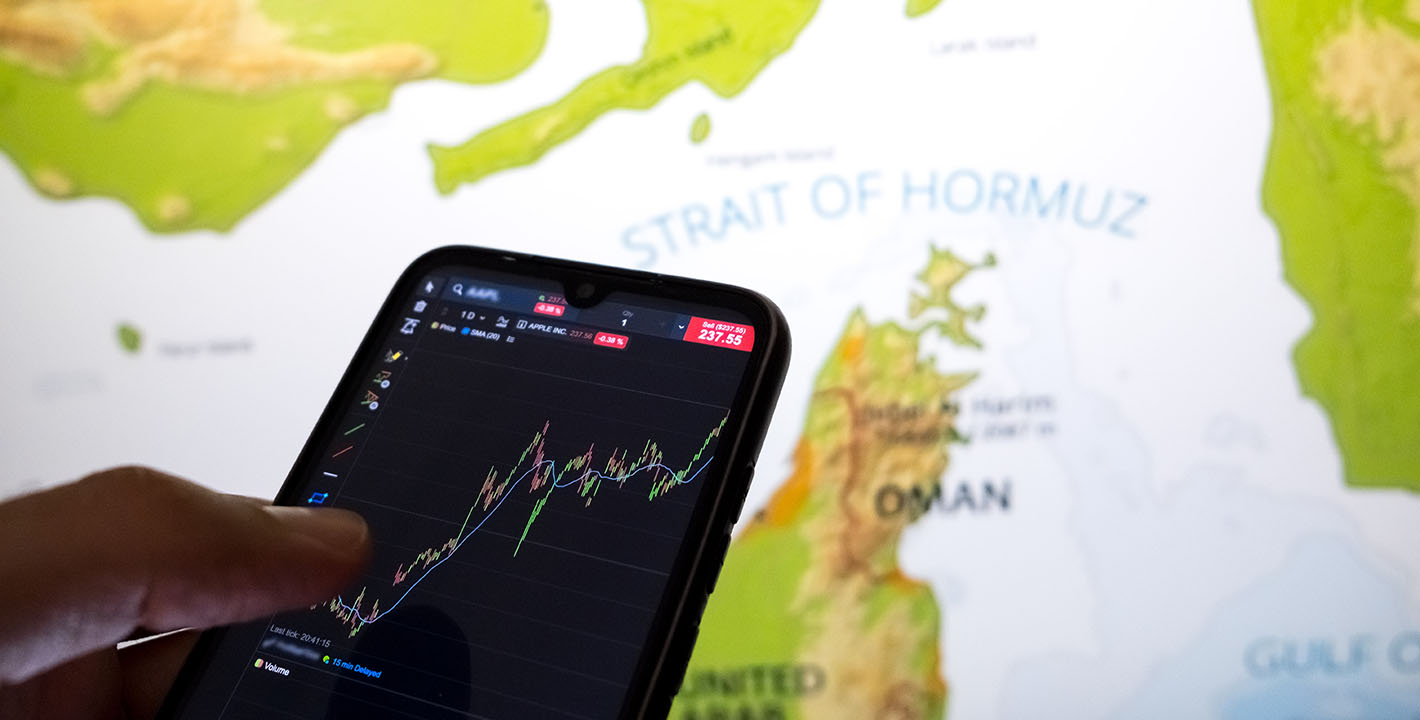
In an interview, Roger Diwan discusses where the global economy may be going in the third week of the U.S.-Israeli war with Iran.
Nur Arafeh
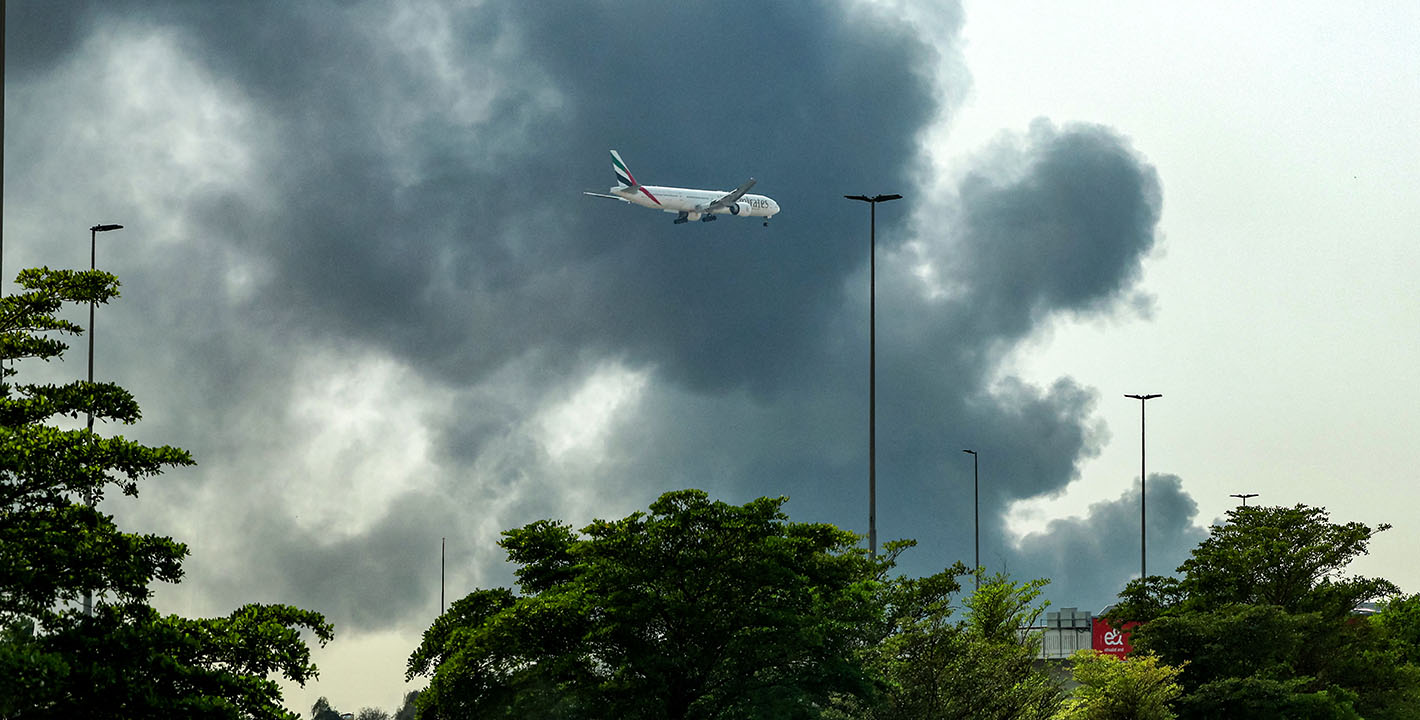
In an interview, Andrew Leber discusses the impact the U.S. and Israeli war against Iran is having on Arab Gulf states.
Michael Young
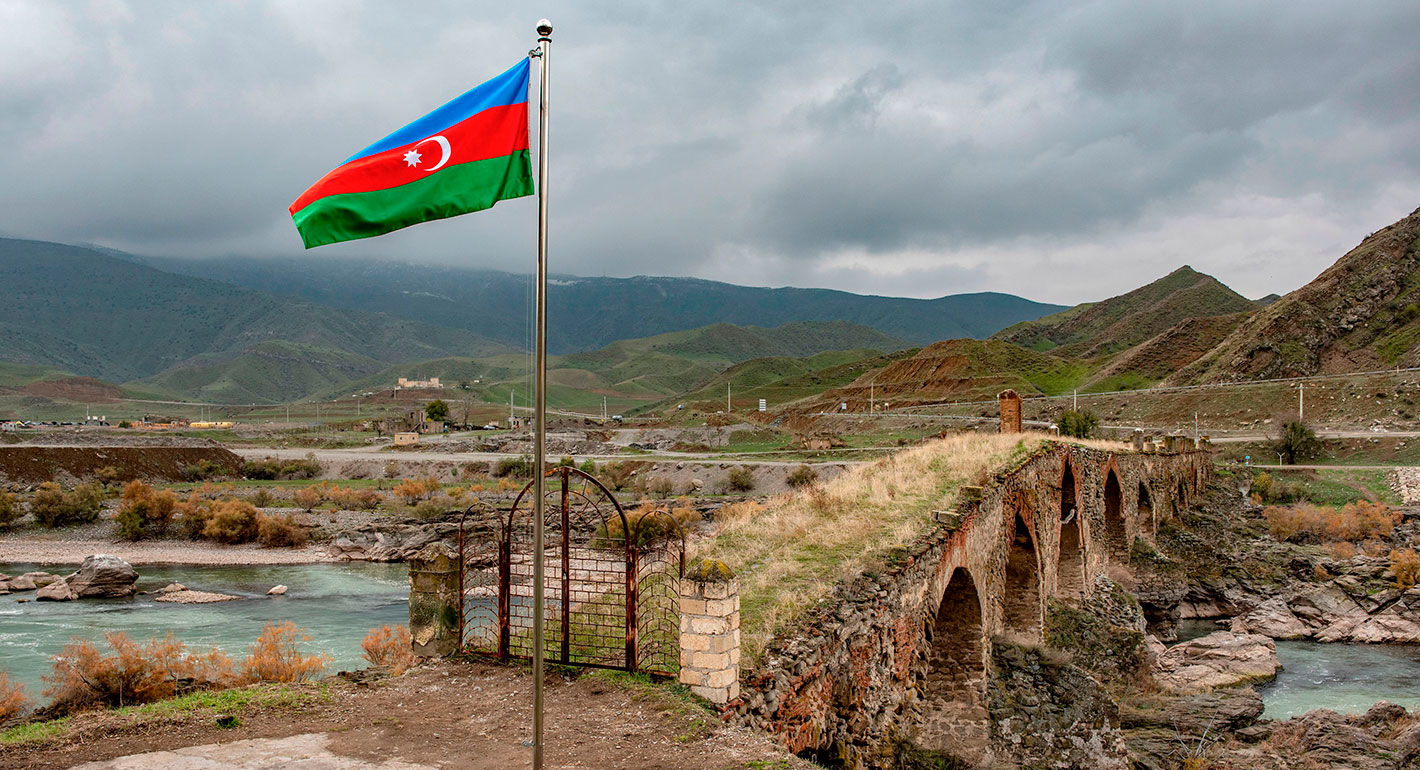
In an interview, Sergei Melkonian discusses Armenia’s and Azerbaijan’s careful balancing act among the United States, Israel, and Iran.

Armenak Tokmajyan
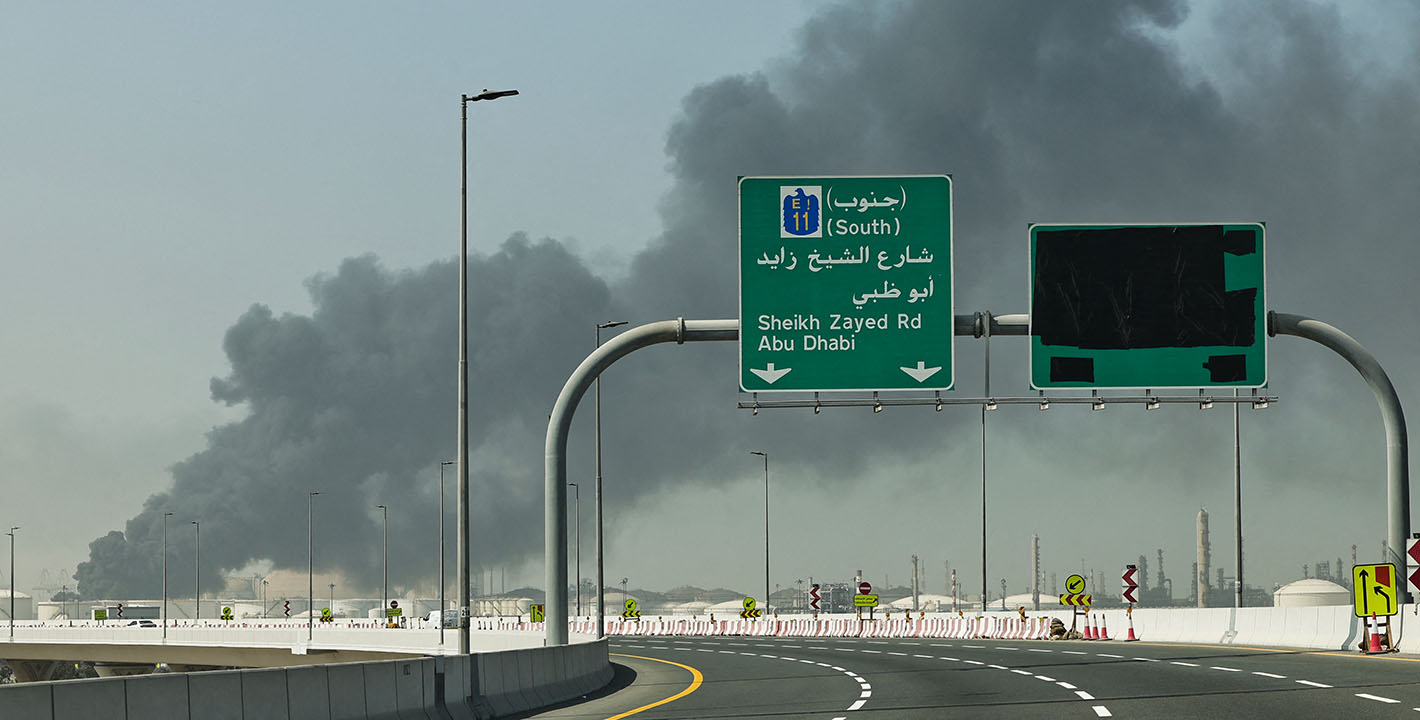
The countries in the region are managing the fallout from Iranian strikes in a paradoxical way.

Angie Omar