

Q&A
Suzanne Maloney, Aaron David Miller, Karim Sadjadpour
{
  "authors": [
    "Karim Sadjadpour"
  ],
  "type": "legacyinthemedia",
  "centerAffiliationAll": "dc",
  "centers": [
    "Carnegie Endowment for International Peace"
  ],
  "collections": [],
  "englishNewsletterAll": "menaTransitions",
  "nonEnglishNewsletterAll": "",
  "primaryCenter": "Carnegie Endowment for International Peace",
  "programAffiliation": "MEP",
  "programs": [
    "Middle East"
  ],
  "projects": [],
  "regions": [
    "Middle East",
    "Iran"
  ],
  "topics": [
    "Political Reform",
    "Foreign Policy",
    "Nuclear Policy"
  ]
}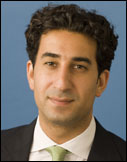
Source: Getty
After a year of stalled negotiations which have demonstrated the intransigence of the Iranian regime, the Obama administration is now attempting to unite the international community behind sanctions on the Islamic Republic.
Source: CBS' Washington Unplugged
As more information surfaces about the development of Iran’s nuclear program, the Obama administration is continuing its attempts to unite the international community behind sanctioning the Islamic Republic. China and Russia both continue to oppose sanctions, but Karim Sadjadpour believes that “China and Russia will come on board to sanctions.” The Obama administration’s efforts at engagement over the last year have demonstrated to the international community that Tehran is the intransigent actor in the negotiations process. According to Sadjadpour, this process has “produced more cohesion in the international community and exploited internal fissures in Iran.”

Senior Fellow, Middle East Program
Karim Sadjadpour is a senior fellow at the Carnegie Endowment for International Peace, where he focuses on Iran and U.S. foreign policy toward the Middle East.
Recent Work


Suzanne Maloney, Aaron David Miller, Karim Sadjadpour

Aaron David Miller, Karim Sadjadpour, Robin Wright
Carnegie does not take institutional positions on public policy issues; the views represented herein are those of the author(s) and do not necessarily reflect the views of Carnegie, its staff, or its trustees.
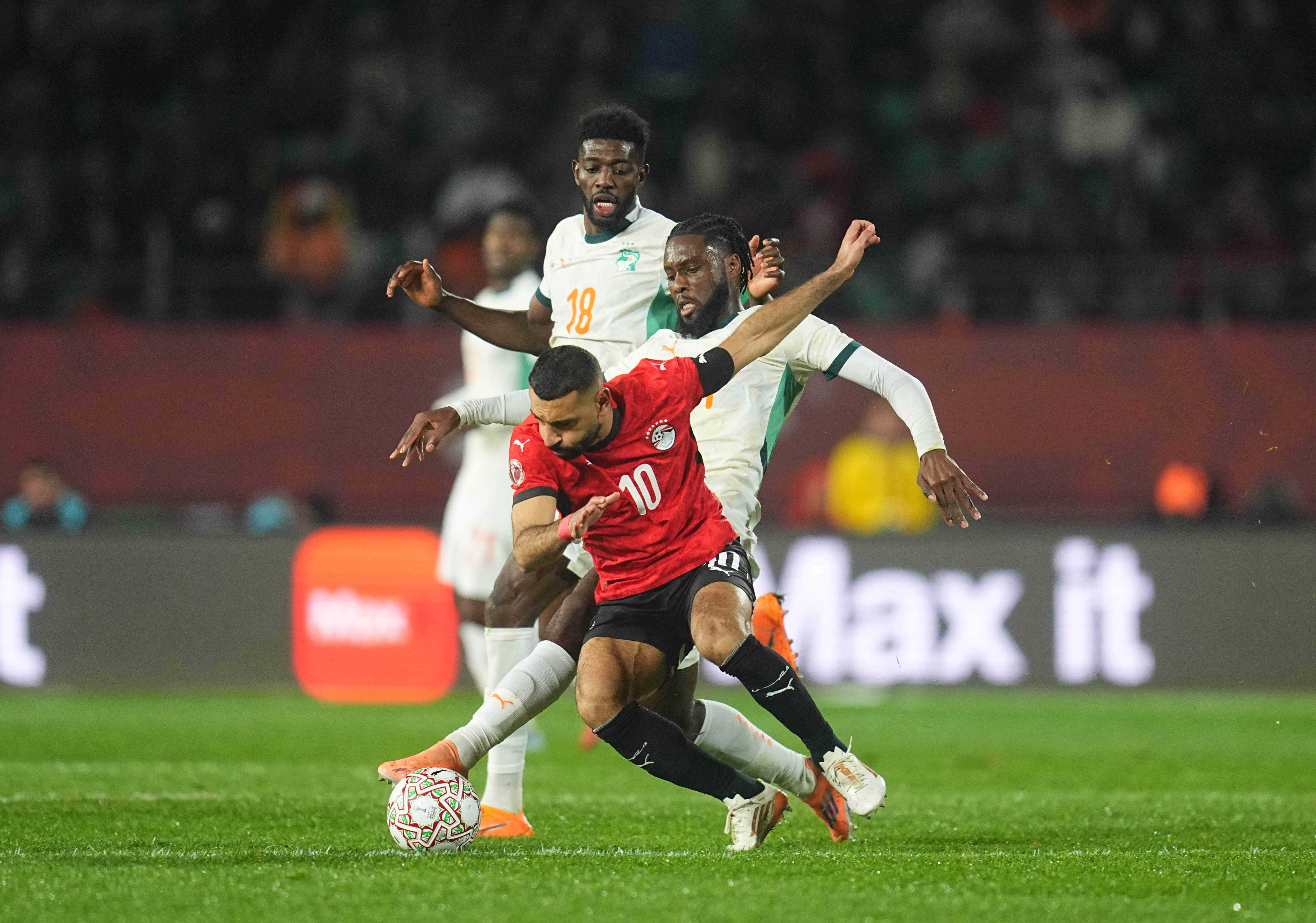
This will be the region’s most representative tournament, amid broad changes in its footballing landscape.

Issam Kayssi
In an interview, Marc Lynch discusses his new book decrying the post-1990 U.S.-dominated order in the Middle East.

Michael Young
Because perpetual conflict enhances control, offers economic benefits, and allows leaders to ignore popular preferences.

Angie Omar
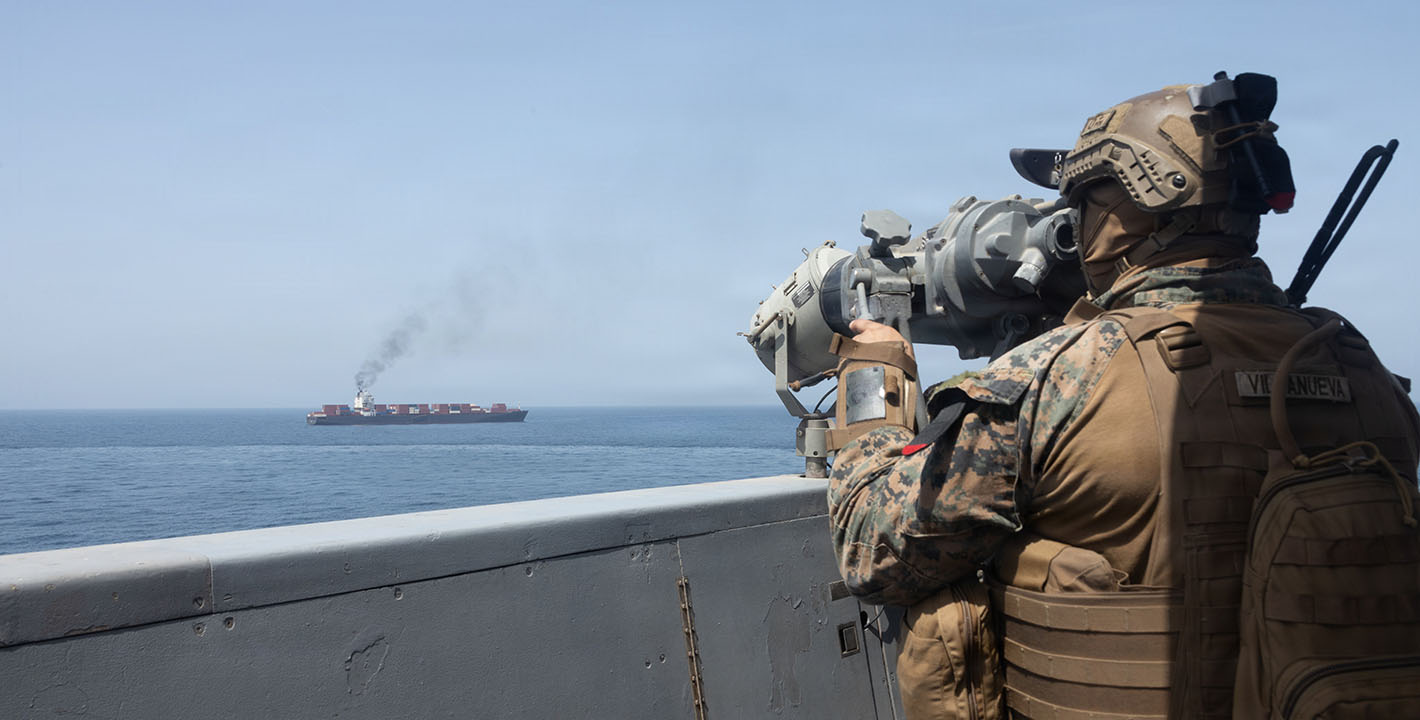
In an interview, Jim Lamson discusses the ongoing regional conflict and sees an unclear picture when it comes to winners and losers.
Michael Young
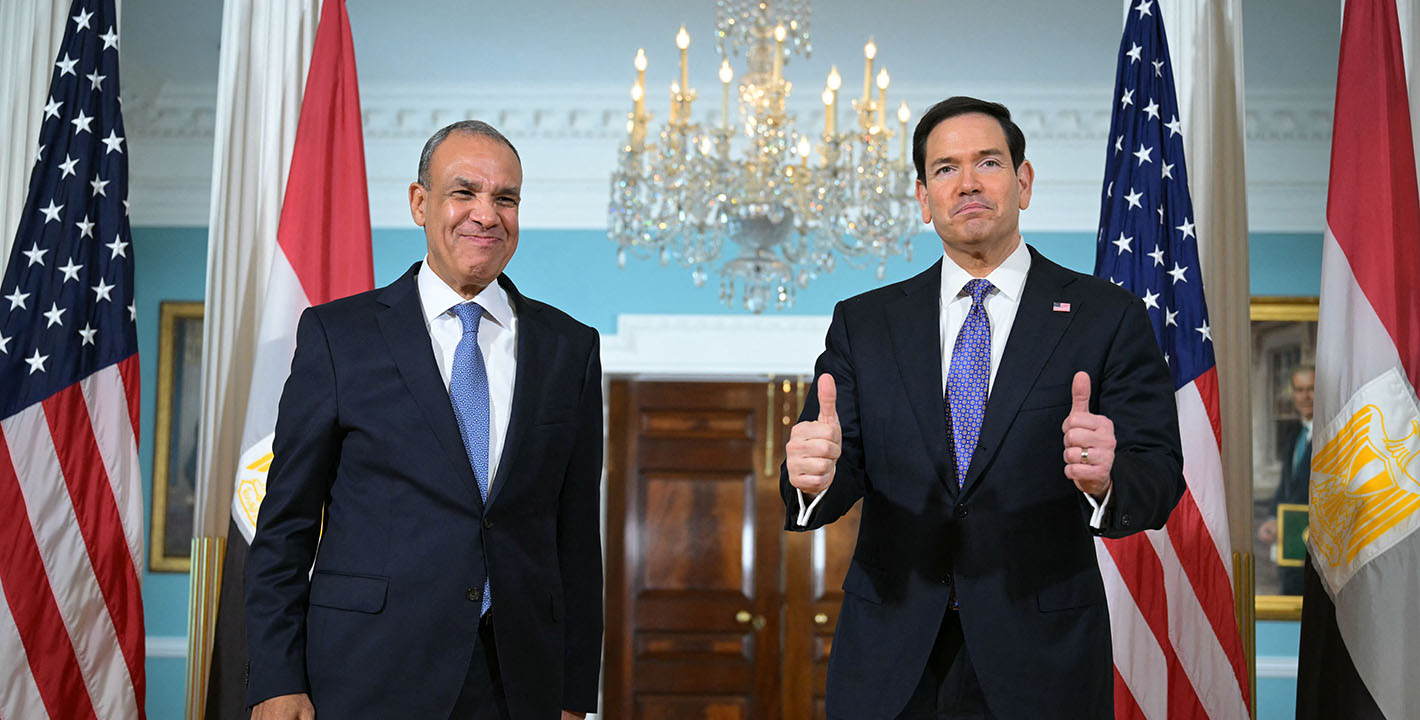
Cairo’s efforts send a message to the United States and the region that it still has a place at the diplomatic table.
Angie Omar