

In The Media
Michele Dunne, Robert Kagan
{
  "authors": [
    "Robert Kagan"
  ],
  "type": "testimony",
  "centerAffiliationAll": "",
  "centers": [
    "Carnegie Endowment for International Peace"
  ],
  "collections": [],
  "englishNewsletterAll": "",
  "nonEnglishNewsletterAll": "",
  "primaryCenter": "Carnegie Endowment for International Peace",
  "programAffiliation": "",
  "programs": [],
  "projects": [],
  "regions": [
    "Middle East",
    "Israel",
    "Palestine"
  ],
  "topics": [
    "Security",
    "Foreign Policy"
  ]
}
Source: Getty
The Obama administration has focused much of its diplomatic energy towards engaging with the Iranian regime. This effort has limited its level of engagement with both the Iranian opposition and U.S. European partners.
Source: AIPAC Policy Conference
The first year of the Obama administration’s foreign policy was largely characterized by an effort to engage with Iran and other adversarial states. This diplomatic strategy, “in the administration's view,” was aimed at “repairing relations with people who have been adversaries, competitors, challengers of the United States,” notes Robert Kagan. Yet an unintended outcome of this strategy has been lost opportunities for “reassuring allies.” Furthermore, the Obama administration missed an opportunity to further destabilize the Iranian regime following the June 12 presidential elections in Iran. Kagan asserts that “the administration had an opportunity then to: A, put itself clearly on the side of people demanding freedom in Iran; B, to take steps that would, in fact, increase the insecurity of the regime, which might, then, have played back in to the nuclear negotiations.”
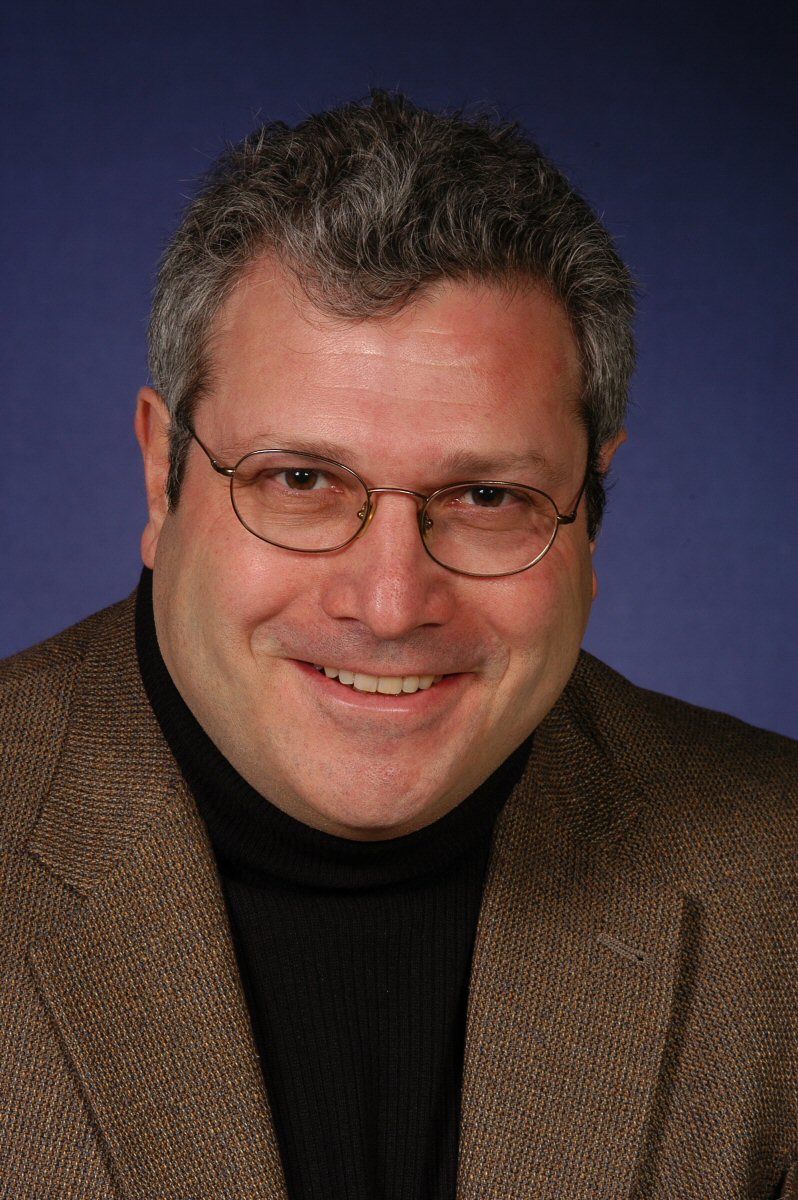
Former Senior Associate
Kagan, author of the recent book, The Return of History and the End of Dreams (Knopf 2008), writes a monthly column on world affairs for the Washington Post and is a contributing editor at both the Weekly Standard and the New Republic.
Recent Work

Michele Dunne, Robert Kagan
Robert Kagan, Michele Dunne
Carnegie does not take institutional positions on public policy issues; the views represented herein are those of the author(s) and do not necessarily reflect the views of Carnegie, its staff, or its trustees.
In an interview, Jim Lamson discusses the ongoing regional conflict and sees an unclear picture when it comes to winners and losers.

Michael Young
Unless Beirut lowers expectations, any setbacks will end up bolstering Hezbollah’s narrative.

Mohanad Hage Ali
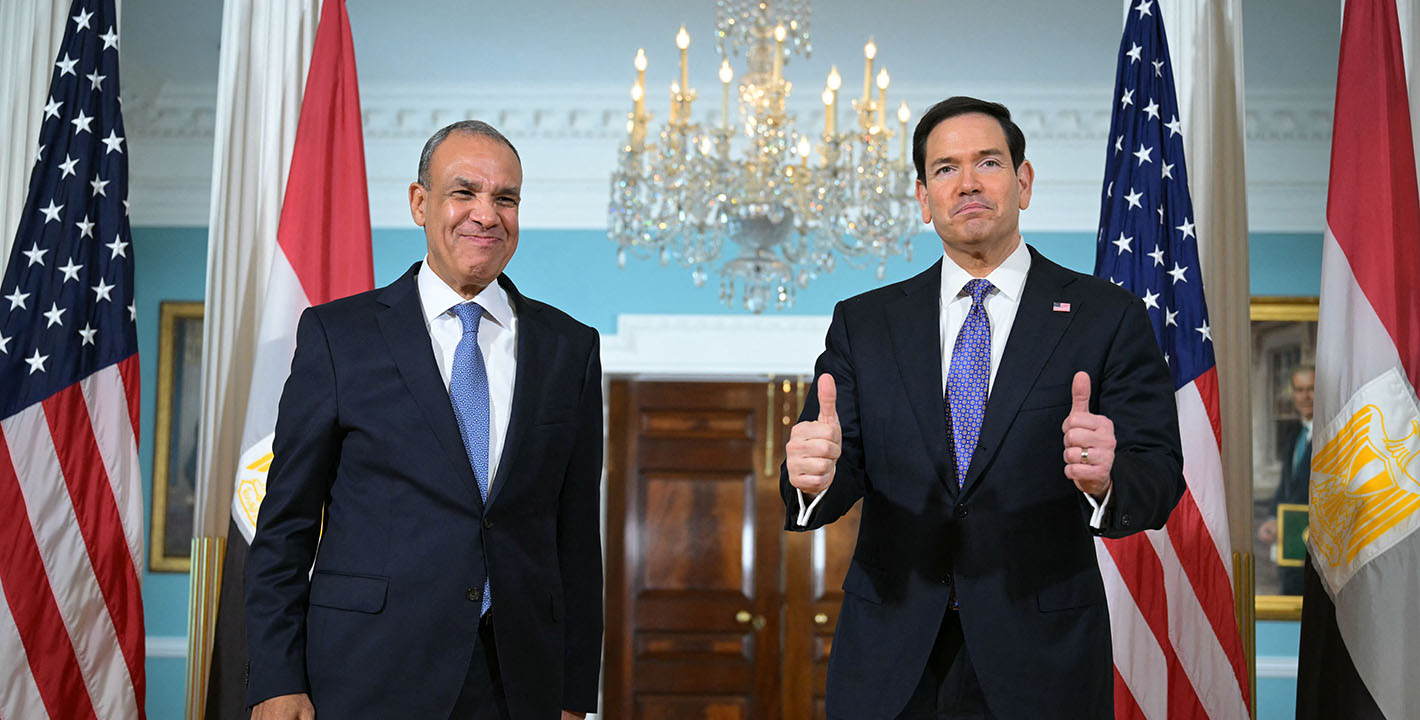
Cairo’s efforts send a message to the United States and the region that it still has a place at the diplomatic table.

Angie Omar
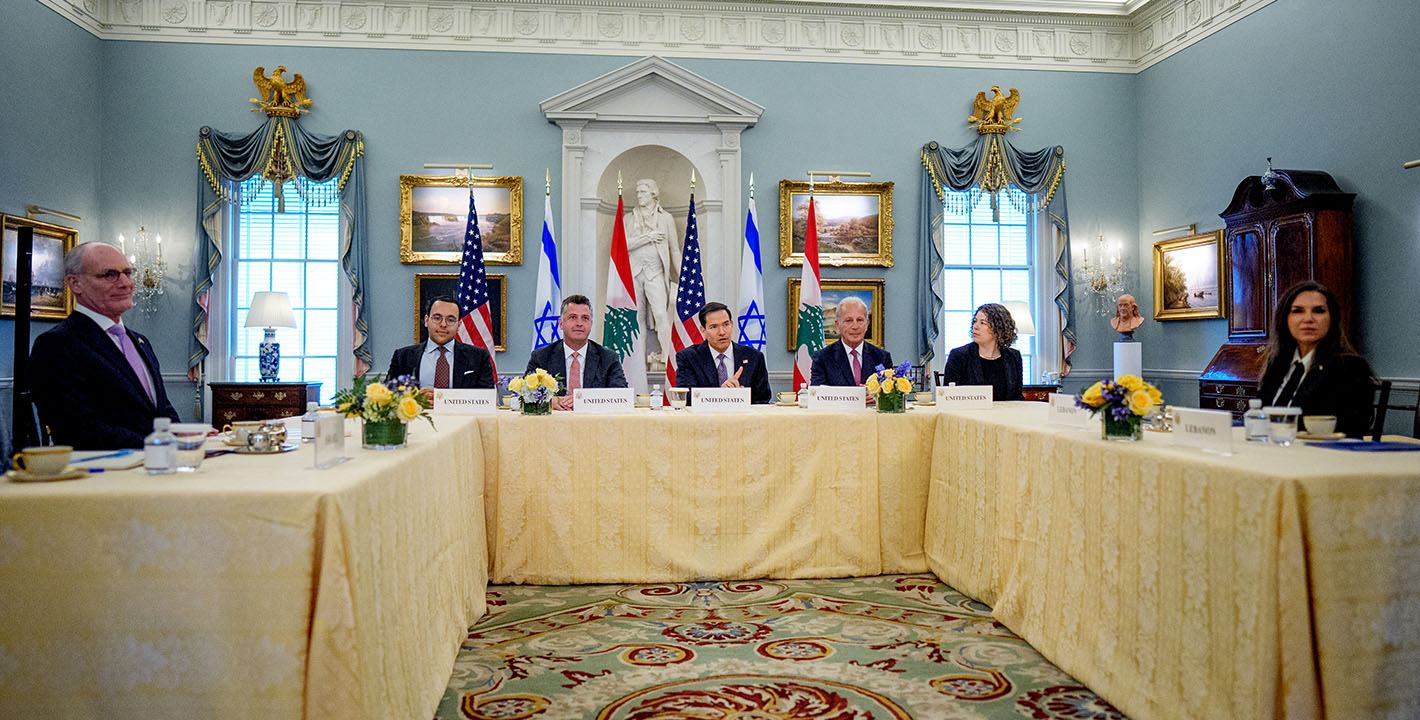
Beirut’s desire to break free from Iranian hegemony may push it into a situation where it has to accept Israel’s hegemony.
Michael Young
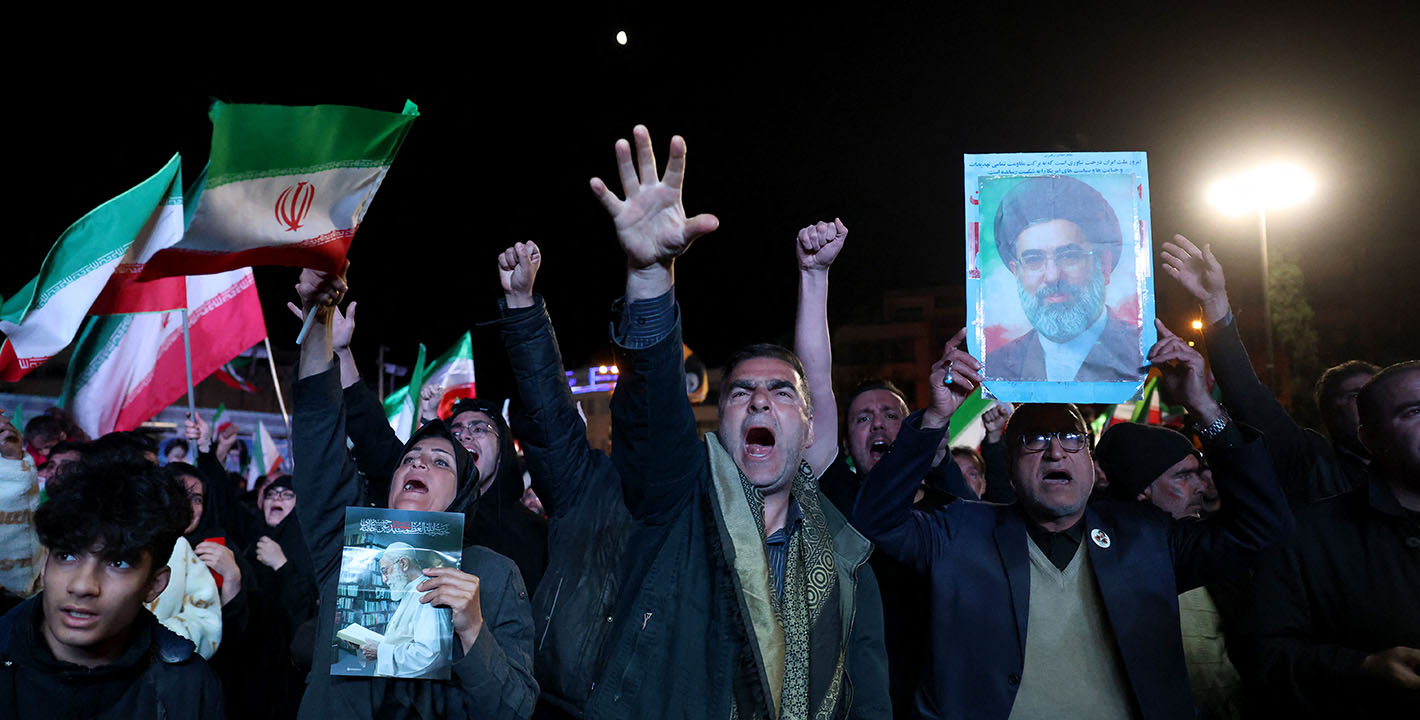
Spot analysis from Carnegie scholars on events relating to the Middle East and North Africa.
Michael Young