

Q&A
Suzanne Maloney, Aaron David Miller, Karim Sadjadpour
{
  "authors": [
    "Karim Sadjadpour"
  ],
  "type": "legacyinthemedia",
  "centerAffiliationAll": "dc",
  "centers": [
    "Carnegie Endowment for International Peace",
    "Malcolm H. Kerr Carnegie Middle East Center"
  ],
  "collections": [],
  "englishNewsletterAll": "menaTransitions",
  "nonEnglishNewsletterAll": "",
  "primaryCenter": "Carnegie Endowment for International Peace",
  "programAffiliation": "MEP",
  "programs": [
    "Middle East"
  ],
  "projects": [],
  "regions": [
    "Middle East",
    "Iran",
    "Gulf"
  ],
  "topics": [
    "Political Reform",
    "Nuclear Policy"
  ]
}
Source: Getty
The recent UN sanctions may have been diluted by the strategic interests of members of the UN Security Council, but they could have a stronger impact if they lead to more unilateral sanctions from European countries.
Source: The Diane Rehm Show

The recent UN sanctions are, Sadjadpour contended, “a starting point, not a finishing line.” In other words, he explained, UN sanctions are generally passed on a lowest common denominator formula because of the strategic interests of states like Russia and China. However, the hope is that these new sanctions will lead to more unilateral sanctions from European countries. “The question is, will these sanctions change the calculations of the regime in regards to their nuclear program,” said Sadjadpour, “and the past thirty years shows the regime is willing to subject its people to economic hardship rather than compromise ideologically.”
Moving forward, Sadjadpour saw three broad challenges for the Obama administration in regards to Iran:

Senior Fellow, Middle East Program
Karim Sadjadpour is a senior fellow at the Carnegie Endowment for International Peace, where he focuses on Iran and U.S. foreign policy toward the Middle East.
Recent Work


Suzanne Maloney, Aaron David Miller, Karim Sadjadpour

Aaron David Miller, Karim Sadjadpour, Robin Wright
Carnegie does not take institutional positions on public policy issues; the views represented herein are those of the author(s) and do not necessarily reflect the views of Carnegie, its staff, or its trustees.
There is a disturbing structural parallel between the old global energy economy and the new green transition.

Angie Omar
This will be the region’s most representative tournament, amid broad changes in its footballing landscape.

Issam Kayssi
In an interview, Marc Lynch discusses his new book decrying the post-1990 U.S.-dominated order in the Middle East.

Michael Young
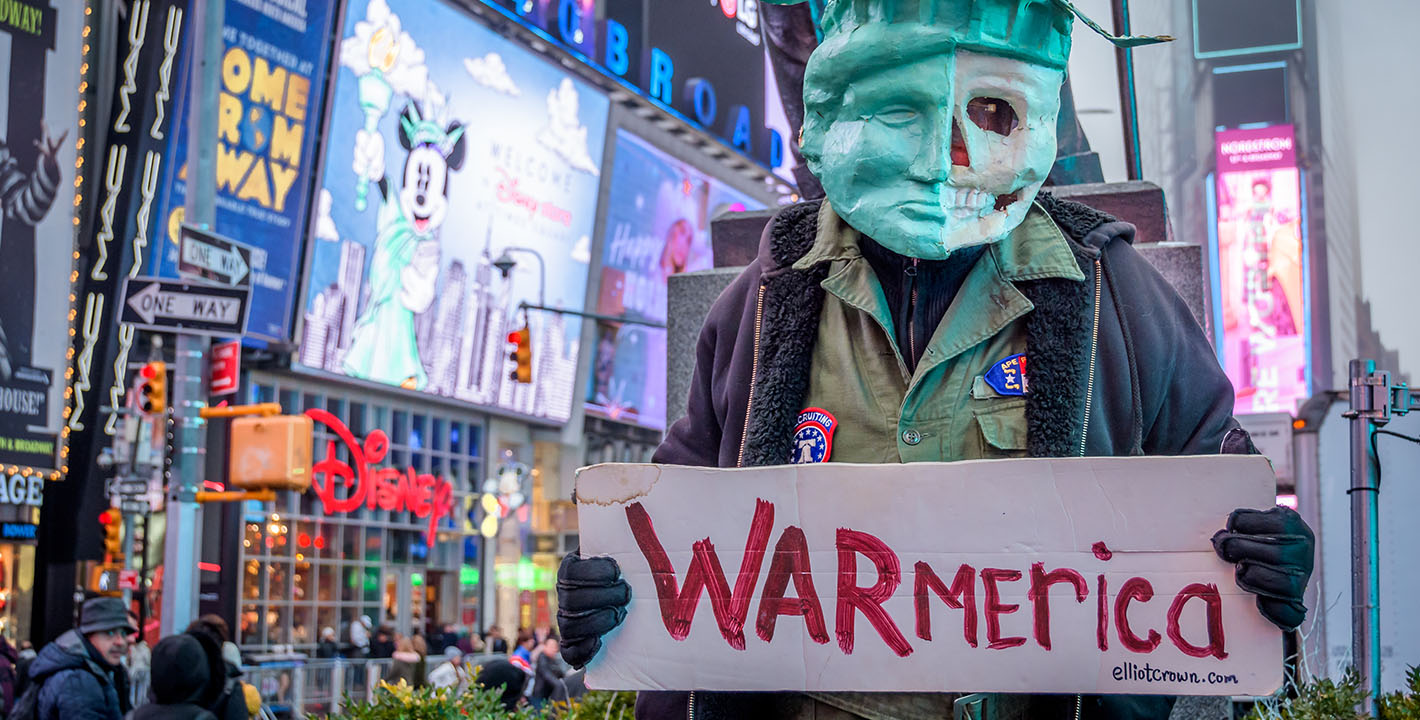
Because perpetual conflict enhances control, offers economic benefits, and allows leaders to ignore popular preferences.
Angie Omar
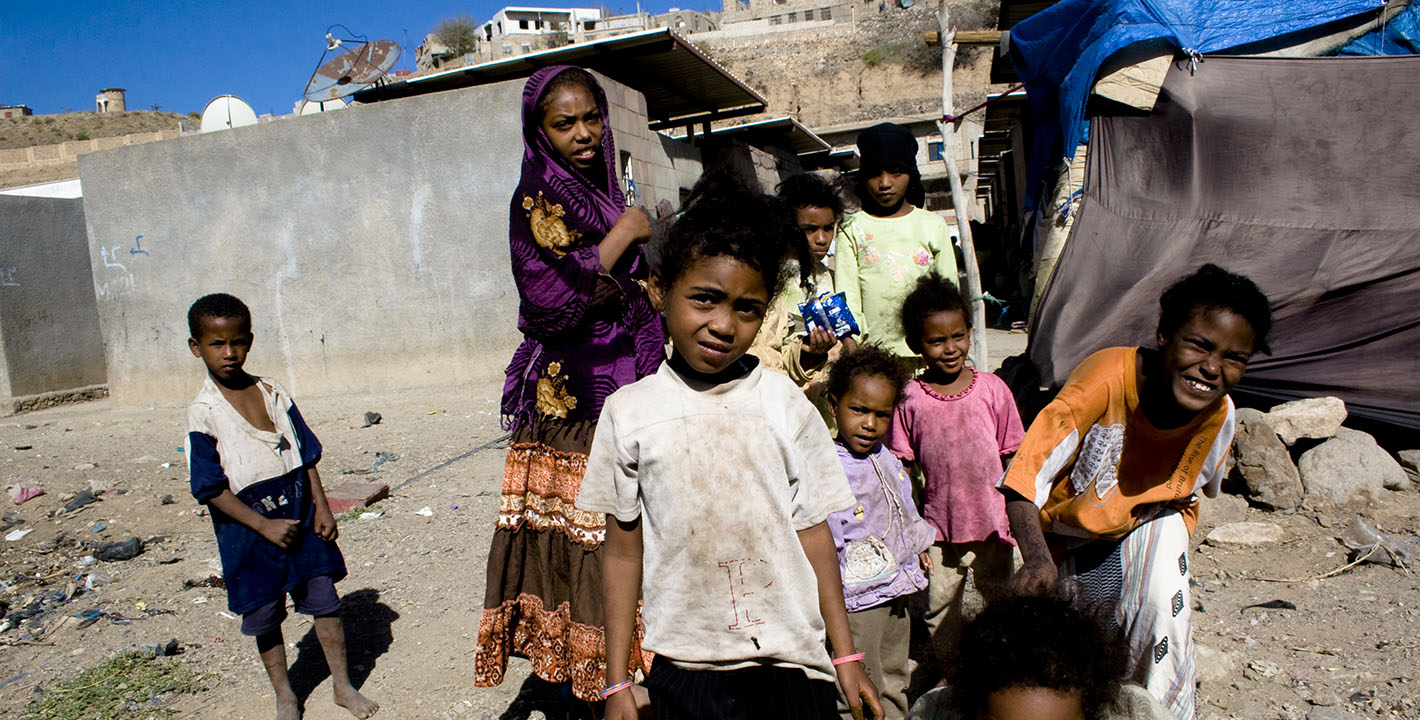
The community already suffers social discrimination, so addressing inequalities requires sustained interventions.
Musaed Aklan , Mohammad Al-Saidi