

Research
- +6
Yasmine Farouk, Nathan J. Brown, Maysaa Shuja Al-Deen, …
{
  "authors": [
    "Michele Dunne"
  ],
  "type": "legacyinthemedia",
  "centerAffiliationAll": "dc",
  "centers": [
    "Carnegie Endowment for International Peace",
    "Malcolm H. Kerr Carnegie Middle East Center"
  ],
  "collections": [],
  "englishNewsletterAll": "menaTransitions",
  "nonEnglishNewsletterAll": "",
  "primaryCenter": "Carnegie Endowment for International Peace",
  "programAffiliation": "MEP",
  "programs": [
    "Middle East"
  ],
  "projects": [],
  "regions": [
    "North America",
    "United States",
    "Middle East",
    "Palestine",
    "Levant"
  ],
  "topics": [
    "Political Reform",
    "Security",
    "Foreign Policy"
  ]
}
Source: Getty
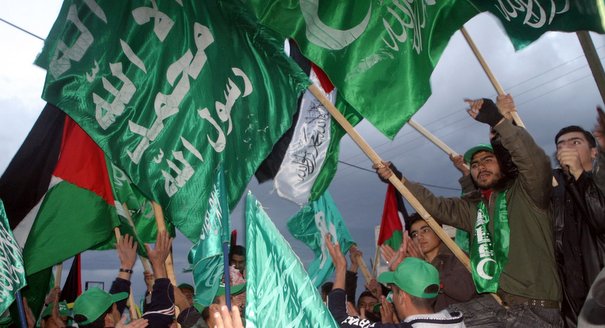
The Gaza flotilla incident highlights not only the unsustainability of the closure of Gaza, but also the unsustainability of the U.S. position discouraging reconciliation between the Palestinian factions, Fatah and Hamas.
Source: The New York Times

The United States says it favors a two-state solution to the Israeli-Palestinian conflict and institution building for a Palestinian state, but those outcomes will require unified Palestinian leadership that enjoys adequate support in both the West Bank and Gaza.
President Mahmoud Abbas cannot take risks in negotiations with Israel partly because his mandate is so slim; he exerts control over only fragments of the West Bank and none of Gaza and he is also long past the end of his electoral term.
The suspension of the elected Palestinian Legislative Council since the 2007 rift between Fatah and Hamas also makes institution building difficult. How can the Palestinian Authority undertake sustainable reforms when it cannot legislate? And meanwhile, Gaza has been drifting off in its own dangerously separate direction under Hamas leadership.
For the past 20 years, the United States has sought one short-term Israeli-Palestinian negotiating breakthrough after another — few of which have yielded real or lasting progress — while working to postpone, frustrate, or manipulate internal Palestinian politics in order to serve the negotiations.
The United States need not engage Hamas directly while the group continues to advocate armed struggle against Israel. But it is time for the United States to tolerate the internal Palestinian political competition and bargaining that will be necessary to reunite the West Bank and Gaza and to support real institution building for a future state.
The United States should stop impeding reconciliation efforts such as those recently exerted by Egypt, cease providing excuses to the Ramallah leadership for avoiding compromise, and signal its willingness to tolerate a modus vivendi between Fatah and Hamas as well as Palestinian elections.
The Obama administration should look for ways to continue cooperation with and assistance to a Palestinian Authority that includes Hamas, as long as that Authority is willing to prevent terrorism and allow the P.L.O. to negotiate with Israel.

Former Nonresident Scholar, Middle East Program
Michele Dunne was a nonresident scholar in Carnegie’s Middle East Program, where her research focuses on political and economic change in Arab countries, particularly Egypt, as well as U.S. policy in the Middle East.
Recent Work



Yasmine Farouk, Nathan J. Brown, Maysaa Shuja Al-Deen, …
Robert Springborg, Emile Hokayem, Becca Wasser, …
Carnegie does not take institutional positions on public policy issues; the views represented herein are those of the author(s) and do not necessarily reflect the views of Carnegie, its staff, or its trustees.
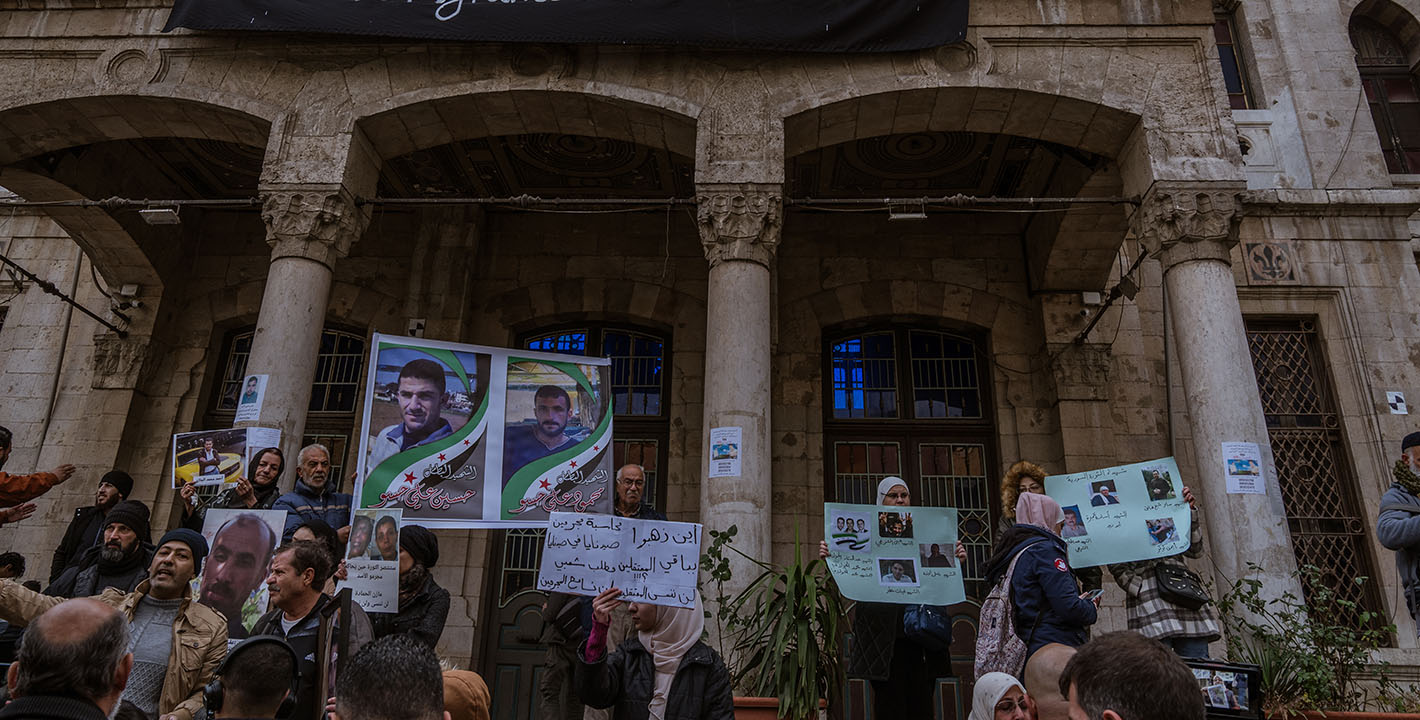
Reconciliation councils are emerging throughout the country to mediate in intracommunal disputes, many from the war years.
Natacha Danon

In an interview, Rozina Ali discusses her new book on the rise and manifestations of Islamophobia in the United States.

Michael Young
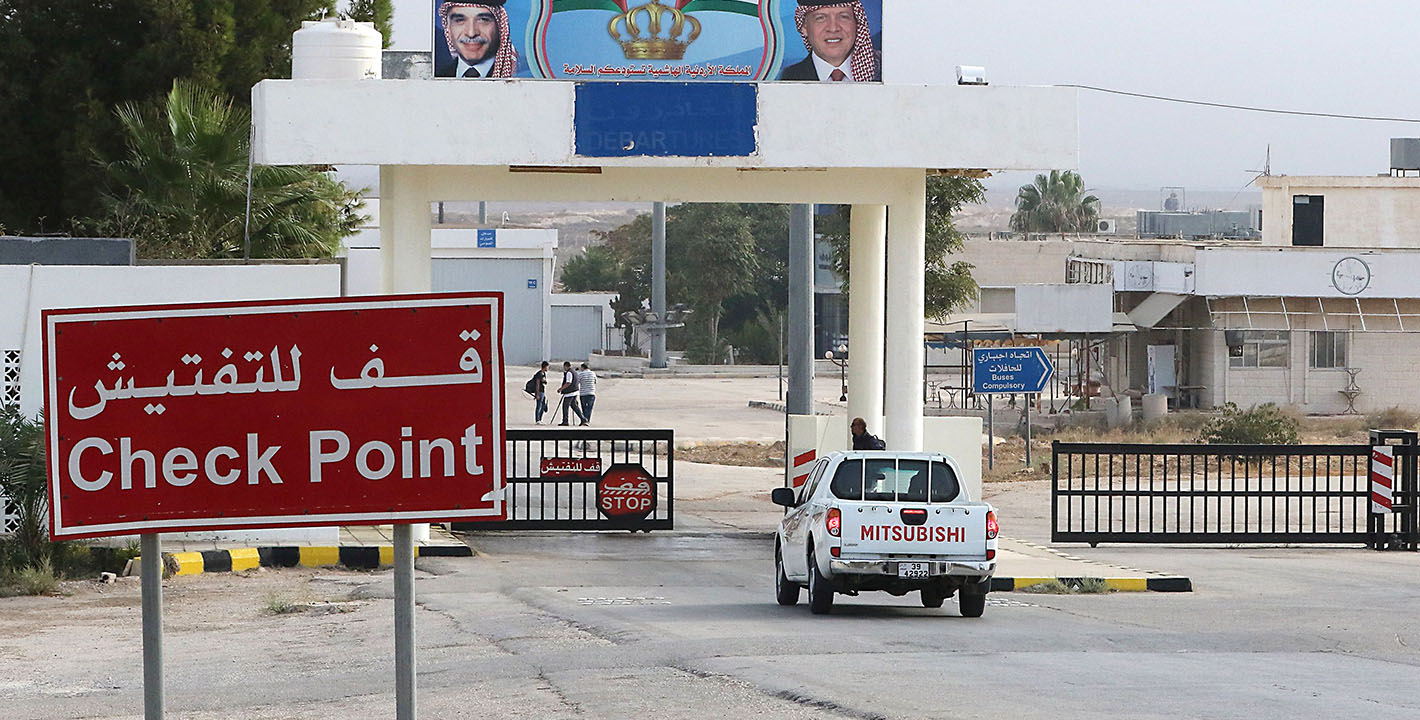
The civil war in Syria may have ended, but the country continues to serve as a source for the trafficking of illegal substances into and via Jordanian territory.


Armenak Tokmajyan, Laith Qerbaa
As the U.S.-led Coalition withdraws, the Kurds’ reliance on Baghdad, and on themselves, will only increase.
Wladimir van Wilgenburg

In an interview, Ian Lustick and Eli Clifton discuss their new book on why a prominent ally has so much influence in America.
Michael Young