

Commentary
By failing to address Palestinian representation, the current process is bound to lead to just another temporary arrangement.
Nathan J. Brown
{
  "authors": [],
  "type": "pressRelease",
  "centerAffiliationAll": "dc",
  "centers": [
    "Carnegie Endowment for International Peace",
    "Carnegie Europe"
  ],
  "collections": [],
  "englishNewsletterAll": "menaTransitions",
  "nonEnglishNewsletterAll": "",
  "primaryCenter": "Carnegie Endowment for International Peace",
  "programAffiliation": "MEP",
  "programs": [
    "Middle East"
  ],
  "projects": [],
  "regions": [
    "United States",
    "Middle East",
    "Israel",
    "Palestine",
    "North America"
  ],
  "topics": [
    "Foreign Policy"
  ]
}
REQUIRED IMAGE
It is clear that a two-state solution requires reconciliation between Palestinian factions and reunification of the West Bank and Gaza. The United States should support Palestinian institution building and be open to political competition, including elections.
WASHINGTON, June 7—The Israeli raid on the flotilla of humanitarian aid headed for Gaza dealt a blow to chances for a breakthrough in the peace process. As the U.S. administration struggles to keep indirect talks alive, Michele Dunne prescribes a different approach. It is clear that a two-state solution requires reconciliation between Palestinian factions and reunification of the West Bank and Gaza. Dunne recommends that the United States should support Palestinian institution building and be open to political competition, including elections.
Recommendations for the United States
“By allowing political competition in the Palestinian territories, the United States can help lay the groundwork necessary for a lasting peace settlement,” writes Dunne. “And Israel can have faith that a Palestinian negotiating partner possesses enough popular support to make agreements and uphold them.”
###
NOTES
Carnegie does not take institutional positions on public policy issues; the views represented herein are those of the author(s) and do not necessarily reflect the views of Carnegie, its staff, or its trustees.

By failing to address Palestinian representation, the current process is bound to lead to just another temporary arrangement.

Nathan J. Brown

Morocco and Algeria, each in its own way, are having to navigate the global economic fallout of the U.S.-Israeli military campaign against Iran.

Yasmine Zarhloule

There is a disturbing structural parallel between the old global energy economy and the new green transition.

Angie Omar
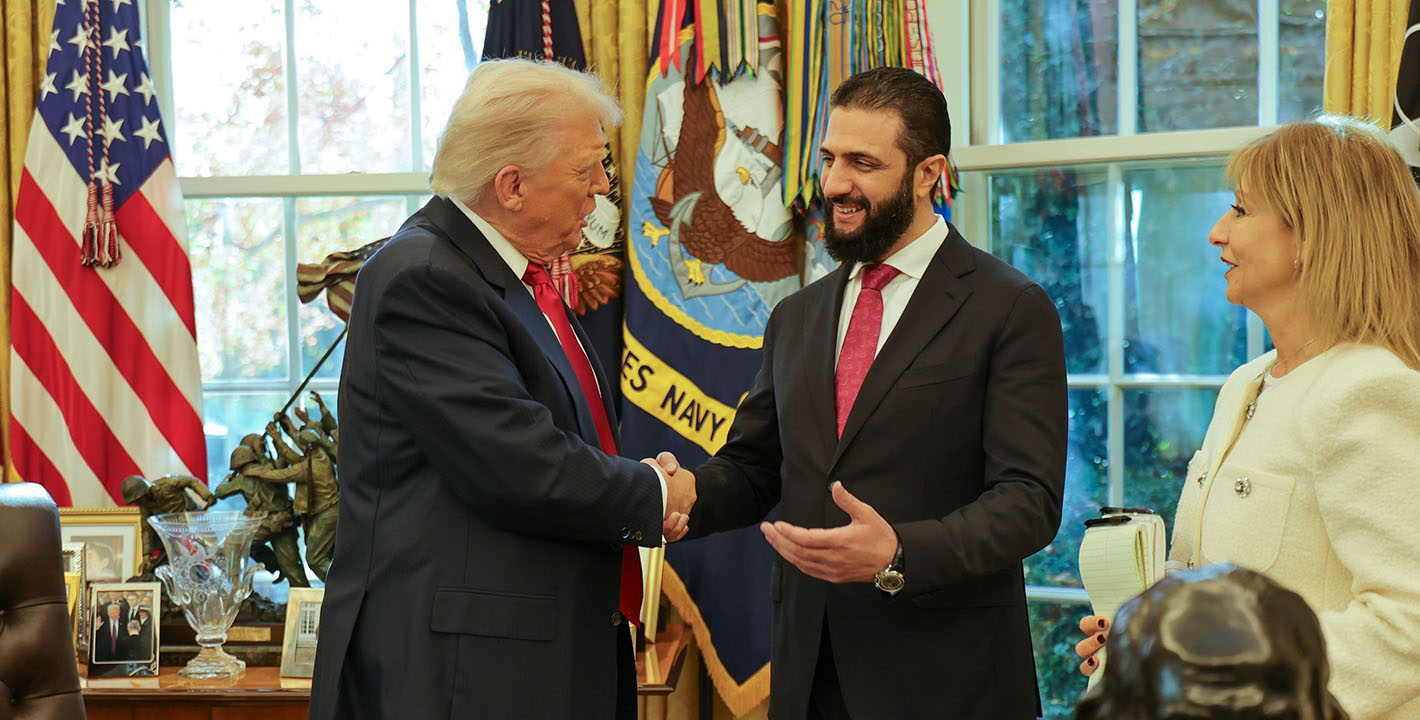
Any move by the United States to make good on Trump’s suggestion that Washington persuade Damascus to confront Hezbollah militarily would have catastrophic consequences.

Kheder Khaddour
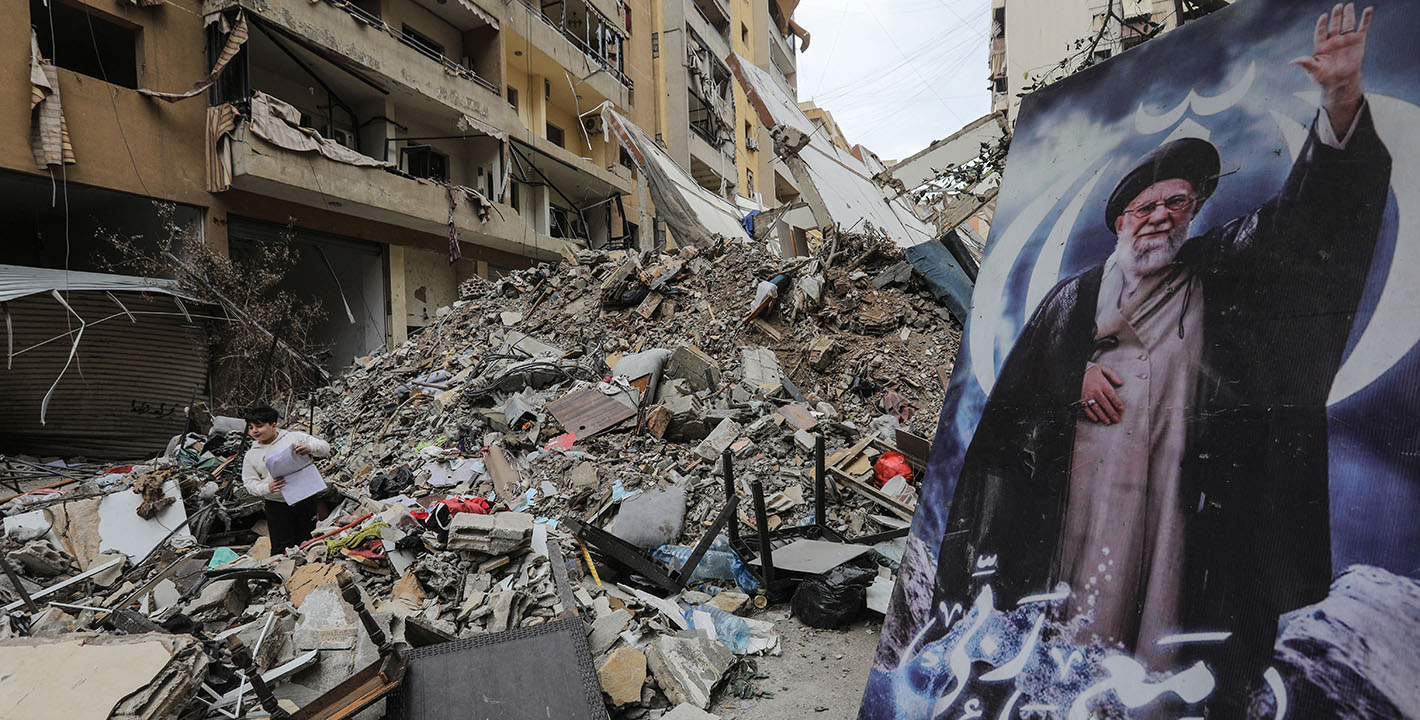
As talks begin between Washington and Tehran, Beirut has an opening to advance a regional plan for the party’s disarmament.

Michael Young