

Article
Frederic Grare
{
  "authors": [
    "Frederic Grare"
  ],
  "type": "other",
  "centerAffiliationAll": "dc",
  "centers": [
    "Carnegie Endowment for International Peace",
    "Carnegie Europe"
  ],
  "collections": [],
  "englishNewsletterAll": "ctw",
  "nonEnglishNewsletterAll": "",
  "primaryCenter": "Carnegie Endowment for International Peace",
  "programAffiliation": "SAP",
  "programs": [
    "South Asia"
  ],
  "projects": [],
  "regions": [
    "North America",
    "United States",
    "South Asia",
    "Pakistan",
    "Asia"
  ],
  "topics": [
    "Political Reform",
    "Security",
    "Military",
    "Foreign Policy"
  ]
}
Source: Getty
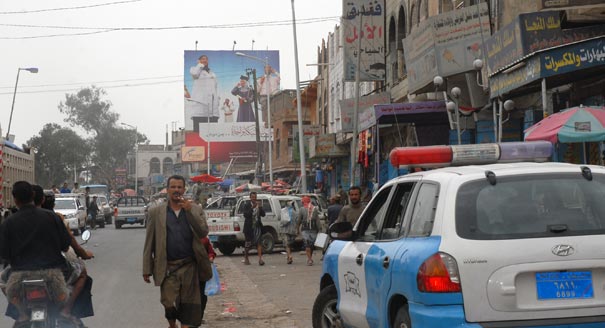
Pakistan’s police force has historically been constrained by the military and intelligence agencies and often politicized as an instrument of repression. Reforming civilian security forces will diminish Islamabad’s dependence on the military and increase the legitimacy of the regime.
Pakistan’s police force has historically been constrained by the military and intelligence agencies and often politicized as an instrument of repression against opposition groups. Frédéric Grare writes that reforming civilian security forces will diminish Islamabad’s dependence on the military and increase the legitimacy of the regime.
“Police reform should not be allowed to serve as an alibi for the Pakistani intelligence agencies’ selective fight against terrorism,” writes Grare. “Only under these conditions will the Pakistani police become an effective instrument for fighting terrorism and a contributor to security and stability in Pakistan and beyond.”
Former Nonresident Senior Fellow, South Asia Program
Frédéric Grare was a nonresident senior fellow at the Carnegie Endowment for International Peace, where his research focuses on Indo-Pacific dynamics, the search for a security architecture, and South Asia Security issues.
Recent Work
Frederic Grare
Frederic Grare
Carnegie does not take institutional positions on public policy issues; the views represented herein are those of the author(s) and do not necessarily reflect the views of Carnegie, its staff, or its trustees.
Spot analysis from Carnegie scholars on events relating to the Middle East and North Africa.

Michael Young
In an interview, Hamidreza Azizi discusses how Tehran has adapted in real time to the conflict with the United States and Israel.
Michael Young
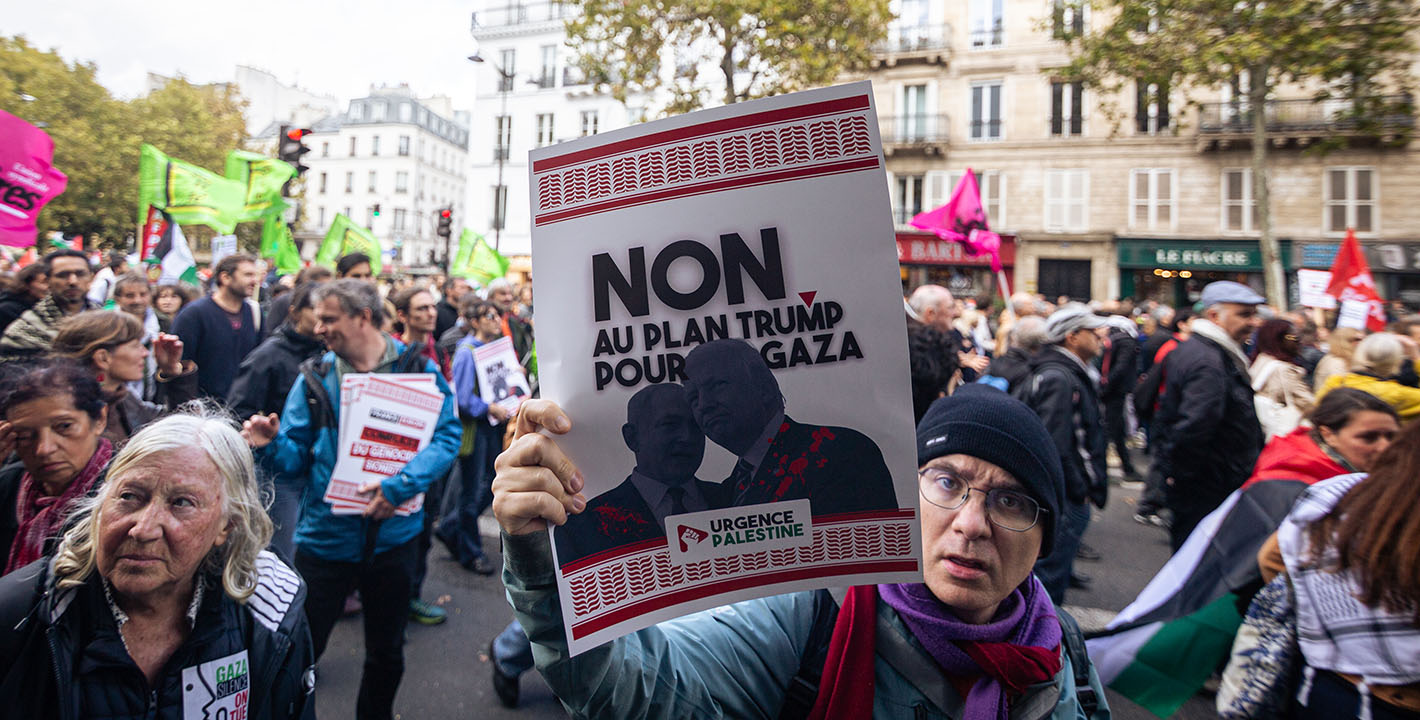
The simple conclusion is that the scheme will bring neither peace nor prosperity, but will institutionalize devastation.

Nathan J. Brown
In an interview, Roger Diwan discusses where the global economy may be going in the third week of the U.S.-Israeli war with Iran.

Nur Arafeh
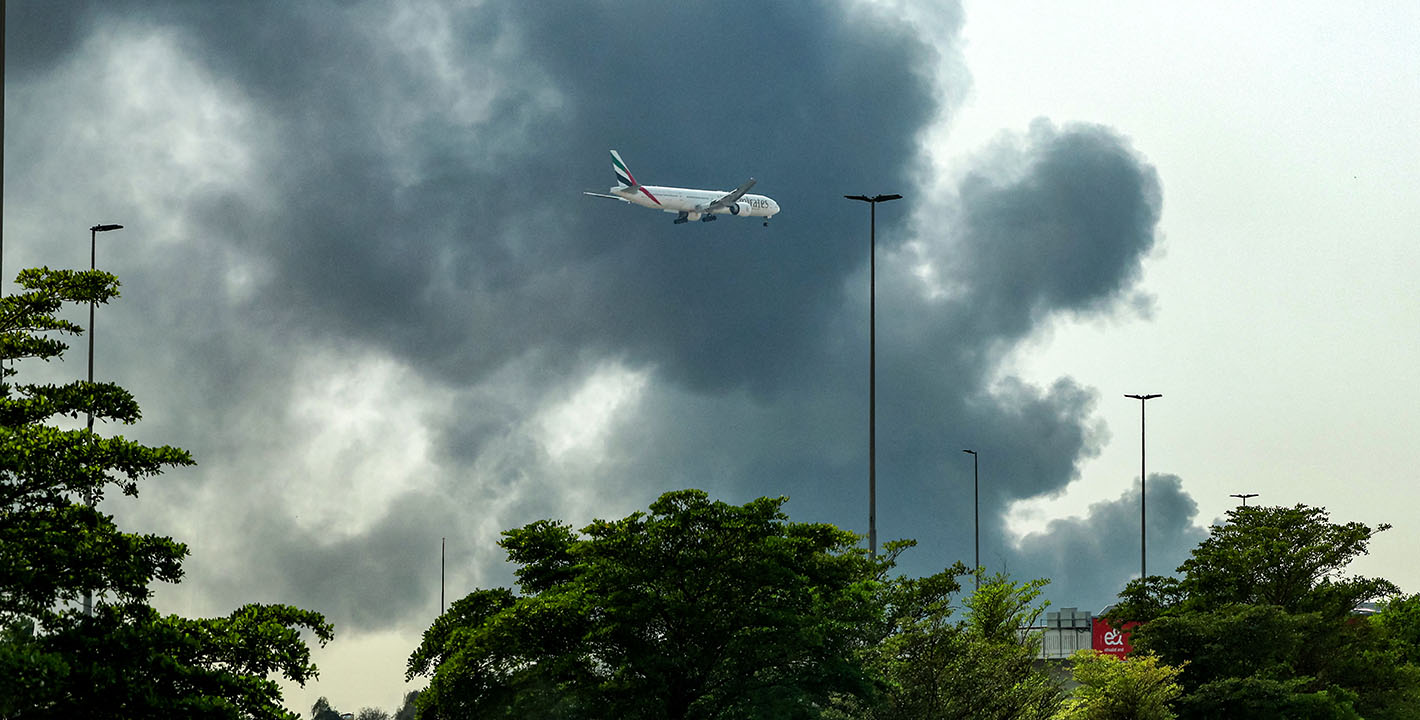
In an interview, Andrew Leber discusses the impact the U.S. and Israeli war against Iran is having on Arab Gulf states.
Michael Young