

Commentary
Nikolay Petrov
{
  "authors": [
    "Nikolay Petrov"
  ],
  "type": "legacyinthemedia",
  "centerAffiliationAll": "",
  "centers": [
    "Carnegie Endowment for International Peace",
    "Carnegie Russia Eurasia Center"
  ],
  "collections": [],
  "englishNewsletterAll": "",
  "nonEnglishNewsletterAll": "",
  "primaryCenter": "Carnegie Russia Eurasia Center",
  "programAffiliation": "",
  "programs": [],
  "projects": [],
  "regions": [],
  "topics": []
}
Source: Getty
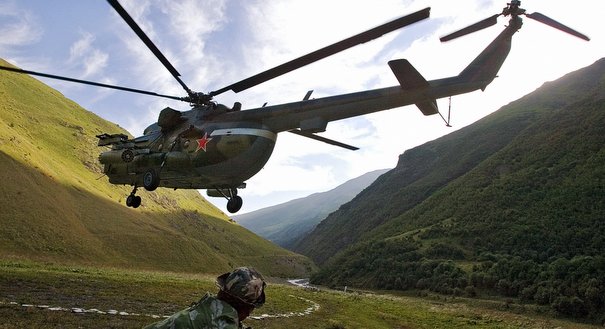
The North Caucasus remains one of the toughest challenges facing Russia today and the problems that have accumulated there over the past decades require an equally long and serious strategic approach to resolve.
Source: The Moscow Times

The format of the conference — “The Social and Economic Development Strategy of the North Caucasus Through 2020” — looked very much like another Putin presidential campaign stop. There was no serious analysis of the severe economic and social problems in the North Caucasus. Instead, Putin’s overly optimistic statements on the region’s brilliant prospects, its 10 percent annual growth in gross domestic product and the creation of 400,000 new jobs clearly contradicted his earlier statement that the roughly 800 million rubles ($26 million) of federal budgetary funds invested over 10 years did not create any major changes in the region.
While there was a dearth of strategy in Putin’s speech, there was an abundance of empty, high-sounding phrases and wishful thinking about the “bright future” for the region. Putin also promised funding for major projects, including ski tourism facilities between the Black and Caspian seas, rebuilding all key airports in the region, constructing new roads, transforming Makhachkala into a leading Russian seaport, building four hydroelectric power stations, creating a federal university and building a new oil refinery in Chechnya at a cost of 17 billion rubles ($550 million) as Chechen President Ramzan Kadyrov has been trying to do for a long time. The refinery can be viewed as Putin’s gratitude for Kadyrov’s outstanding work in “establishing order” in Chechnya and in the North Caucasus as a whole.
The mechanisms for developing the North Caucasus include direct budgetary infusions, as well as funding from state corporations such as Gazprom, Rosneft, Transneft and Russian Railways. In addition, the Finance Ministry is offering state guarantees on loans for financing projects in the North Caucasus Federal District.
The North Caucasus has been and remains one of the toughest challenges facing Russia today. The problems there have accumulated for decades and require an equally long and serious strategic approach to resolve. Unfortunately, it is precisely this strategic approach that has been lacking over the past two decades. Instead, the federal authorities have floundered from one crisis to another crisis, sweeping systemic problems under the carpet where they fester and get worse.
In the run-up to the 2004 presidential election, Putin tried to show that the war, terrorism and corruption had decreased in the North Caucasus. Now, in the run-up to the 2014 Olympic Games in Sochi, Putin will try to convince the world of Russia’s blazing success under his leadership. Putin is making great efforts to ensure that this PR show is a big success.
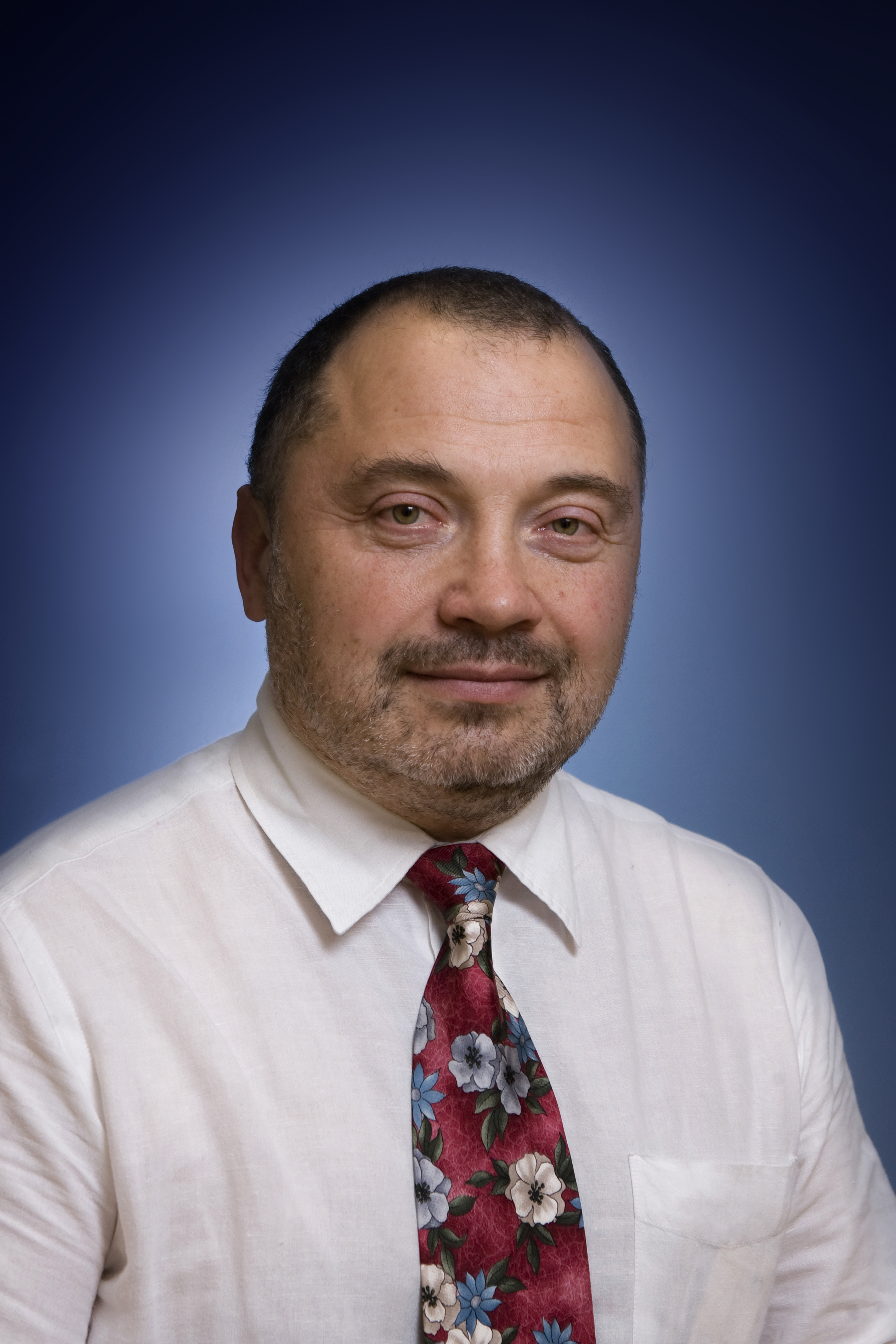
Former Scholar-in-Residence, Society and Regions Program, Moscow Center
Nikolay Petrov was the chair of the Carnegie Moscow Center’s Society and Regions Program. Until 2006, he also worked at the Institute of Geography at the Russian Academy of Sciences, where he started to work in 1982.
Recent Work
Nikolay Petrov
Nikolay Petrov
Carnegie does not take institutional positions on public policy issues; the views represented herein are those of the author(s) and do not necessarily reflect the views of Carnegie, its staff, or its trustees.