• Research
  • Diwan
  • About
  • Experts
Carnegie Middle East logoCarnegie lettermark logo
LebanonIran
{
  "authors": [
    "Michele Dunne"
  ],
  "type": "legacyinthemedia",
  "centerAffiliationAll": "dc",
  "centers": [
    "Carnegie Endowment for International Peace",
    "Malcolm H. Kerr Carnegie Middle East Center"
  ],
  "collections": [],
  "englishNewsletterAll": "menaTransitions",
  "nonEnglishNewsletterAll": "",
  "primaryCenter": "Carnegie Endowment for International Peace",
  "programAffiliation": "MEP",
  "programs": [
    "Middle East"
  ],
  "projects": [],
  "regions": [
    "North Africa",
    "Egypt"
  ],
  "topics": [
    "Political Reform"
  ]
}

Source: Getty

In The Media

U.S. Senate Resolution Urges Political Change in Egypt

A recent U.S. Senate resolution that addresses human rights and civil liberties in Egypt is meant to pressure the regime ahead of upcoming elections, but it is symbolic and not binding.

Link Copied
By Michele Dunne
Published on Jul 29, 2010

Source: VOA News


The U.S. Senate is considering a new resolution that addresses human rights and civil liberties in Egypt.  Senate Resolution 586 was introduced last week by Democratic Senator Russell Feingold and Republican Senator John McCain.  It calls on the government of Hosni Mubarak to repeal the state of emergency and to take steps to ensure free and fair parliamentary and presidential elections.

It also calls on the White House to stress democratic reform in its dealings with Egypt and to support Egyptian human rights and reform groups.
 
Dr. Michele Dunne is a senior associate at the Washington-based Carnegie Endowment for International Peace and editor of the online journal, the Arab Reform Bulletin.  She told us the resolution is symbolic and not binding.
 
Dunne:  "The timing of the resolution is related to the upcoming elections in Egypt.  Egypt is going to have important elections for the lower house of Parliament in November and a Presidential election next year.
 
I think there is a sense in the Congress that the United States has to pay more attention to this.
 
The Obama administration wanted to kind of reset the relationship with Egypt and improve relations with the government, which it did—and yet somehow, concerns about human rights and democracy kind of got lost, for awhile, at least.
 
Now, I think, there are a number of things that have been happening in Egypt.  There are the upcoming elections.   The government recently renewed this state of emergency under which the country has been living for more than thirty years.  And there is also this human rights case recently, where a young man was beaten to death by the police.  There’s a lot going on in Egypt, and I think we see now the Hill—and also the Administration starting to take more of an interest."
 
Hilleary:  What good can a Senate resolution do?  What kind of a signal does it send and where does it go from here?
 
Dunne:  "Right.  I mean, this resolution is really just an expression of interest on the part of the Senate in conditions in Egypt.
 
It shows that members of the Senate are aware of what’s going on in Egypt and consider that human rights and democracy have to be part of the U.S. relationship and dialogue with Egypt.  And it urges the Egyptian government to take certain steps.  And it also urges the administration—the president and the secretary of state—to sort of put these issues a little higher on the U.S. agenda with Egypt.
 
But there’s nothing binding about it.  There are no punishments or threats or anything like that in the Resolution."
 
Hilleary:  What has been the reception in Egypt?
 
Dunne:  "It has appeared in the Egyptian press over the last couple of days.  There have been some articles about it.  So far, it’s pretty much sort of straight-forward reporting of this Senate Resolution, and I think we’ll see the reaction if the Resolution passes."

About the Author

Michele Dunne

Former Nonresident Scholar, Middle East Program

Michele Dunne was a nonresident scholar in Carnegie’s Middle East Program, where her research focuses on political and economic change in Arab countries, particularly Egypt, as well as U.S. policy in the Middle East.

    Recent Work

  • Research
    Islamic Institutions in Arab States: Mapping the Dynamics of Control, Co-option, and Contention
      • +6

      Yasmine Farouk, Nathan J. Brown, Maysaa Shuja Al-Deen, …
  • Research
    From Hardware to Holism: Rebalancing America’s Security Engagement With Arab States
      • +8

      Robert Springborg, Emile Hokayem, Becca Wasser, …

Michele Dunne
Former Nonresident Scholar, Middle East Program
Michele Dunne
Political ReformNorth AfricaEgypt

Carnegie does not take institutional positions on public policy issues; the views represented herein are those of the author(s) and do not necessarily reflect the views of Carnegie, its staff, or its trustees.

More Work from Malcolm H. Kerr Carnegie Middle East Center

  • Commentary
    Diwan
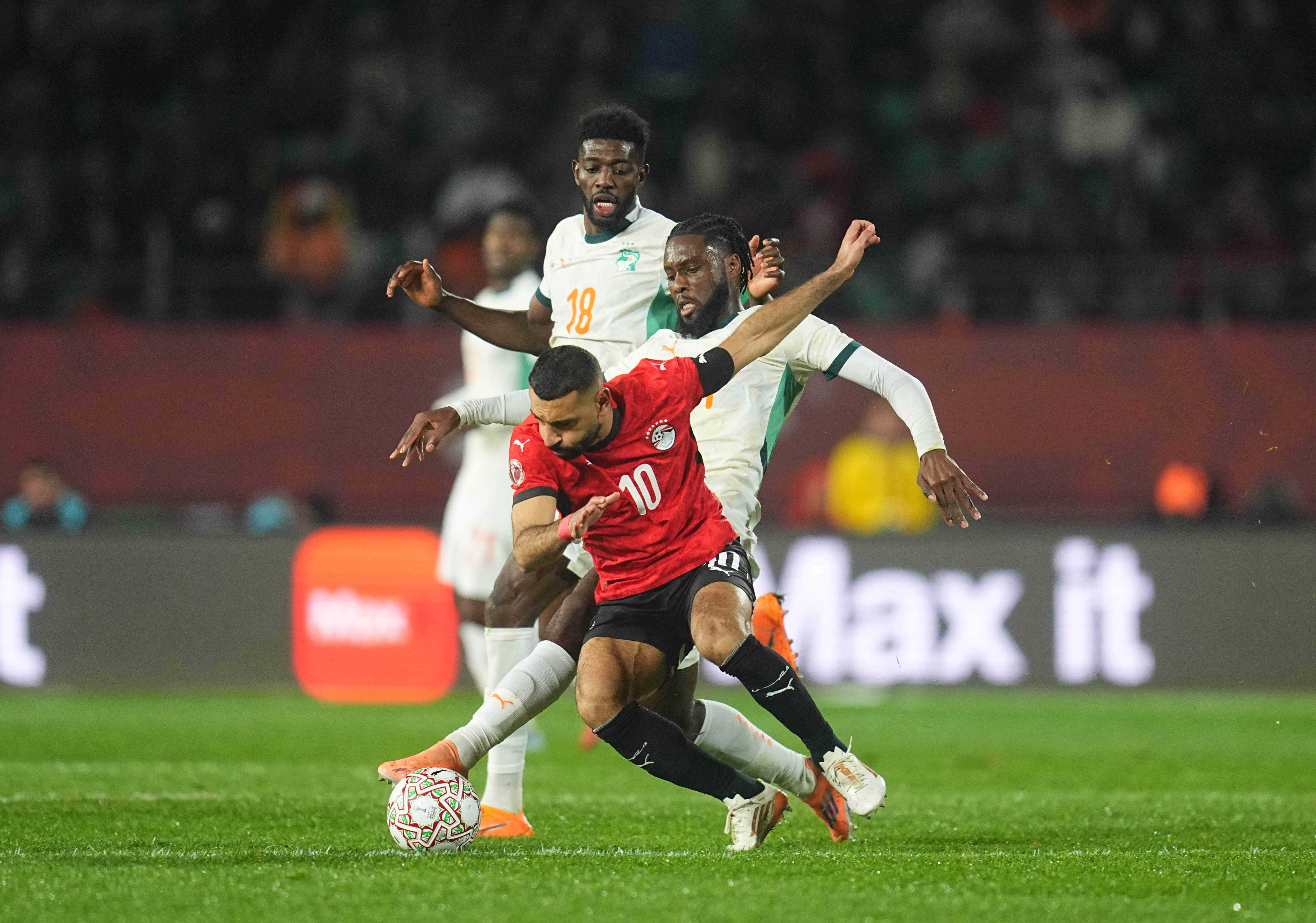
    When Football Is More Than Football

    The recent African Cup of Nations tournament in Morocco touched on issues that largely transcended the sport.

      Issam Kayssi, Yasmine Zarhloule

  • Article
    Rethinking Power-Sharing Agreements in Libya

    The UN Support Mission in the country should reassess its approach so that consensus between the warring parties becomes the eventual goal, rather than a procedural matter that dogs the negotiating process at every turn.

      Soraya Rahem

  • Commentary
    Diwan
    Has Sisi Found a Competent Military Entrepreneur?

    Mustaqbal Misr has expanded its portfolio with remarkable speed, but a lack of transparency remains.

      Yezid Sayigh

  • Commentary
    Diwan
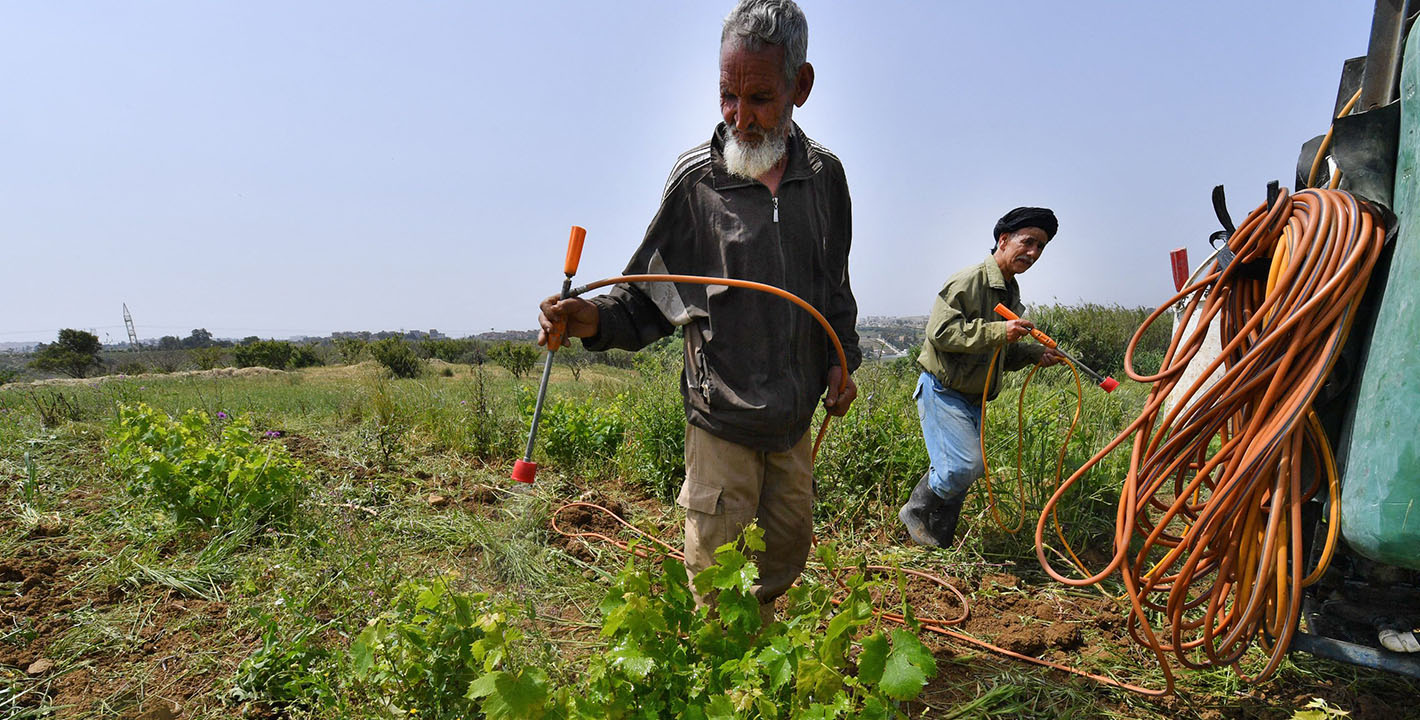
    Women, Water, and Adaptation in Ait Khabbash

    The burden of environmental degradation is felt not only through physical labor but also emotional and social loss.

      Yasmine Zarhloule, Ella Williams

  • Article
    Between Marginalization and Climate Change: The Resilience of Morocco’s Ait Khabbash

    For the traditionally nomadic Amazigh pastoralists in the Draa-Tafilalet region, environmental change has exacerbated long-standing inequities, forcing the community to adapt, which has laid bare the blind spots of state-centered climate policy frameworks.

      Yasmine Zarhloule, Ella Williams

Get more news and analysis from
Malcolm H. Kerr Carnegie Middle East Center
Carnegie Middle East logo, white
  • Research
  • Diwan
  • About
  • Experts
  • Projects
  • Events
  • Contact
  • Careers
  • Privacy
  • For Media
Get more news and analysis from
Malcolm H. Kerr Carnegie Middle East Center
© 2026 Carnegie Endowment for International Peace. All rights reserved.