

In The Media
Minxin Pei
{
  "authors": [
    "Minxin Pei"
  ],
  "type": "legacyinthemedia",
  "centerAffiliationAll": "dc",
  "centers": [
    "Carnegie Endowment for International Peace"
  ],
  "collections": [],
  "englishNewsletterAll": "asia",
  "nonEnglishNewsletterAll": "",
  "primaryCenter": "Carnegie Endowment for International Peace",
  "programAffiliation": "AP",
  "programs": [
    "Asia"
  ],
  "projects": [],
  "regions": [
    "East Asia",
    "China",
    "Japan"
  ],
  "topics": [
    "Political Reform"
  ]
}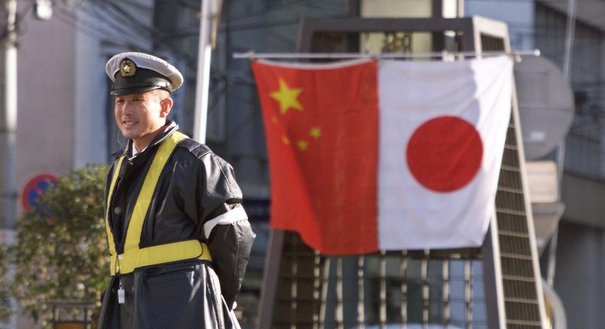
Source: Getty
China’s relationship with its neighbors has been damaged by Beijing’s response to the detainment of the captain of a Chinese fishing boat that collided with Japanese coast guard vessels.
Source: The Diplomat

Instead of demonstrating its restraint and patience, the Chinese government needlessly escalated tensions. Even though it succeeded in forcing Tokyo to back down and release the detained captain, China gravely damaged its ties with Japan and sullied its image as a responsible great power.
To be sure, Japan wasn’t blameless (despite the portrayal of Japan as a victim in this diplomatic brawl by a sympathetic Western media). Indeed, Tokyo’s decision to detain and charge the captain was ill-considered and set off the confrontation with Beijing in the first place. Considering the hyper-sensitivity routinely displayed by Beijing on issues of sovereignty and territorial disputes, Japan’s best course of action after its patrol boats intercepted the Chinese trawler would have been quick expulsion—of everybody. (Although that said, in light of their penchant for blunders of all kinds, Japanese leaders perhaps deserve some slack).
However, Beijing’s reaction to Tokyo’s misstep was totally disproportionate: it cut off official exchanges at the ministerial level, disinvited Japanese young people to the Shanghai Expo and imposed an effective ban on the shipments of critical rare earth materials to Japan. The Chinese Premier also directly called on Japan to release the captain ‘immediately’ and refused to meet Japanese Prime Minister Naoto Kan at the United Nations in New York. Thus, instead of pursuing a quiet diplomatic route to seek the release of the captain, the Chinese government raised the stakes to a level that ensured an outcome that would make Japan lose face and Beijing look like a bully.
With the world anxiously watching what kind of great power China is going to be, Beijing needs to reflect on its own mistakes and learn valuable lessons that could help it reassure its jittery neighbors and avoid making similar costly mistakes in the future.

Former Adjunct Senior Associate, Asia Program
Pei is Tom and Margot Pritzker ‘72 Professor of Government and the director of the Keck Center for International and Strategic Studies at Claremont McKenna College.
Recent Work
Minxin Pei
Minxin Pei
Carnegie does not take institutional positions on public policy issues; the views represented herein are those of the author(s) and do not necessarily reflect the views of Carnegie, its staff, or its trustees.

China has aligned its cooperation model with Saudi Arabia’s own priorities, most notably since the kingdom unveiled its Vision 2030. Although China announced the Belt and Road Initiative in 2013, the big push in relations happened only after the ascendance of King Salman to the throne in 2015 and Riyadh’s push for Beijing to meet Saudi needs.

Hesham Alghannam
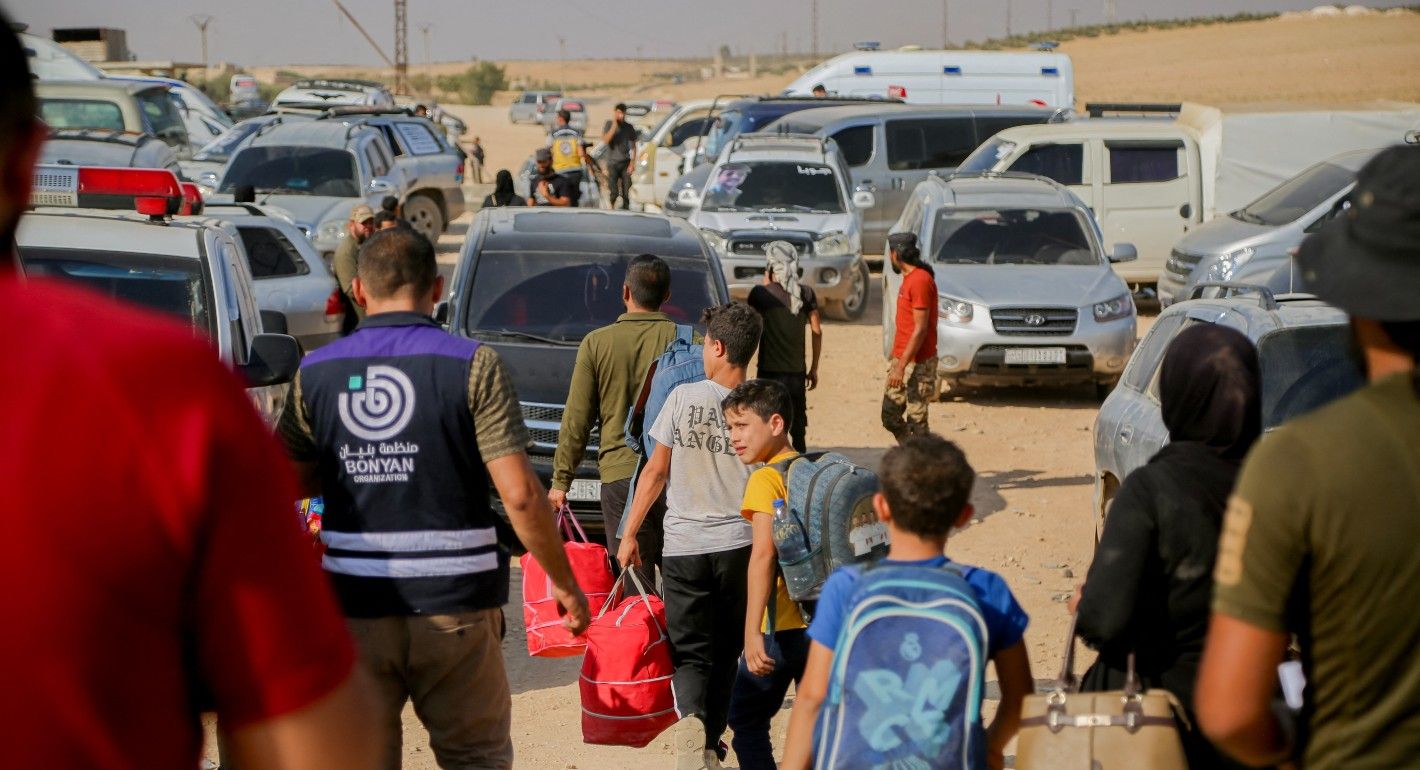
A humanitarian crisis in Lebanon deepens, and Syrian refugees face a perilous choice: remain in a war-torn environment or return to Syria where they risk encountering significant dangers and discrimination. There are significant challenges and risks to their search for safety in Syria.
Haid Haid
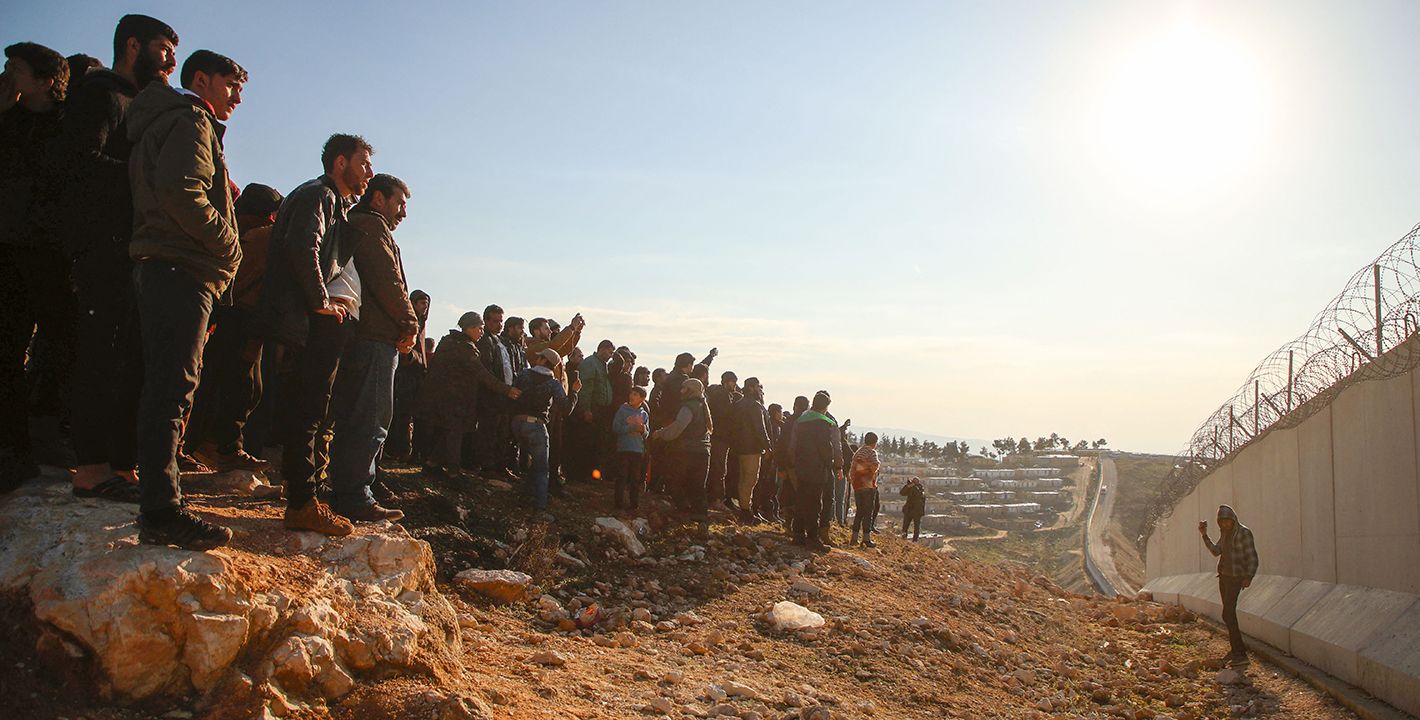
In Syria’s border regions, changes in demographics, economics, and security mean that an inter-Syrian peace process will require consensus among main regional powers that Syria must remain united, that no one side can be victorious, and that perennial instability threatens the region.


Kheder Khaddour, Armenak Tokmajyan

For many in the society, the post-Ben Ali years were mainly about successive economic crises and political instability.
Jasmine Khelil

The Gulf Cooperation Council has shifted its energy export focus to Asia, particularly India and China. This is part of a broader shift as GCC members look to expand their geopolitical alliances away from the West.

Alexandre Kateb