

In The Media
David Rothkopf
{
  "authors": [
    "David Rothkopf"
  ],
  "type": "legacyinthemedia",
  "centerAffiliationAll": "",
  "centers": [
    "Carnegie Endowment for International Peace"
  ],
  "collections": [],
  "englishNewsletterAll": "",
  "nonEnglishNewsletterAll": "",
  "primaryCenter": "Carnegie Endowment for International Peace",
  "programAffiliation": "",
  "programs": [],
  "projects": [],
  "regions": [
    "North America",
    "United States"
  ],
  "topics": [
    "Foreign Policy"
  ]
}
Source: Getty
As the world becoming increasingly multipolar and alternative centers of global power are arise, international institutions and rules will have to change to reflect the new global reality.
Source: World Affairs Council

Rothkopf noted that the world is rapidly becoming a multipolar system, with the center of intellectual and economic gravity shifting from the Atlantic to the Pacific. International institutions and rules in this new system have become either dysfunctional or ineffective, he said. Changes in how the global system is governed are already underway, such as in the shift in power from the G-7 to the G-20 and the rise of alternative centers of geopolitical gravity in Asia.
The panel examined other potential changes in the balance of global and their ramifications for U.S. foreign policy. Rothkopf argued that the world is in a period of substantial change, where old formulas and approaches may no longer apply. The United States will need to improve its diplomatic capabilities to contend with these new realities.
Former Visiting Scholar
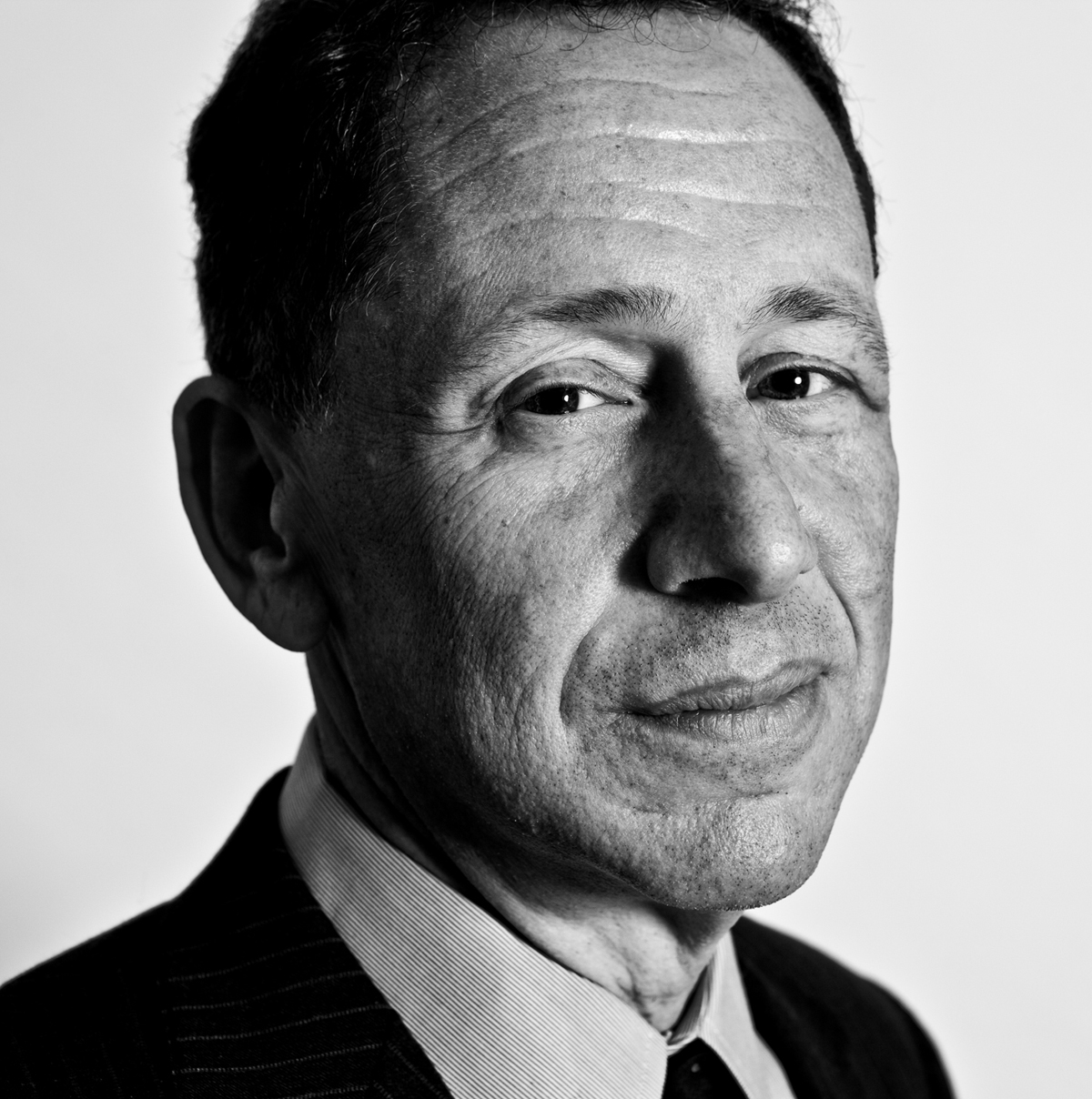
David Rothkopf was a visiting scholar at the Carnegie Endowment as well as the former CEO and editor in chief of the FP Group.
Recent Work
David Rothkopf
David Rothkopf
Carnegie does not take institutional positions on public policy issues; the views represented herein are those of the author(s) and do not necessarily reflect the views of Carnegie, its staff, or its trustees.

Middle Eastern states should welcome an accelerated U.S. disengagement from their region.

Michael Young

In an interview, former ambassador Charles Freeman assesses the Trump administration’s war against Iran.
Michael Young

By failing to address Palestinian representation, the current process is bound to lead to just another temporary arrangement.

Nathan J. Brown

Morocco and Algeria, each in its own way, are having to navigate the global economic fallout of the U.S.-Israeli military campaign against Iran.

Yasmine Zarhloule
Any move by the United States to make good on Trump’s suggestion that Washington persuade Damascus to confront Hezbollah militarily would have catastrophic consequences.

Kheder Khaddour