

Commentary
Uri Dadush
{
  "authors": [
    "Uri Dadush"
  ],
  "type": "other",
  "centerAffiliationAll": "",
  "centers": [
    "Carnegie Endowment for International Peace",
    "Carnegie Europe",
    "Carnegie Russia Eurasia Center"
  ],
  "collections": [
    "Transatlantic Cooperation"
  ],
  "englishNewsletterAll": "",
  "nonEnglishNewsletterAll": "",
  "primaryCenter": "Carnegie Endowment for International Peace",
  "programAffiliation": "",
  "programs": [],
  "projects": [],
  "regions": [
    "North America",
    "United States",
    "East Asia",
    "China",
    "Western Europe",
    "Asia",
    "Europe"
  ],
  "topics": [
    "Economy",
    "Trade",
    "Foreign Policy"
  ]
}
REQUIRED IMAGE
While the obsession with global rebalancing stokes currency and protectionist tensions, it diverts attention from what is really needed—reforms at home.
The current emphasis on global rebalancing—which aims to reduce trade deficits and surpluses—is misguided. Trade deficits and surpluses narrowed significantly during the Great Recession, can be financed and eased over time, and are largely the result of domestic forces—making further global rebalancing unlikely.
While the obsession with global rebalancing stokes currency and protectionist tensions, it diverts attention from what is really needed—reforms at home. Rather than focusing on global rebalancing, countries should concentrate more on fixing their domestic problems and expanding their domestic demand at the maximum sustainable rate.
A version of this policy brief was originally published in Current History.

Former Senior Associate, International Economics Program
Dadush was a senior associate at the Carnegie Endowment for International Peace. He focuses on trends in the global economy and is currently tracking developments in the eurozone crisis.
Recent Work
Uri Dadush
Uri Dadush
Carnegie does not take institutional positions on public policy issues; the views represented herein are those of the author(s) and do not necessarily reflect the views of Carnegie, its staff, or its trustees.
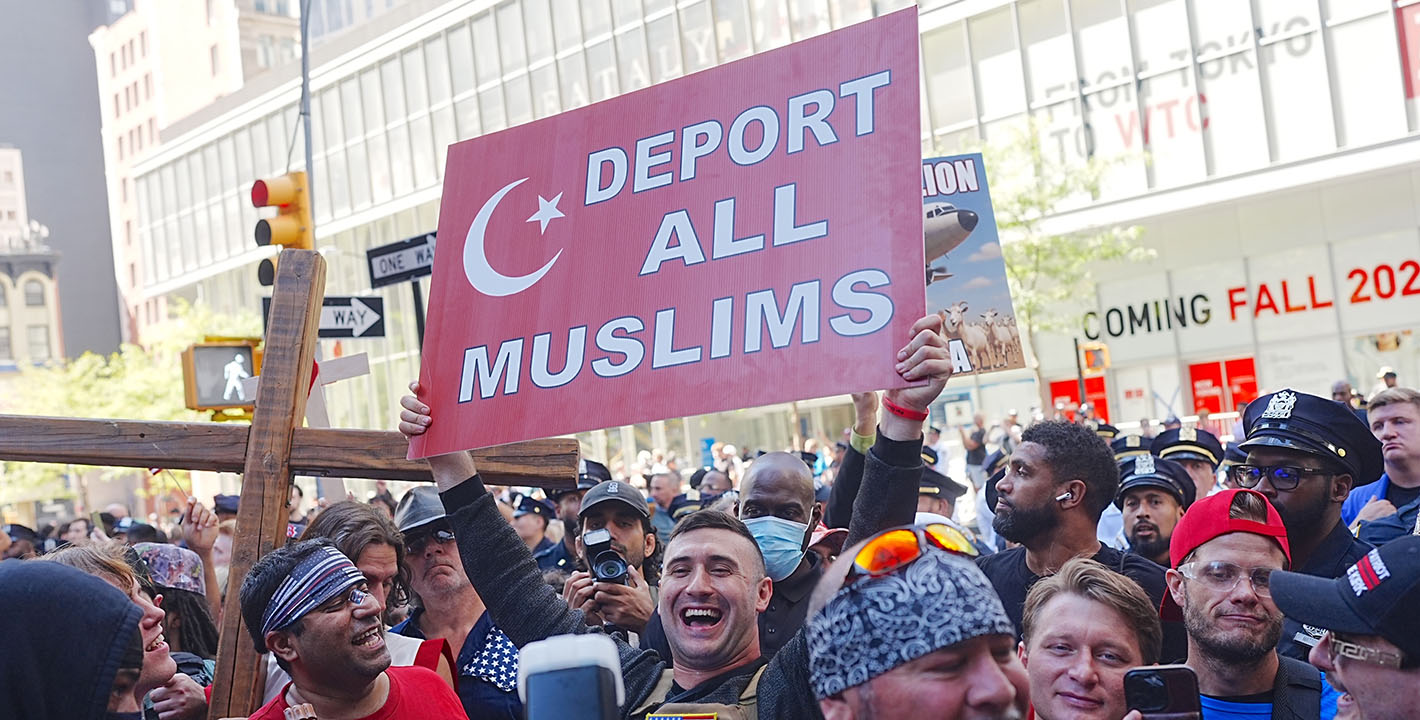
In an interview, Rozina Ali discusses her new book on the rise and manifestations of Islamophobia in the United States.

Michael Young

In an interview, Ian Lustick and Eli Clifton discuss their new book on why a prominent ally has so much influence in America.
Michael Young

As the U.S. stumbles in its war with Iran, we are likely to see an acceleration of its disengagement from the region.
Michael Young

Middle Eastern states should welcome an accelerated U.S. disengagement from their region.
Michael Young

In an interview, former ambassador Charles Freeman assesses the Trump administration’s war against Iran.
Michael Young