

Commentary
Middle Eastern states should welcome an accelerated U.S. disengagement from their region.
Michael Young
{
  "authors": [
    "Bill Bradley",
    "Tom Ridge",
    "David Walker"
  ],
  "type": "legacyinthemedia",
  "centerAffiliationAll": "dc",
  "centers": [
    "Carnegie Endowment for International Peace"
  ],
  "collections": [],
  "englishNewsletterAll": "ctw",
  "nonEnglishNewsletterAll": "",
  "primaryCenter": "Carnegie Endowment for International Peace",
  "programAffiliation": "SCP",
  "programs": [
    "Sustainability, Climate, and Geopolitics"
  ],
  "projects": [],
  "regions": [
    "North America",
    "United States"
  ],
  "topics": [
    "Climate Change"
  ]
}
Source: Getty
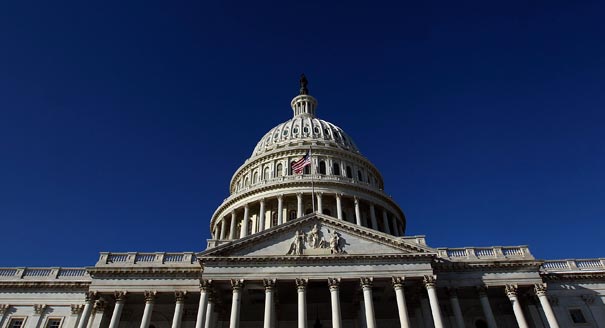
While there are many legitimate disagreements regarding how to cut the U.S. deficit, deep cuts to the national infrastructure is more likely to hurt the country's long-term economic growth.
Source: Washington Post

This does not mean that improvements shouldn't be made. At present 80 percent of federal transportation funds are distributed by formula - with no competition and no performance requirements. That must stop. We must make every dollar contribute to transportation performance. All transportation spending should be consolidated into a unified transportation trust fund subject to rigorous, independent cost-benefit analysis.
A better transportation system will enhance our economic and national security and will rebuild public trust in public investments. Many new members of Congress are rightly furious about wasteful spending. By squeezing every ounce of investment gain from our infrastructure dollar we can create a transportation program that both deficit hawks and program reform leaders can get behind.
The authors are the co-chairs of the Leadership Initiative on Transportation Solvency, an initiative created by the Carnegie Endowment for International Peace to develop a non-partisan solution funding a better transportation system in the United States.
Bill Bradley
Tom Ridge
David Walker
Carnegie does not take institutional positions on public policy issues; the views represented herein are those of the author(s) and do not necessarily reflect the views of Carnegie, its staff, or its trustees.

Middle Eastern states should welcome an accelerated U.S. disengagement from their region.

Michael Young

In an interview, former ambassador Charles Freeman assesses the Trump administration’s war against Iran.
Michael Young

By failing to address Palestinian representation, the current process is bound to lead to just another temporary arrangement.

Nathan J. Brown

Morocco and Algeria, each in its own way, are having to navigate the global economic fallout of the U.S.-Israeli military campaign against Iran.

Yasmine Zarhloule
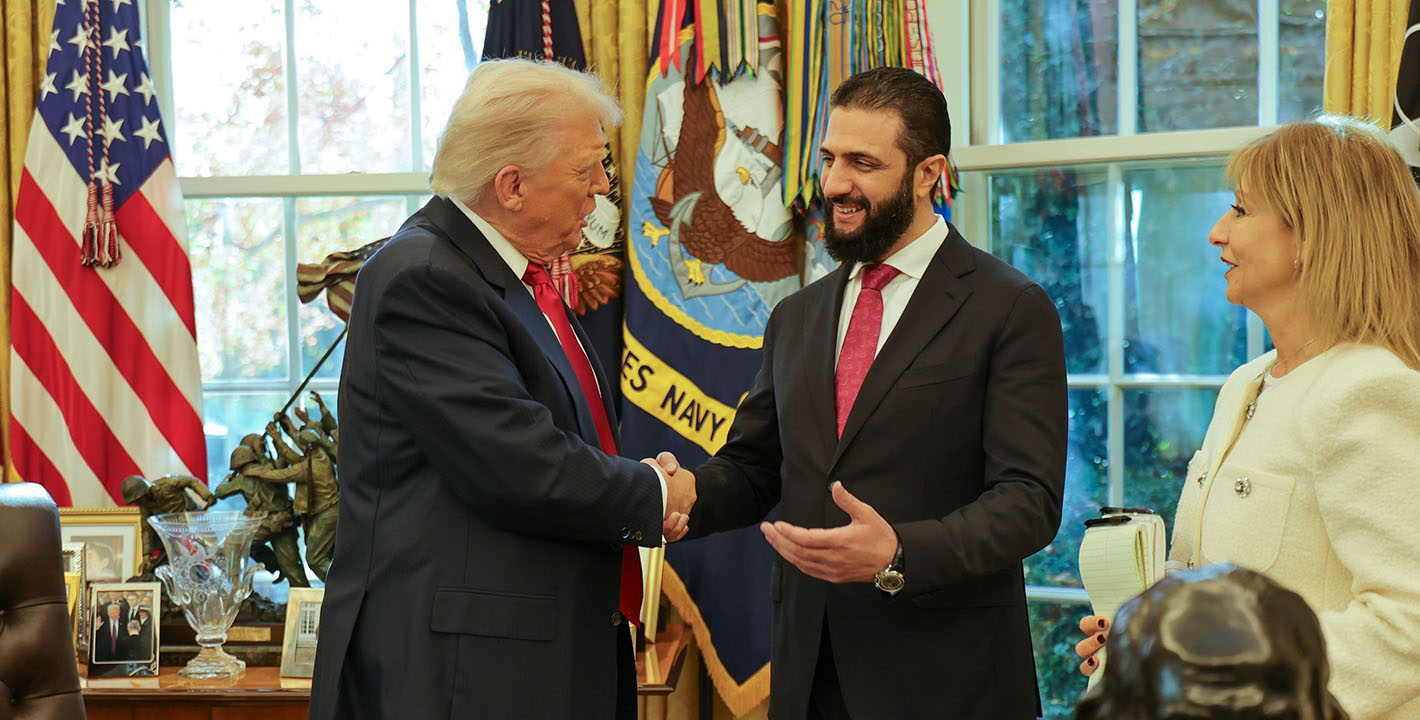
Any move by the United States to make good on Trump’s suggestion that Washington persuade Damascus to confront Hezbollah militarily would have catastrophic consequences.
Kheder Khaddour