• Research
  • Diwan
  • About
  • Experts
Carnegie Middle East logoCarnegie lettermark logo
LebanonIran
{
  "authors": [
    "Mark Hibbs"
  ],
  "type": "legacyinthemedia",
  "centerAffiliationAll": "dc",
  "centers": [
    "Carnegie Endowment for International Peace",
    "Carnegie Russia Eurasia Center"
  ],
  "collections": [],
  "englishNewsletterAll": "ctw",
  "nonEnglishNewsletterAll": "",
  "primaryCenter": "Carnegie Endowment for International Peace",
  "programAffiliation": "NPP",
  "programs": [
    "Nuclear Policy"
  ],
  "projects": [],
  "regions": [
    "East Asia",
    "Japan"
  ],
  "topics": [
    "Nuclear Policy",
    "Nuclear Energy"
  ]
}
Source: Getty

In The Media

5 Early Lessons From Japan's Nuclear Crisis

As Japan struggles to find ways to cool its damaged nuclear reactors, it is increasingly clear that it is in the world’s best interest to ensure that nuclear operators can effectively handle unpredictable and even extreme external events that might impact their installations.

Link Copied
By Mark Hibbs
Published on Mar 17, 2011

Source: CNN

5 Early Lessons From Japan's Nuclear CrisisJapan is desperately racing to prevent three power reactors from melting down after last week's devastating earthquake and tsunami. This is an almost unthinkable challenge.

A similar accident happened at one reactor at Three Mile Island many years ago, but Japan's rescue effort is taking place in near-battlefield conditions on a site that is truly a no-man's-land.

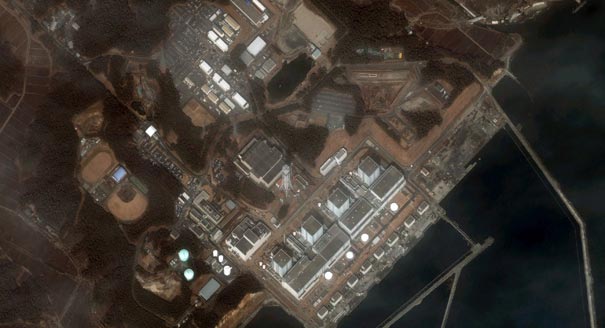
The nuclear reactors at the Fukushima Daiichi and Fukushima Daini power stations were automatically shut off after the earthquake. But with external power lost and local backups damaged by the tsunami, emergency cooling systems failed to work. This has forced Japanese authorities to improvise and find other ways to keep the reactors cool, prevent pressure from building up inside the vessels holding the fuel, and prevent the reactor cores from melting significantly.

Without full knowledge of everything Japanese authorities have done since the crisis began, it is too early to properly evaluate the country's response. But even as we wait for all the facts, there are early lessons that we all can take from the nuclear crisis in Japan:

  • The world should be building and operating modern nuclear reactors. Countries should build and operate nuclear reactors that use the latest and safest technology available and licensing standards need to be improved regularly. The reactors at Fukushima are 40 years old and would never be given a green light for new construction by Japanese regulators today. But China and India, two rising powers that plan to invest considerably in nuclear energy, are continuing to use 25-year-old designs for new construction. In February, the Japanese government was prepared to permit the oldest of the Fukushima reactors to operate for another 10 years after its license expired this year.
     
  • Countries should not be over-reliant on nuclear energy. Last week's earthquake and another one in 2007 knocked out 15 of 17 reactors operated by Tokyo Electric Power Company on its two sites in northern Japan. If a country greatly depends on nuclear power for electricity, a major nuclear accident can trigger an electricity supply crisis. Policy makers can also face significant pressure to continue operating reactors even under unsafe conditions if the country is over-dependent on nuclear power.
  • Relying on nuclear energy requires significant know-how and resources. With the threat of global warming and burgeoning energy demand around the world, nuclear power has gained favor. Dozens of countries have announced an interest in starting nuclear energy programs, and existing operators are looking to bump up their operations. But Japan's crisis underscores that generating electricity by using nuclear fission requires the best know-how, infrastructure, management experience and resources available. New plants must meet essential preconditions for safety and international cooperation should ensure that plants can withstand possible emergencies.
  • Companies and countries must plan for the worst. Both earthquakes that set back Tokyo Electric were stronger than had been expected. There is a clear need to re-evaluate how seismic risk analysis is done to make sure that nuclear power plants are built to weather the worst threats they could face.
  • Safety concerns must not take a back seat to energy production or prestige. For many newcomer nuclear countries -- especially those facing dire energy needs -- the temptation may be great to get new nuclear power plants on line as fast as possible. Critical aspects of nuclear programs that won't contribute to profits or generate power, such as spent fuel and waste management and emergency preparedness, cannot be neglected by governments and industry leaders aiming to achieve fast results or save money.

Given the global impact of nuclear disasters, it is in all of our best interests to ensure that nuclear operators can effectively handle unpredictable and even extreme external events that impact their installations. It will take time to fully understand the extent of the crisis in Japan, but there are steps that can be taken today that will make the world's nuclear programs safer.

About the Author

Mark Hibbs

Nonresident Senior Fellow, Nuclear Policy Program

Hibbs is a Germany-based nonresident senior fellow in Carnegie’s Nuclear Policy Program. His areas of expertise are nuclear verification and safeguards, multilateral nuclear trade policy, international nuclear cooperation, and nonproliferation arrangements.

    Recent Work

  • Article
    Dimming Prospects for U.S.-Russia Nonproliferation Cooperation
      • Nicole Grajewski Profile Picture
      • +1

      Toby Dalton, Mark Hibbs, Nicole Grajewski, …

  • Commentary
    What Comes After Russia’s Attack on a Ukrainian Nuclear Power Station?

      Mark Hibbs

Mark Hibbs
Nonresident Senior Fellow, Nuclear Policy Program
Mark Hibbs
Nuclear PolicyNuclear EnergyEast AsiaJapan

Carnegie does not take institutional positions on public policy issues; the views represented herein are those of the author(s) and do not necessarily reflect the views of Carnegie, its staff, or its trustees.
More Work from Malcolm H. Kerr Carnegie Middle East Center

  • Commentary
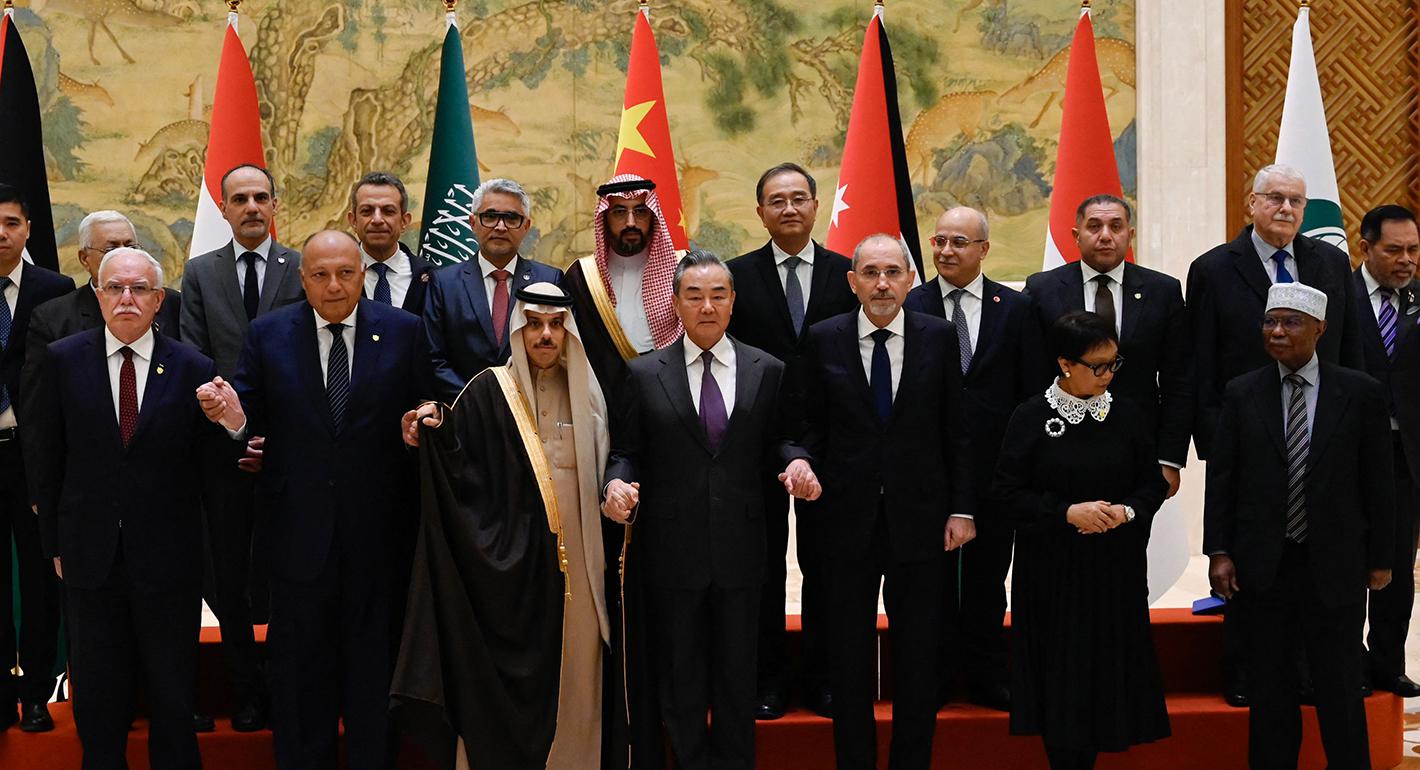
    China’s Evolving Economic and Security Role in the Middle East

    The advantage that China has over other global powers, especially America, is that its foreign policy is closely aligned with those of many of the Middle Eastern countries.

      Jin Liangxiang, Maha Yahya, Hesham Alghannam
  • Article
    The Geopolitics of Economic Development in the Middle East

    To create an environment more conducive to cooperation and development, U.S. and Chinese efforts should seek the endorsement of neighboring countries and regional organizations. Otherwise, regional and geopolitical rivalries will remain barriers.
      Abdullah Baabood
  • Commentary
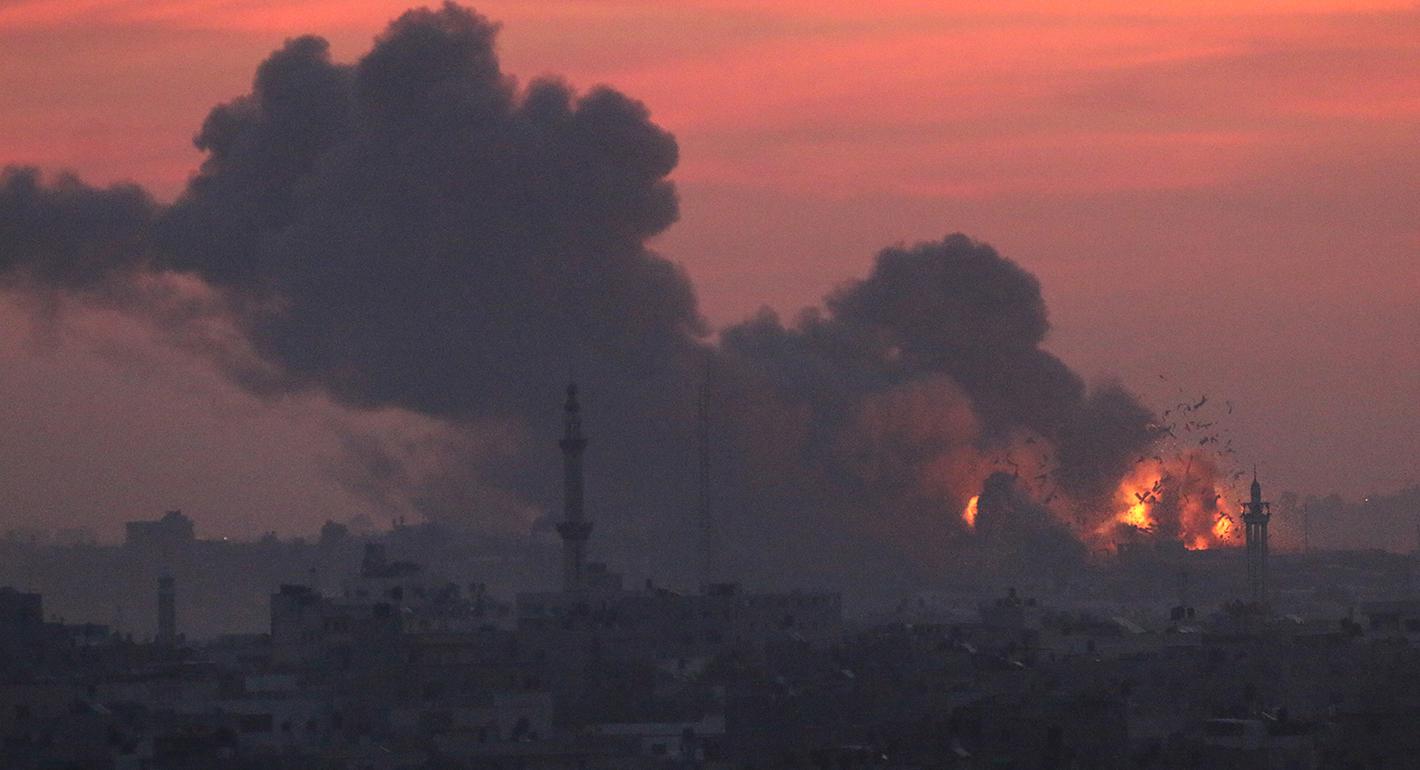
    The Gaza War and the Rest of the World

    Scholars from Carnegie’s global network comment on how the ongoing conflict between Israelis and Palestinians is affecting their areas of interest, and what the implications of this may be.


      • +11

      Maha Yahya, Rosa Balfour, Judy Dempsey, …
  • Commentary
    Diwan
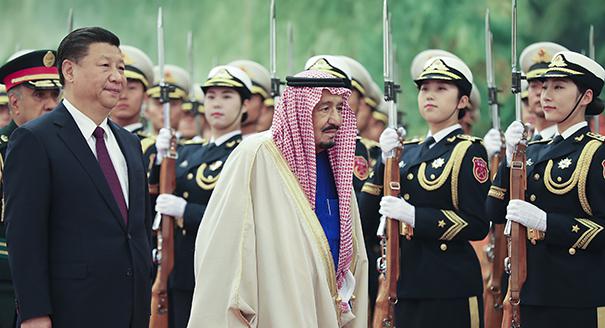
    China’s Middle Eastern Moment

    In an interview, Abdullah Baabood discusses Beijing’s evolving role in the Gulf region, where its priority is stability.

      Michael Young

  • Article
    Why China Is Emerging as a Main Promoter of Stability in the Strait of Hormuz

    Because of its reliance on the Gulf region for much of its oil and gas, China has a strong interest in preserving security in the region, an early example of which was its mediation of the recent Saudi Arabia-Iran reconciliation.

      Abdullah Baabood

Get more news and analysis from
Malcolm H. Kerr Carnegie Middle East Center
Carnegie Middle East logo, white
  • Research
  • Diwan
  • About
  • Experts
  • Projects
  • Events
  • Contact
  • Careers
  • Privacy
  • For Media
Get more news and analysis from
Malcolm H. Kerr Carnegie Middle East Center
© 2026 Carnegie Endowment for International Peace. All rights reserved.