

Article
- +1
Toby Dalton, Mark Hibbs, Nicole Grajewski, …
{
  "authors": [
    "Mark Hibbs"
  ],
  "type": "legacyinthemedia",
  "centerAffiliationAll": "dc",
  "centers": [
    "Carnegie Endowment for International Peace"
  ],
  "collections": [],
  "englishNewsletterAll": "ctw",
  "nonEnglishNewsletterAll": "",
  "primaryCenter": "Carnegie Endowment for International Peace",
  "programAffiliation": "NPP",
  "programs": [
    "Nuclear Policy"
  ],
  "projects": [],
  "regions": [
    "East Asia",
    "Japan"
  ],
  "topics": [
    "Nuclear Policy",
    "Nuclear Energy"
  ]
}
Source: Getty
Although Japan's nuclear reactors in Fukushima have shut down, the fuel rods remain hot. If the coolant system does not function properly, the fuel rods could overheat, posing a real danger.
Source: Fox News
MARTHA MACCALLUM, FOX NEWS ANCHOR: Back to the situation involving Japan's nuclear power plants which are of great concern right now.
Several of them -- there are 11 nuclear power plants in Japan. We understand that seven of them have been shut down. There are no reports at this point of any leaks. But the government is ordering thousands of people to leave the area near one plant, Fukushima plant, that is 170 miles northeast of Tokyo.
This is looking like ground zero for where this hit in Japan right now. So that is a major concern.
Now the reason that they want people to get away from this area is because the plant's coolant system for the reactor is apparently not functioning the way it should be.
So how serious is this of course is the question there. And joining me now on the phone is Mark Hibbs, a senior associate at the Carnegie Endowment Nuclear Policy Program. He joins us with his expertise this morning.
Mark, thank you. Good to have you here this morning.
MARK HIBBS, CARNEGIE ENDOWMENT NUCLEAR POLICY PROGRAM: Thank you.
MACCALLUM: What does any of that tell you about how -- how much danger there is around this plant right now?
HIBBS: Well, basically the situation as I understand it is that the reactors are not being cooled as they should be. The reactors are cold. They've been shut down. There is no critical reaction in the core, but what we have is we have a situation where the fuel in the core, the fuel rods are hot.
And you've got to cool those fuel rods for a certain period of time several days at the least to prevent the closed circulation system in the core from heating up and damaging and destroying that fuel.
So what we understand to be the case is that they have two problems on the site. One problem appears to be that they don't have enough electric power on the site to operate the pumps and the equipment to cool the core down.
And the other problem is that they've got diesel generators which likewise are failing and that may be as a result of the impact of the quake.
MACCALLUM: Right.
HIBBS: So right now as a precautionary measure, the Japanese authorities have evacuated the entire area within a perimeter of three kilometers away from the reactors. They are doing that, people are leaving, and at the same time the government is trying to get additional sources of power to power that equipment and get that core cooled down.
MACCALLUM: Right.
HIBBS: So they're -- they're looking for additional equipment. The power company, Tokyo Electric Power, which is the utility that owns that company, is arranging to send eight additional power generator equipment -- power generator aggregates to the site to connect up and get cold water into that reactor core.
MACCALLUM: All right. What do they --
HIBBS: So that's --
MACCALLUM: Just quickly before we go, if you can, what happens if they can't accomplish that?
HIBBS: What's -- if they don't succeed what's going to happen is you're going to have water that's going to heat up in there. The water will get to the point where it begins boiling out of the core.
You're going to have the water levels in the reactor core falling, and eventually exposing the fuel rods in the core to the atmosphere. That means that that heat will not be taken away. There will be no core cooling there and the fuel will be damaged because the metal around the fuel rods will be damaged. They can buckle. They can balloon.
MACCALLUM: Right.
HIBBS: They can burst. And then you're going to get fuel which is directly exposed to the atmosphere. The fuel --
MACCALLUM: Understood.
HIBBS: Degrade. It will fall down into the core and then you've got a big -- an onset of a core melt accident.
MACCALLUM: Yes. Which is -- that's a scenario nobody wants to see.
Mark Hibbs, thank you very much. We'll be following this throughout the morning with your help, sir. Appreciate it.
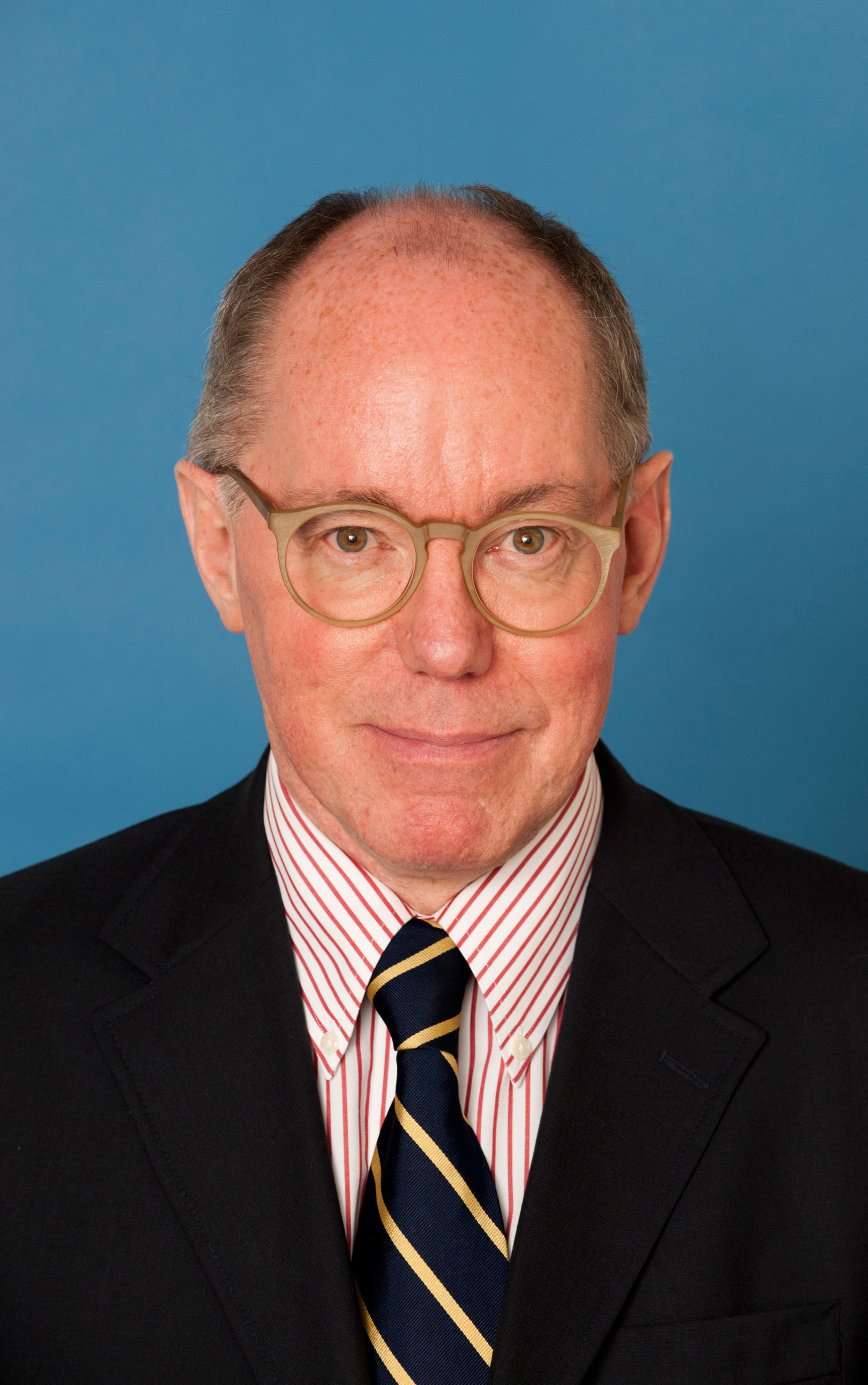
Nonresident Senior Fellow, Nuclear Policy Program
Hibbs is a Germany-based nonresident senior fellow in Carnegie’s Nuclear Policy Program. His areas of expertise are nuclear verification and safeguards, multilateral nuclear trade policy, international nuclear cooperation, and nonproliferation arrangements.
Recent Work


Toby Dalton, Mark Hibbs, Nicole Grajewski, …
Mark Hibbs
Carnegie does not take institutional positions on public policy issues; the views represented herein are those of the author(s) and do not necessarily reflect the views of Carnegie, its staff, or its trustees.
In an interview, Marc Lynch discusses his new book decrying the post-1990 U.S.-dominated order in the Middle East.

Michael Young
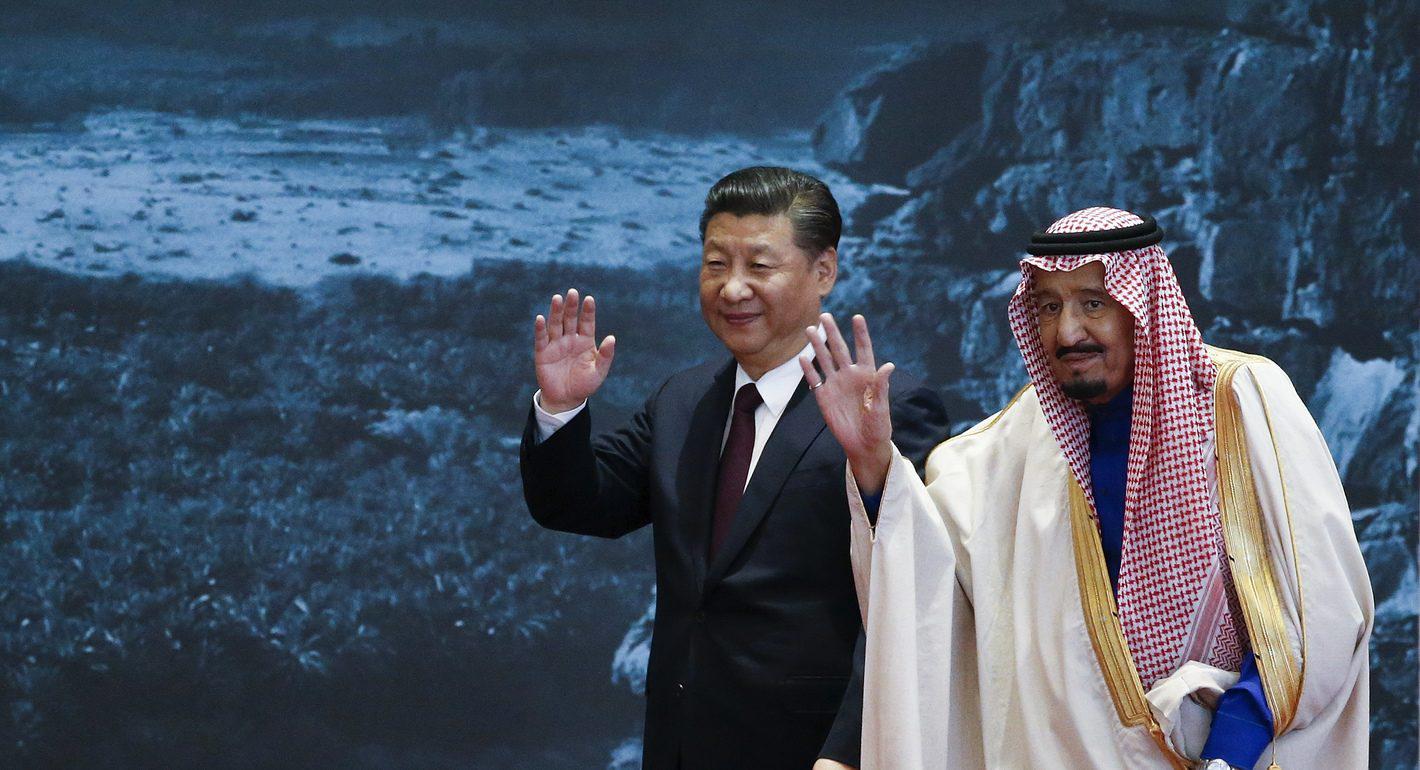
The advantage that China has over other global powers, especially America, is that its foreign policy is closely aligned with those of many of the Middle Eastern countries.


Jin Liangxiang, Maha Yahya, Hesham Alghannam
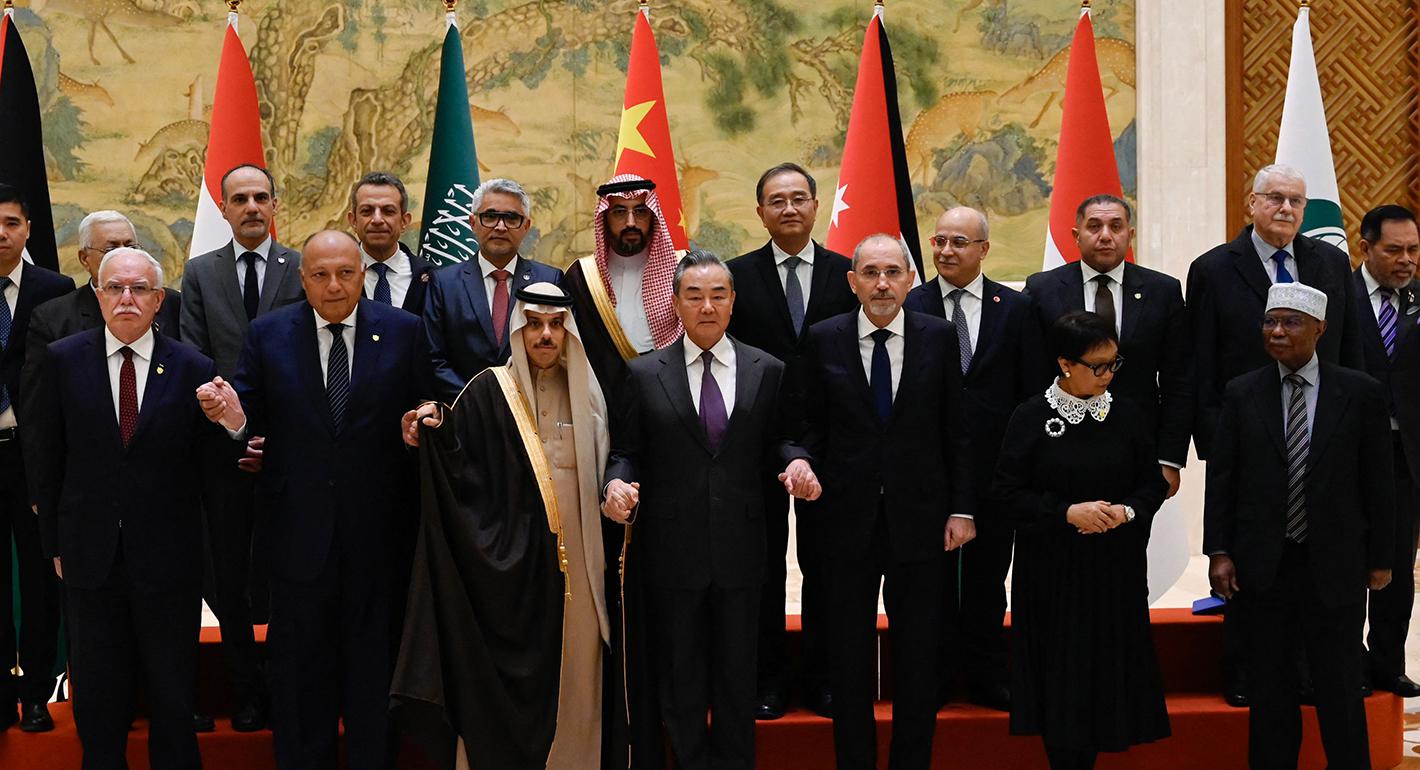
To create an environment more conducive to cooperation and development, U.S. and Chinese efforts should seek the endorsement of neighboring countries and regional organizations. Otherwise, regional and geopolitical rivalries will remain barriers.
Abdullah Baabood
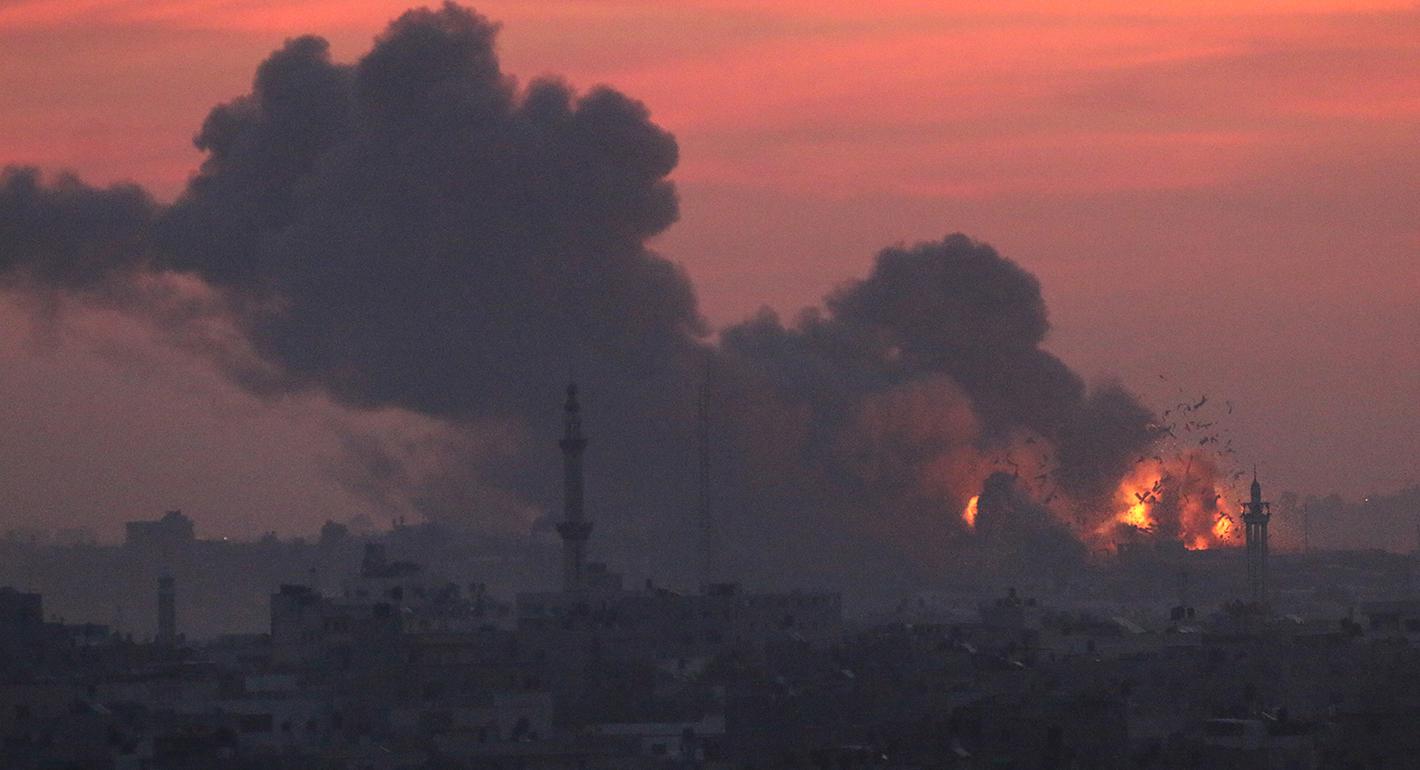
Scholars from Carnegie’s global network comment on how the ongoing conflict between Israelis and Palestinians is affecting their areas of interest, and what the implications of this may be.


Maha Yahya, Rosa Balfour, Judy Dempsey, …
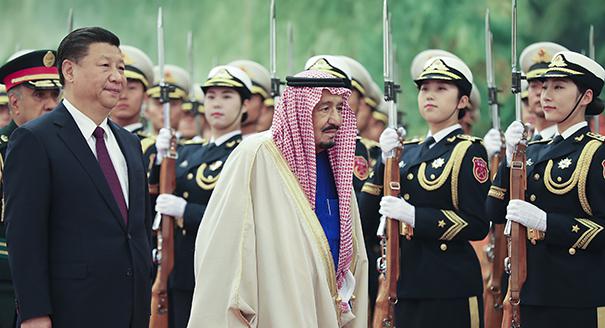
In an interview, Abdullah Baabood discusses Beijing’s evolving role in the Gulf region, where its priority is stability.
Michael Young