

Paper
James M. Acton, Ankit Panda
{
  "authors": [
    "James M. Acton"
  ],
  "type": "legacyinthemedia",
  "centerAffiliationAll": "dc",
  "centers": [
    "Carnegie Endowment for International Peace"
  ],
  "collections": [],
  "englishNewsletterAll": "ctw",
  "nonEnglishNewsletterAll": "",
  "primaryCenter": "Carnegie Endowment for International Peace",
  "programAffiliation": "NPP",
  "programs": [
    "Nuclear Policy"
  ],
  "projects": [],
  "regions": [
    "East Asia",
    "Japan"
  ],
  "topics": [
    "Nuclear Policy",
    "Nuclear Energy"
  ]
}
Source: Getty
While it is becoming increasingly difficult for the Japanese to contain the smaller amounts of radiation escaping from the nuclear energy plants damaged by the earthquake and tsunami, a catastrophic release of radiation remains extremely unlikely.
Source: CBS
Speaking on CBS’ The Early Show, Carnegie's James Acton addressed the situation in Japanese nuclear reactors damaged by the recent earthquake and tsunami. He acknowledged that the past 24 hours have been particularly bad. Ways for radiation to leak out into the environment have increased following the explosion within the containment building surrounding unit 2 of the plant. Similarly, the fact that spent fuel rods have caught fire also increases the opportunity for radiation to leak.
Acton stated that a catastrophic release of radiation, similar to the tragedy at Chernobyl, is extremely unlikely. However, it is becoming increasingly difficult to contain the smaller releases of radiation that are occurring, which are still quite serious.
Ultimately, Acton said, there are no good solutions to the situation currently facing the Japanese government. They are facing extraordinary challenges trying to respond to the earthquake, the tsunami, and the problems in nuclear energy plants.

Jessica T. Mathews Chair, Co-director, Nuclear Policy Program
Acton holds the Jessica T. Mathews Chair and is co-director of the Nuclear Policy Program at the Carnegie Endowment for International Peace.
Recent Work

James M. Acton, Ankit Panda
James M. Acton
Carnegie does not take institutional positions on public policy issues; the views represented herein are those of the author(s) and do not necessarily reflect the views of Carnegie, its staff, or its trustees.
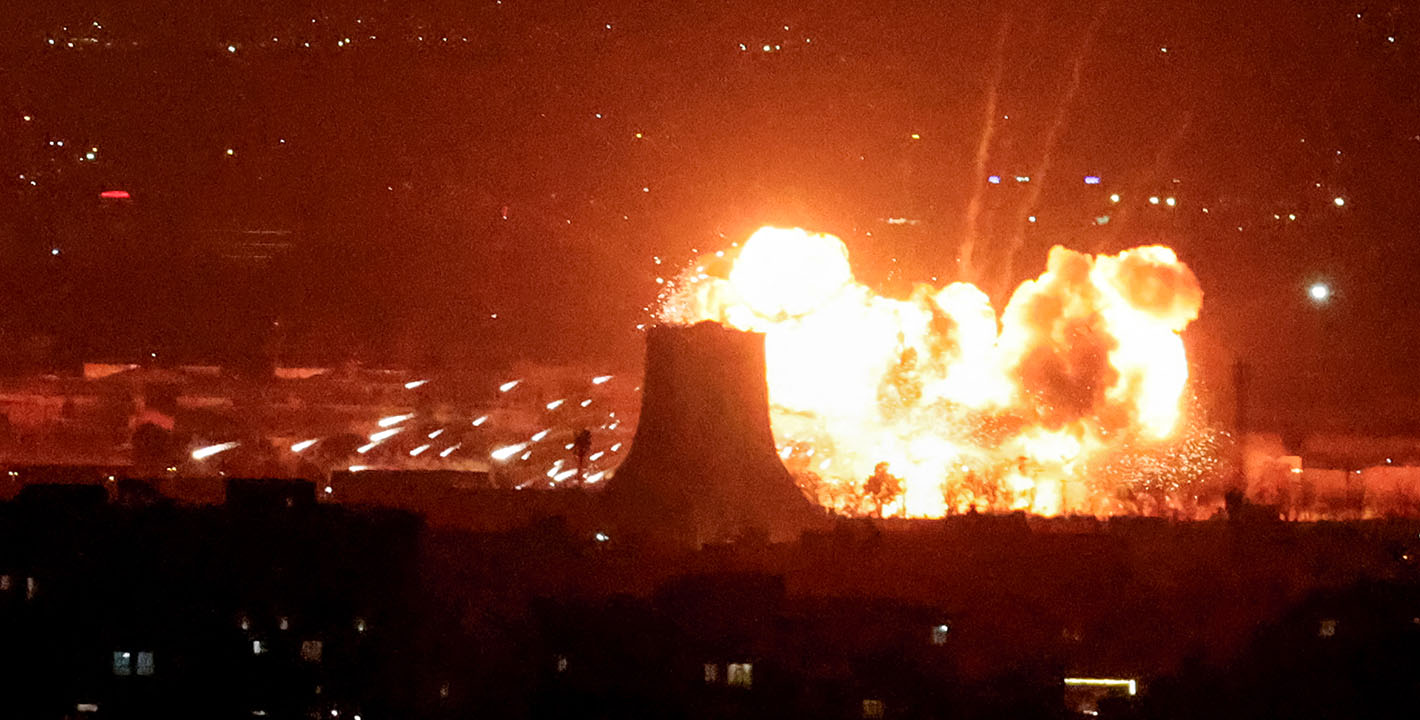
In an interview, Marc Lynch discusses his new book decrying the post-1990 U.S.-dominated order in the Middle East.

Michael Young
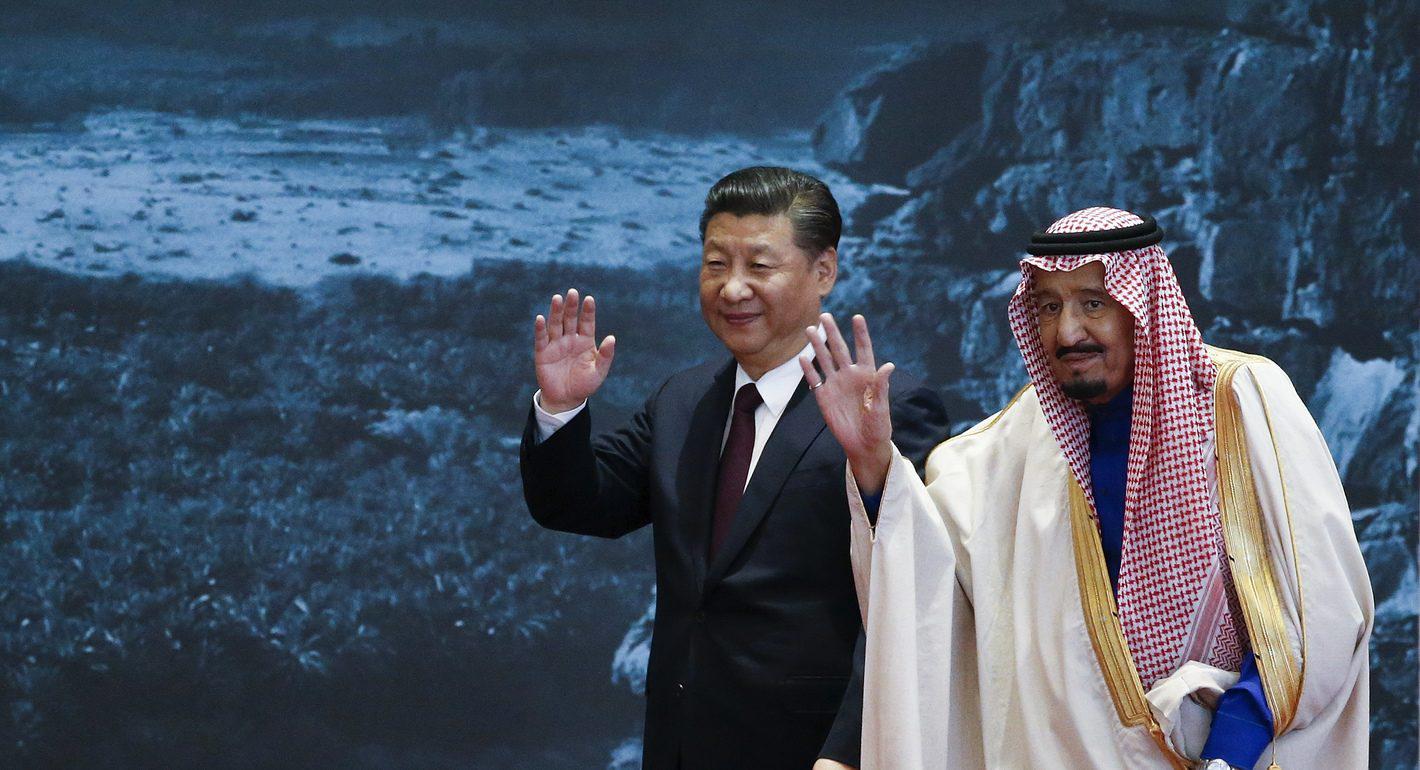
The advantage that China has over other global powers, especially America, is that its foreign policy is closely aligned with those of many of the Middle Eastern countries.


Jin Liangxiang, Maha Yahya, Hesham Alghannam
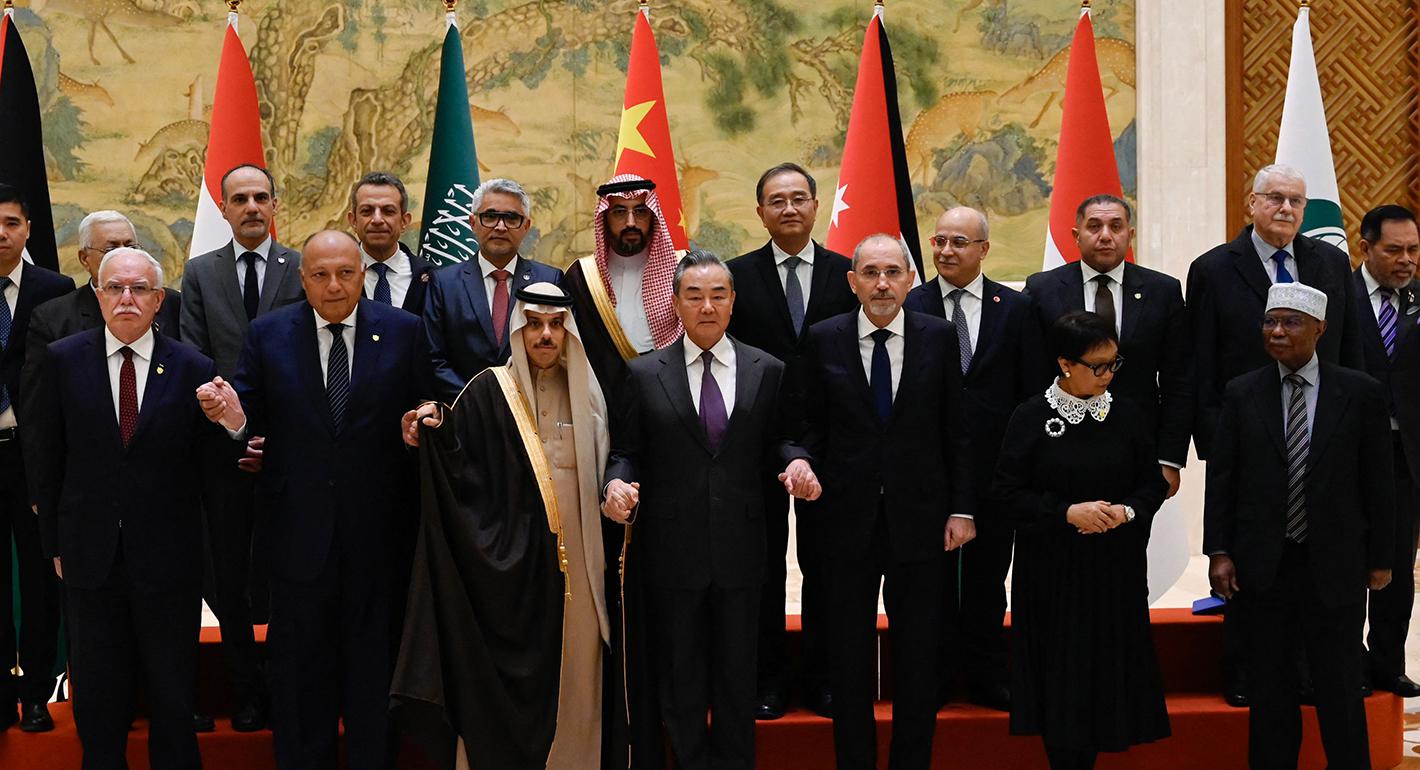
To create an environment more conducive to cooperation and development, U.S. and Chinese efforts should seek the endorsement of neighboring countries and regional organizations. Otherwise, regional and geopolitical rivalries will remain barriers.
Abdullah Baabood
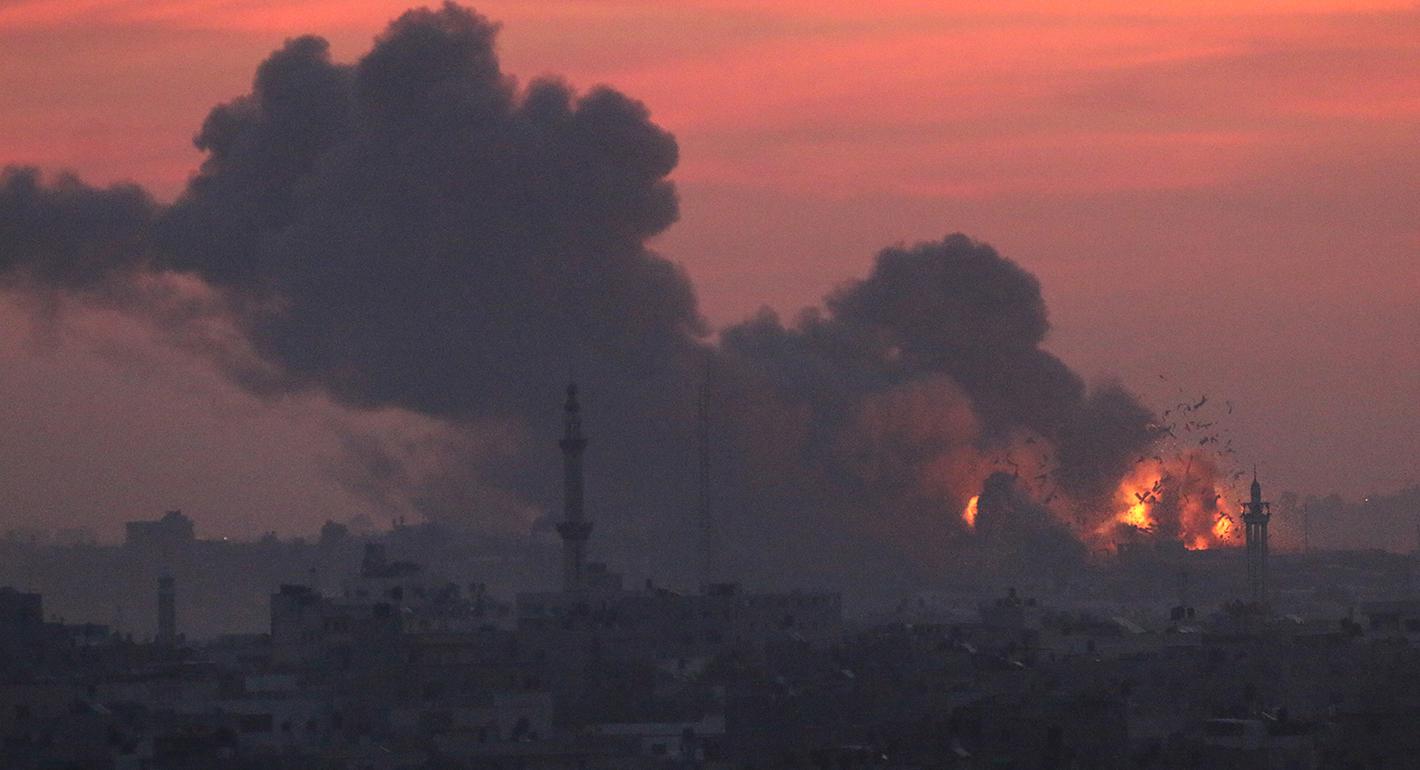
Scholars from Carnegie’s global network comment on how the ongoing conflict between Israelis and Palestinians is affecting their areas of interest, and what the implications of this may be.


Maha Yahya, Rosa Balfour, Judy Dempsey, …
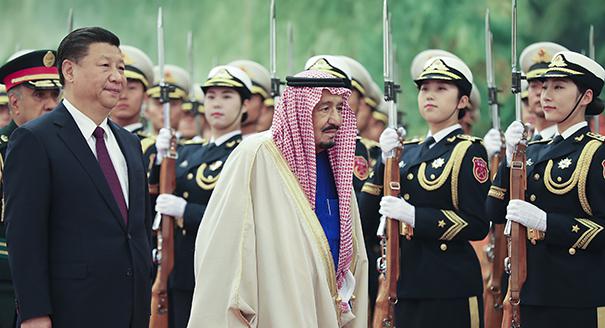
In an interview, Abdullah Baabood discusses Beijing’s evolving role in the Gulf region, where its priority is stability.
Michael Young