

In The Media
Lahcen Achy
{
  "authors": [
    "Lahcen Achy"
  ],
  "type": "legacyinthemedia",
  "centerAffiliationAll": "",
  "centers": [
    "Carnegie Endowment for International Peace",
    "Malcolm H. Kerr Carnegie Middle East Center"
  ],
  "collections": [],
  "englishNewsletterAll": "",
  "nonEnglishNewsletterAll": "",
  "primaryCenter": "Malcolm H. Kerr Carnegie Middle East Center",
  "programAffiliation": "",
  "programs": [],
  "projects": [],
  "regions": [
    "Egypt",
    "Maghreb"
  ],
  "topics": [
    "Political Reform",
    "Economy"
  ]
}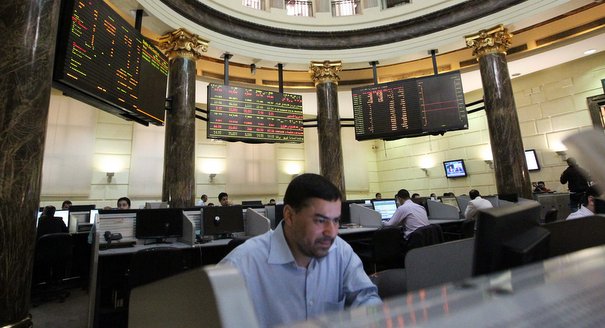
Source: Getty
Egypt and Tunisia’s democratic transitions will not automatically result in higher economic growth or more employment opportunities. Both countries must set up priorities and enact reforms to spur economic transitions.
Source: Los Angeles Times

Former Nonresident Senior Associate, Middle East Center
Achy is an economist with expertise in development, institutional economics, trade, and labor and a focus on the Middle East and North Africa.
Recent Work
Lahcen Achy
Lahcen Achy
Carnegie does not take institutional positions on public policy issues; the views represented herein are those of the author(s) and do not necessarily reflect the views of Carnegie, its staff, or its trustees.
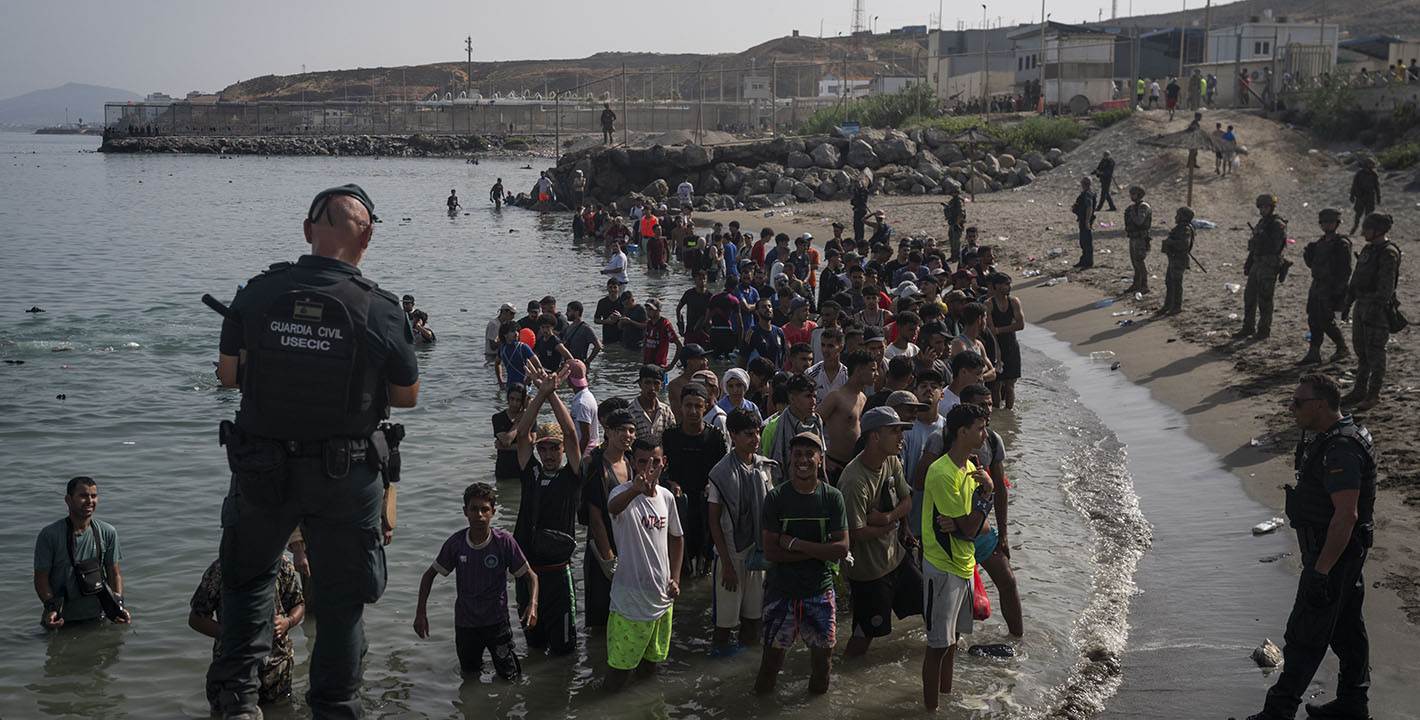
A recent incident in which tens of thousands of people suddenly crossed into an overseas Spanish territory from neighboring Morocco has spurred Spain and other European countries to further lean into the often myopic logic of frontier security, all the while ignoring the economic, political, and social processes that give rise to irregular migration.

Yasmine Zarhloule

The global hydrocarbon order is changing. Economic diversification and developing productive economies have become essential for Middle Eastern and North African states, requiring them to address social and political challenges and rethink domestic, regional, and global settlements.
Nur Arafeh, Ishac Diwan, Hamza Meddeb, …
Spot analysis from Carnegie scholars on events relating to the Middle East and North Africa.
Yezid Sayigh
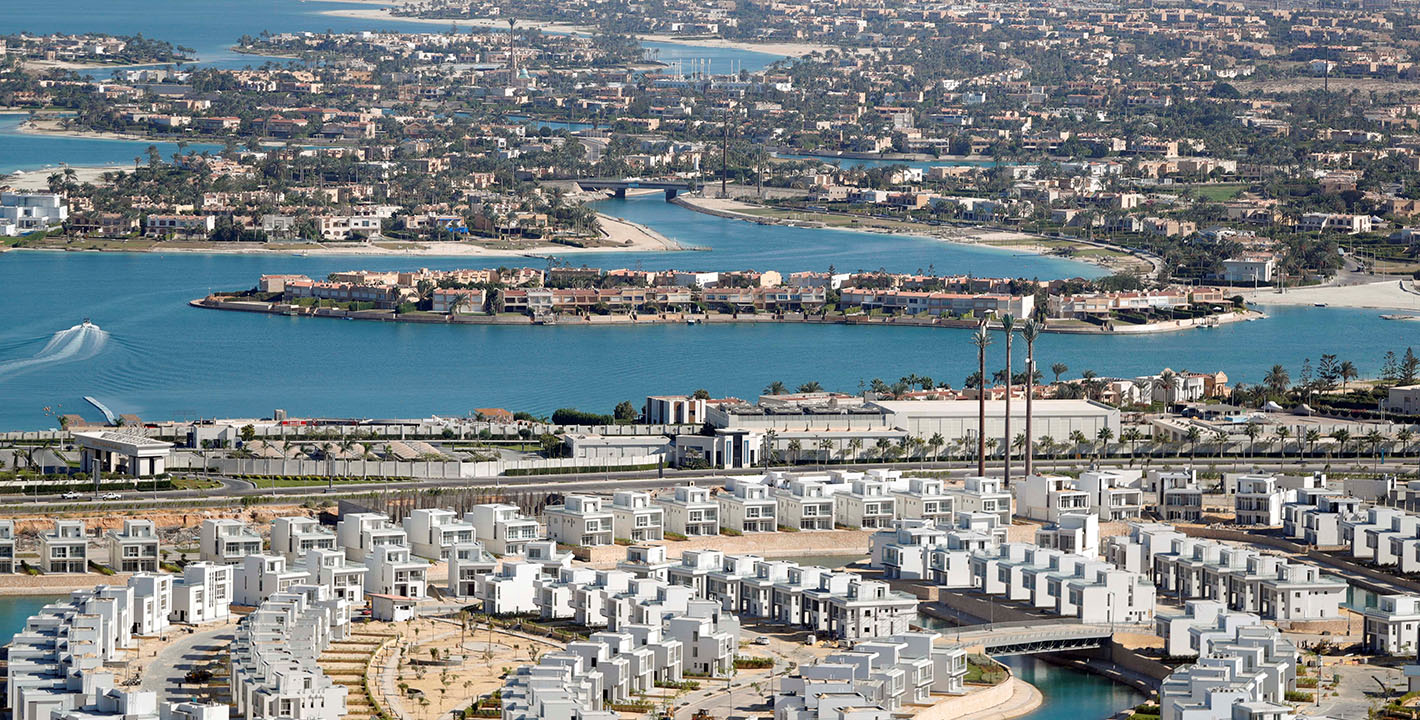
The armed forces champion a form of capitalism that is generating revenue, but its reliance on rent faces diminishing returns, leaving the country with massive sunk costs and deferred returns, deepening dependency on external borrowing.
Yezid Sayigh
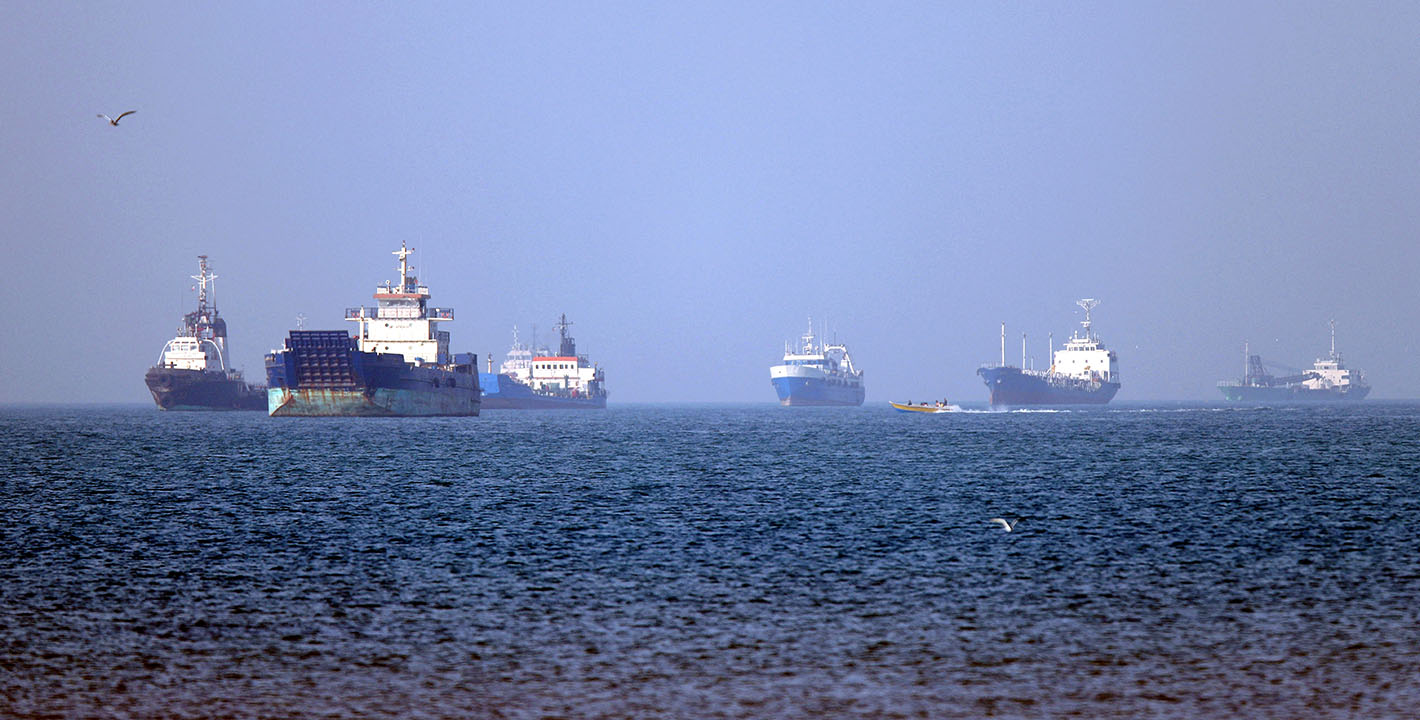
Morocco and Algeria, each in its own way, are having to navigate the global economic fallout of the U.S.-Israeli military campaign against Iran.
Yasmine Zarhloule