

In The Media
Minxin Pei
{
  "authors": [
    "Minxin Pei"
  ],
  "type": "legacyinthemedia",
  "centerAffiliationAll": "dc",
  "centers": [
    "Carnegie Endowment for International Peace"
  ],
  "collections": [],
  "englishNewsletterAll": "asia",
  "nonEnglishNewsletterAll": "",
  "primaryCenter": "Carnegie Endowment for International Peace",
  "programAffiliation": "AP",
  "programs": [
    "Asia"
  ],
  "projects": [],
  "regions": [
    "East Asia",
    "China"
  ],
  "topics": [
    "Political Reform",
    "Democracy"
  ]
}
Source: Getty
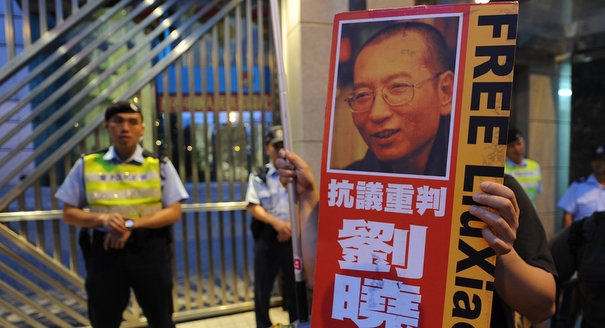
China's ongoing crackdown on domestic dissidents stems from a number of factors, including Beijing's fears about potential broader unrest and political posturing ahead of the upcoming leadership transition.
Source: CNN

Given his reputation as a world-class artist and a fearless critic of the Chinese government, Mr. Ai is viewed as barometer of the Chinese government’s tolerance of what little dissent there is in China.
In all probability, the decision to put Mr. Ai behind bars must have been made at the highest level - given the all-but-certain international repercussions of such a move.
Mr. Ai’s arrest is the culmination of the recent crackdown on human rights activists, lawyers, and dissidents. Many have been arrested. A few have been sentenced to jail terms.
The question is: What is driving the current campaign against dissent in China?
1. Fear of a Jasmine Revolution: The most obvious explanation is that Beijing is deploying pre-emptive tactics to prevent a Chinese “Jasmine Revolution,” however remote the possibility is. The on-going democratic revolution is the Arab World has surprised and alarmed Chinese leaders.
Even though conditions in China hardly resemble those in the Middle East, Chinese leaders have reason to feel insecure and fearful. After all, inflation is rising; a housing bubble has priced many middle-class individuals out of the market; unemployment among the college-educated is high; popular resentment against official corruption is intense.
So it appears that Beijing would rather err on the side of caution.
2. Leadership jockeying: Another plausible cause is the pending leadership transition, now scheduled for the fall of 2012. At the moment, jockeying for top leadership positions is at the most delicate stage. Showing a soft side toward domestic dissent is almost certain to doom an aspiring candidate’s chances for promotion or undercut a patron’s ability to install his protégés into key positions.
In other words, even though some top leaders may not find the idea of arresting someone with Mr. Ai’s fame attractive, they are hardly in a position to object.
3. Responding to the Nobel Peace Prize “offense”: Finally, the arrest of Mr. Ai is most likely a response to the Nobel Peace Prize awarded last year to Mr. Liu Xiaobo, who is serving an 11-year sentence in Beijing for his human rights and pro-democracy activities.
Beijing was outraged by the award, and suffered additional humiliation when its campaign to boycott the award ceremony (which involved preventing many well-known Chinese human rights activists from leaving the country for Norway) attracted even more negative media attention. Such setbacks notwithstanding, Chinese leaders want to show to the West that they are not going to back down on human rights issues.
How should the West respond? In the short term, the West has few effective options to make Beijing change its mind on human rights. Other than vocal condemnation - to which Beijing appears to pay no attention - the West has no leverage on China.
Economic interdependence between China and the West has rendered sanctions meaningless. On occasion, the United States also needs China’s limited cooperation on vital security issues (such as keeping the North Koreans on the reservation). So an all-out offensive against China’s worsening human rights performance is out of the question.
Ultimately, however, Beijing will pay a significant price for the crackdown. It may have acquired considerable hard power, but it yearns for respect. As long as human rights activists like Mr. Ai are languishing in jail, such respect will be in very short supply.
Former Adjunct Senior Associate, Asia Program
Pei is Tom and Margot Pritzker ‘72 Professor of Government and the director of the Keck Center for International and Strategic Studies at Claremont McKenna College.
Recent Work
Minxin Pei
Minxin Pei
Carnegie does not take institutional positions on public policy issues; the views represented herein are those of the author(s) and do not necessarily reflect the views of Carnegie, its staff, or its trustees.

Huawei pushed hard to enter the Egyptian data centers market, until the Americans made a better offer.

Angie Omar

China has aligned its cooperation model with Saudi Arabia’s own priorities, most notably since the kingdom unveiled its Vision 2030. Although China announced the Belt and Road Initiative in 2013, the big push in relations happened only after the ascendance of King Salman to the throne in 2015 and Riyadh’s push for Beijing to meet Saudi needs.

Hesham Alghannam
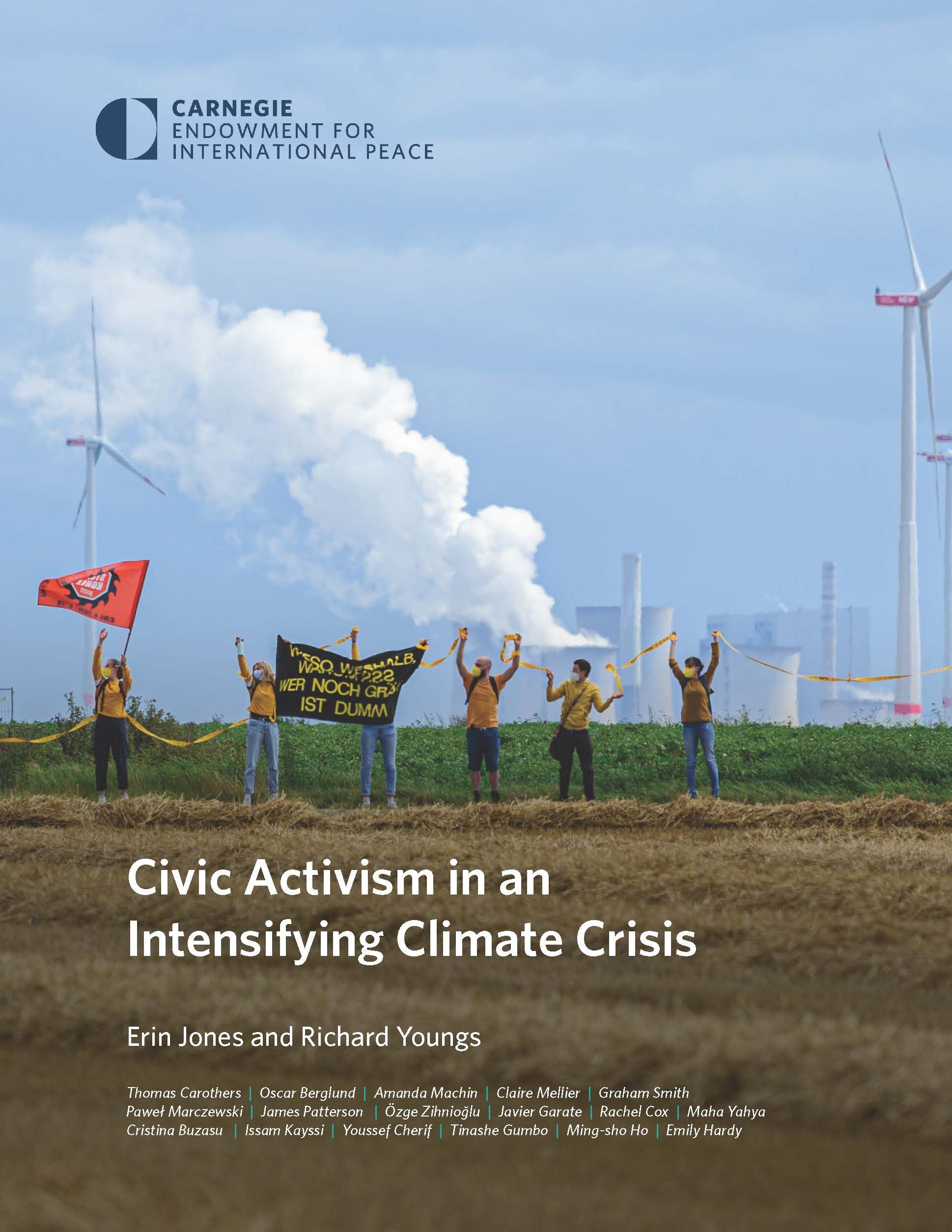
To address the deepening climate crisis, climate activism is employing a wider variety of tactics and aiming at a broader set of goals. In response, the movement faces stronger repression and civic backlash against climate action.

Erin Jones, Richard Youngs

A humanitarian crisis in Lebanon deepens, and Syrian refugees face a perilous choice: remain in a war-torn environment or return to Syria where they risk encountering significant dangers and discrimination. There are significant challenges and risks to their search for safety in Syria.
Haid Haid
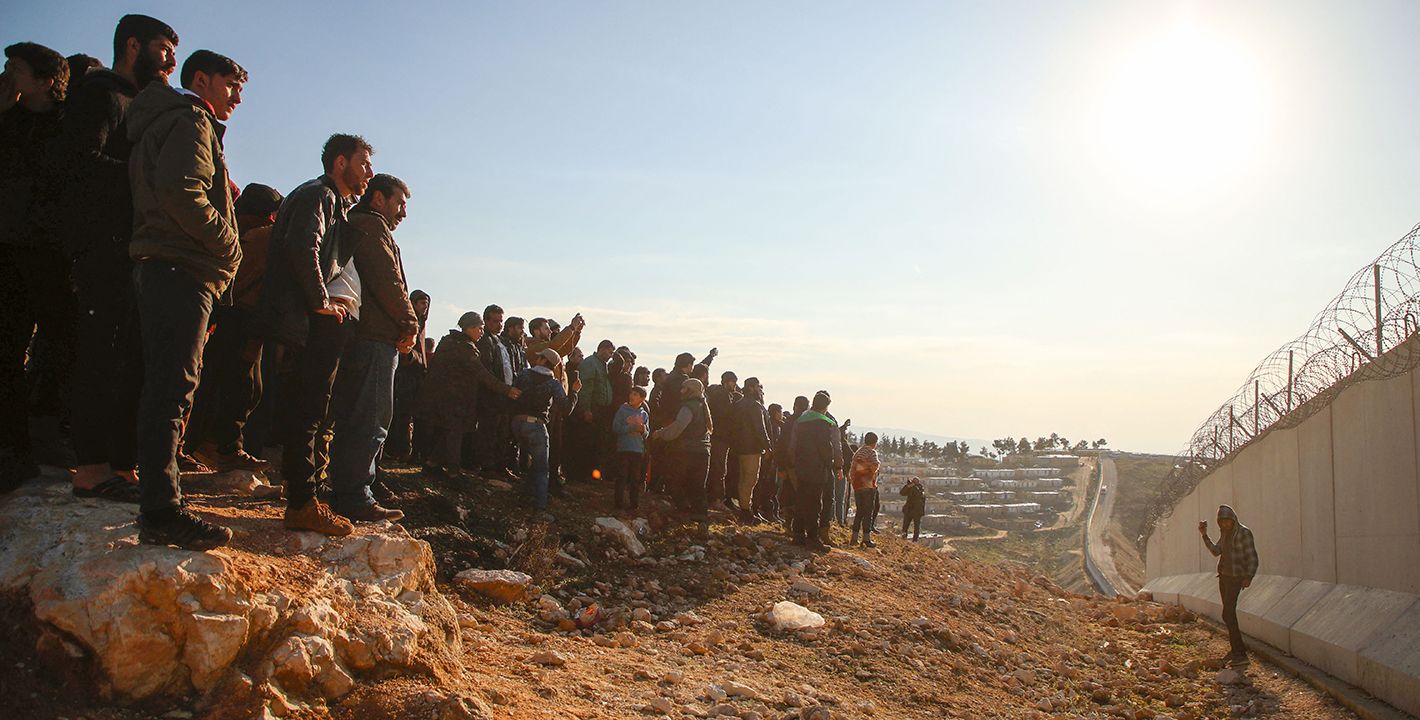
In Syria’s border regions, changes in demographics, economics, and security mean that an inter-Syrian peace process will require consensus among main regional powers that Syria must remain united, that no one side can be victorious, and that perennial instability threatens the region.


Kheder Khaddour, Armenak Tokmajyan