

Commentary
Evan A. Feigenbaum
{
  "authors": [
    "Evan A. Feigenbaum"
  ],
  "type": "other",
  "centerAffiliationAll": "dc",
  "centers": [
    "Carnegie Endowment for International Peace"
  ],
  "collections": [],
  "englishNewsletterAll": "asia",
  "nonEnglishNewsletterAll": "",
  "primaryCenter": "Carnegie Endowment for International Peace",
  "programAffiliation": "AP",
  "programs": [
    "Asia"
  ],
  "projects": [],
  "regions": [
    "South Asia",
    "East Asia",
    "Southeast Asia"
  ],
  "topics": []
}
Source: Getty
While Asia is being reborn and remade, the United States is badly prepared for this momentous rebirth, making it less relevant in each of Asia's constituent parts.
Source: Washington Quarterly

Today, after a 300-year hiatus, Asia is being reconnected at last. Chinese traders are again hawking their wares in Kyrgyz bazaars. Straits bankers are financing deals in India, with Singapore having become the second-largest source of India’s incoming foreign direct investment over the last decade (behind only Mauritius, which retains first place because of tax avoidance incentives). China lies at the core of industrial supply and production chains that stretch across Southeast Asia. And Chinese workers are building ports and infrastructure from Bangladesh to Pakistan to Sri Lanka. The governments of Turkmenistan and Uzbekistan have sold electricity southward, reconnecting their power grids to Afghanistan, while Kyrgyzstan and Tajikistan have signed an intergovernmental memorandum to sell electricity to Afghanistan and Pakistan. Chinese, Japanese, and Korean money is flowing across Asia.

Vice President for Studies
Evan A. Feigenbaum is vice president for studies at the Carnegie Endowment for International Peace, where he oversees work at its offices in Washington, New Delhi, and Singapore on a dynamic region encompassing both East Asia and South Asia. He served twice as Deputy Assistant Secretary of State and advised two Secretaries of State and a former Treasury Secretary on Asia.
Recent Work
Evan A. Feigenbaum
Evan A. Feigenbaum
Carnegie does not take institutional positions on public policy issues; the views represented herein are those of the author(s) and do not necessarily reflect the views of Carnegie, its staff, or its trustees.

The interaction of national armed forces and private business sectors offers a useful lens for viewing the politics of numerous countries of the so-called Global South. A rising trend of military political activism—often accompanied by military commercial activity—underlines the importance of drivers and outcomes in these relationships.


Yezid Sayigh, Hamza Meddeb
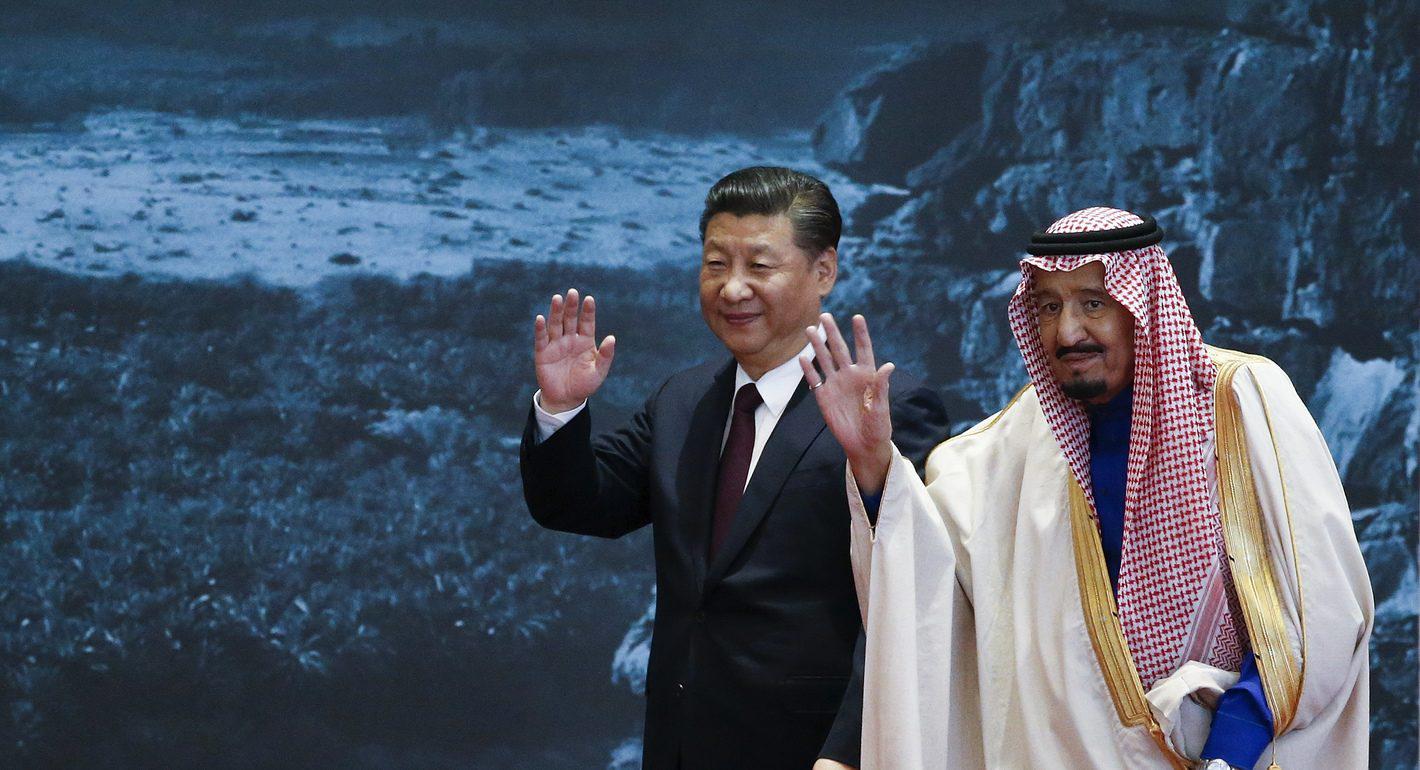
The advantage that China has over other global powers, especially America, is that its foreign policy is closely aligned with those of many of the Middle Eastern countries.


Jin Liangxiang, Maha Yahya, Hesham Alghannam
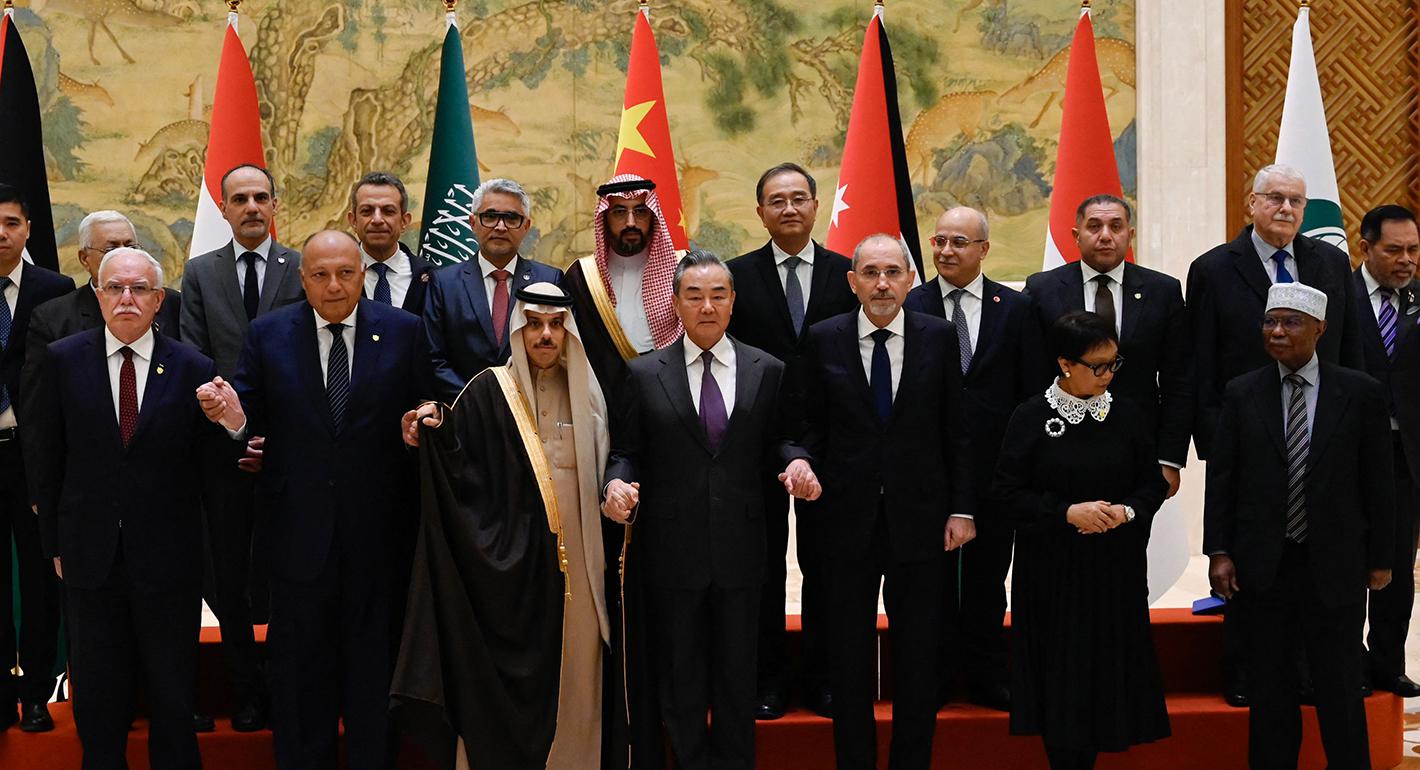
To create an environment more conducive to cooperation and development, U.S. and Chinese efforts should seek the endorsement of neighboring countries and regional organizations. Otherwise, regional and geopolitical rivalries will remain barriers.
Abdullah Baabood

Scholars from Carnegie’s global network comment on how the ongoing conflict between Israelis and Palestinians is affecting their areas of interest, and what the implications of this may be.


Maha Yahya, Rosa Balfour, Judy Dempsey, …
In an interview, Abdullah Baabood discusses Beijing’s evolving role in the Gulf region, where its priority is stability.

Michael Young