• Research
  • Diwan
  • About
  • Experts
Carnegie Middle East logoCarnegie lettermark logo
LebanonIran
{
  "authors": [
    "Joe Lieberman",
    "Michele Dunne",
    "Jeff Gedmin",
    "Uri Dadush"
  ],
  "type": "commentary",
  "centerAffiliationAll": "dc",
  "centers": [
    "Carnegie Endowment for International Peace"
  ],
  "collections": [
    "Arab Awakening"
  ],
  "englishNewsletterAll": "menaTransitions",
  "nonEnglishNewsletterAll": "",
  "primaryCenter": "Carnegie Endowment for International Peace",
  "programAffiliation": "MEP",
  "programs": [
    "Middle East"
  ],
  "projects": [],
  "regions": [
    "Middle East",
    "North Africa",
    "Egypt",
    "North America"
  ],
  "topics": [
    "Political Reform",
    "Economy"
  ]
}
REQUIRED IMAGE

REQUIRED IMAGE

Commentary

Egypt’s Democratic Transition: Five Important Myths About the Economy and International Assistance, July, 22, 2011

The Egyptian economy will play a critical role in the success or failure of the country’s transition to democracy. The U.S. Congress can take concrete steps to help drive Egypt’s economic development at this critical stage.

Link Copied
By Joe Lieberman, Michele Dunne, Jeff Gedmin, Uri Dadush
Published on Jul 22, 2011

The health of the Egyptian economy and international assistance will both play a critical role in the success or failure of Egypt’s transition to democracy.

Senator Joe Lieberman discussed the importance of building a stable, democratic, and prosperous Egypt. Following his remarks, Michele Dunne, Jeff Gedmin, and Uri Dadush discussed the current state of the Egyptian economy. They also outlined the options available to Congress—including further debt relief, trade incentives, investment, and other forms of assistance—to help drive Egypt’s economic development at this critical stage.
 

About the Authors

Joe Lieberman

Michele Dunne

Former Nonresident Scholar, Middle East Program

Michele Dunne was a nonresident scholar in Carnegie’s Middle East Program, where her research focuses on political and economic change in Arab countries, particularly Egypt, as well as U.S. policy in the Middle East.

Jeff Gedmin

Uri Dadush

Former Senior Associate, International Economics Program

Dadush was a senior associate at the Carnegie Endowment for International Peace. He focuses on trends in the global economy and is currently tracking developments in the eurozone crisis.

Authors

Joe Lieberman
Michele Dunne
Former Nonresident Scholar, Middle East Program
Michele Dunne
Jeff Gedmin
Uri Dadush
Former Senior Associate, International Economics Program
Uri Dadush
Political ReformEconomyMiddle EastNorth AfricaEgyptNorth America

Carnegie does not take institutional positions on public policy issues; the views represented herein are those of the author(s) and do not necessarily reflect the views of Carnegie, its staff, or its trustees.

More Work from Malcolm H. Kerr Carnegie Middle East Center

  • Paper
    Egypt’s Military Landlord Economy and its Limitations

    The armed forces champion a form of capitalism that is generating revenue, but its reliance on rent faces diminishing returns, leaving the country with massive sunk costs and deferred returns, deepening dependency on external borrowing.

      Yezid Sayigh

  • Commentary
    Diwan
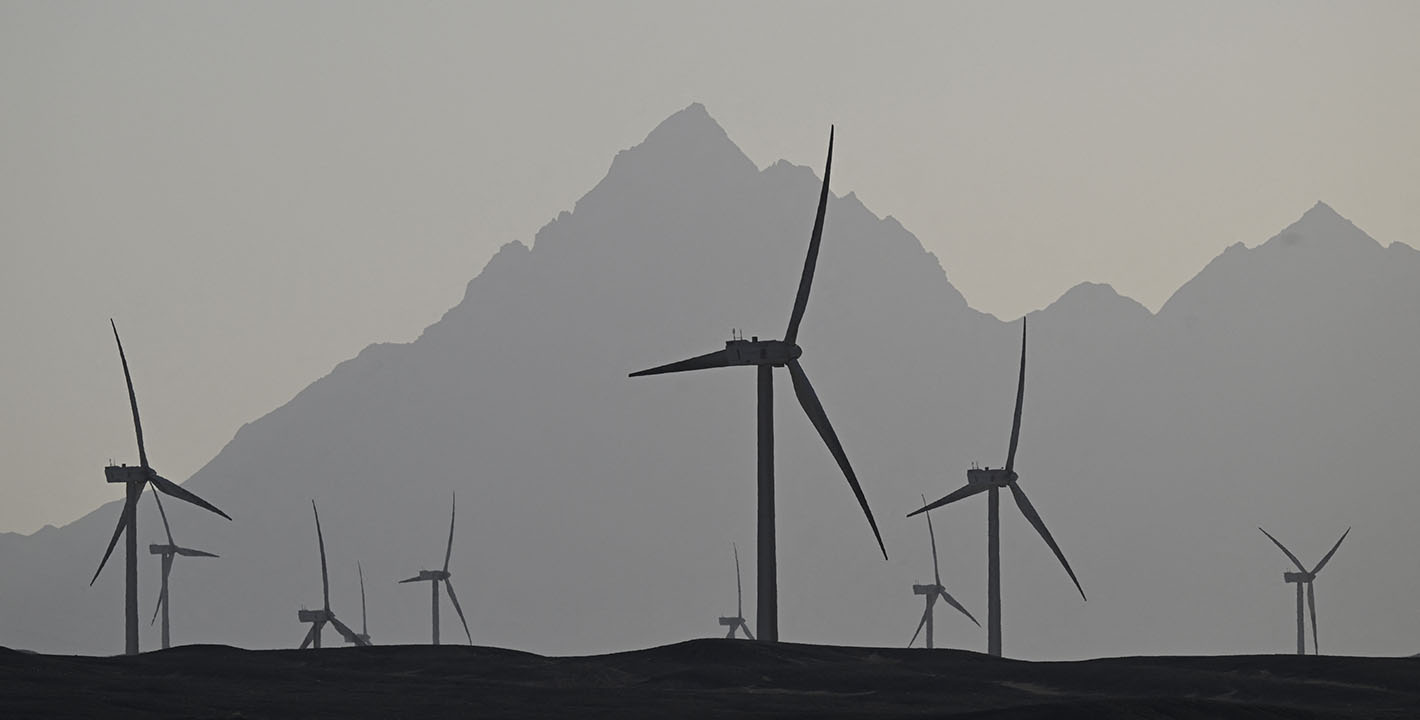
    The West’s Climate Colonialism in the Greater Middle East

    There is a disturbing structural parallel between the old global energy economy and the new green transition.

      • Angie Omar

      Angie Omar

  • Commentary
    Diwan
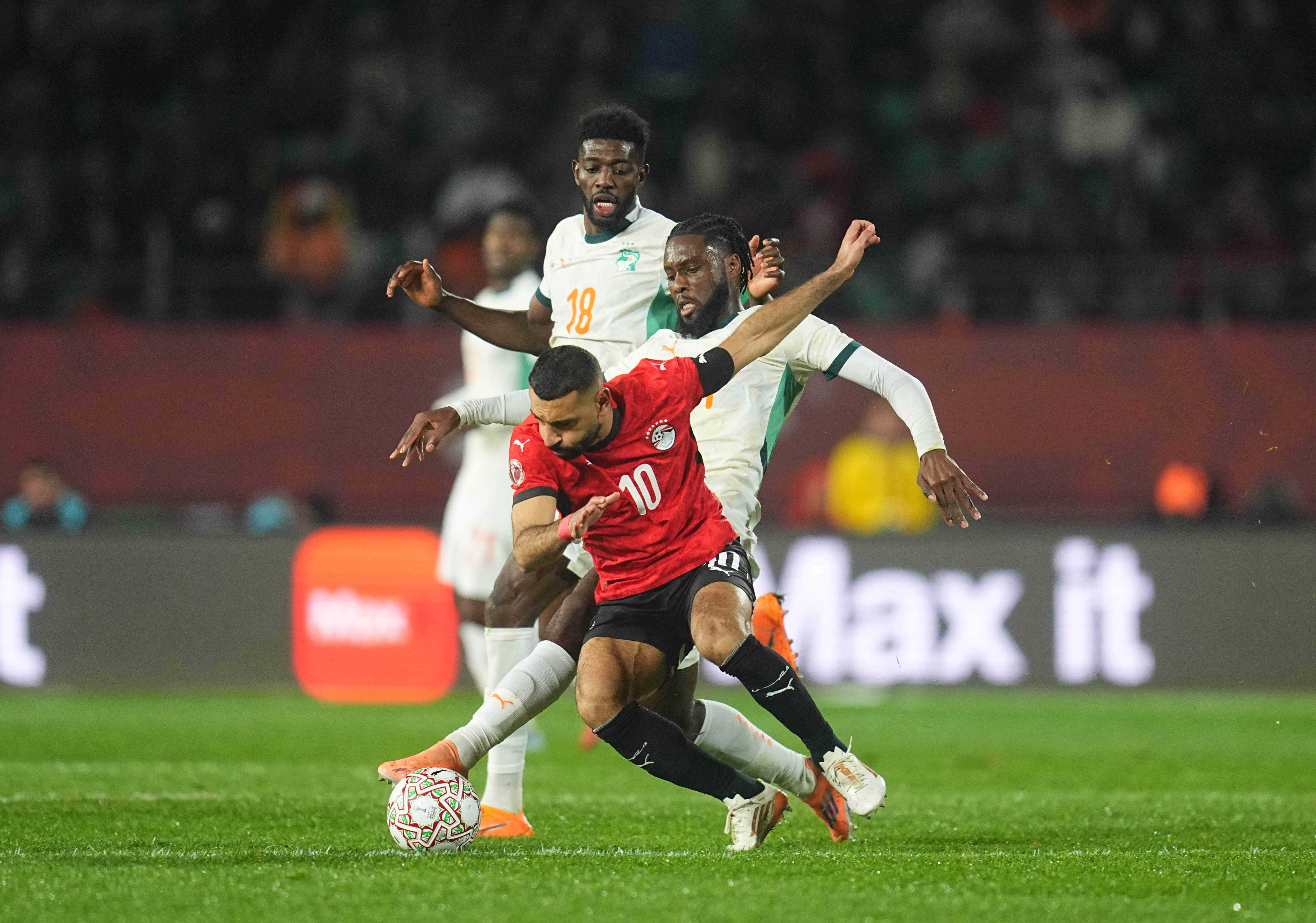
    World Cup 2026: A Middle East and North Africa Primer

    This will be the region’s most representative tournament, amid broad changes in its footballing landscape.

      Issam Kayssi

  • Article
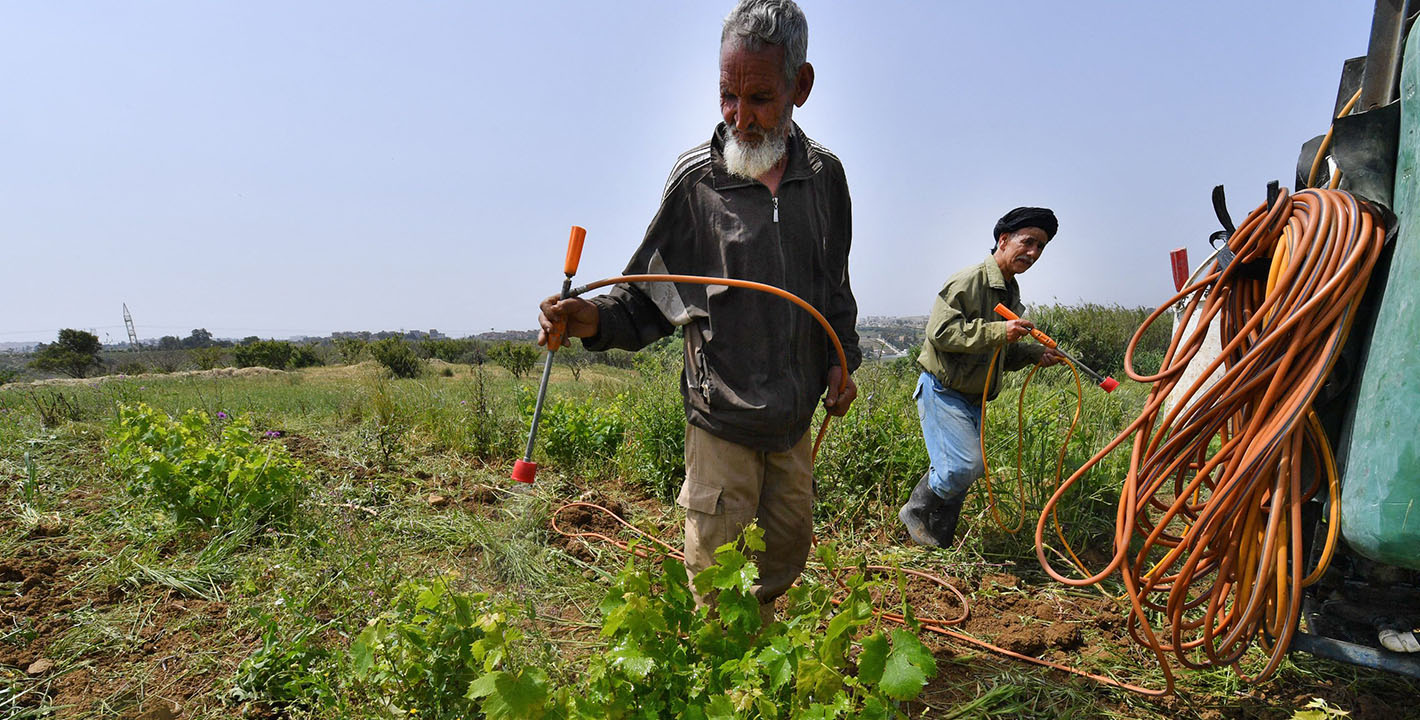
    Climate Pressures in Algeria: The Crisis in Rural Kabylie

    Understanding how farmers in the Oued Sahel-Soummam Valley grapple with climate change is essential for addressing the paradoxes through which adaptation, operating at both individual and institutional levels, deepens the region’s vulnerability and erodes the social fabric and agrarian identity that once defined life.

      Ilyssa Yahmi

  • Commentary
    Diwan
    Egypt’s Discreet Role in the Ceasefire with Iran

    Cairo’s efforts send a message to the United States and the region that it still has a place at the diplomatic table.

      • Angie Omar

      Angie Omar

Get more news and analysis from
Malcolm H. Kerr Carnegie Middle East Center
Carnegie Middle East logo, white
  • Research
  • Diwan
  • About
  • Experts
  • Projects
  • Events
  • Contact
  • Careers
  • Privacy
  • For Media
Get more news and analysis from
Malcolm H. Kerr Carnegie Middle East Center
© 2026 Carnegie Endowment for International Peace. All rights reserved.