• Research
  • Diwan
  • About
  • Experts
Carnegie Middle East logoCarnegie lettermark logo
LebanonIran
{
  "authors": [
    "Togzhan Kassenova"
  ],
  "type": "legacyinthemedia",
  "centerAffiliationAll": "dc",
  "centers": [
    "Carnegie Endowment for International Peace"
  ],
  "collections": [],
  "englishNewsletterAll": "ctw",
  "nonEnglishNewsletterAll": "",
  "primaryCenter": "Carnegie Endowment for International Peace",
  "programAffiliation": "NPP",
  "programs": [
    "Nuclear Policy"
  ],
  "projects": [],
  "regions": [
    "East Asia",
    "Taiwan"
  ],
  "topics": [
    "Nuclear Policy",
    "Nuclear Energy"
  ]
}
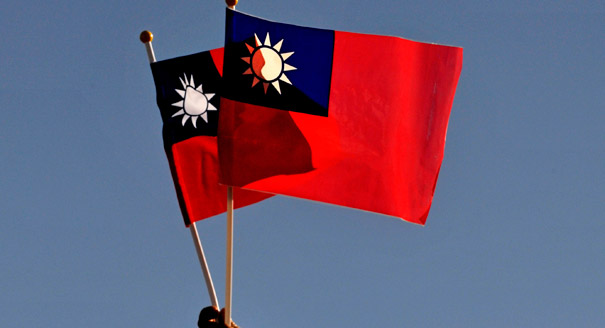
Source: Getty

In The Media

A Black Hole in the Global Nonproliferation Regime: The Case of Taiwan

Taiwan is effectively a legal black hole in the realm of nonproliferation cooperation. The international community needs to find a way to ensure a sustainable commitment to nonproliferation by those, like Taiwan, who are outside the international system.

Link Copied
By Togzhan Kassenova
Published on Sep 8, 2011

Source: Nautilus Institute for Security and Sustainability

A Black Hole in the Global Nonproliferation RegimeTaiwan occupies a unique niche in the world community that necessitates enhanced participation in the global nonproliferation regime. It is one of the world’s key suppliers and consumers of high-tech, dual-use goods and technology. It has a reasonably-advanced nuclear energy program that further increases the flow of sensitive materials and technology. The island is located at the intersection of the world’s major sea-lanes, making it a major transit and transshipment hub. Most critically, there have been attempts (some of which succeeded) to smuggle WMD-sensitive goods out of Taiwan, as well as across its territory.  

Despite the critical security concerns arising as a result of these factors, Taiwan is effectively a legal and political ‘black hole’ in the realm of international nonproliferation cooperation. This is due to its ‘non-state’ status, which prevents it from participating in multilateral nonproliferation treaties and export control regimes, and limits its access to information and intelligence sharing from national and international security agencies. In spite of these challenges, Taiwan demonstrates a relatively strong commitment to upholding the principles and objectives of the global nonproliferation regime. However, given the importance of the issue, the international community cannot afford to remain complacent in addressing a key question: how to ensure a sustainable commitment to nonproliferation by an “outsider” to the international system?

About the Author

Togzhan Kassenova
Togzhan Kassenova

Nonresident Fellow, Nuclear Policy Program

Kassenova is a nonresident fellow in the Nuclear Policy Program at the Carnegie Endowment.

    Recent Work

  • Commentary
    How Kazakhstan Fought Back Against Soviet Nuclear Tests
      • Togzhan Kassenova

      Togzhan Kassenova

  • Report
    Perspectives on the Evolving Nuclear Order
      • Togzhan Kassenova

      Toby Dalton, Togzhan Kassenova, Lauryn Williams

Togzhan Kassenova
Nonresident Fellow, Nuclear Policy Program
Togzhan Kassenova
Nuclear PolicyNuclear EnergyEast AsiaTaiwan

Carnegie does not take institutional positions on public policy issues; the views represented herein are those of the author(s) and do not necessarily reflect the views of Carnegie, its staff, or its trustees.
More Work from Malcolm H. Kerr Carnegie Middle East Center

  • Commentary
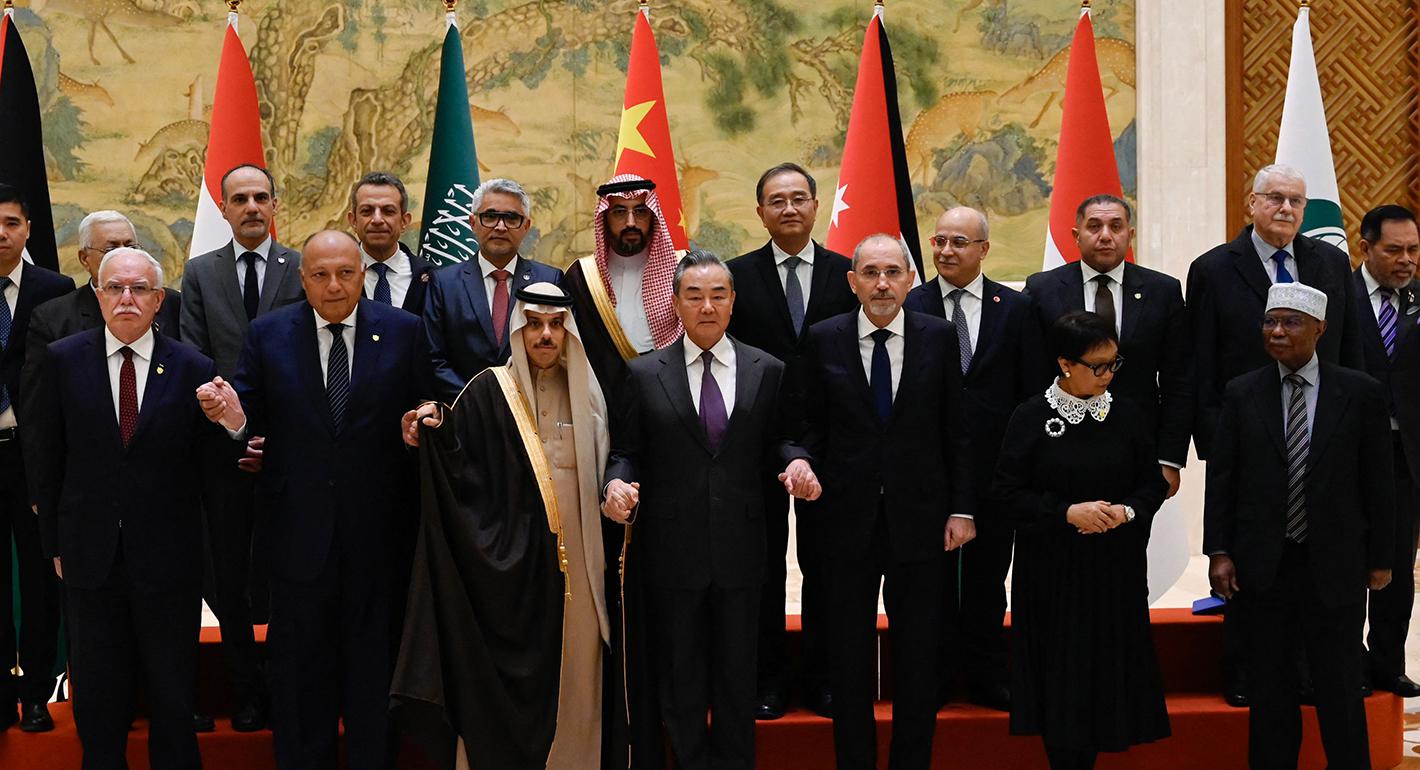
    China’s Evolving Economic and Security Role in the Middle East

    The advantage that China has over other global powers, especially America, is that its foreign policy is closely aligned with those of many of the Middle Eastern countries.

      Jin Liangxiang, Maha Yahya, Hesham Alghannam
  • Article
    The Geopolitics of Economic Development in the Middle East

    To create an environment more conducive to cooperation and development, U.S. and Chinese efforts should seek the endorsement of neighboring countries and regional organizations. Otherwise, regional and geopolitical rivalries will remain barriers.
      Abdullah Baabood
  • Commentary
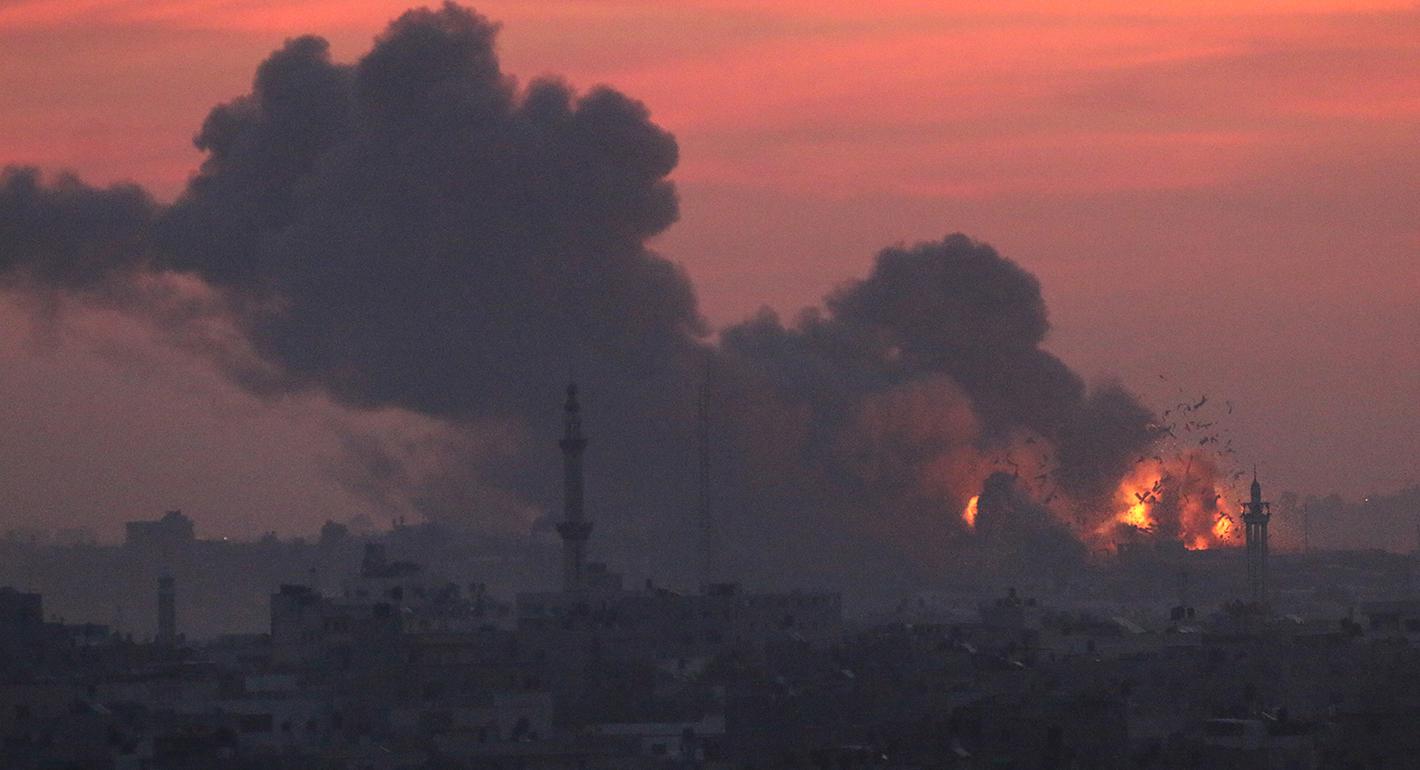
    The Gaza War and the Rest of the World

    Scholars from Carnegie’s global network comment on how the ongoing conflict between Israelis and Palestinians is affecting their areas of interest, and what the implications of this may be.


      • +11

      Maha Yahya, Rosa Balfour, Judy Dempsey, …
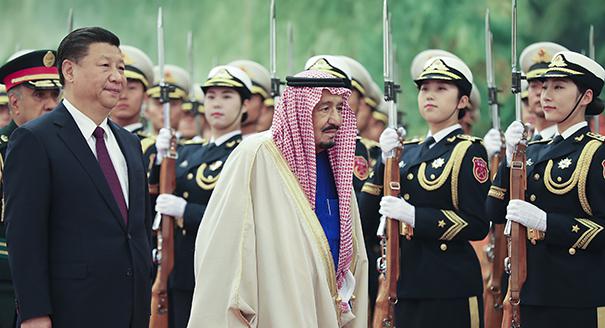
  • Commentary
    Diwan
    China’s Middle Eastern Moment

    In an interview, Abdullah Baabood discusses Beijing’s evolving role in the Gulf region, where its priority is stability.

      Michael Young

  • Article
    Why China Is Emerging as a Main Promoter of Stability in the Strait of Hormuz

    Because of its reliance on the Gulf region for much of its oil and gas, China has a strong interest in preserving security in the region, an early example of which was its mediation of the recent Saudi Arabia-Iran reconciliation.

      Abdullah Baabood

Get more news and analysis from
Malcolm H. Kerr Carnegie Middle East Center
Carnegie Middle East logo, white
  • Research
  • Diwan
  • About
  • Experts
  • Projects
  • Events
  • Contact
  • Careers
  • Privacy
  • For Media
Get more news and analysis from
Malcolm H. Kerr Carnegie Middle East Center
© 2026 Carnegie Endowment for International Peace. All rights reserved.