
• Research
  • Diwan
  • About
  • Experts
Carnegie Middle East logoCarnegie lettermark logo
LebanonIran
{
  "authors": [],
  "type": "other",
  "centerAffiliationAll": "",
  "centers": [
    "Carnegie Endowment for International Peace"
  ],
  "collections": [],
  "englishNewsletterAll": "",
  "nonEnglishNewsletterAll": "",
  "primaryCenter": "Carnegie Endowment for International Peace",
  "programAffiliation": "",
  "programs": [],
  "projects": [],
  "regions": [
    "North Africa",
    "Egypt"
  ],
  "topics": []
}

Source: Getty

Other

Building and Development Party

A backgrounder on the Building and Development Party.

Link Copied
Published on Sep 20, 2011

This resource was published on 9/20/2011 and is not updated to reflected changing circumstances.

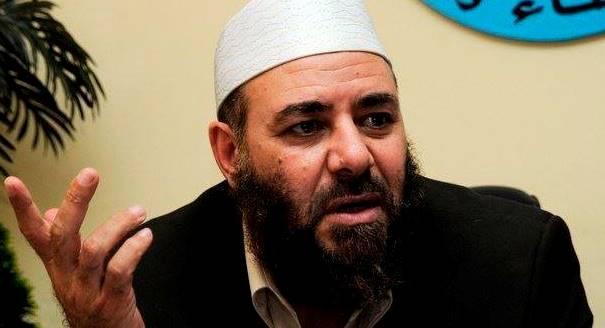
The Building and Development Party (al-Banna’ wa al-Tanmiyya) is the official political party of the Egyptian al-Gama’a al-Islamiyya (the Islamic Group). It was founded by the prominent Islamist Tareq al-Zumr following the January 2011 uprising.  Al-Banna’ wa al-Tanmiyya was a member of the Democratic Alliance until it left on October 14, 2011, accusing the Brotherhood of monopolizing the political process and not dealing with them in good faith. The party won a number of seats in the 2011-2012 parliamentary elections as a member of the Islamist Alliance.

Major Party Figures

Tareq al-Zumr: Founder
Safwat Abd al-Ghani: Founder
Al-Shazli al-Sagher: Founder
Ashraf Tawfiq: Founder
Mohammed Essam Derbala: President of the Shura Council of the Egyptian al-Gama’a al-Islamiyya
Osama Hafez: Vice president of the Shura Council of the Egyptian al-Gama’a al-Islamiyya

Background

On June 20, 2011, the Egyptian al-Gama’a al-Islamiyya announced the establishment of its official political wing, al-Banna’ wa al-Tanmiyya. The party was founded by a number of prominent members of al-Gama’a Islamiyya in Egypt, including Tareq al-Zumr and Safwat Abd al-Ghani. Tareq al-Zumr made headlines in Egypt in March 2011 when he was released from prison along with Aboud al-Zumr, after the two spent thirty years in prison for planning President Anwar al-Sadat’s assassination.

The party’s founders stated that their group has accepted the principles of political pluralism and equality and has renounced all forms of violence. On September 19, the Political Parties Affairs Committee denied the party a license because its platform was deemed “purely religious.” Al-Banna’ wa al-Tanmiyya finally gained official recognition as a political party in October 2011.

Platform

Political Issues

  • Supporting a new political system based on the principles of freedom, justice, plurality, equality, and peaceful rotation of power
  • Promoting legal, constitutional, and political reform, such as greater judicial oversight over the national security apparatus
  • Supporting solutions to social, political, economic, and strategic challenges that come from Islam and the modern application of Islamic law

Socioeconomic Issues

  • Preserving Egypt’s Islamic and Arab identity and challenging any attempts at Westernization and secularization
  • Establishing strong Islamic values in society to combat injustice, corruption, and moral decay
  • Establishing Islamic hudud or criminal punishments including the cutting off of hands for theft, stoning to death of adulterers, and lashing of those who drink alcohol
  • Supporting the roles of the family and women in society in accordance with Islamic principles
  • Spreading the political concepts and values of Islam and combating smear campaigns against Islam

Foreign Policy Issues

  • Affirming Egypt’s role as a leader of the Arab world and the Islamic community
  • Supporting the right of occupied peoples to their land, especially in Palestine
  • Establishing stronger political and economic relations with the Nile Basin countries
North AfricaEgypt

Carnegie does not take institutional positions on public policy issues; the views represented herein are those of the author(s) and do not necessarily reflect the views of Carnegie, its staff, or its trustees.

More Work from Malcolm H. Kerr Carnegie Middle East Center

  • Commentary
    Diwan
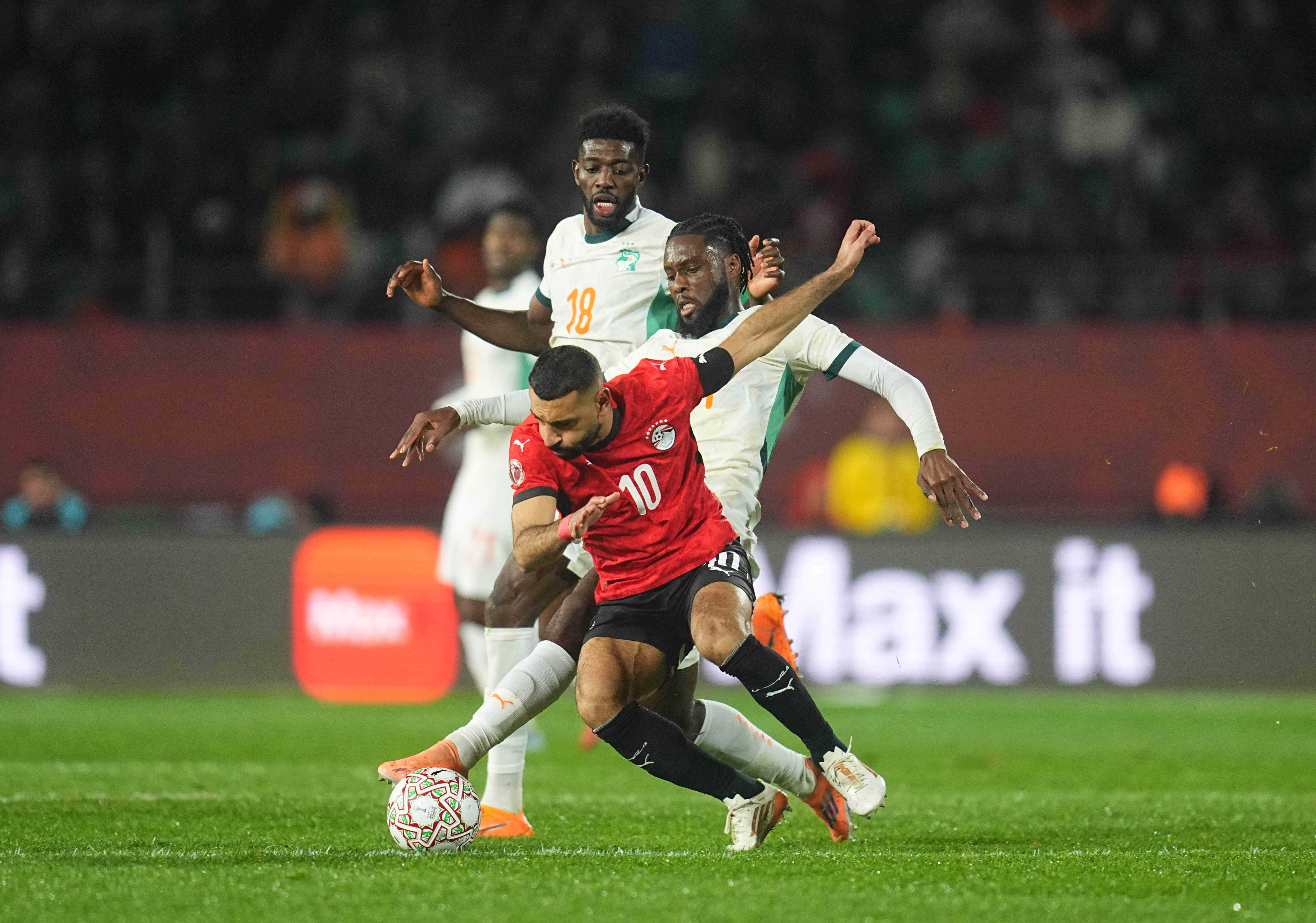
    When Football Is More Than Football

    The recent African Cup of Nations tournament in Morocco touched on issues that largely transcended the sport.

      Issam Kayssi, Yasmine Zarhloule

  • Article
    Rethinking Power-Sharing Agreements in Libya

    The UN Support Mission in the country should reassess its approach so that consensus between the warring parties becomes the eventual goal, rather than a procedural matter that dogs the negotiating process at every turn.

      Soraya Rahem

  • Commentary
    Diwan
    Has Sisi Found a Competent Military Entrepreneur?

    Mustaqbal Misr has expanded its portfolio with remarkable speed, but a lack of transparency remains.

      Yezid Sayigh

  • Commentary
    Diwan
    Women, Water, and Adaptation in Ait Khabbash

    The burden of environmental degradation is felt not only through physical labor but also emotional and social loss.

      Yasmine Zarhloule, Ella Williams

  • Article
    Between Marginalization and Climate Change: The Resilience of Morocco’s Ait Khabbash

    For the traditionally nomadic Amazigh pastoralists in the Draa-Tafilalet region, environmental change has exacerbated long-standing inequities, forcing the community to adapt, which has laid bare the blind spots of state-centered climate policy frameworks.

      Yasmine Zarhloule, Ella Williams

Get more news and analysis from
Malcolm H. Kerr Carnegie Middle East Center
Carnegie Middle East logo, white
  • Research
  • Diwan
  • About
  • Experts
  • Projects
  • Events
  • Contact
  • Careers
  • Privacy
  • For Media
Get more news and analysis from
Malcolm H. Kerr Carnegie Middle East Center
© 2026 Carnegie Endowment for International Peace. All rights reserved.