
• Research
  • Diwan
  • About
  • Experts
Carnegie Middle East logoCarnegie lettermark logo
LebanonIran
{
  "authors": [],
  "type": "other",
  "centerAffiliationAll": "",
  "centers": [
    "Carnegie Endowment for International Peace"
  ],
  "collections": [],
  "englishNewsletterAll": "",
  "nonEnglishNewsletterAll": "",
  "primaryCenter": "Carnegie Endowment for International Peace",
  "programAffiliation": "",
  "programs": [],
  "projects": [],
  "regions": [
    "North Africa",
    "Egypt"
  ],
  "topics": []
}

Source: Getty

Other

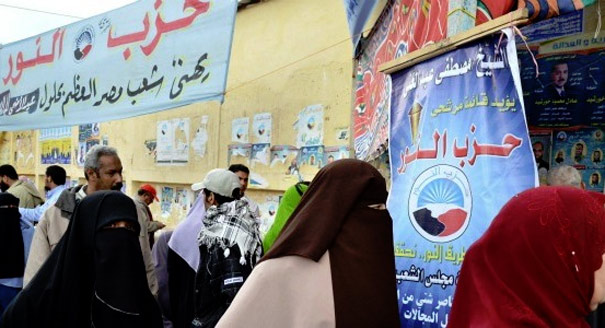
Nour Party

A backgrounder on the Nour Party.

Link Copied
Published on Sep 21, 2011

This resource was published on 09/21/2011 and is not updated to reflect changing circumstances.

Al-Nour is a Salafi political party founded after the January 2011 uprising. It was originally a member of the Democratic Alliance, but left the alliance in September 2011, becoming the founding member and largest party in the Islamist Alliance.

Major Party Figures

Younes Makhioun: President

Background

Al-Nour was founded in 2011 following the January 2011 uprising. It was the first Salafi political organization to submit a request to be recognized as an official political party. The party’s former president, Emad ad-Din Abd al-Ghofour, made the request in May 2011 as the representative of the party’s founders, and al-Nour was granted official status on June 12, 2011. The party advocates gradual reform under the slogan: “The only reform we desire is the reform we can achieve.”  This slogan is based on a view of the principles of Islam as a comprehensive framework for religion and state.

Platform

Political Issues

  • Supporting Article 2 of the Egyptian Constitution which states that Islam is the religion of the state and the Islamic law is the main source of legislation
  • Preserving fundamental rights and public freedoms in the framework of Islamic law
  • Calling for Islamic law to serve as the guiding  principles for all political, social and economic issues
  • Supporting separation between the legislative, judicial and executive powers and independence of the judiciary

Socioeconomic Issues

  • Preserving the right to private property and free economic competition as long as it does not harm the interests of society
  • Reducing  unemployment through state provision of jobs
  • Recognizing health care as a basic human right
  • Calling for the complete independence of al-Azhar from the government and restoration of its prominent role throughout the Islamic world
  • Improving education and establishing training programs throughout Egypt
  • Advocating for a greater state role in the institutions of Zakat and Waqf
  • Supporting religious freedom for the Copts and separate personal status laws for non-Muslims

Foreign Policy Issues

  • Founding foreign relations on a basis of mutual respect and equality
  • Supporting a greater role for Egypt in the Arab and Islamic worlds as well as among the Nile Basin countries, particularly Sudan
North AfricaEgypt

Carnegie does not take institutional positions on public policy issues; the views represented herein are those of the author(s) and do not necessarily reflect the views of Carnegie, its staff, or its trustees.

More Work from Malcolm H. Kerr Carnegie Middle East Center

  • Commentary
    Diwan
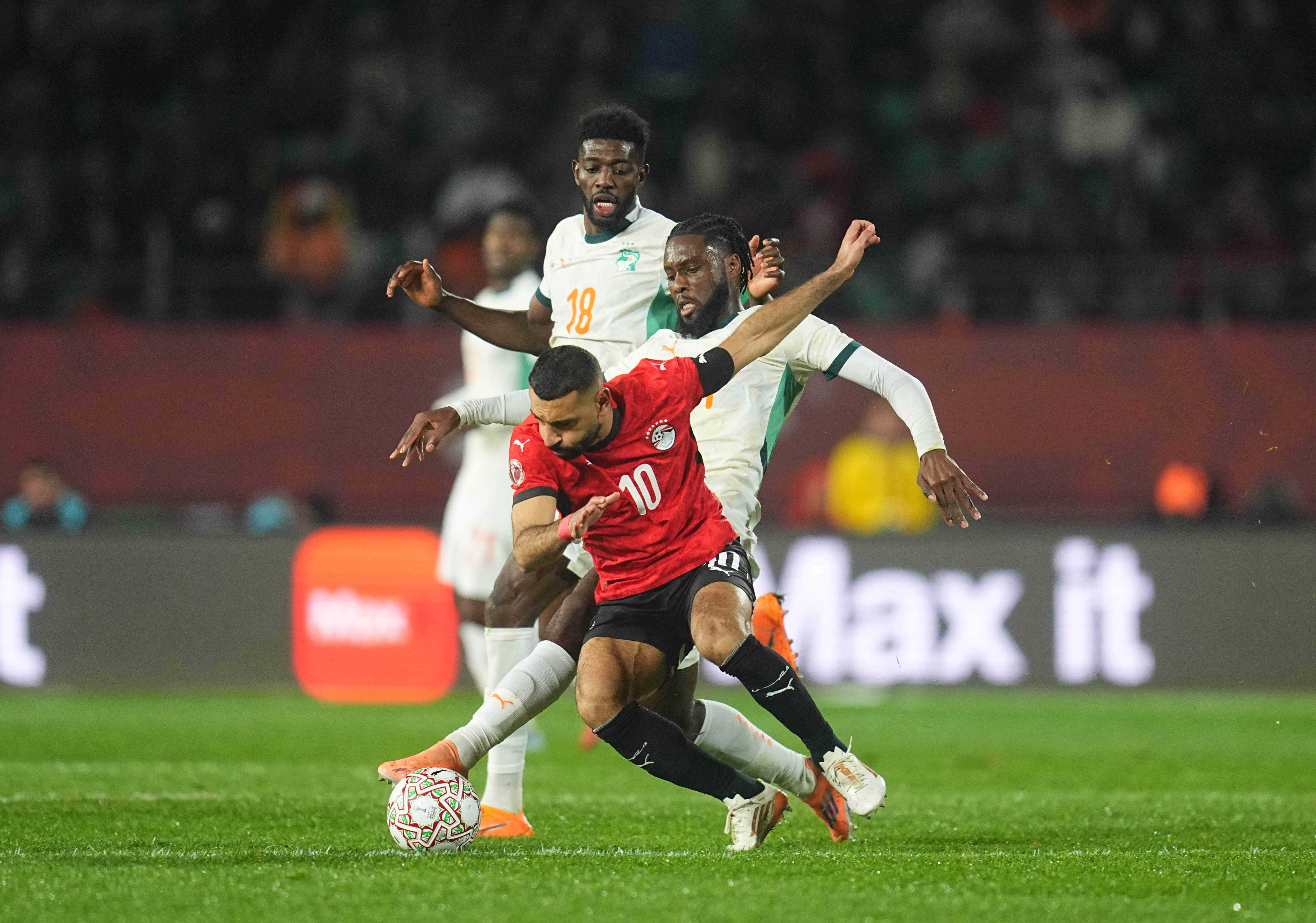
    When Football Is More Than Football

    The recent African Cup of Nations tournament in Morocco touched on issues that largely transcended the sport.

      Issam Kayssi, Yasmine Zarhloule

  • Article
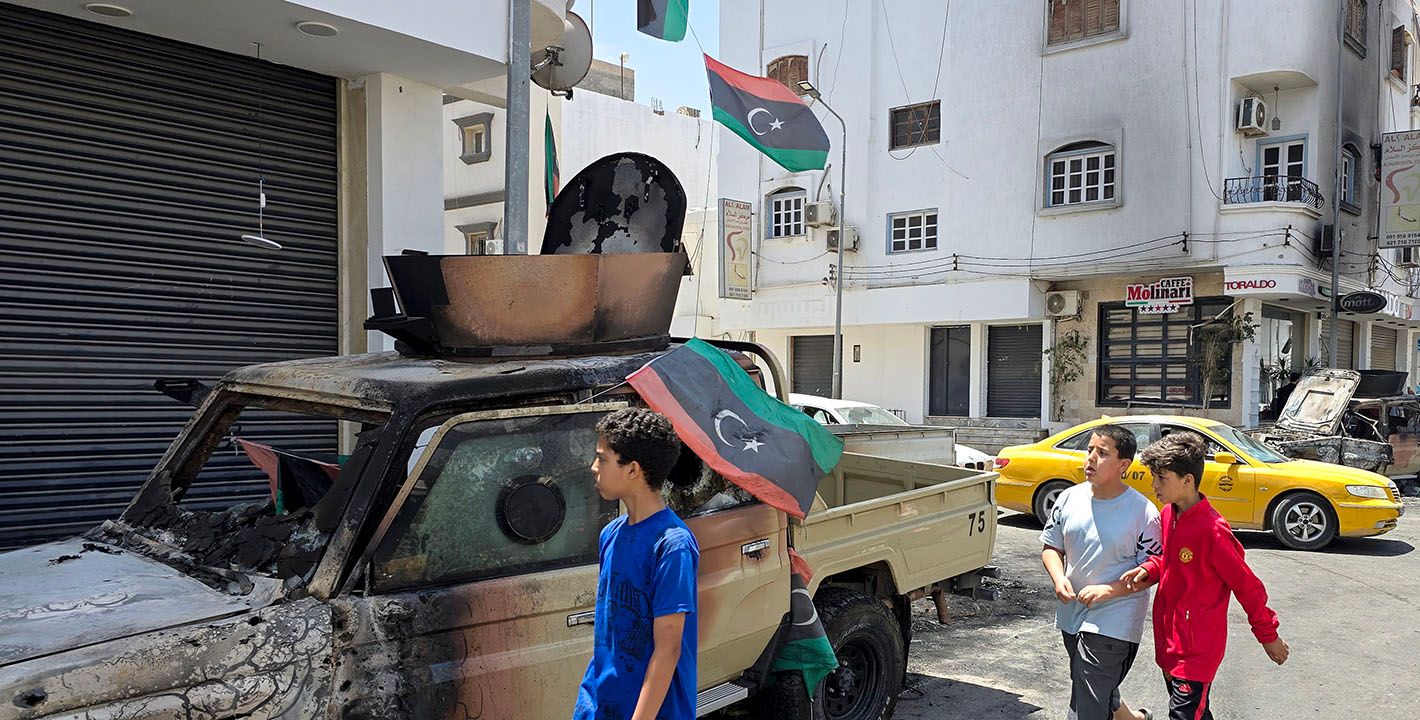
    Rethinking Power-Sharing Agreements in Libya

    The UN Support Mission in the country should reassess its approach so that consensus between the warring parties becomes the eventual goal, rather than a procedural matter that dogs the negotiating process at every turn.

      Soraya Rahem

  • Commentary
    Diwan
    Has Sisi Found a Competent Military Entrepreneur?

    Mustaqbal Misr has expanded its portfolio with remarkable speed, but a lack of transparency remains.

      Yezid Sayigh

  • Commentary
    Diwan
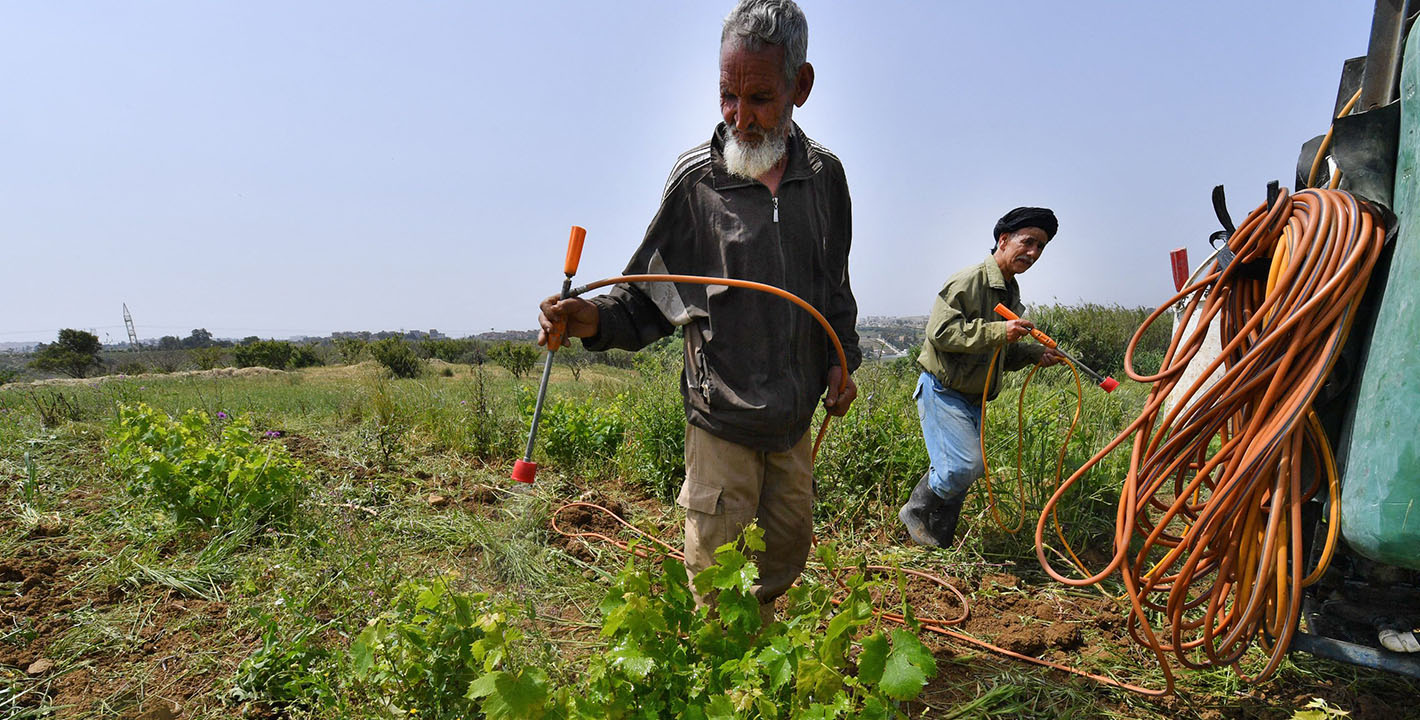
    Women, Water, and Adaptation in Ait Khabbash

    The burden of environmental degradation is felt not only through physical labor but also emotional and social loss.

      Yasmine Zarhloule, Ella Williams

  • Article
    Between Marginalization and Climate Change: The Resilience of Morocco’s Ait Khabbash

    For the traditionally nomadic Amazigh pastoralists in the Draa-Tafilalet region, environmental change has exacerbated long-standing inequities, forcing the community to adapt, which has laid bare the blind spots of state-centered climate policy frameworks.

      Yasmine Zarhloule, Ella Williams

Get more news and analysis from
Malcolm H. Kerr Carnegie Middle East Center
Carnegie Middle East logo, white
  • Research
  • Diwan
  • About
  • Experts
  • Projects
  • Events
  • Contact
  • Careers
  • Privacy
  • For Media
Get more news and analysis from
Malcolm H. Kerr Carnegie Middle East Center
© 2026 Carnegie Endowment for International Peace. All rights reserved.