• Research
  • Diwan
  • About
  • Experts
Carnegie Middle East logoCarnegie lettermark logo
LebanonIran
{
  "authors": [
    "Michael Pettis"
  ],
  "type": "other",
  "centerAffiliationAll": "",
  "centers": [
    "Carnegie Endowment for International Peace"
  ],
  "collections": [],
  "englishNewsletterAll": "",
  "nonEnglishNewsletterAll": "",
  "primaryCenter": "Carnegie Endowment for International Peace",
  "programAffiliation": "",
  "programs": [],
  "projects": [],
  "regions": [
    "East Asia",
    "China",
    "Western Europe"
  ],
  "topics": [
    "Economy"
  ]
}

Source: Getty

Other

Chinese Euro Intervention

Europe can solve its own domestic liquidity issues and it is unreasonable to expect China to resolve European solvency problems.

Link Copied
By Michael Pettis
Published on Dec 1, 2011
What are the prospects of a major Chinese intervention in the euro?
Michael Pettis
For at least the past one or two years, China has been slowly shifting the composition of its reserve accumulation, with euros likely growing as a share of new reserves. But this doesn't mean we should expect a major Chinese intervention in the euro, especially if by intervention we mean that China will provide money in a way that relieves pressure on the inability of peripheral European countries to borrow.

There is already a great deal of domestic concern about the safety of China's reserve accumulation, and the idea that China is bailing out risky European borrowers, when China has such huge domestic problems, is not likely to be popular at home.

Read more

At best, I would expect that China will participate in international programs in which the credit risk is not limited to the peripheral European borrowers. For example, China may provide more funding to the International Monetary Fund that can then provide financing facilities to European sovereign borrowers.

Will this help Europe? Almost certainly not. Foreign capital inflows come with exported demand and slower domestic growth. Europe can solve its own domestic liquidity problems, and it is unreasonable to expect foreigners to resolve European solvency problems. Turning to foreigners for capital is not a strategy so much as an indication of total confusion.

About the Author

Michael Pettis

Nonresident Senior Fellow, Carnegie China

Michael Pettis is a nonresident senior fellow at the Carnegie Endowment for International Peace. An expert on China’s economy, Pettis is professor of finance at Peking University’s Guanghua School of Management, where he specializes in Chinese financial markets. 

    Recent Work

  • Commentary
    Is China’s High-Quality Investment Output Economically Viable?

      Michael Pettis

  • Commentary
    What GDP Means in a Soft Budget Economy Like China

      Michael Pettis

Michael Pettis
Nonresident Senior Fellow, Carnegie China
Michael Pettis
EconomyEast AsiaChinaWestern Europe

Carnegie does not take institutional positions on public policy issues; the views represented herein are those of the author(s) and do not necessarily reflect the views of Carnegie, its staff, or its trustees.
More Work from Malcolm H. Kerr Carnegie Middle East Center

  • Commentary
    Diwan
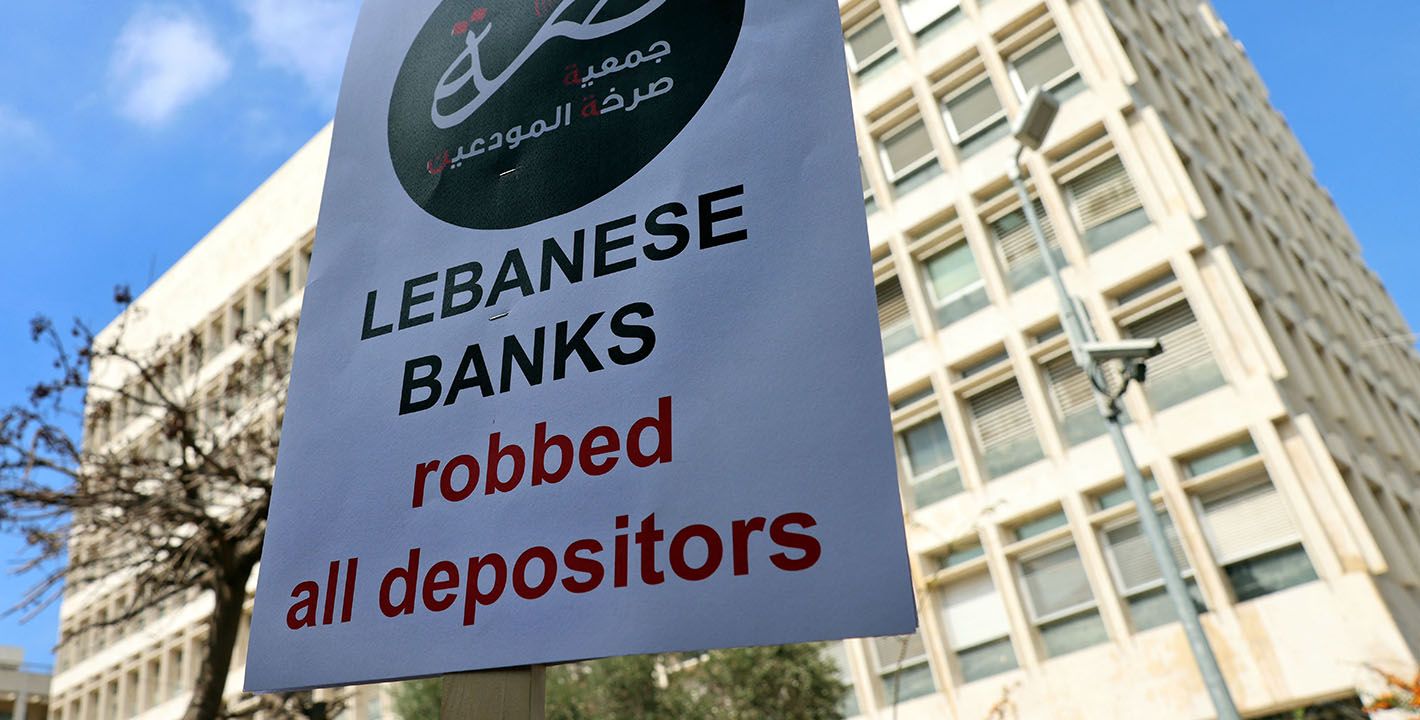
    Unpacking Lebanon’s Gap Law

    In an interview, Ishac Diwan looks at the merits and flaws in the draft legislation distributing losses from the financial collapse.

      Michael Young
  • Commentary
    Diwan
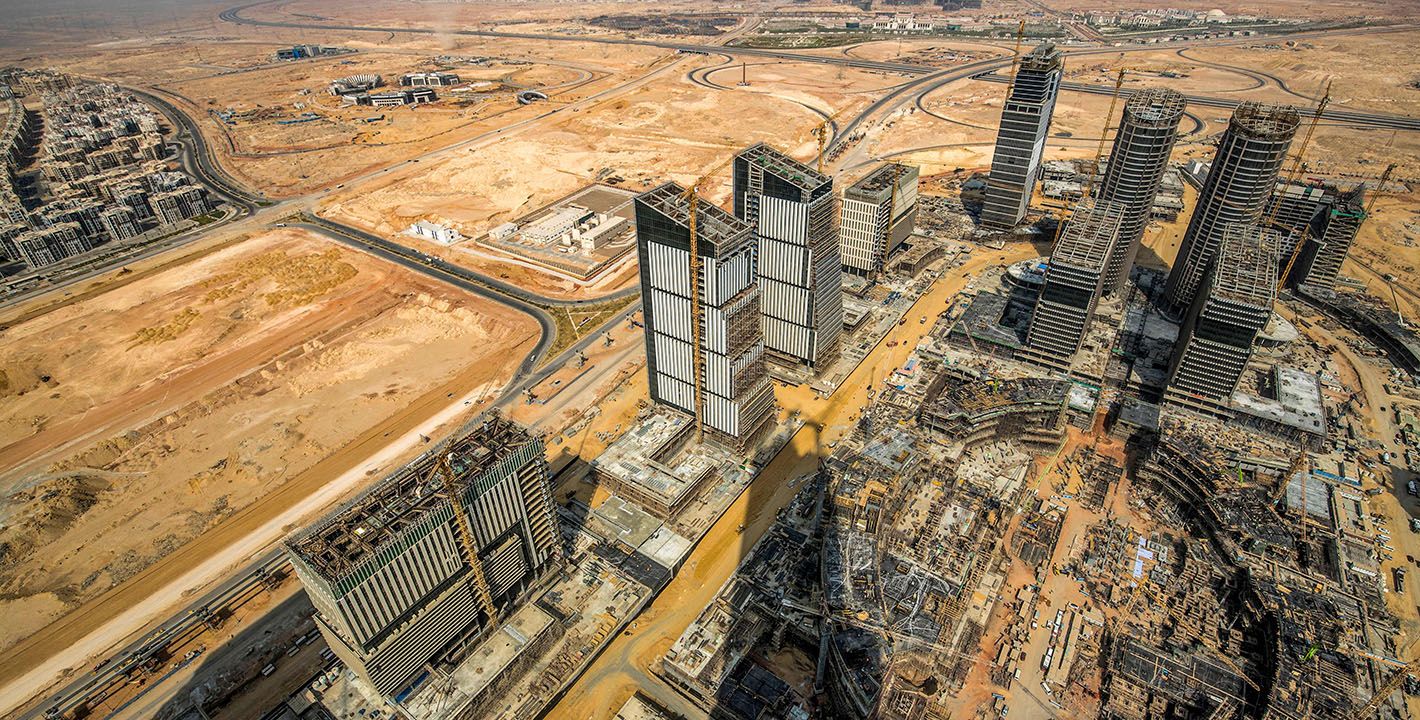
    Has Sisi Found a Competent Military Entrepreneur?

    Mustaqbal Misr has expanded its portfolio with remarkable speed, but a lack of transparency remains.

      Yezid Sayigh

  • Research
    Arab Diaspora Business Communities in Egypt

    Arab diaspora business communities in Egypt often mirror the same systemic challenges facing Egyptian businesses.
      • +4

      Nur Arafeh, Yezid Sayigh, Qaboul al-Absi, …

  • Article
    Saudi Arabia in Africa: Sound Economic and Geopolitical Strategy, or Resource Exploitation?

    Largely characterized thus far by a single-minded focus on extractivism, Riyadh must commit to greater equitability in its approach to investment and development deals with Sudan, Ethiopia, and Eritrea.

      Hesham Alghannam
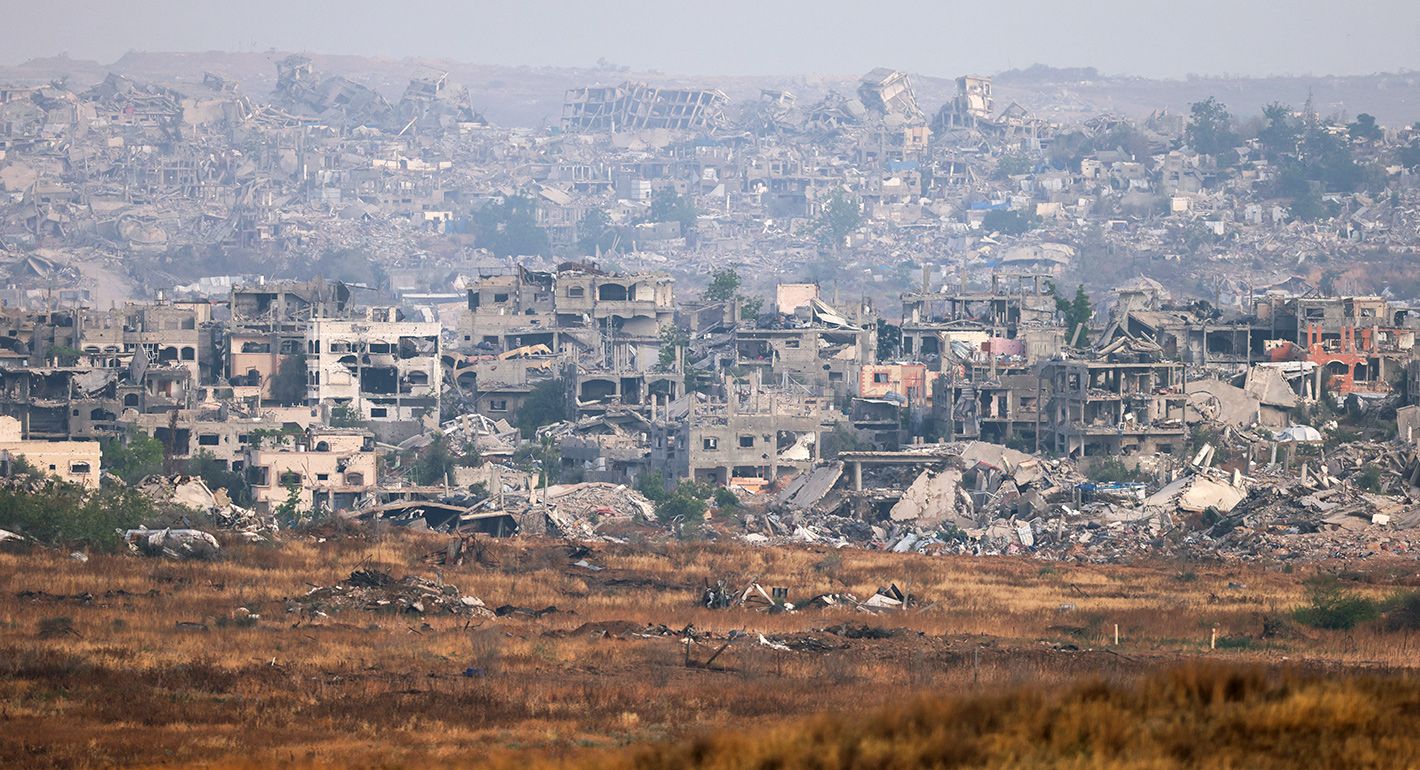
  • A picture taken from a position at the Israeli border with the Gaza Strip shows the destruction due to Israeli bombardment in the besieged Palestinian territory on May 18, 2025
    Article
    Destruction, Disempowerment, and Dispossession: Disaster Capitalism and the Postwar Plans for Gaza

    Once Israel’s war in the territory is brought to an end, the foundational principles guiding reconstruction should be Palestinian self-determination, local agency, and sovereignty.

      Nur Arafeh, Mandy Turner

Get more news and analysis from
Malcolm H. Kerr Carnegie Middle East Center
Carnegie Middle East logo, white
  • Research
  • Diwan
  • About
  • Experts
  • Projects
  • Events
  • Contact
  • Careers
  • Privacy
  • For Media
Get more news and analysis from
Malcolm H. Kerr Carnegie Middle East Center
© 2026 Carnegie Endowment for International Peace. All rights reserved.