• Research
  • Diwan
  • About
  • Experts
Carnegie Middle East logoCarnegie lettermark logo
LebanonIran
{
  "authors": [
    "Ibrahim Saif"
  ],
  "type": "other",
  "centerAffiliationAll": "",
  "centers": [
    "Carnegie Endowment for International Peace",
    "Malcolm H. Kerr Carnegie Middle East Center"
  ],
  "collections": [
    "Arab Awakening"
  ],
  "englishNewsletterAll": "",
  "nonEnglishNewsletterAll": "",
  "primaryCenter": "Malcolm H. Kerr Carnegie Middle East Center",
  "programAffiliation": "",
  "programs": [],
  "projects": [],
  "regions": [
    "North Africa",
    "Egypt",
    "North America"
  ],
  "topics": [
    "Economy"
  ]
}
Source: Getty

Other
Malcolm H. Kerr Carnegie Middle East Center

The Global Slowdown and Egypt's Economy

The overall impact of the global downturn on Egypt is that it creates deflationary expectations. As a result, domestic and foreign investors prefer to wait until the dust settles before they make their investment decisions.
Link Copied
By Ibrahim Saif
Published on Dec 12, 2011
What effect has the global slowdown had on Egypt's economy during its political transition?
Ibrahim Saif
The overall impact of the global downturn is that it creates deflationary expectations. As a result, domestic and foreign investors prefer to wait until the dust settles before they make their investment decisions.

The global slowdown has had a negative impact on the inflow of foreign investment, from both the Gulf countries and the broader international market. This has been associated with a decline in worker remittances, which constitutes nearly 10 percent of Egypt’s national economy.

Read more

Moreover, tourism—a significant sector in Egypt employing almost one-quarter of the labor force—has been crippled by a combination of the global slowdown and security concerns.

Exports of goods have declined as a result of a declining global demand and a decline of government support for exporters, including low tax rate and credit lending. The cost of lending, in terms of the borrowing interest rate, has reached nearly 11 percent, which is extremely high especially with the high degree of instability.

All of this has resulted in a tight lending policy at a time when liquidity is most needed, hence complicating the transitional period.

About the Author

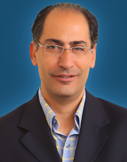
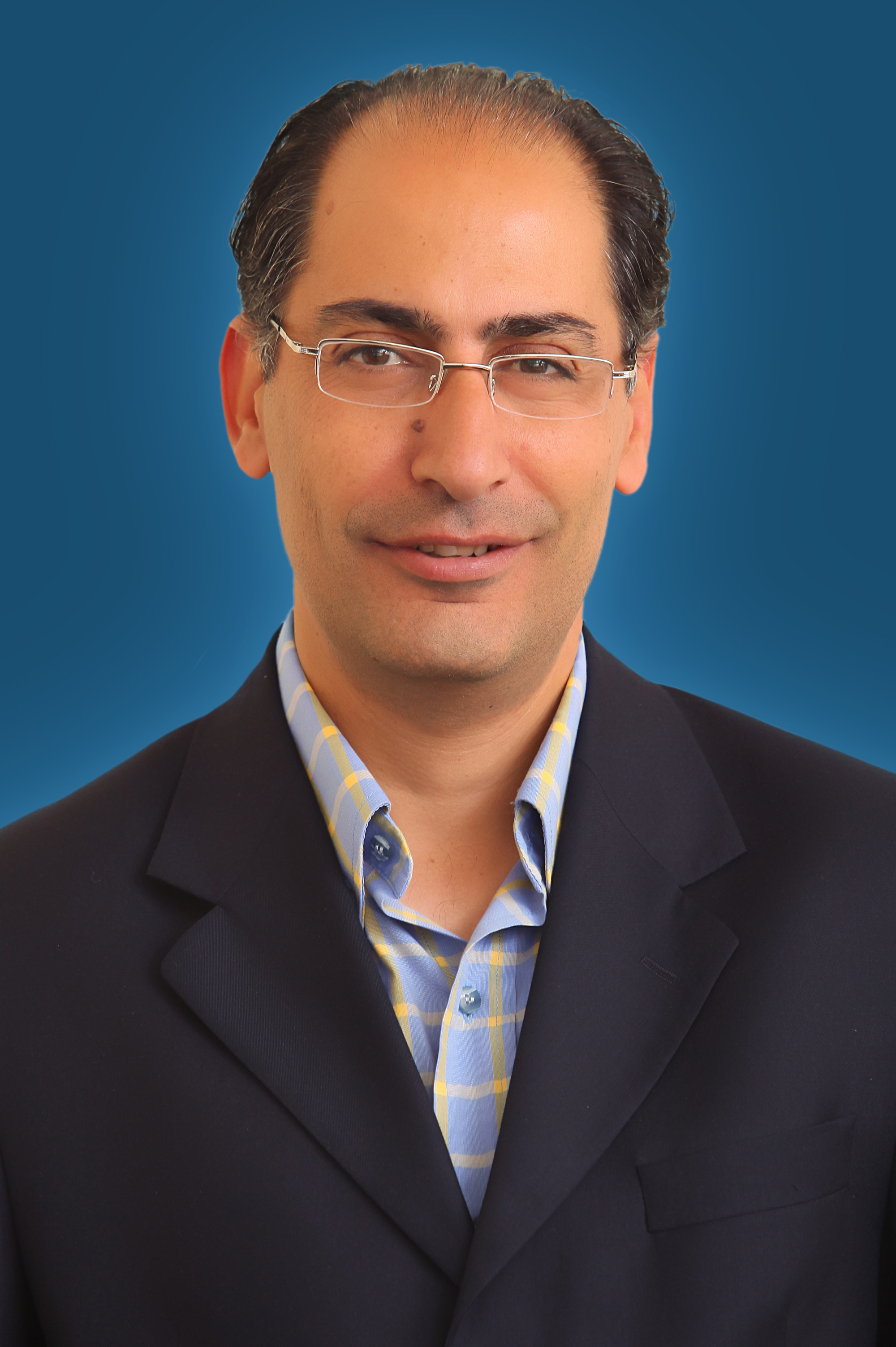
Ibrahim Saif

Former Senior Associate, Middle East Center

Saif is an economist specializing in the political economy of the Middle East. His research focuses on international trade and structural adjustment programs in developing countries, with emphasis on Jordan and the Middle East.

    Recent Work

  • Paper
    The Private Sector in Postrevolution Egypt

      Ibrahim Saif, Ahmed Ghoneim

  • Paper
    The Economic Agenda of the Islamist Parties

      Ibrahim Saif, Muhammad Abu Rumman

Ibrahim Saif
Former Senior Associate, Middle East Center
Ibrahim Saif
EconomyNorth AfricaEgyptNorth America

Carnegie does not take institutional positions on public policy issues; the views represented herein are those of the author(s) and do not necessarily reflect the views of Carnegie, its staff, or its trustees.
More Work from Malcolm H. Kerr Carnegie Middle East Center

  • Commentary
    Diwan
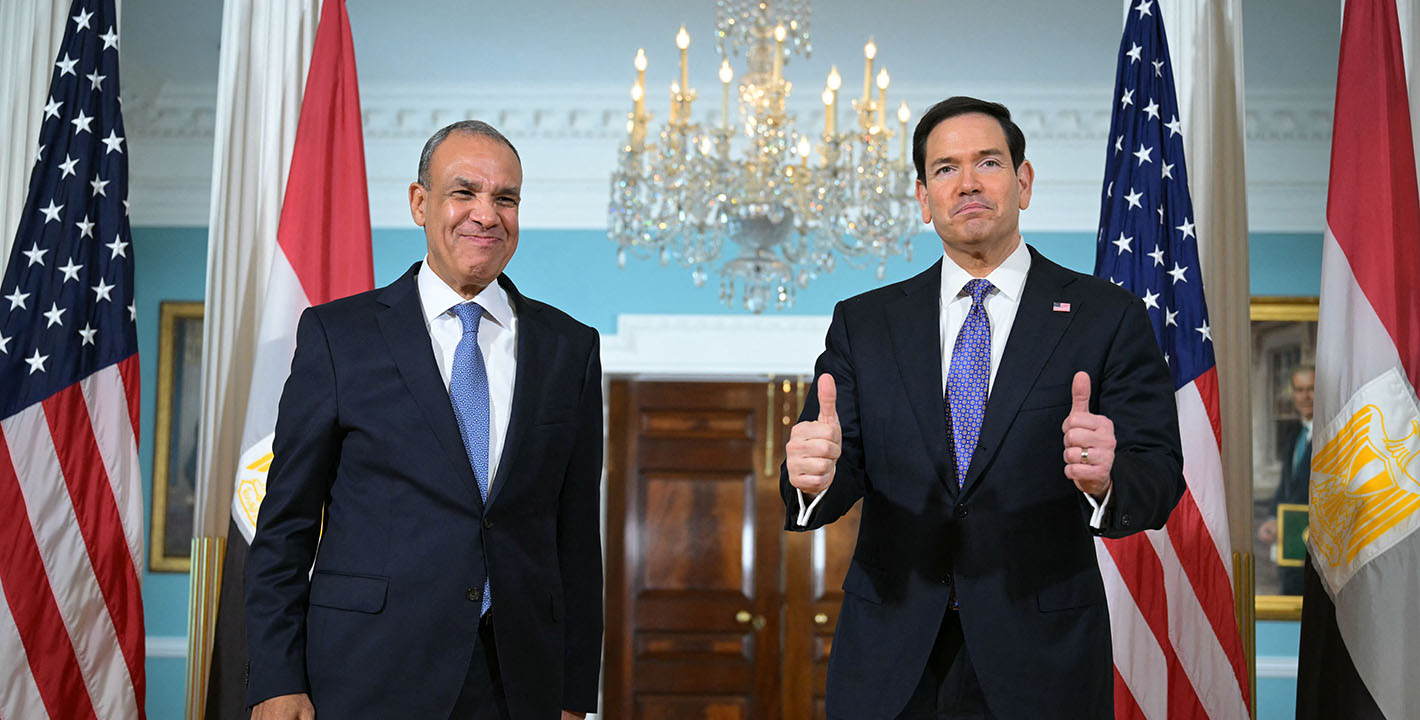
    Egypt’s Discrete Role in the Ceasefire with Iran

    Cairo’s efforts send a message to the United States and the region that it still has a place at the diplomatic table.

      • Angie Omar

      Angie Omar

  • Commentary
    Diwan
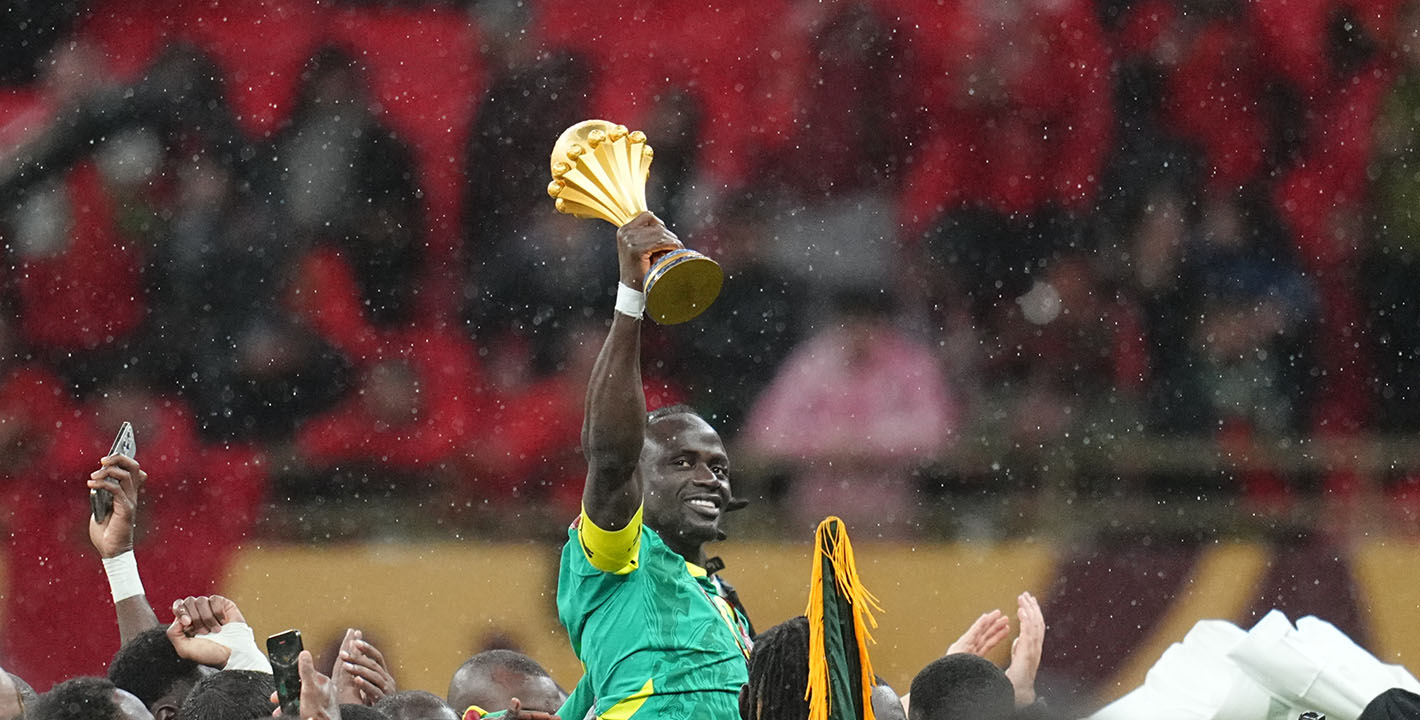
    When Football Is More Than Football

    The recent African Cup of Nations tournament in Morocco touched on issues that largely transcended the sport.


      Issam Kayssi, Yasmine Zarhloule
  • Commentary
    Diwan
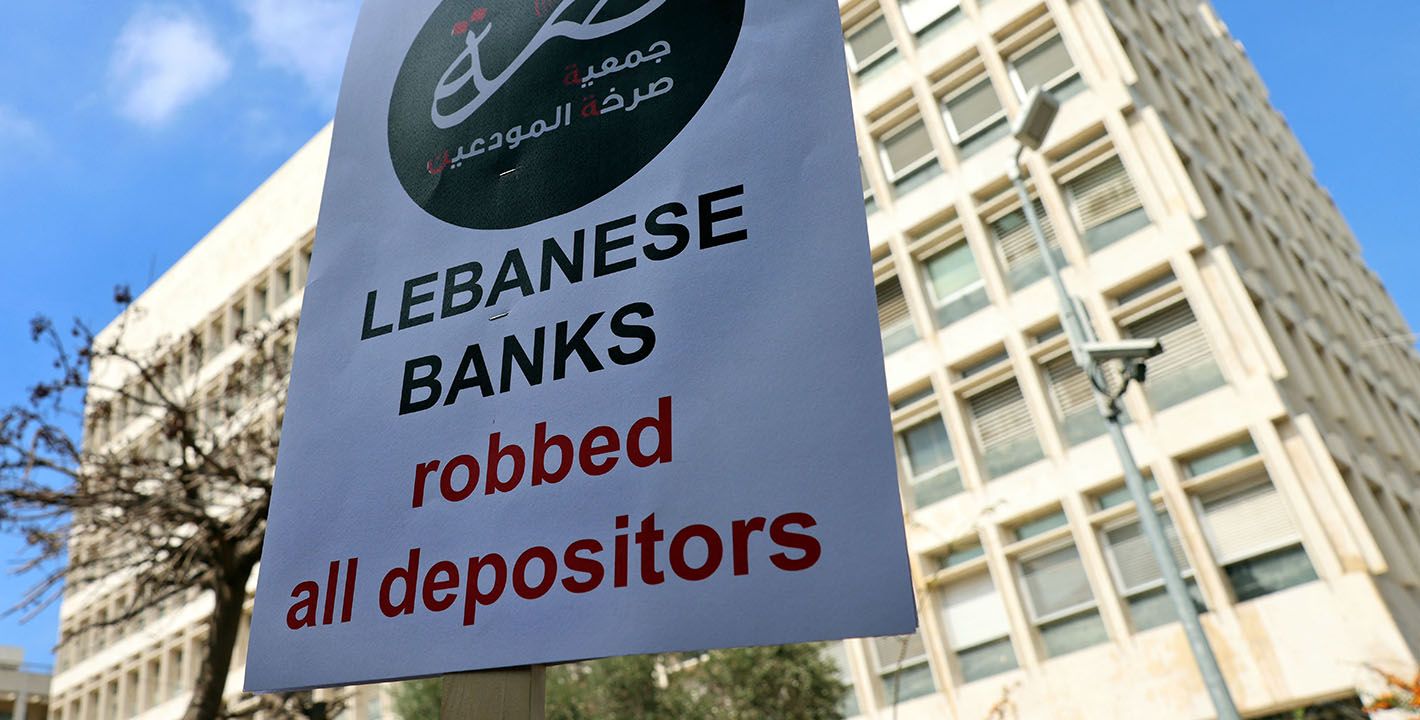
    Unpacking Lebanon’s Gap Law

    In an interview, Ishac Diwan looks at the merits and flaws in the draft legislation distributing losses from the financial collapse.

      Michael Young
  • Article
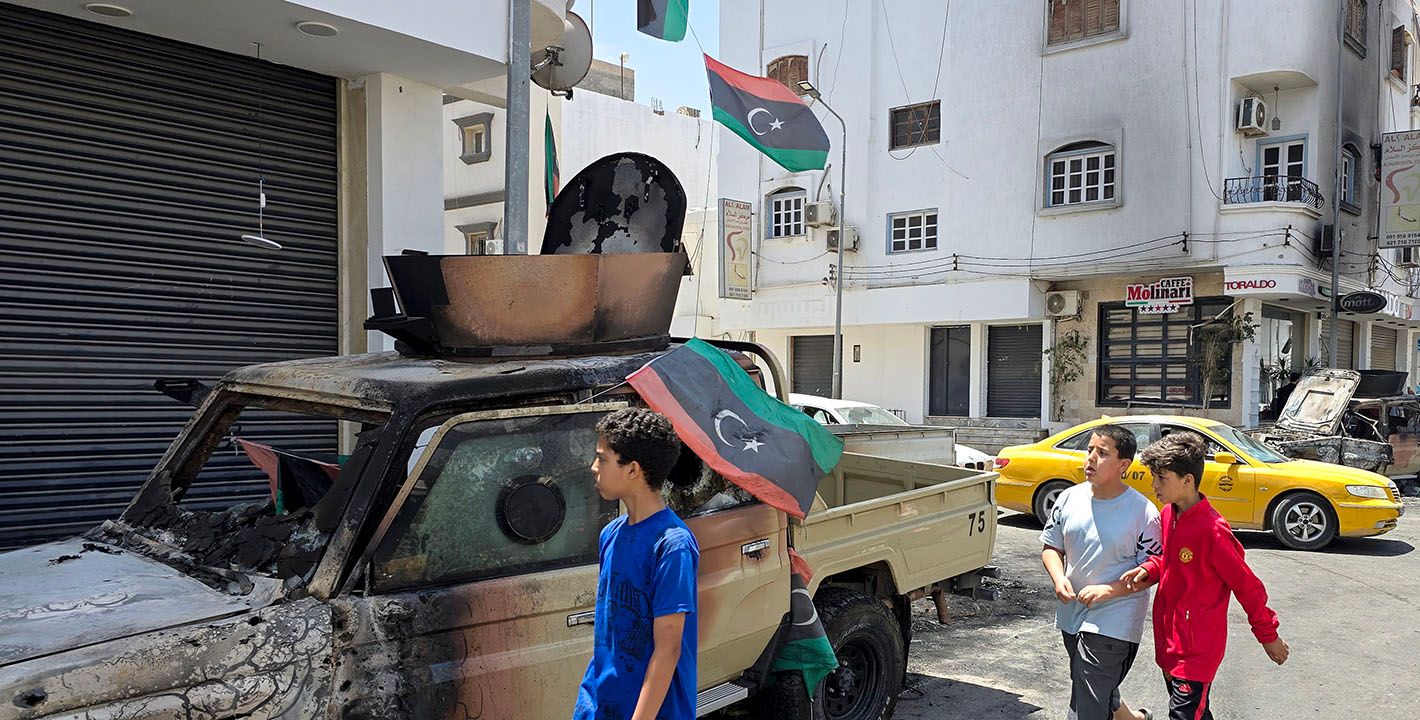
    Rethinking Power-Sharing Agreements in Libya

    The UN Support Mission in the country should reassess its approach so that consensus between the warring parties becomes the eventual goal, rather than a procedural matter that dogs the negotiating process at every turn.
      Soraya Rahem
  • Commentary
    Diwan
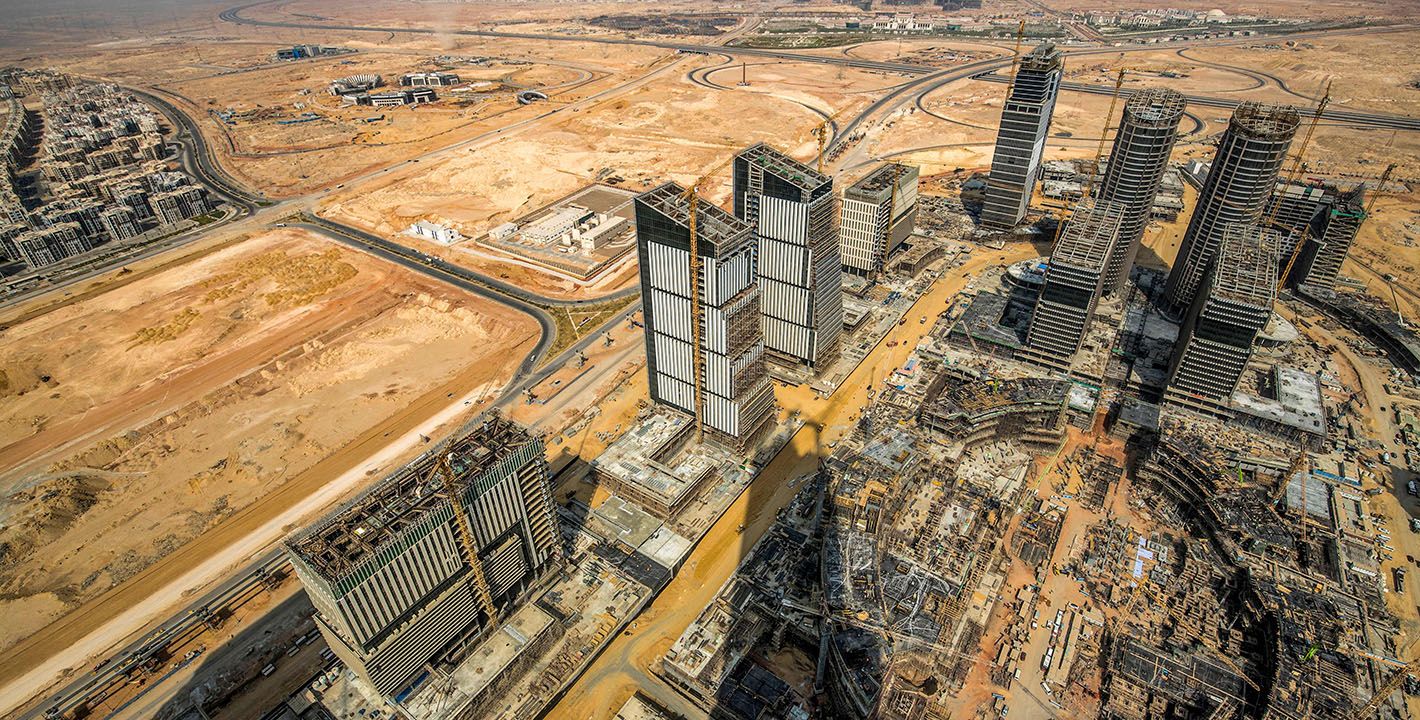
    Has Sisi Found a Competent Military Entrepreneur?

    Mustaqbal Misr has expanded its portfolio with remarkable speed, but a lack of transparency remains.

      Yezid Sayigh

Get more news and analysis from
Malcolm H. Kerr Carnegie Middle East Center
Carnegie Middle East logo, white
  • Research
  • Diwan
  • About
  • Experts
  • Projects
  • Events
  • Contact
  • Careers
  • Privacy
  • For Media
Get more news and analysis from
Malcolm H. Kerr Carnegie Middle East Center
© 2026 Carnegie Endowment for International Peace. All rights reserved.