

Commentary
- +1
Paul Haenle, Xue Gong, Ngeow Chow Bing, …
{
  "authors": [
    "Paul Haenle"
  ],
  "type": "legacyinthemedia",
  "centerAffiliationAll": "",
  "centers": [
    "Carnegie Endowment for International Peace",
    "Carnegie China"
  ],
  "collections": [
    "U.S.-China Relations",
    "China’s Foreign Relations"
  ],
  "englishNewsletterAll": "",
  "nonEnglishNewsletterAll": "",
  "primaryCenter": "Carnegie China",
  "programAffiliation": "",
  "programs": [],
  "projects": [],
  "regions": [],
  "topics": [
    "Security",
    "Economy"
  ]
}
Source: Getty
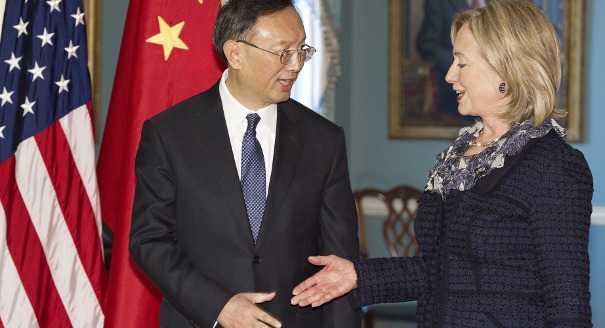
Although the U.S.-China relationship benefits from deep economic and trade ties, the military-to-military relationship between the two nations is not as strong as it should be.
Source: State on Demand
Speaking on State on Demand, Carnegie's Paul Haenle explained that although the United States and China benefit from deep economic and trade ties, the military-to-military relationship between the two nations is not as strong as it should be. “The United States is concerned that certain aspects of the PLA’s capabilities appear to be developed for the specific purpose of denying the United States the ability to involve itself in some sort of conflict in the region,” Haenle said.
Haenle also elaborated on President Obama’s ‘Pivot to Asia’, stating that given the Asia-Pacific’s importance to the United States in terms of trade and economic issues, it made sense for U.S. foreign policy to become more focused on this region. This pivot is not just an effort to enhance U.S. military presence in the region, he explained, but also intended to enhance diplomatic and economic ties.

Former Maurice R. Greenberg Director’s Chair, Carnegie China
Paul Haenle held the Maurice R. Greenberg Director’s Chair at the Carnegie Endowment for International Peace and is a visiting senior research fellow at the East Asian Institute, National University of Singapore. He served as the White House China director on the National Security Council staffs of former presidents George W. Bush and Barack Obama.
Recent Work


Paul Haenle, Xue Gong, Ngeow Chow Bing, …

Paul Haenle, Chong Ja Ian

The armed forces champion a form of capitalism that is generating revenue, but its reliance on rent faces diminishing returns, leaving the country with massive sunk costs and deferred returns, deepening dependency on external borrowing.

Yezid Sayigh

Just look at Iraq in 1991.

Marwan Muasher

Baku may allow radical nationalists to publicly discuss “reunification” with Azeri Iranians, but the president and key officials prefer not to comment publicly on the protests in Iran.

Bashir Kitachaev
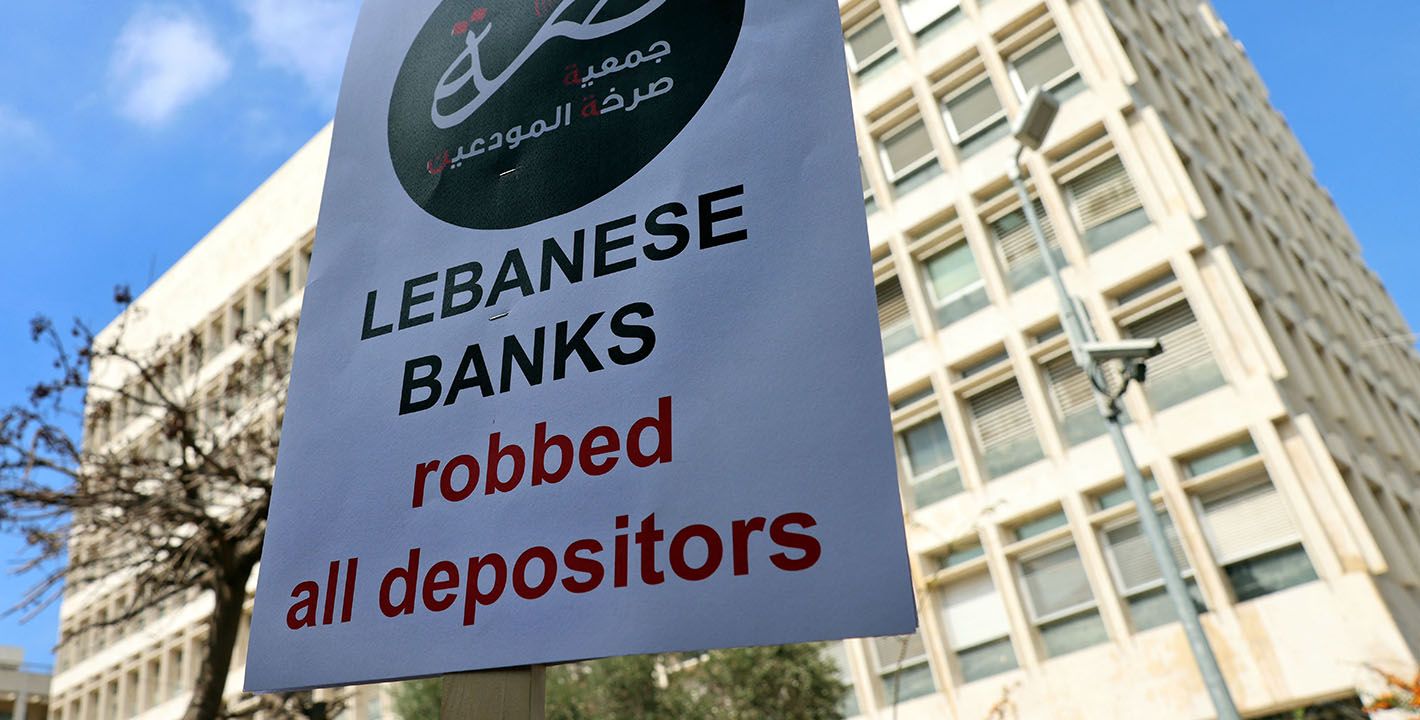
In an interview, Ishac Diwan looks at the merits and flaws in the draft legislation distributing losses from the financial collapse.

Michael Young

Mustaqbal Misr has expanded its portfolio with remarkable speed, but a lack of transparency remains.
Yezid Sayigh