

Commentary
In an interview, Ian Lustick and Eli Clifton discuss their new book on why a prominent ally has so much influence in America.
Michael Young
{
  "authors": [
    "Toby Dalton",
    "Matthew Rojansky",
    "Deepti Choubey"
  ],
  "type": "legacyinthemedia",
  "centerAffiliationAll": "dc",
  "centers": [
    "Carnegie Endowment for International Peace"
  ],
  "collections": [],
  "englishNewsletterAll": "ctw",
  "nonEnglishNewsletterAll": "",
  "primaryCenter": "Carnegie Endowment for International Peace",
  "programAffiliation": "NPP",
  "programs": [
    "Nuclear Policy"
  ],
  "projects": [],
  "regions": [
    "Middle East",
    "Israel",
    "South Asia",
    "India",
    "Pakistan",
    "Caucasus",
    "Russia"
  ],
  "topics": [
    "Nuclear Policy",
    "Nuclear Energy"
  ]
}
Source: Getty
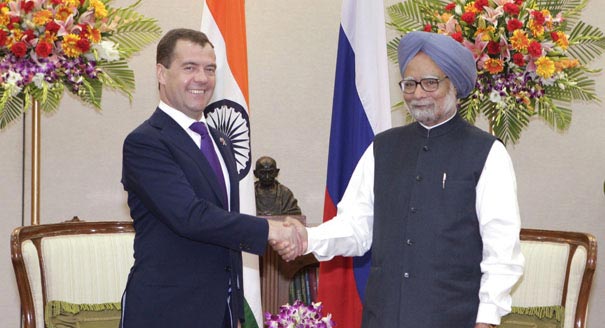
Different regional actors had different agendas and priorities for the recent Seoul Nuclear Security Summit.
Source: Woodrow Wilson International Center for Scholars

Rojansky said that the Seoul summit represents an opportunity for Russia to show that it has turned the corner from being a nuclear security problem state to being a state that is part of the solution.
Dalton added that from a South Asian standpoint, particularly for India and Pakistan—countries that are not part of the NPT—the Nuclear Security Summit provides an opportunity to engage with the international community on nuclear issues without the politics.
Dalton also highlighted two issues as particularly important this year: converting research reactors that use highly enriched uranium to reactors using low enriched uranium, and the implementation of international legal instruments of nuclear security standards.
Rojansky said that the breakaway territory Transnistria of the former Soviet state Moldova is an important area because of its proximity to the Black Sea, an area where uranium is often smuggled. "Having this ungoverned zone implicates a lot of issues that go beyond nuclear security, but this is something we have to take much more seriously," he said.

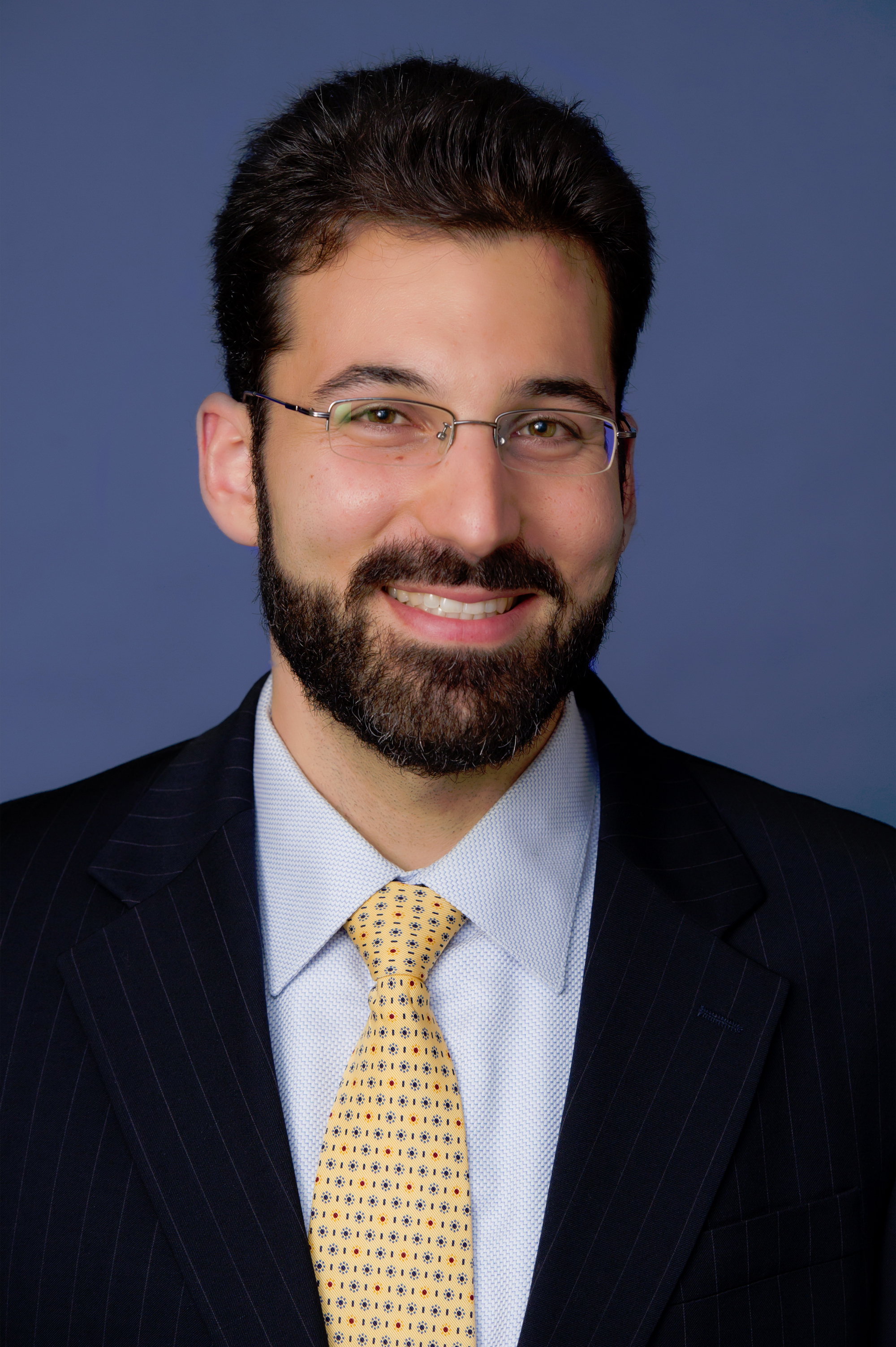
Senior Fellow and Co-director, Nuclear Policy Program
Toby Dalton is a senior fellow and co-director of the Nuclear Policy Program at the Carnegie Endowment. An expert on nonproliferation and nuclear energy, his work addresses regional security challenges and the evolution of the global nuclear order.
Former Deputy Director, Russia and Eurasia Program
Rojansky, formerly executive director of the Partnership for a Secure America, is an expert on U.S. and Russian national security and nuclear-weapon policies.
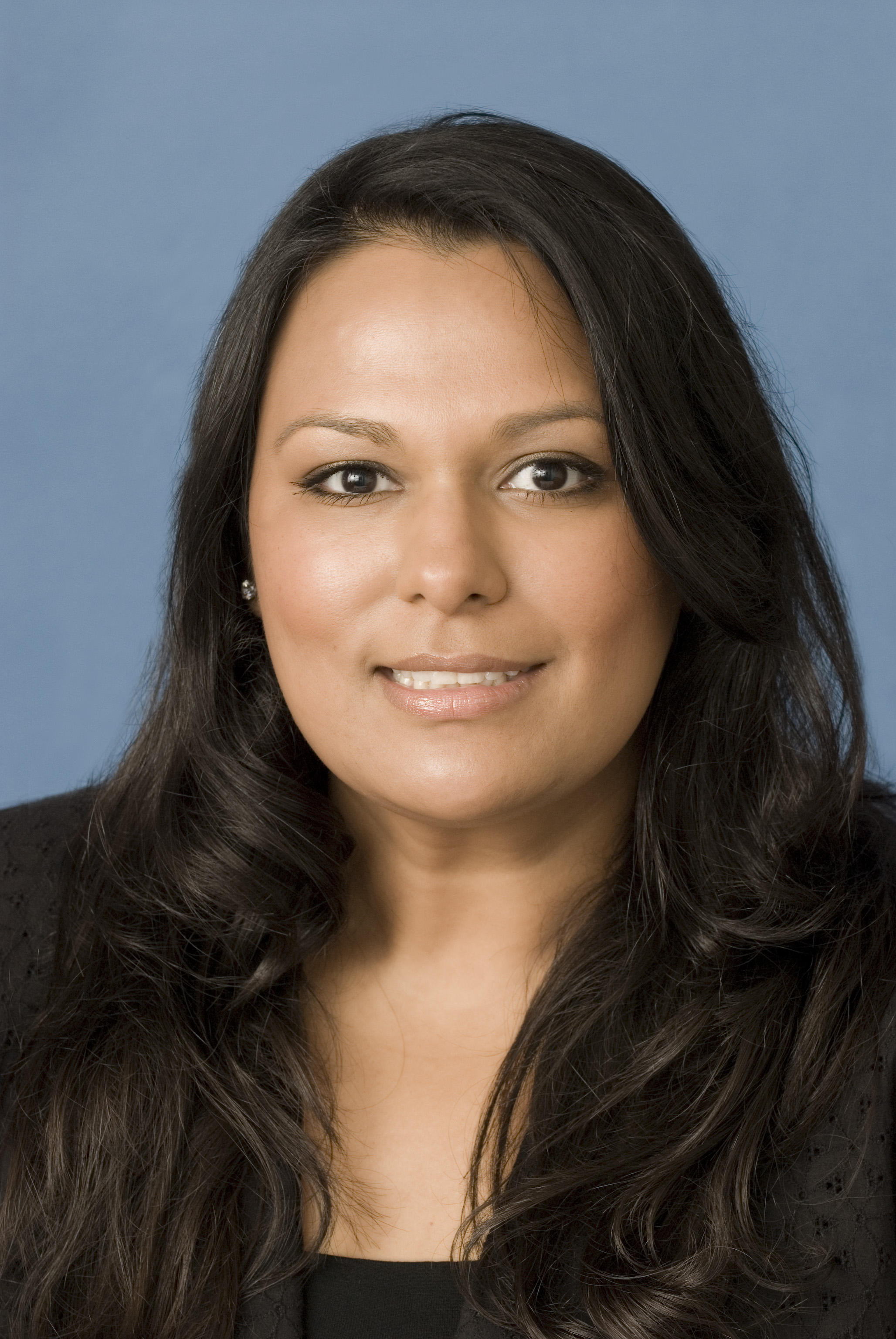
Former Deputy Director, Nuclear Policy Program
Choubey was previously the director of the Peace and Security Initiative for the Ploughshares Fund. She also worked for Ambassador Nancy Soderberg in the New York office of the International Crisis Group.
Carnegie does not take institutional positions on public policy issues; the views represented herein are those of the author(s) and do not necessarily reflect the views of Carnegie, its staff, or its trustees.

In an interview, Ian Lustick and Eli Clifton discuss their new book on why a prominent ally has so much influence in America.

Michael Young

As the U.S. stumbles in its war with Iran, we are likely to see an acceleration of its disengagement from the region.
Michael Young
It is improbable that Israel’s forthcoming elections will alter much in terms of how the country thinks about security.

Nathan J. Brown

The accord represents a pivotal moment in the region to avert a security vacuum in the Gulf.


Azeema Cheema, Mohanad Hage Ali

In an interview, Jason Burke discusses his sweeping account of the “revolutionists” who so shaped the 1970s and early 1980s.
Michael Young