

Article
- +1
Toby Dalton, Mark Hibbs, Nicole Grajewski, …
{
  "authors": [
    "Mark Hibbs"
  ],
  "type": "legacyinthemedia",
  "centerAffiliationAll": "dc",
  "centers": [
    "Carnegie Endowment for International Peace"
  ],
  "collections": [],
  "englishNewsletterAll": "ctw",
  "nonEnglishNewsletterAll": "",
  "primaryCenter": "Carnegie Endowment for International Peace",
  "programAffiliation": "NPP",
  "programs": [
    "Nuclear Policy"
  ],
  "projects": [],
  "regions": [
    "East Asia",
    "Japan"
  ],
  "topics": [
    "Nuclear Policy",
    "Nuclear Energy"
  ]
}
Source: Getty
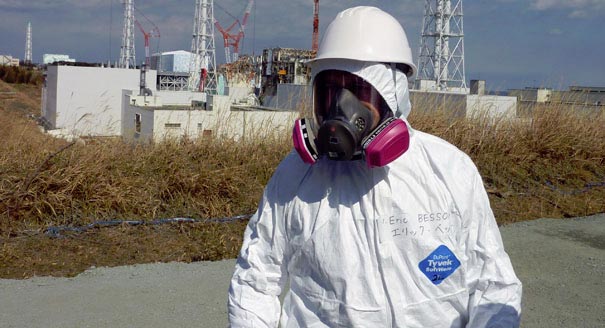
A lack of preparation, defenses and confusion about who held responsibility contributed to the seriousness of the accident at the Fukushima Daiichi nuclear power plant.
Source: NHK

"The bottom line is that TEPCO was basically unprepared for this accident," added Hibbs. "There was unnecessary debate in Japan and elsewhere about whether the event was level five or level seven, but the event scale was designed as a public relations tool to show the world that most of these events are level zero; anything above level two means that a nuclear reactor is in big trouble."
Furthermore, said Hibbs, there was no understanding between the government and TEPCO about who was actually responsible for managing the accident. "In Japan there was a micromanagement of the events on the ground from Tokyo and it led to a lot of wasted time," he argued.
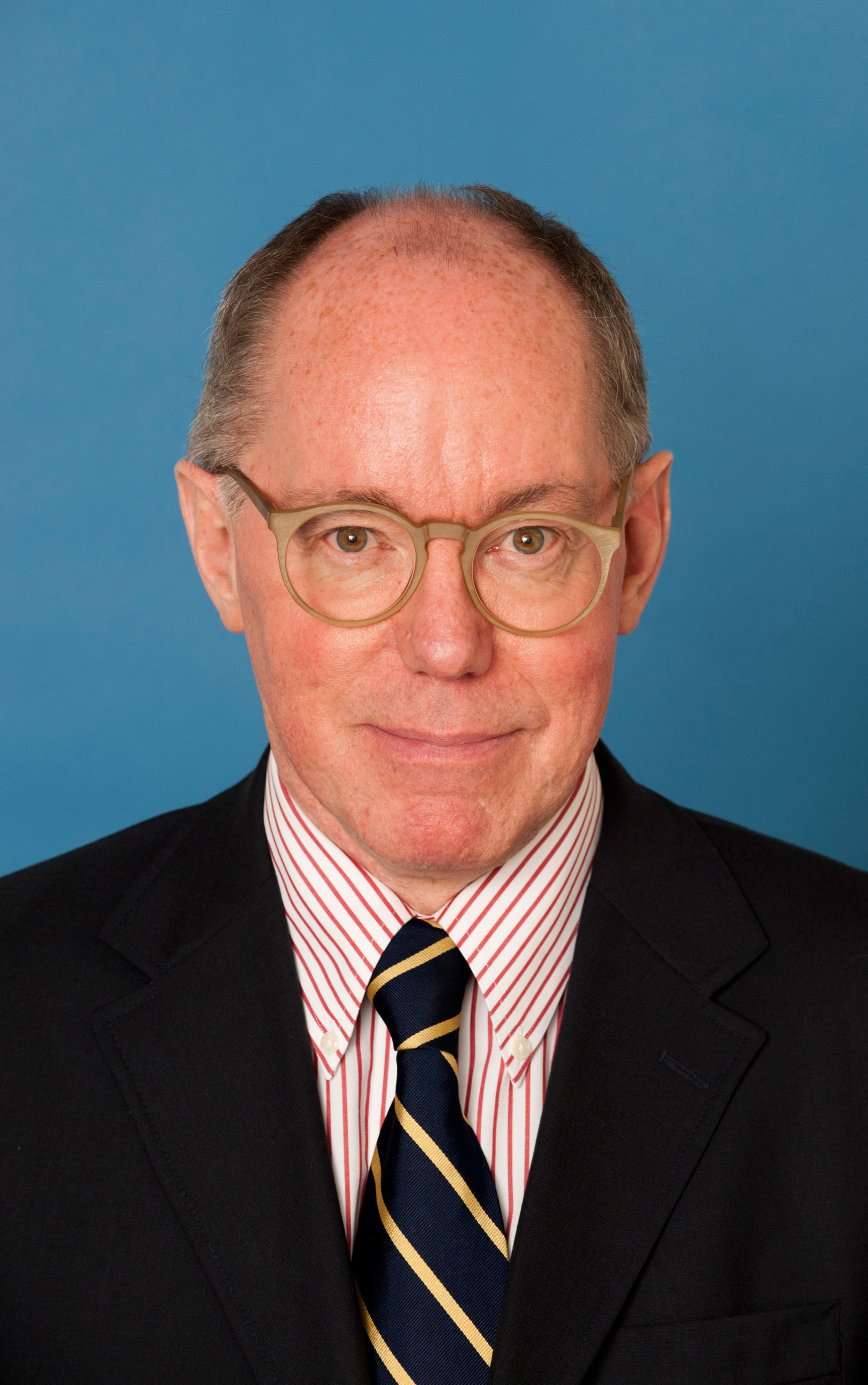
Nonresident Senior Fellow, Nuclear Policy Program
Hibbs is a Germany-based nonresident senior fellow in Carnegie’s Nuclear Policy Program. His areas of expertise are nuclear verification and safeguards, multilateral nuclear trade policy, international nuclear cooperation, and nonproliferation arrangements.
Recent Work

Toby Dalton, Mark Hibbs, Nicole Grajewski, …
Mark Hibbs
Carnegie does not take institutional positions on public policy issues; the views represented herein are those of the author(s) and do not necessarily reflect the views of Carnegie, its staff, or its trustees.
In an interview, Marc Lynch discusses his new book decrying the post-1990 U.S.-dominated order in the Middle East.

Michael Young
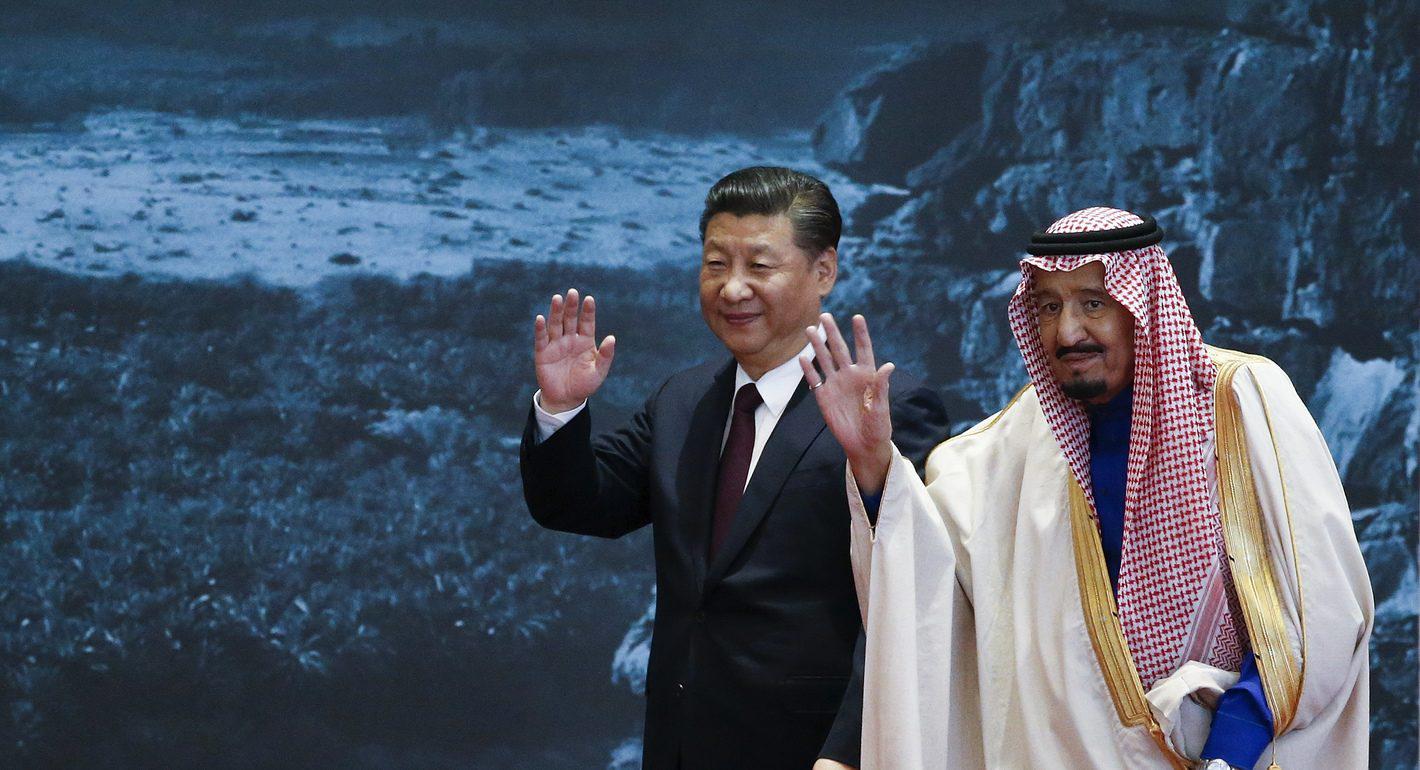
The advantage that China has over other global powers, especially America, is that its foreign policy is closely aligned with those of many of the Middle Eastern countries.
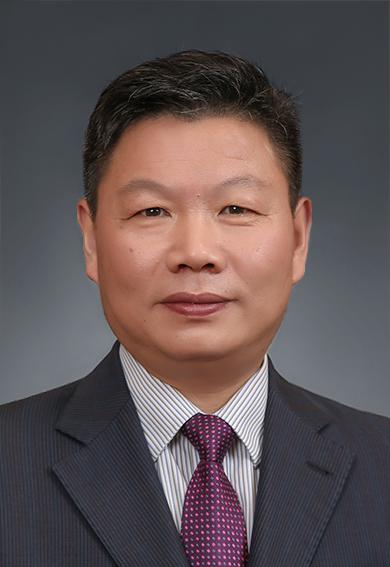


Jin Liangxiang, Maha Yahya, Hesham Alghannam
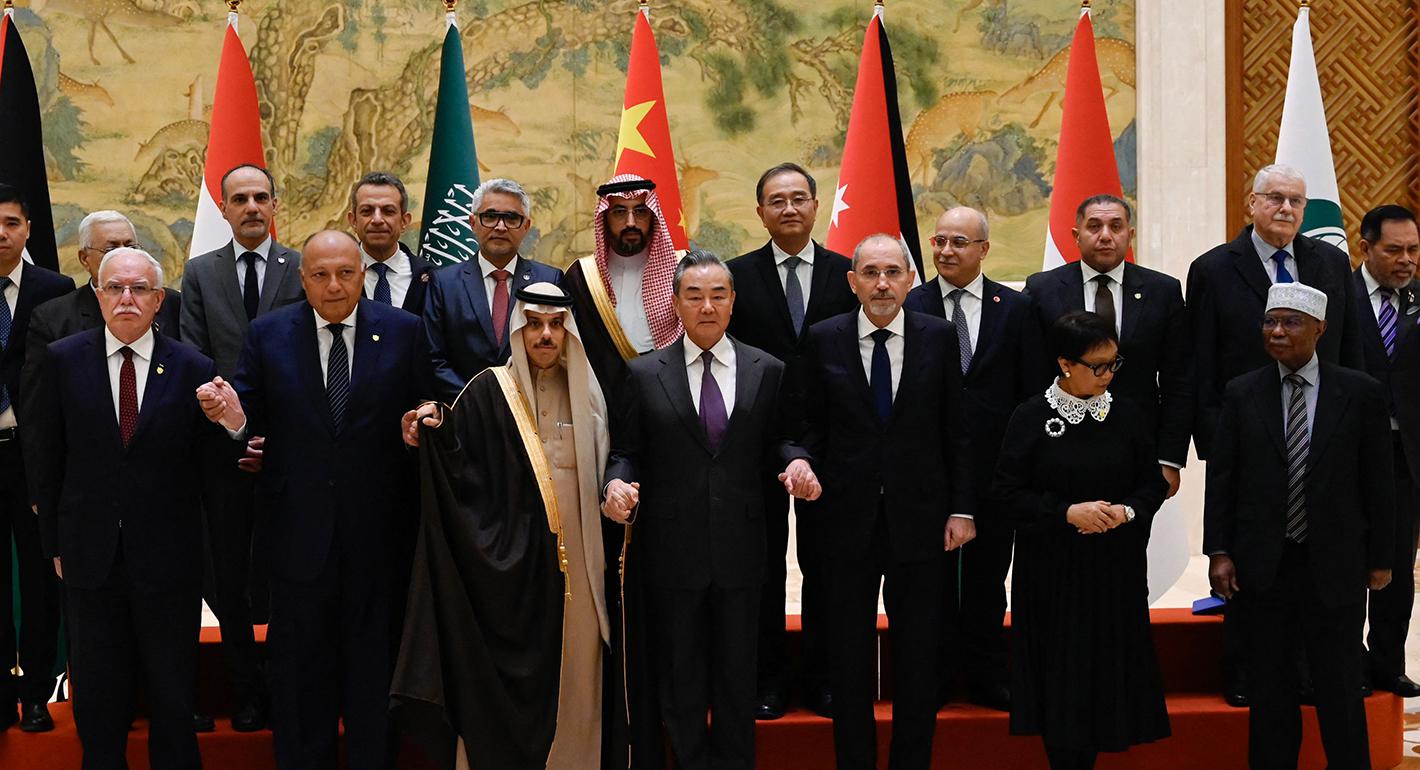
To create an environment more conducive to cooperation and development, U.S. and Chinese efforts should seek the endorsement of neighboring countries and regional organizations. Otherwise, regional and geopolitical rivalries will remain barriers.
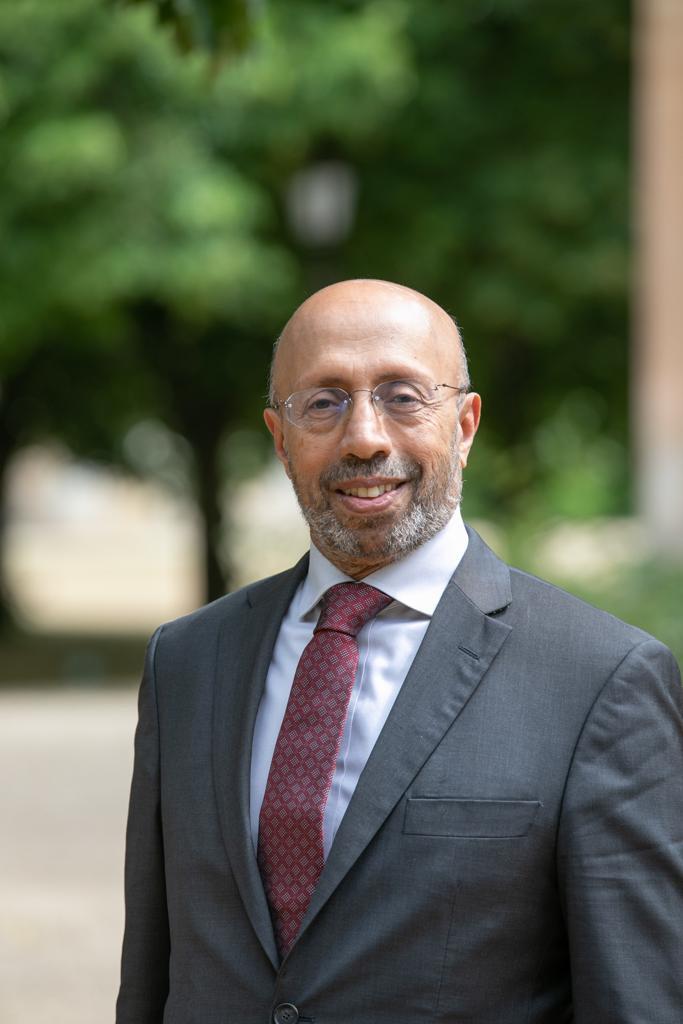
Abdullah Baabood
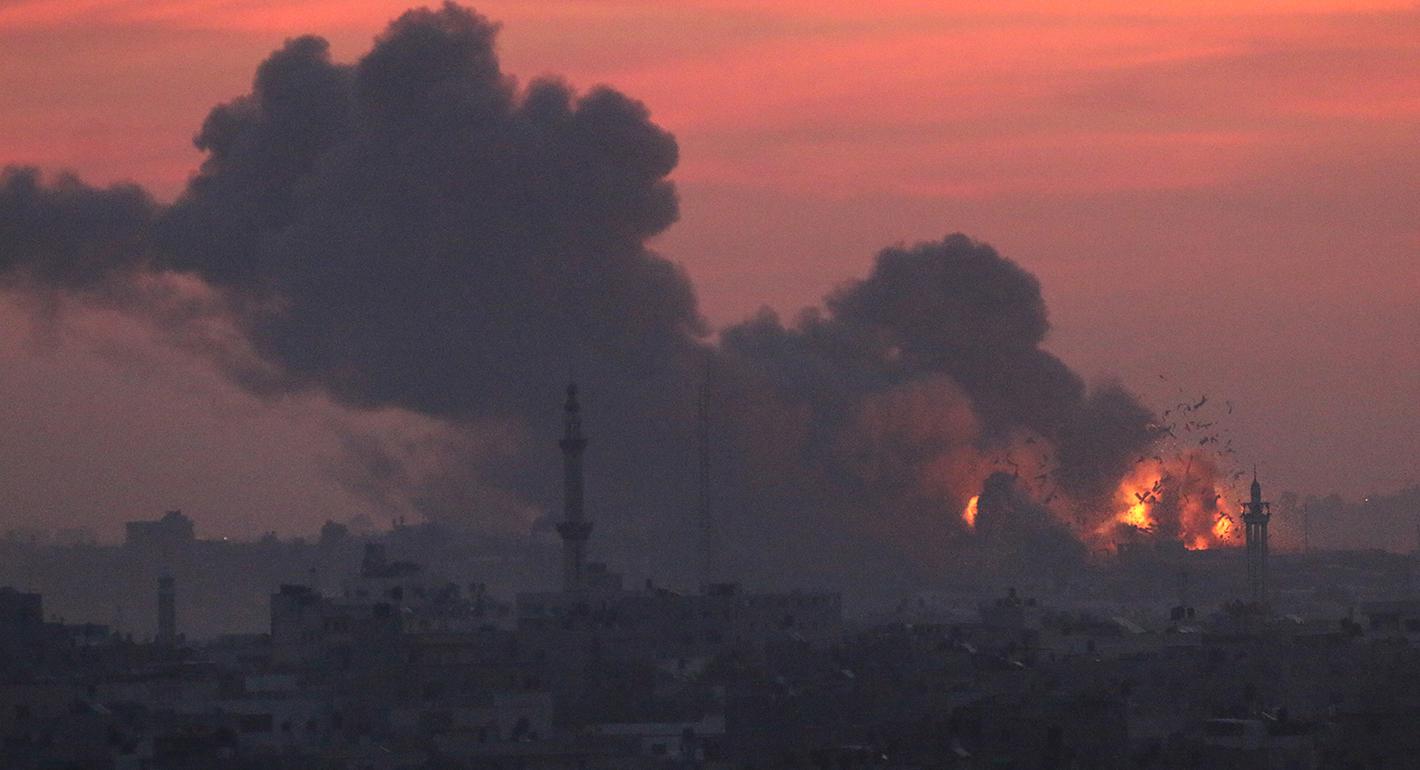
Scholars from Carnegie’s global network comment on how the ongoing conflict between Israelis and Palestinians is affecting their areas of interest, and what the implications of this may be.


Maha Yahya, Rosa Balfour, Judy Dempsey, …
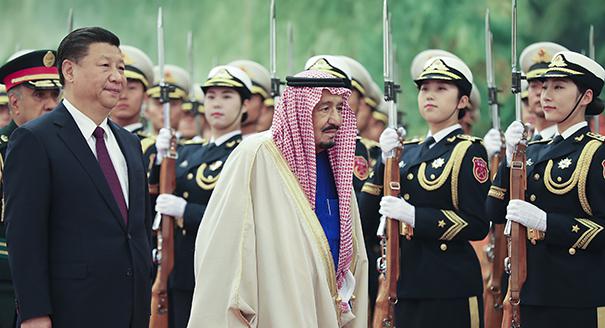
In an interview, Abdullah Baabood discusses Beijing’s evolving role in the Gulf region, where its priority is stability.
Michael Young