

In The Media
Lahcen Achy
{
  "authors": [
    "Lahcen Achy"
  ],
  "type": "legacyinthemedia",
  "centerAffiliationAll": "",
  "centers": [
    "Carnegie Endowment for International Peace",
    "Malcolm H. Kerr Carnegie Middle East Center"
  ],
  "collections": [],
  "englishNewsletterAll": "",
  "nonEnglishNewsletterAll": "",
  "primaryCenter": "Malcolm H. Kerr Carnegie Middle East Center",
  "programAffiliation": "",
  "programs": [],
  "projects": [],
  "regions": [
    "Maghreb"
  ],
  "topics": [
    "Economy"
  ]
}
Source: Getty
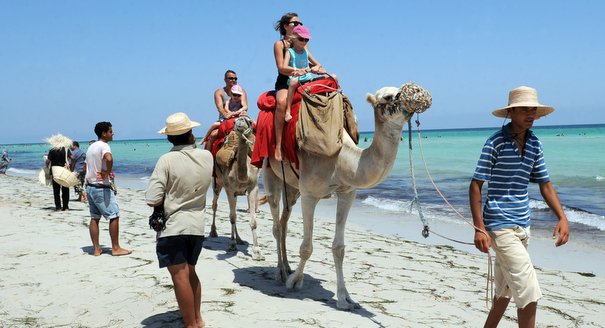
Tunisia’s tourism model is overly reliant on medium-range resorts that cater to middle-income tourists from Europe. A shift toward attracting visitors from rising income nations in Asia and South America may offer potential for growth.
Source: Al-Monitor

While there were signs of recovery in the first month of this year as a result of a gradual increase in the number of foreign tourists to Tunisia and the Ministry of Tourism’s “All Dreams are Possible” promotion campaign, doubt of a sustained uptick re-emerged after several security incidents over the past few days. These incidents led the government to impose a curfew in the capital and a number of large cities.
It may be too early to accurately assess how the deteriorating security situation will affect the tourism sector. Nevertheless, indicators point to an increased level of concern among tourists who intended to spend their holidays in Tunisia. Some would-be tourists have canceled their reservations and changed their travel plans to more secure countries.Tourism is a sector of strategic importance to Tunisia; it accounts for seven percent of the country’s GDP, and adds about 400,000 real jobs to the economy. Given the close linkages between tourism and other economic activities, such as trade, handicraft and transportation, the decline in the number of tourists negatively affects the revenues of these other sectors as well, indirectly threatening the livelihoods of those employed within them.
Even though an improvement of the country’s security situation is a prerequisite for the tourism sector to recover from its slump, better security alone is by no means sufficient. The tourism crisis took a turn for the worse after the revolution, but the sector’s problems are structural and deeply rooted in investment policies prevailing under Ben Ali’s regime.
The tourism sector in Tunisia has suffered from its over-reliance on enclosed beach resorts of medium quality, which, for the most part, caters to middle-income visitors from the European Union. This business model led to tiny profits, and high exposure to volatile economic conditions. Data from the World Tourism Organization (WTO) show that the average per capita spending of tourists coming to Tunisia does not exceed $385, the lowest among all touristic destinations on the Mediterranean coast. Average per capita spending for tourists visiting Morocco is $725, while it is $770 in Turkey, $890 in Egypt and $1000 in Greece.
On the other hand, during Ben Ali’s reign the tourism sector attracted a large number of investors who took advantage of their close ties to the regime for privileged business opportunities, which included access to cheap land, tax breaks and discounted bank loans. The professional entrepreneurs with no ties to the regime suffered from arbitrary administrative decisions, especially when it came to the classification of tourist accommodations and access to licenses.
During the decade that preceded the Jasmine Revolution, the annual number of tourists coming to Tunisia increased from five to seven million while the number of tourists going to Morocco increased from less than five million to over nine million over the same period of time. Meanwhile, the number of tourists visiting Turkey increased twofold, while those going to Egypt increased by a factor of 2.5.
The recovery of the Tunisian tourism industry depends on a reasonable level of stability and security. But to develop the sector and ensure future economic growth capable of creating jobs to ease the country’s rampant unemployment — especially among educated young people — requires a deep change of the country’s strategy in two key directions.
First, Tunisia must take into account the demographic changes occurring in Europe, and the newly increased demand for cultural, ecological, adventure and exploration tourism. The WTO estimates show that close to 40 percent of all worldwide tourism revolves around cultural activities. These types of touristic activities are more profitable, and less sensitive to seasonal changes.
Second, Tunisia needs to open new markets in order to diversify its tourism revenues, and overcome the over reliance on European tourists, who account currently for 80 percent of Tunisia’s visitors. Asian and South American emerging markets are becoming important sources of tourists as their living standards improve and air-transport routes between different parts of the world expand.
Tunisia has all the fundamentals to develop a diversified and high quality tourism sector. Taking advantage of its endowments remains subject to the government’s ability, through consultations and coordination with the sector professionals, to put forth a coherent strategy for the future that can adapt to the changes in demand and make full advantage of the country’s human, natural and historical wealth.

Former Nonresident Senior Associate, Middle East Center
Achy is an economist with expertise in development, institutional economics, trade, and labor and a focus on the Middle East and North Africa.
Recent Work
Lahcen Achy
Lahcen Achy

The armed forces champion a form of capitalism that is generating revenue, but its reliance on rent faces diminishing returns, leaving the country with massive sunk costs and deferred returns, deepening dependency on external borrowing.

Yezid Sayigh

Morocco and Algeria, each in its own way, are having to navigate the global economic fallout of the U.S.-Israeli military campaign against Iran.

Yasmine Zarhloule
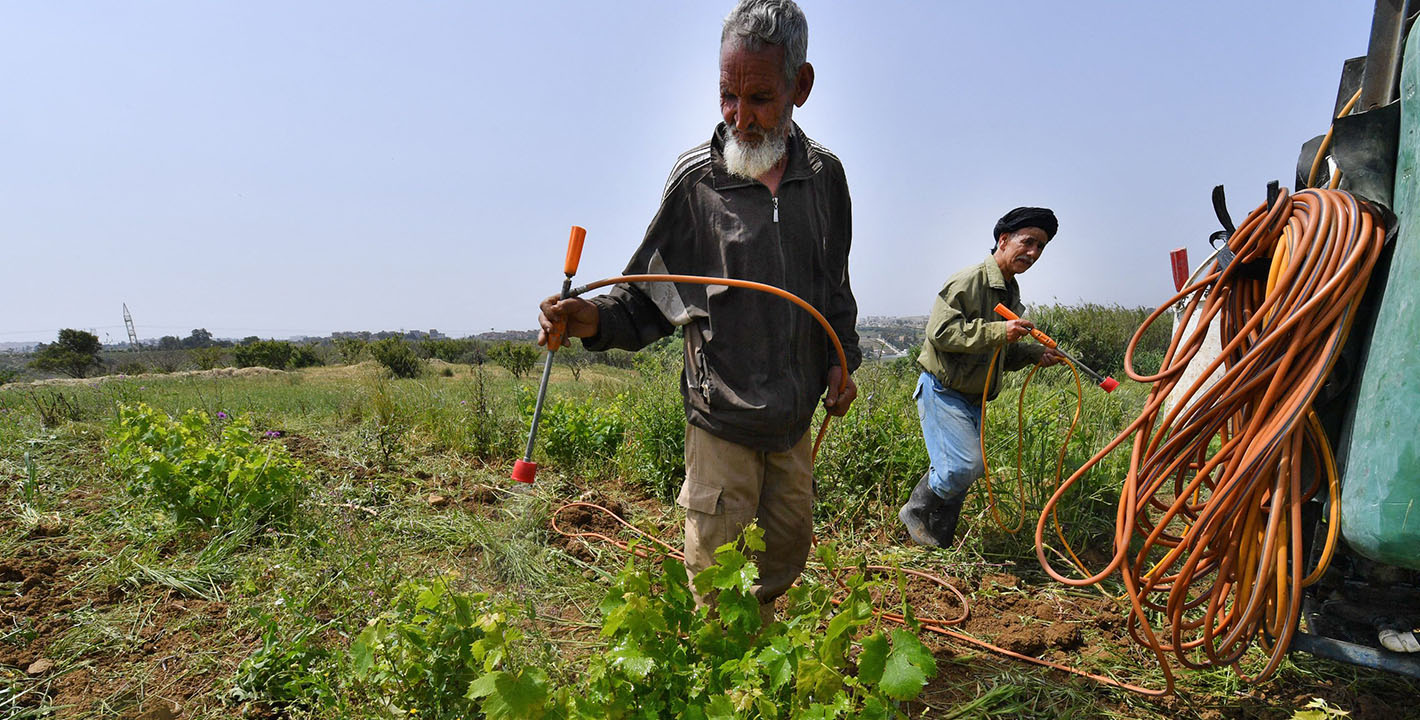
Understanding how farmers in the Oued Sahel-Soummam Valley grapple with climate change is essential for addressing the paradoxes through which adaptation, operating at both individual and institutional levels, deepens the region’s vulnerability and erodes the social fabric and agrarian identity that once defined life.

Ilyssa Yahmi
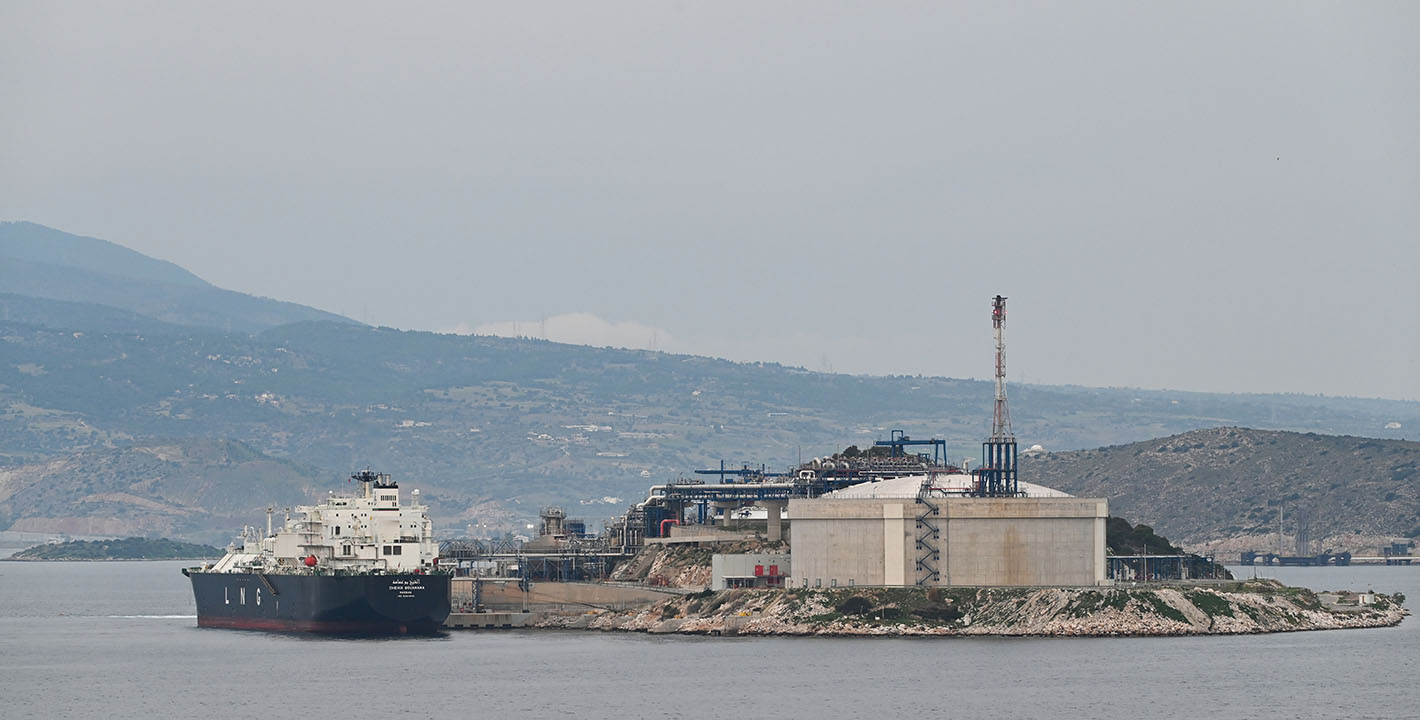
Unless the European Union-led energy transition provides economic development to Algeria, Morocco, and Tunisia, the process may be perceived as a new form of extraction.
Yasmine Zarhloule

The recent African Cup of Nations tournament in Morocco touched on issues that largely transcended the sport.

Issam Kayssi, Yasmine Zarhloule