

Commentary
Nikolay Petrov
{
  "authors": [
    "Nikolay Petrov"
  ],
  "type": "legacyinthemedia",
  "centerAffiliationAll": "",
  "centers": [
    "Carnegie Endowment for International Peace",
    "Carnegie Russia Eurasia Center"
  ],
  "collections": [],
  "englishNewsletterAll": "",
  "nonEnglishNewsletterAll": "",
  "primaryCenter": "Carnegie Russia Eurasia Center",
  "programAffiliation": "",
  "programs": [],
  "projects": [],
  "regions": [],
  "topics": []
}
Source: Getty
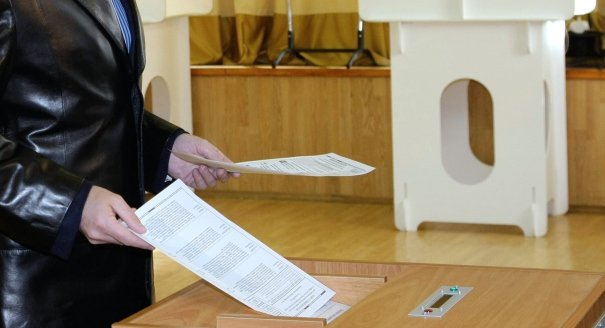
The current three filter system for gubernatorial elections not only aggravates the opposition and fails to vent mounting social pressure, but it also strengthens the position of incumbent governors.
Source: The Moscow Times

Apart from the gubernatorial elections, legislative assemblies will be elected in six other regions in October: Penza, Saratov, Sakhalin, Krasnodar and the republics of Udmurtia and North Ossetia. With the authorities keeping a tight rein on the situation, no surprises are expected, with the possible exception of Sakhalin. Even in the Krasnodar region, where the recent floods and allegations of negligence by the authorities could lead to a backlash vote against United Russia, the government is expected to declare the usual results of more than 60 percent.
United Russia politicians are bracing for possible defeat in elections for city legislatures in Barnaul, Vladivostok, Yekaterinburg, Kursk, Petropavlovsk-Kamchatsky, Tver, Cherkessk and Yaroslavl, as well as in the mayoral race in Kaliningrad. These are the cities where the current political system is being tested for strength. The authorities face two problems in these cities: voters who are very critical of the government, especially in the major regional centers, and much greater transparency and public attention, which makes it difficult to employ the kinds of electoral manipulations used in the past. The relatively strong results for strong persons backed by United Russia in past mayoral races in Krasnoyarsk and Omsk cannot be extended to party lists in, say, Yekaterinburg and Vladivostok, where the ruling party has lost authority. That is why all attention should be focused primarily on municipal elections.
The paradox is that the Kremlin might later conclude that the elections in these dozen regions were relatively successful and that no serious political reforms are therefore necessary. If that happens, it will be a huge mistake and a direct path to political ruin.
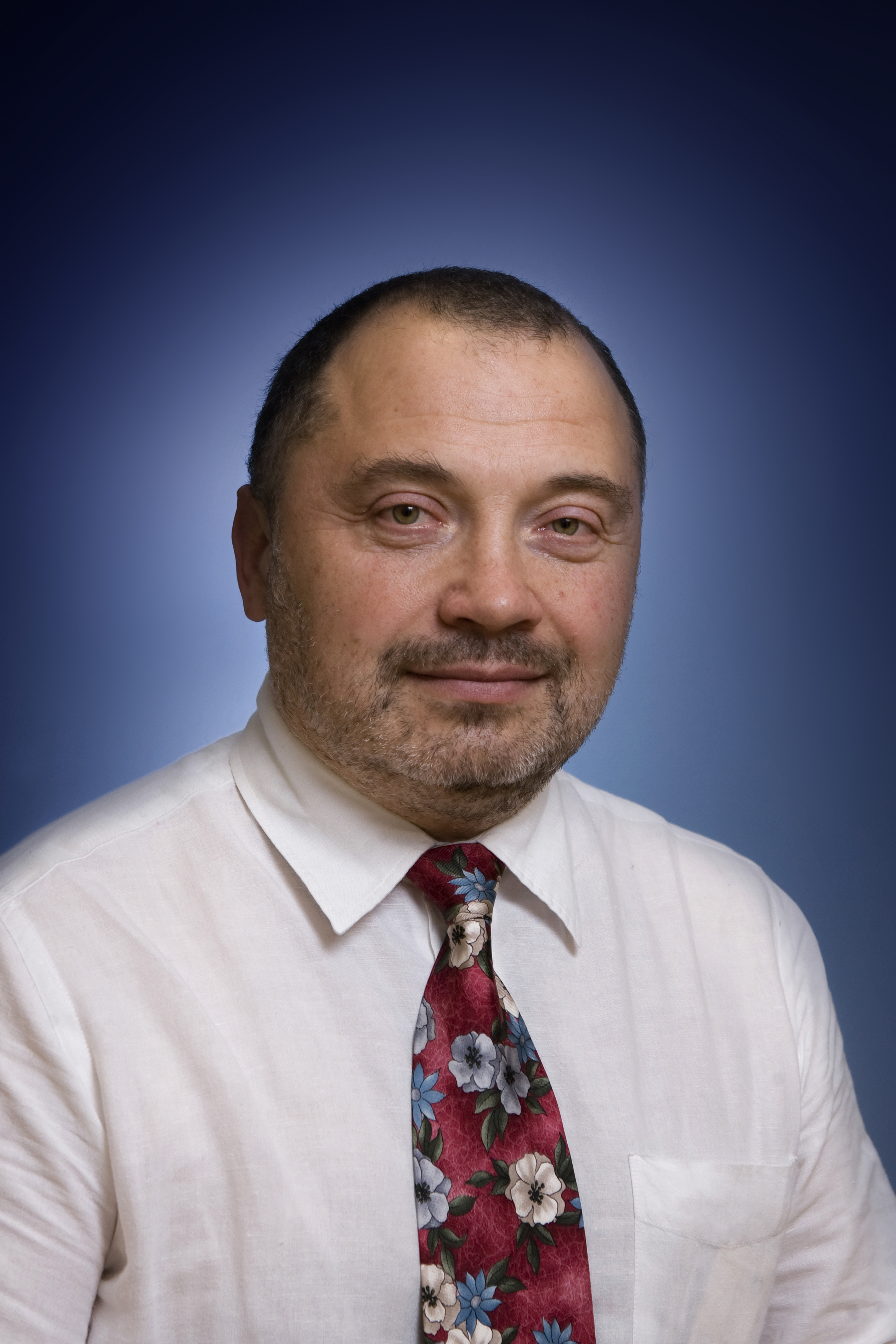
Former Scholar-in-Residence, Society and Regions Program, Moscow Center
Nikolay Petrov was the chair of the Carnegie Moscow Center’s Society and Regions Program. Until 2006, he also worked at the Institute of Geography at the Russian Academy of Sciences, where he started to work in 1982.
Recent Work
Nikolay Petrov
Nikolay Petrov
Carnegie does not take institutional positions on public policy issues; the views represented herein are those of the author(s) and do not necessarily reflect the views of Carnegie, its staff, or its trustees.