

Commentary
The advantage that China has over other global powers, especially America, is that its foreign policy is closely aligned with those of many of the Middle Eastern countries.
Jin Liangxiang, Maha Yahya, Hesham Alghannam
{
  "authors": [],
  "type": "pressRelease",
  "centerAffiliationAll": "dc",
  "centers": [
    "Carnegie Endowment for International Peace"
  ],
  "collections": [],
  "englishNewsletterAll": "asia",
  "nonEnglishNewsletterAll": "",
  "primaryCenter": "Carnegie Endowment for International Peace",
  "programAffiliation": "AP",
  "programs": [
    "Asia"
  ],
  "projects": [],
  "regions": [
    "East Asia",
    "Japan"
  ],
  "topics": []
}
REQUIRED IMAGE
James L. Schoff is joining the Carnegie Endowment for International Peace as a senior associate specializing in Japan. He was previously senior adviser for East Asia policy at the U.S. Office of the Secretary of Defense.
WASHINGTON—James L. Schoff is joining the Carnegie Endowment for International Peace as a senior associate specializing in Japan, based in Washington, D.C. He was previously senior adviser for East Asia policy at the U.S. Office of the Secretary of Defense and director of Asia Pacific Studies at the Institute for Foreign Policy Analysis (IFPA).
Schoff will be working on policy issues related to Japan, its relations with the United States, and its role in the world. His appointment was made possible thanks to the generous support of the Center for Global Partnership and Mitsubishi Corporation (Americas).
Making the announcement, Douglas Paal, vice president for studies, said, “I am delighted to welcome Jim to the Asia Program at the Carnegie Endowment. In addition to his expertise on alliance and regional security issues, Jim’s work has shown a deep understanding of Japan’s history, economy, and politics. His experience makes him well positioned to research a broad range of issues involving Japan, which will certainly be a valuable contribution to Carnegie’s work on Asia.”
Schoff added, “I am excited about this opportunity to work with the Carnegie Endowment, a leading international institution. I look forward to collaborating with colleagues in Carnegie’s global offices to analyze domestic and foreign policies in Japan, which impact many of the region’s most pressing issues.”
Founded in 1910, Carnegie is America’s oldest international affairs think tank. Carnegie is in the process of building the world’s first truly global think tank with research centers in Washington, Moscow, Beijing, Beirut, and Brussels. The Carnegie Asia Program in Beijing and Washington provides clear and precise analysis to policymakers on the complex economic, security, and political developments in the Asia-Pacific region.
NOTES
James L. Schoff is a senior associate in the Carnegie Asia Program. His research focuses on U.S.-Japan relations and regional engagement, Japanese politics, and the private sector's role in Japanese policymaking. He previously served as senior adviser for East Asia policy at the U.S. Office of the Secretary of Defense, and as director of Asia Pacific Studies at the Institute for Foreign Policy Analysis (IFPA).
At the Department of Defense, Schoff was responsible for strategic planning and policy development for relations with Japan and the Republic of Korea. He also spearheaded trilateral initiatives and regional security cooperation issues, including missile defense, disaster relief, and maritime security. He was awarded the Secretary of Defense Medal for Exceptional Public Service.
From 2003 to 2010, Schoff directed Asia Pacific Studies at IFPA in Cambridge, Massachusetts, where he specialized in East Asian security issues, U.S. alliance relations in the region, and WMD nonproliferation focused on North Korea. Prior to joining IFPA, he served as program officer in charge of policy studies at the United States-Japan Foundation in New York.
The Carnegie Asia Program in Beijing and Washington provides clear and precise analysis to policy makers on the complex economic, security, and political developments in the Asia-Pacific region.
Press Contact: Charita Law, +1 202 939 2233, pressoffice@ceip.org
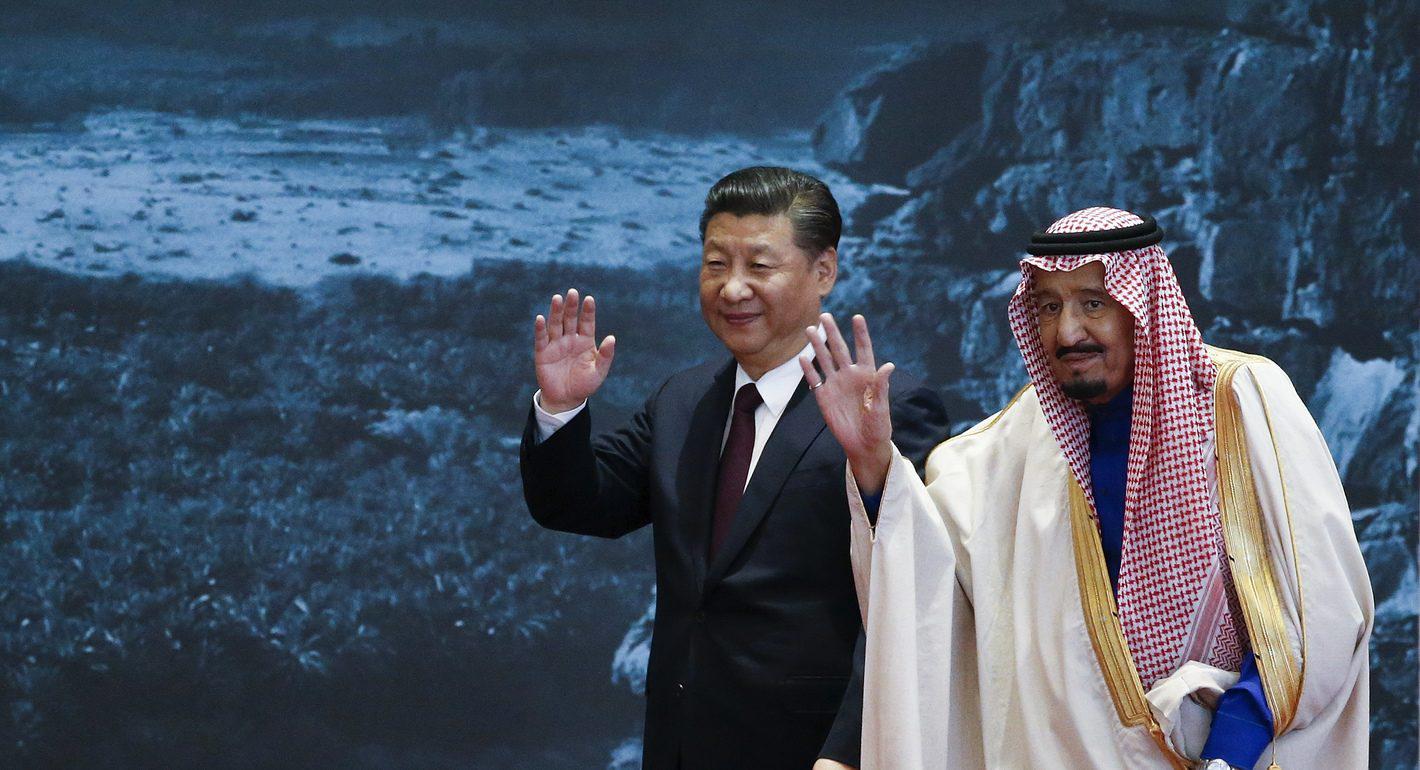
The advantage that China has over other global powers, especially America, is that its foreign policy is closely aligned with those of many of the Middle Eastern countries.
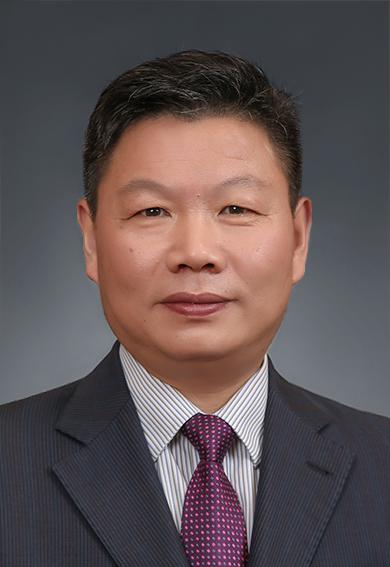


Jin Liangxiang, Maha Yahya, Hesham Alghannam
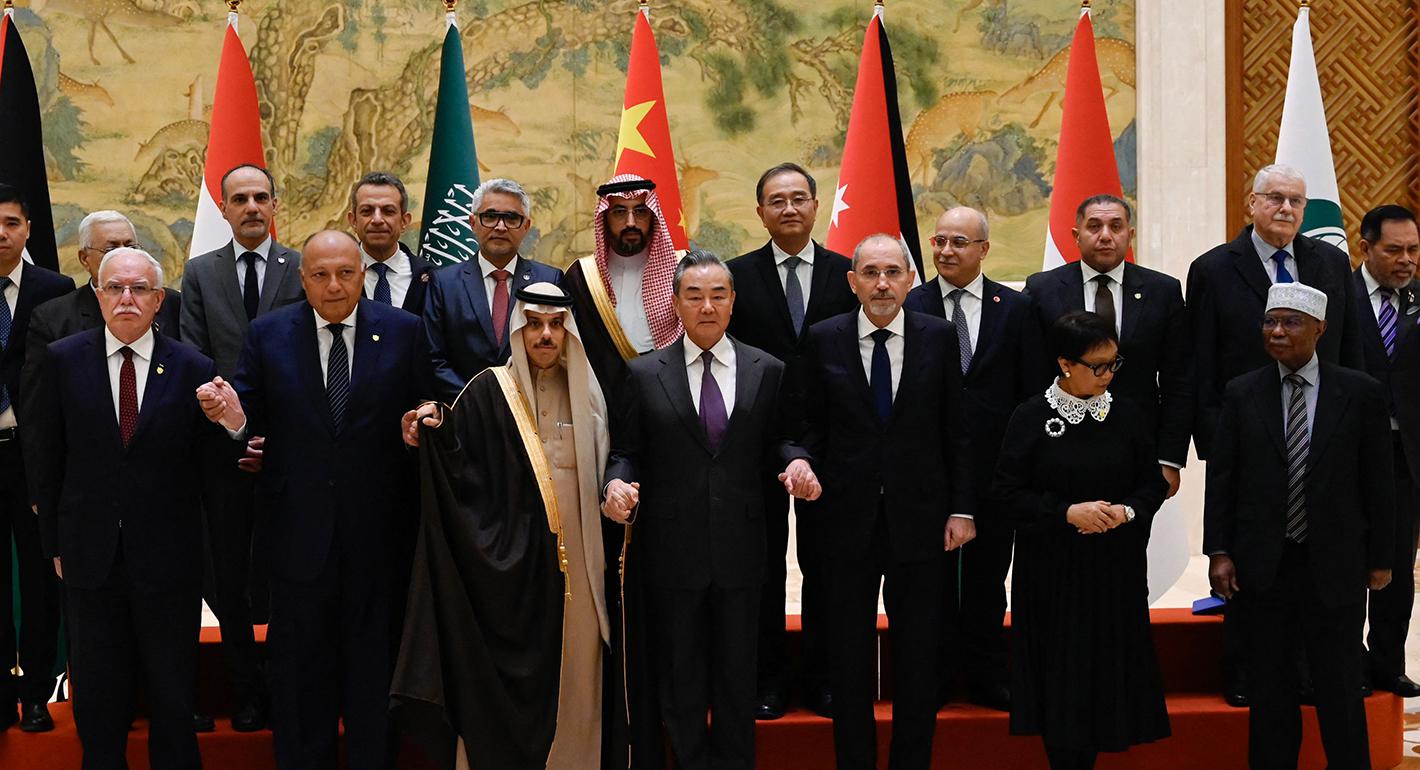
To create an environment more conducive to cooperation and development, U.S. and Chinese efforts should seek the endorsement of neighboring countries and regional organizations. Otherwise, regional and geopolitical rivalries will remain barriers.
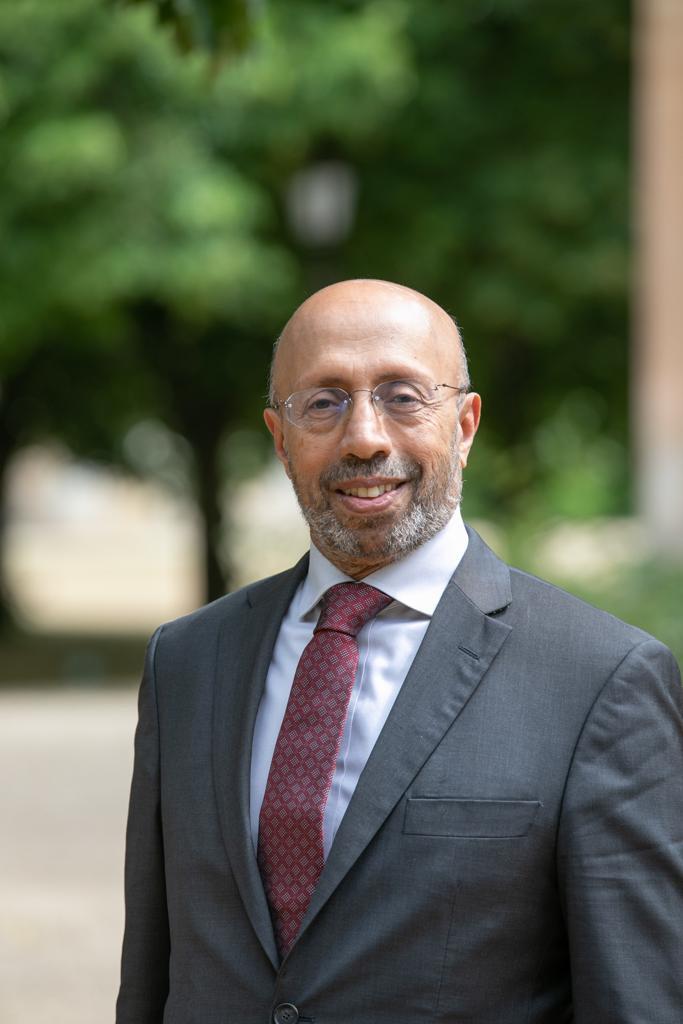
Abdullah Baabood

Scholars from Carnegie’s global network comment on how the ongoing conflict between Israelis and Palestinians is affecting their areas of interest, and what the implications of this may be.


Maha Yahya, Rosa Balfour, Judy Dempsey, …
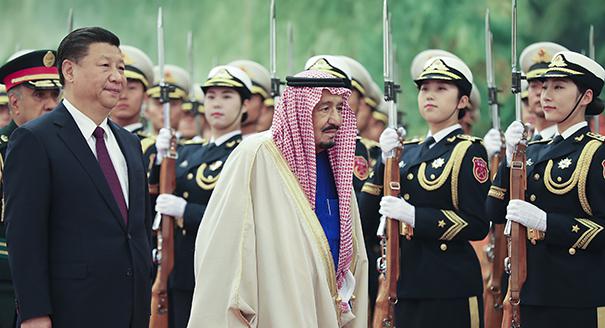
In an interview, Abdullah Baabood discusses Beijing’s evolving role in the Gulf region, where its priority is stability.

Michael Young

Because of its reliance on the Gulf region for much of its oil and gas, China has a strong interest in preserving security in the region, an early example of which was its mediation of the recent Saudi Arabia-Iran reconciliation.
Abdullah Baabood