

Research
- +10
Rosa Balfour, Frances Z. Brown, Yasmine Farouk, …
{
  "authors": [
    "Moisés Naím"
  ],
  "type": "legacyinthemedia",
  "centerAffiliationAll": "",
  "centers": [
    "Carnegie Endowment for International Peace"
  ],
  "collections": [],
  "englishNewsletterAll": "",
  "nonEnglishNewsletterAll": "",
  "primaryCenter": "Carnegie Endowment for International Peace",
  "programAffiliation": "",
  "programs": [],
  "projects": [],
  "regions": [
    "North America",
    "South America"
  ],
  "topics": [
    "Political Reform"
  ]
}
Source: Getty
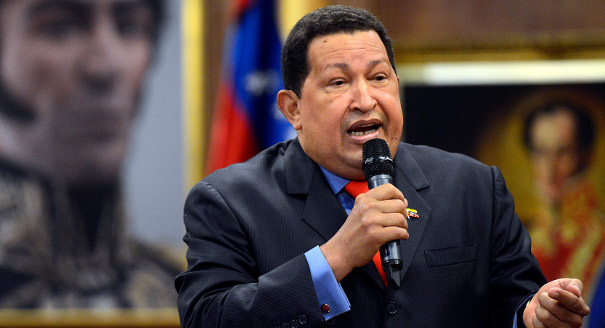
Hugo Chávez's reelection could still mark a turning point in Venezuelan politics.
Source: Financial Times

Nevertheless, he failed to unseat the president. This was, first, because charisma and cunning make Mr Chávez a formidable competitor who enjoys broad popular support. But in this case, oil matters more than talent. Incumbents always have advantages over their challengers, and Mr Chávez is an incumbent on steroids. He controls all the levers of power and can tap Venezuela’s oil revenues at will. Mr Capriles said: “I am not running against another candidate, I am running against the Venezuelan state.” In just one example, according to data compiled by his campaign, in the week before the vote Mr Chávez was on air for nine hours while, after protesting, Mr Capriles was allowed to address the nation for two minutes.
This abuse of state resources and limits on the opposition are common among semi-democratic countries rich in oil and poor on checks and balances on the executive branch. Think for example of recent elections in Russia won by Dmitry Medvedev and then Vladimir Putin.
An important test for the opposition will come next December, when regional elections will be held – even though, once again, the disadvantages of running against a petrostate will be hard to overcome.
Yet the bigger test may be that faced by Mr Chávez. No doubt, the president will continue to wield huge discretionary power: that feature of Venezuela’s political landscape is unchanged. But in the coming years, he will have to use his power to deal with something an election victory cannot change: the country is a mess. It suffers from inflation and homicide rates among the world’s highest, decrepit infrastructure, declining oil production, a deeply distorted economy, dismal productivity and rampant corruption. Going by his record, Mr Chávez is unlikely to succeed in his efforts to alleviate these problems.
And these domestic difficulties will take a toll on his international activism. In this new term, Mr Chávez will not enjoy the same popularity abroad as he did earlier. He will have less money and his credibility has been hurt by the many unfulfilled promises he has made to his allies. Most important, the allure of his Bolivarian revolution has faded as Venezuela’s difficulties have become better known abroad. While he may still take the international stage with gestures such as his unconditional support for the Syrian and Iranian regimes, or his alliance with Belarus, his regional influence is faltering. Meanwhile his economic dependence on the US – the main client for his oil – is unabated.
But perhaps the most important feature of Venezuela’s politics, which the election result can do nothing to change, is the president’s health. Mr Chávez has been battling with cancer, and the precise condition and prognosis of his illness are a state secret. It may well be that Venezuela’s destiny in the years ahead will be determined by human frailty, rather than by ideology.

Distinguished Fellow
Moisés Naím is a distinguished fellow at the Carnegie Endowment for International Peace, a best-selling author, and an internationally syndicated columnist.
Recent Work



Rosa Balfour, Frances Z. Brown, Yasmine Farouk, …
Moisés Naím
Carnegie does not take institutional positions on public policy issues; the views represented herein are those of the author(s) and do not necessarily reflect the views of Carnegie, its staff, or its trustees.
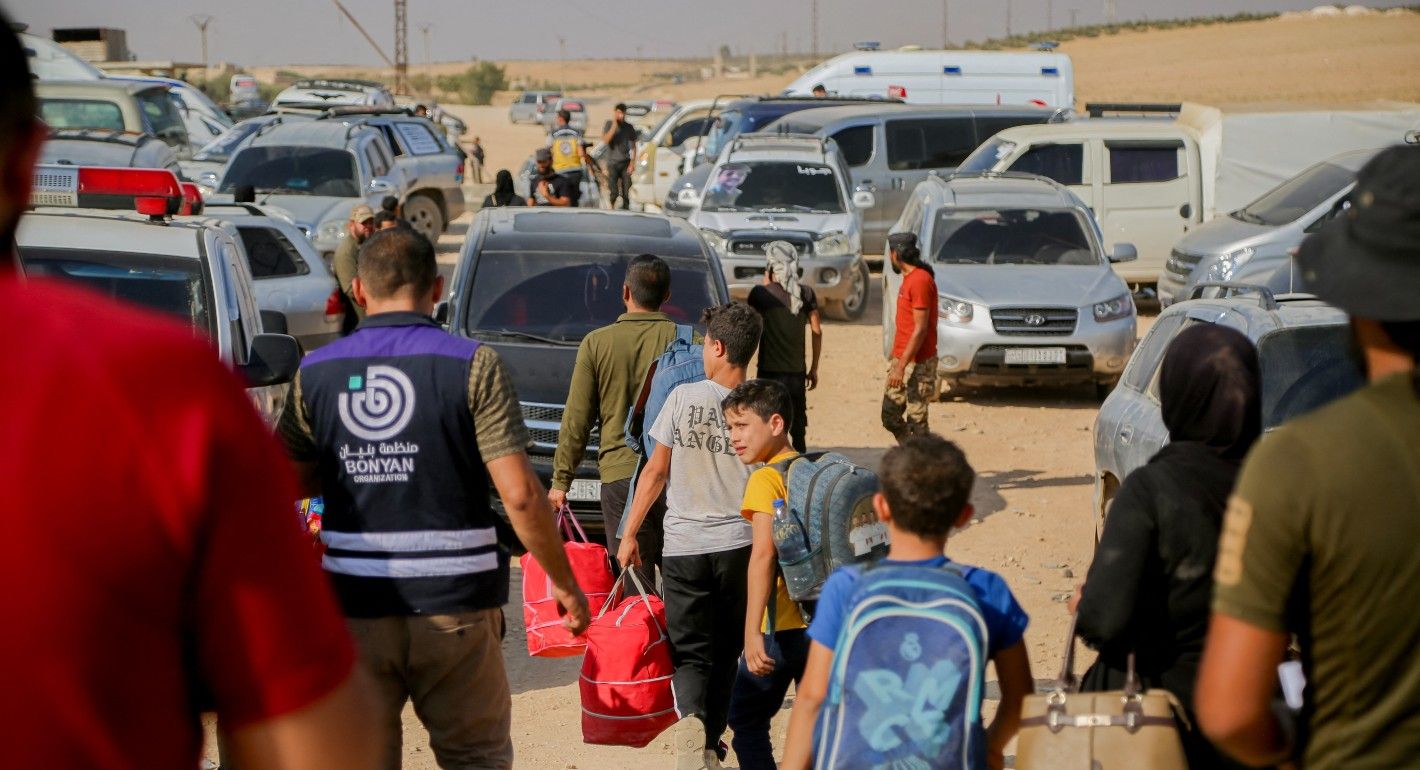
A humanitarian crisis in Lebanon deepens, and Syrian refugees face a perilous choice: remain in a war-torn environment or return to Syria where they risk encountering significant dangers and discrimination. There are significant challenges and risks to their search for safety in Syria.
Haid Haid
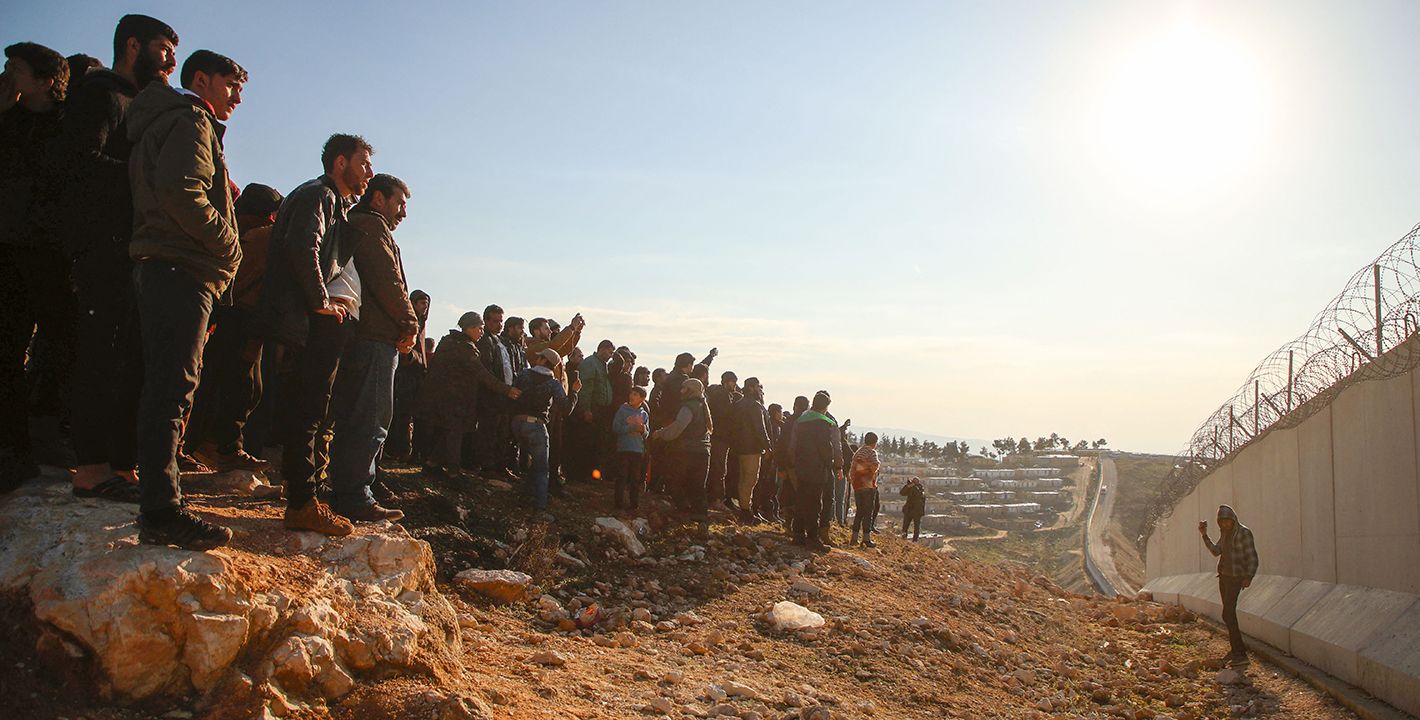
In Syria’s border regions, changes in demographics, economics, and security mean that an inter-Syrian peace process will require consensus among main regional powers that Syria must remain united, that no one side can be victorious, and that perennial instability threatens the region.

Kheder Khaddour, Armenak Tokmajyan
The interaction of national armed forces and private business sectors offers a useful lens for viewing the politics of numerous countries of the so-called Global South. A rising trend of military political activism—often accompanied by military commercial activity—underlines the importance of drivers and outcomes in these relationships.

Yezid Sayigh, Hamza Meddeb
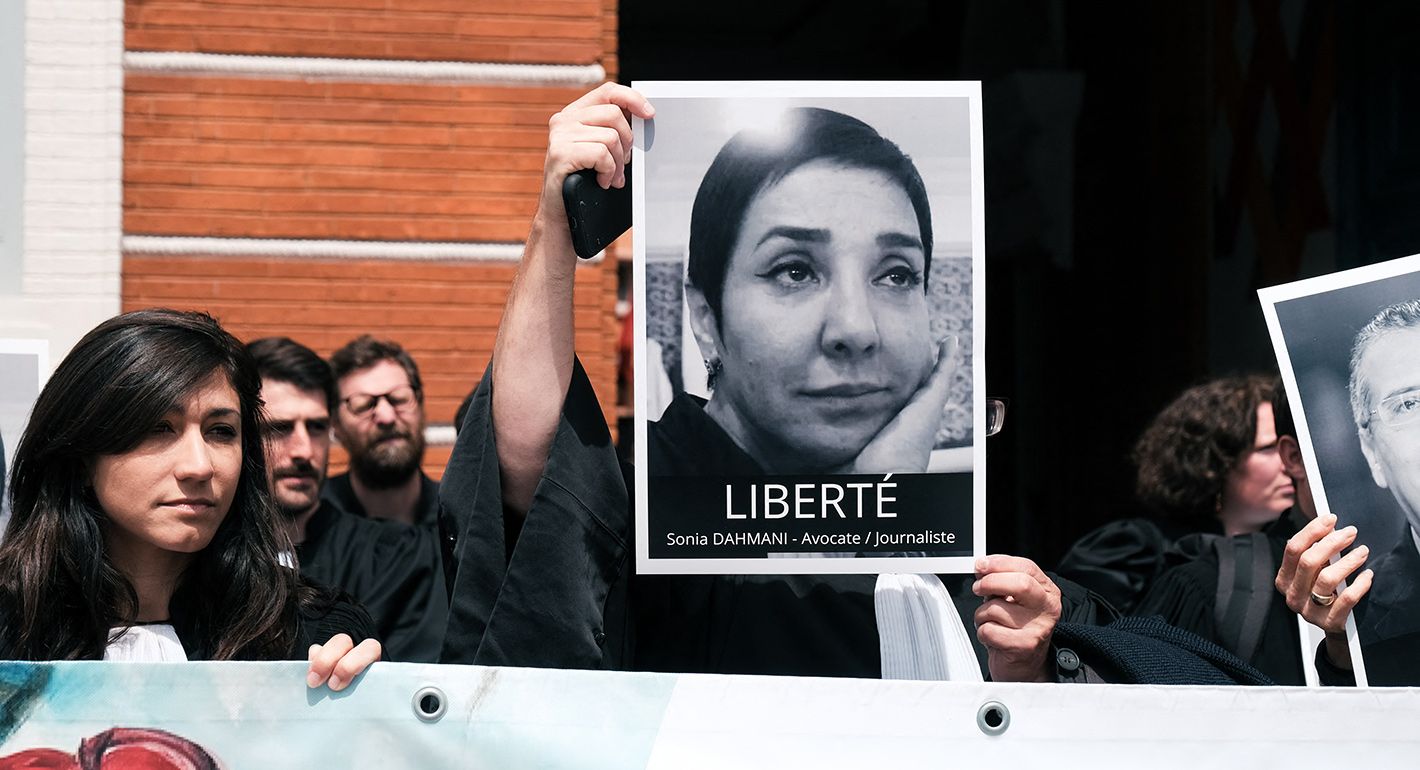
For many in the society, the post-Ben Ali years were mainly about successive economic crises and political instability.
Jasmine Khelil
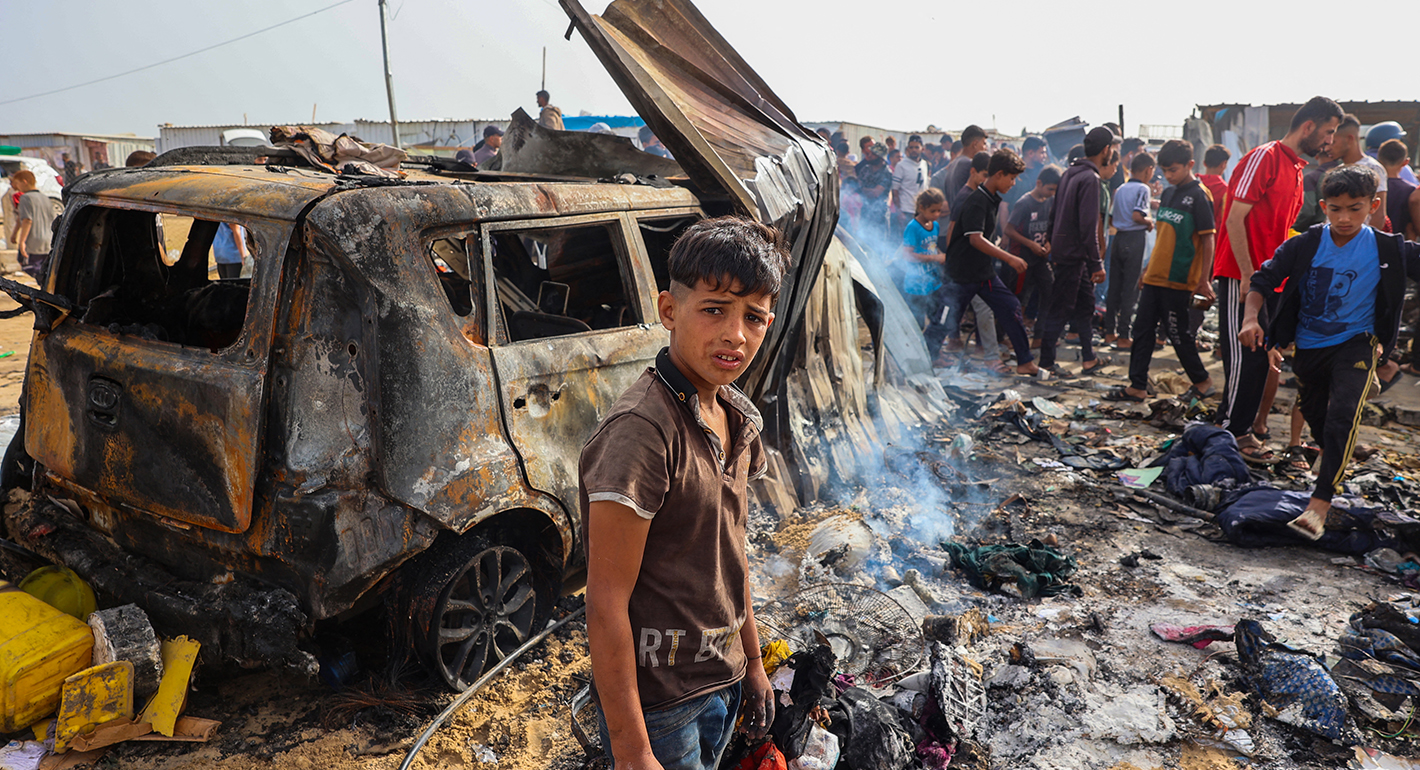
The Biden administration’s plan for the “day after” in Gaza would be disastrous without the promise of Palestinian statehood.
Yezid Sayigh