

Paper
Douglas H. Paal
{
  "authors": [
    "Douglas H. Paal"
  ],
  "type": "questionAnswer",
  "centerAffiliationAll": "dc",
  "centers": [
    "Carnegie Endowment for International Peace"
  ],
  "collections": [],
  "englishNewsletterAll": "asia",
  "nonEnglishNewsletterAll": "",
  "primaryCenter": "Carnegie Endowment for International Peace",
  "programAffiliation": "AP",
  "programs": [
    "Asia"
  ],
  "projects": [],
  "regions": [
    "East Asia",
    "China"
  ],
  "topics": [
    "Political Reform"
  ]
}
Source: Getty
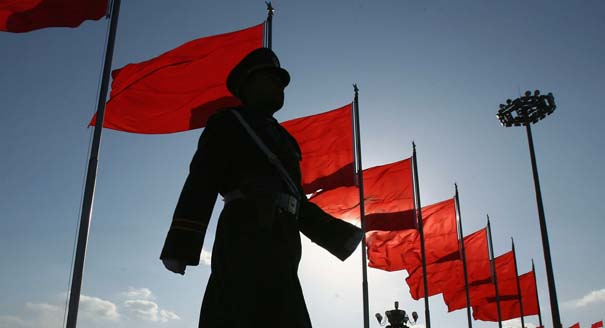
Fresh faces in China's leadership will hopefully usher in the economic and political reforms that China needs and loosen the state’s grip on society.
China’s once-in-a-decade transition to a new generation of leaders will take place at the 18th Party Congress in November. With 70 percent of government positions changing hands, the turnover could possibly alter the trajectory of the Communist Party and a rising China.
In a video Q&A, Douglas Paal previews the looming leadership transition and its possible implications for China’s domestic and foreign policies. Paal says the fresh faces will hopefully usher in the economic and political reforms that China needs and loosen the state’s grip on society.
But during the summer that all slowed down, which suggests that they are having trouble with orchestrating the allocation of positions.
Seventy percent of the leadership is going to change. From the last meeting of the 17th Party Congress to the next meeting, a huge number of seats are going to switch—70 percent of the Politburo, 70 percent of the military commission, 70 percent of the Politburo Standing Committee, and on down through the system.
This is like a major change of party leadership in the U.S. system where the Democrats come out and Republicans come in, or vice versa, in terms of the scale of what this means for change in China.
So a lot of people in and out of government are holding their breath to see what the consequences of such a massive shift of personnel will be.
There is a lot of jostling going on. Whether this is backroom knife fights or just backroom refusals to concur and agree, we don’t know. The Chinese system is too opaque.
There has obviously been some unusual behavior. The heir apparent, Xi Jinping, disappeared for almost two weeks and no accounting of this was made publicly. This shows that the Chinese system still has hallmarks of the old Leninist traditions and a certain amount of traditional Chinese conspiracy and secrecy in the politics of how officials govern the place.
A great change in modern China was from the dictatorship period of Mao Zedong through the leadership of Deng Xiaoping to a more institutionalized and stable succession mechanism. China has made a lot of progress in that direction, but it’s incomplete and we’re seeing that now.
One of the things that happened in this process is that it has accentuated the role of interest groups or people with an interest in certain kinds of industries or certain kinds of public institutions, the party, or the army. They are jostling with each other to get representation in the top body of the party’s policymaking organs, the Politburo Standing Committee.
One of the things that was decided fairly early this year was that the Politburo Standing Committee would be reduced from nine members, each of whom can veto a consensus among the others, to seven. This might be a little more efficient for decisionmaking, but it means two interest groups are going to be dropped out of the process.
A lot of people want to know what the new leadership is like in China—they want to know about Xi Jinping. And the fact is we don’t know a whole lot about him.
Fortunately, we’ve had some experience. The United States and China have exchanged vice presidents and Xi Jinping had been in the United States before then too.
The new leaders are much more knowledgeable about the United States. I think the leadership as a whole is far more familiar with foreign affairs and with the United States than previous leaderships have been. So there’s some reasonable prospect that the new leaders will have a more realistic set of expectations for what we can and cannot do than normally would be the case in the modern experience with China. That’s a source of some modest optimism.
When Jiang Zemin stepped down and Hu Jintao came in, Jiang retained control of the military commission. That diminished the consolidation of power for Hu Jintao as he took over as the new number one. And now they’re talking about doing it again.
This time Xi Jinping has a credible claim on military experience. One of his earlier jobs was at the military commission with Geng Biao, a very important military leader, when he first started working in government.
There is some speculation that the current dramatic interplay with Japan over the Senkaku/Diaoyu Islands has something to do with creating a crisis atmosphere that will allow Hu Jintao to say, “I can’t let go now. Too many important things are happening. Xi Jinping isn’t ready.”
We don’t know if that is the case, but that is being speculated in the various circles of China observers trying to understand what’s going on.
My own bet is that Xi Jinping will take over the full military commission, because it is anomalous not to have all the jobs go to the Communist Party’s general secretary at the same time.
A lot of us, me especially, are hoping there will be some big changes in domestic policy.
On foreign policy, we hope there will be some adjustments and improvements, because there have been some rough patches in recent years with China and its leadership has not been deploying as effective diplomacy as it has the capacity to do.
But domestically, change and reform have been bottled up—both political and economic—since at least 2005. The leadership doesn’t seem able to form a consensus and there is a tremendous amount of hope inside and outside of China that the new leaders will start to move the economy toward growth on the basis of greater consumption and less investment, and to open up the political system to a greater plurality of voices.
There’s no expectation the Communist Party will surrender its rule, but rather that it will allow a more relaxed grip on the society as a whole.
Distinguished Fellow, Asia Program
Paal previously served as vice chairman of JPMorgan Chase International and as unofficial U.S. representative to Taiwan as director of the American Institute in Taiwan.
Recent Work
Douglas H. Paal

Douglas H. Paal, Tong Zhao, Chen Qi, …
Carnegie does not take institutional positions on public policy issues; the views represented herein are those of the author(s) and do not necessarily reflect the views of Carnegie, its staff, or its trustees.

Huawei pushed hard to enter the Egyptian data centers market, until the Americans made a better offer.

Angie Omar

China has aligned its cooperation model with Saudi Arabia’s own priorities, most notably since the kingdom unveiled its Vision 2030. Although China announced the Belt and Road Initiative in 2013, the big push in relations happened only after the ascendance of King Salman to the throne in 2015 and Riyadh’s push for Beijing to meet Saudi needs.
Hesham Alghannam
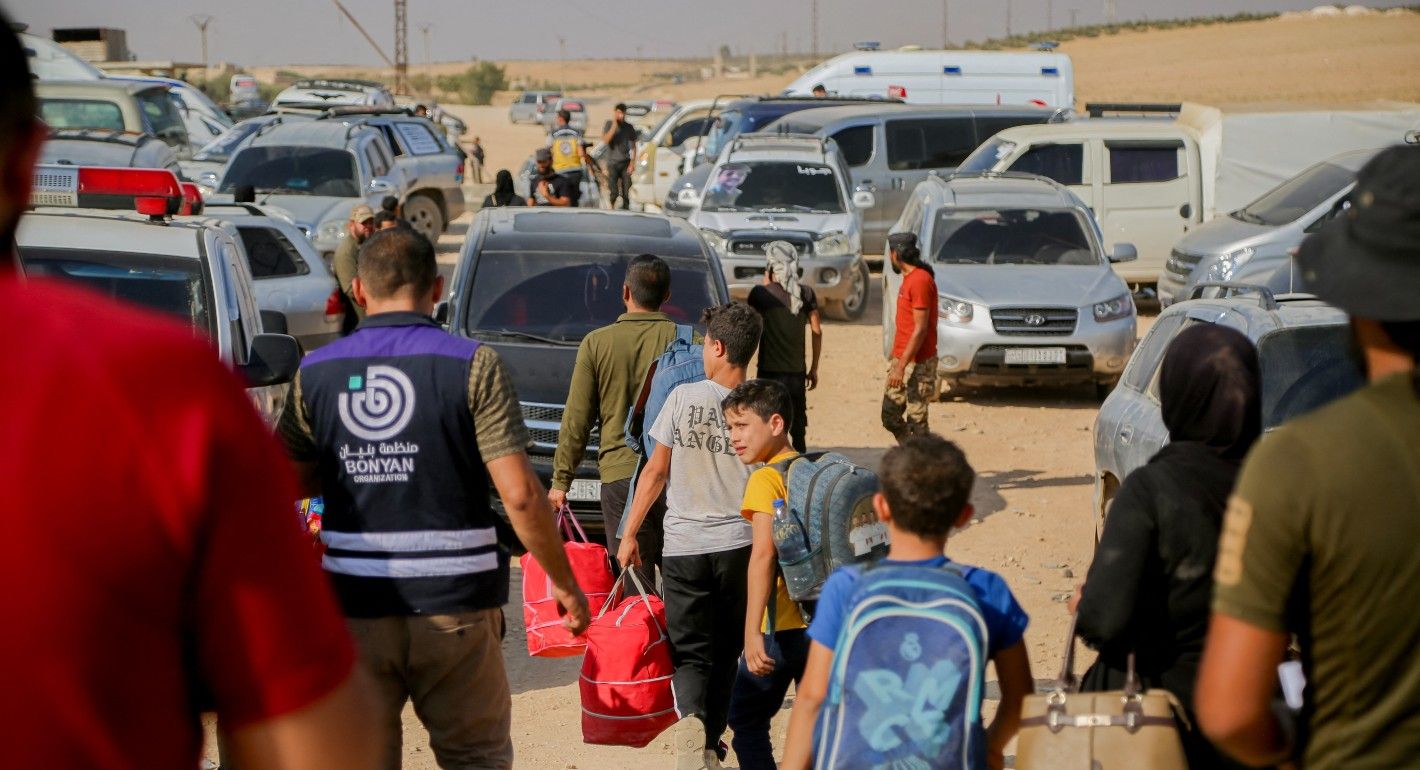
A humanitarian crisis in Lebanon deepens, and Syrian refugees face a perilous choice: remain in a war-torn environment or return to Syria where they risk encountering significant dangers and discrimination. There are significant challenges and risks to their search for safety in Syria.
Haid Haid
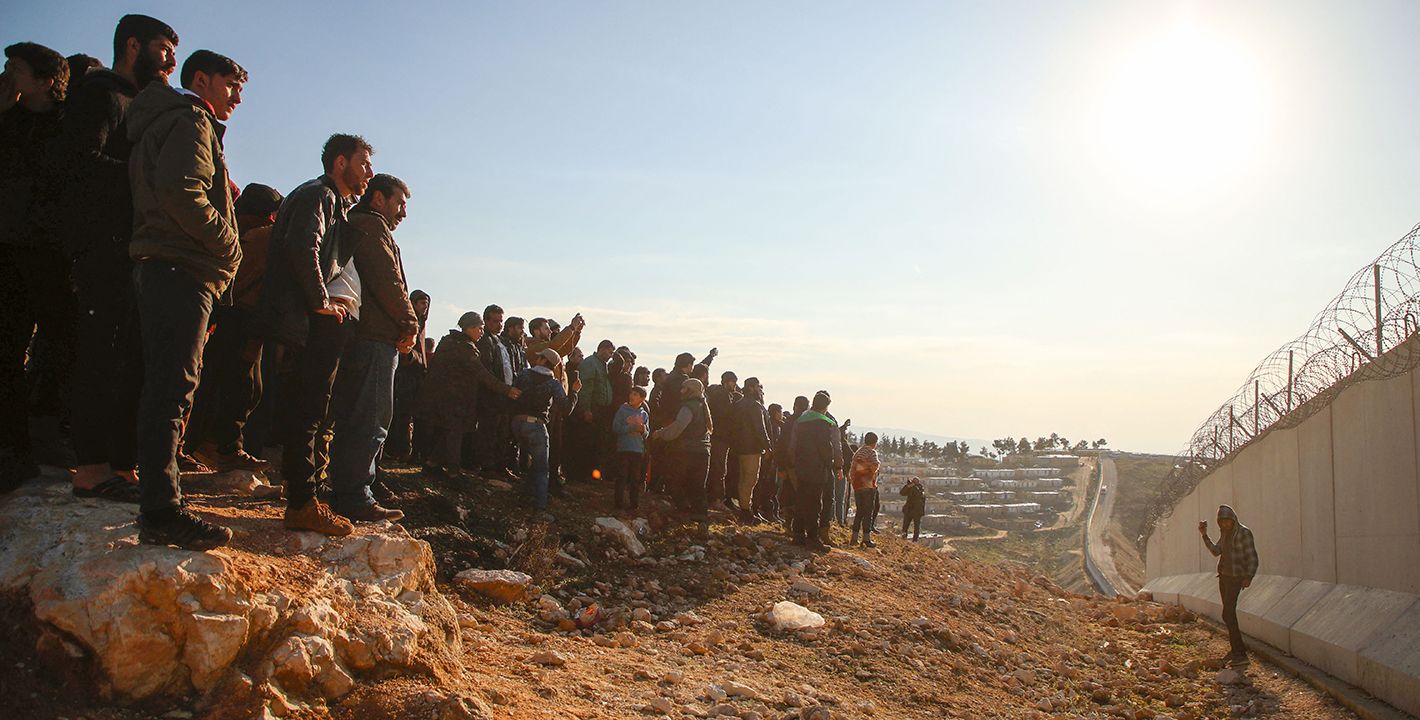
In Syria’s border regions, changes in demographics, economics, and security mean that an inter-Syrian peace process will require consensus among main regional powers that Syria must remain united, that no one side can be victorious, and that perennial instability threatens the region.

Kheder Khaddour, Armenak Tokmajyan
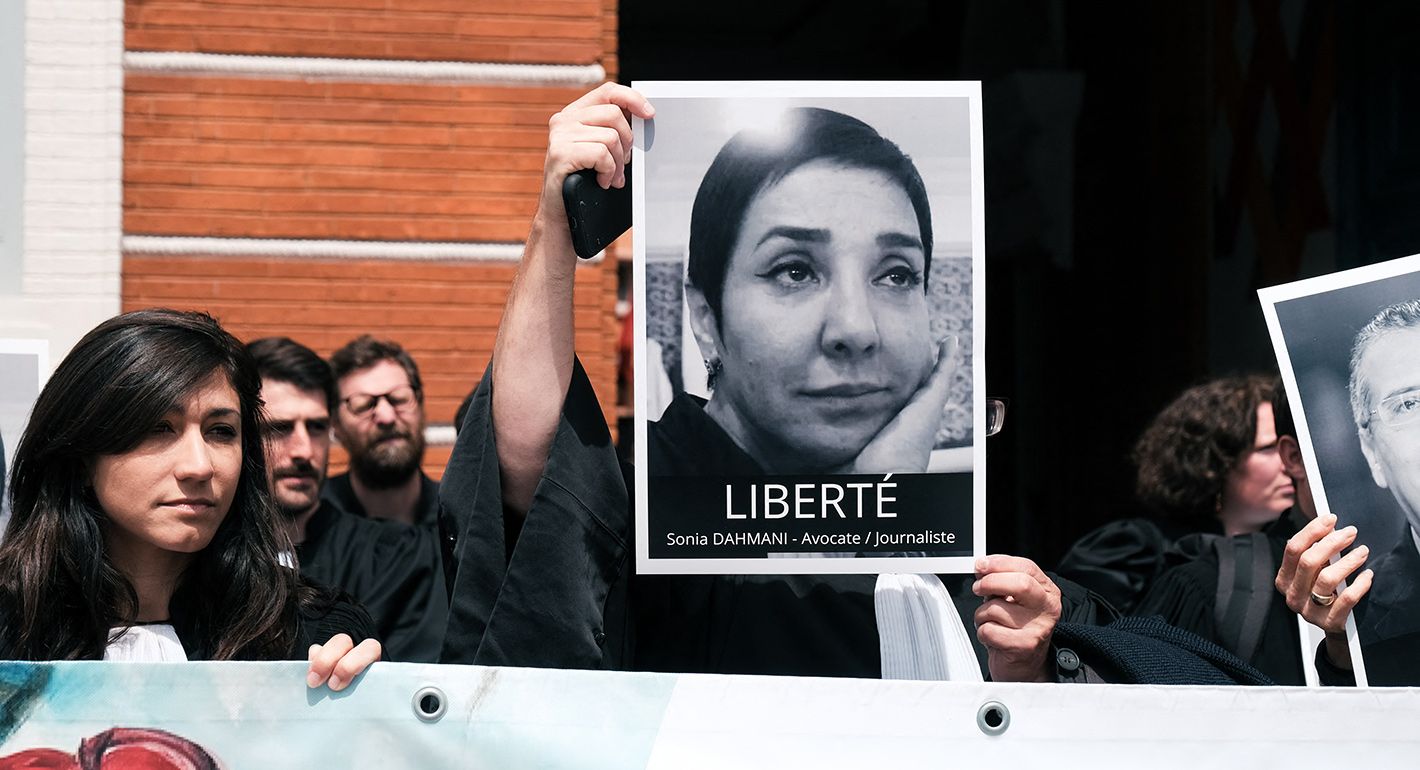
For many in the society, the post-Ben Ali years were mainly about successive economic crises and political instability.
Jasmine Khelil