

Article
C. Raja Mohan, Darshana M. Baruah
{
  "authors": [
    "C. Raja Mohan"
  ],
  "type": "legacyinthemedia",
  "centerAffiliationAll": "dc",
  "centers": [
    "Carnegie Endowment for International Peace",
    "Carnegie India"
  ],
  "collections": [],
  "englishNewsletterAll": "ctw",
  "nonEnglishNewsletterAll": "",
  "primaryCenter": "Carnegie India",
  "programAffiliation": "SAP",
  "programs": [
    "South Asia"
  ],
  "projects": [],
  "regions": [
    "South Asia",
    "Pakistan"
  ],
  "topics": [
    "Political Reform"
  ]
}
Source: Getty
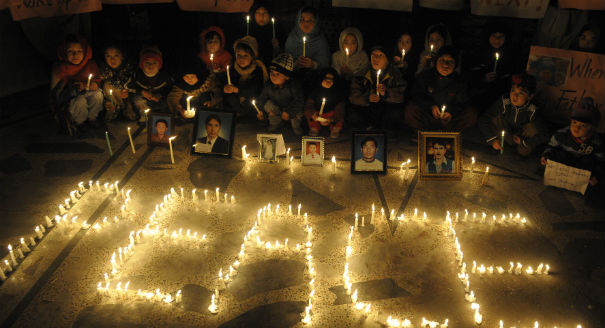
Pakistan is promising to crack down on terrorist groups that target the Shia community in Balochistan, but a healthy skepticism may be in order.
Source: Indian Express
The protests by the Hazara Shia community in Quetta, Balochistan came to an end Tuesday when Islamabad promised to launch "targeted" operations against Sunni extremist groups.
But there is little hope that the Pakistan army is prepared to confront the Lashkar-e-Jhangvi that has launched repeated and brazen murderous assaults on the Shia in Quetta and beyond.
This year alone more than 200 Shia in Quetta died in these attacks. In January, the suicide bombing of a snooker hall in Quetta killed 93 and injured nearly 200 people. When the Shia refused to bury the dead until Quetta was handed over to the army, Islamabad responded by dismissing the regional government and imposing governor's rule.Last Sunday, in a terror blast at a busy market in Quetta, 89 Shia were killed and nearly 100 injured. The LeJ claimed credit for the attack. The Shia took to the streets again, as the governor of the province blamed the law enforcement agencies for "being too scared or clueless."
In their talks with the Shia leaders in Quetta, the government claimed that it has "detained" nearly 170 suspects and that there will be "targeted" operations against the LeJ with the help of the army.
Although the protests have ended, the violent sectarian extremism of the LeJ has thrived amidst the permissive political environment in Pakistan that has turned a blind eye to the mounting attacks on sectarian Muslim minorities as well as the Hindu minority.
Pakistan's army and intelligence agencies have a huge presence in Quetta, from where they conduct the campaign against a separatist insurgency by the Baloch nationalists, keep a close eye on Afghan groups that enjoy its patronage, and monitor the turbulent border with Iran.
The security forces, including the army, do not consider Sunni extremist groups like the LeJ as "anti-state" and have been willing to live with its excesses. Their current focus is on countering groups like the Tehreek-e-Taliban Pakistan that have confronted the military in Pakistan.
The LeJ was banned more than a decade ago under American pressure on Pakistan following the 9/11 attacks on the US. But the group operates openly in Pakistan under the very nose of the security forces.
The deepening tension between Shia and Sunni is not limited to Pakistan and has enveloped the Arabian Peninsula. From Bahrain in the east to Syria in the north, the conflict has enveloped most other fault lines within and across the region.
Bahrain marked the second anniversary of the uprising two years ago for political reform with renewed clashes between security forces and protesters. What started out as a non-sectarian movement for democratic change soon became a conflict between the Sunni monarchy and the Shia majority. The Shia constitute nearly 70 per cent of the population and complain about their condition as a virtual underclass.
Bahrain's internal conflict acquired a regional dimension as the Sunni monarchy blamed Iran for fomenting the rebellion and invited a military intervention led by Saudi Arabia. Attempts to find reconciliation between the Sunni minority regime and the Shia majority appear to be breaking down amidst the renewed violence.
As the Shia in Bahrain fight for majority rights, the recently empowered Shia majority in Iraq has big problems finding peace with the Sunni minority.
Until the American military intervention to oust the Saddam Hussein regime in 2003, a Sunni minority ruled over the Shia majority and marginalized the ethnic Kurds.
There was much hope that Iraq would ensure the rights of minorities in the new democratic framework. But those hopes have been dashed amidst growing conflict between Shia and Sunni.
The difficulties of the young democracy in Iraq to finding a balance between redressing historic injustices and protecting minority rights has been exacerbated by the Shia-Sunna conflict in Syria.
While the Shia of Iraq have no empathy for Bashar al-Assad, they deeply fear the consequences of the collapse of his minority regime led by the Alawites, a variant of Shia Islam.
The Sunni dissidents in Iraq meanwhile are being drawn into a deeper embrace with Assad's opponents, who claim to speak on behalf of the oppressed Sunni majority in Syria.
With Sunni Turkey opposing Assad and Shia Iran supporting him, it has become difficult to separate the regional conflicts from the sectarian divide.
Former Nonresident Senior Fellow, Carnegie India
A leading analyst of India’s foreign policy, Mohan is also an expert on South Asian security, great-power relations in Asia, and arms control.
Recent Work

C. Raja Mohan, Darshana M. Baruah


Alexander Gabuev, Paul Haenle, C. Raja Mohan, …
Carnegie does not take institutional positions on public policy issues; the views represented herein are those of the author(s) and do not necessarily reflect the views of Carnegie, its staff, or its trustees.
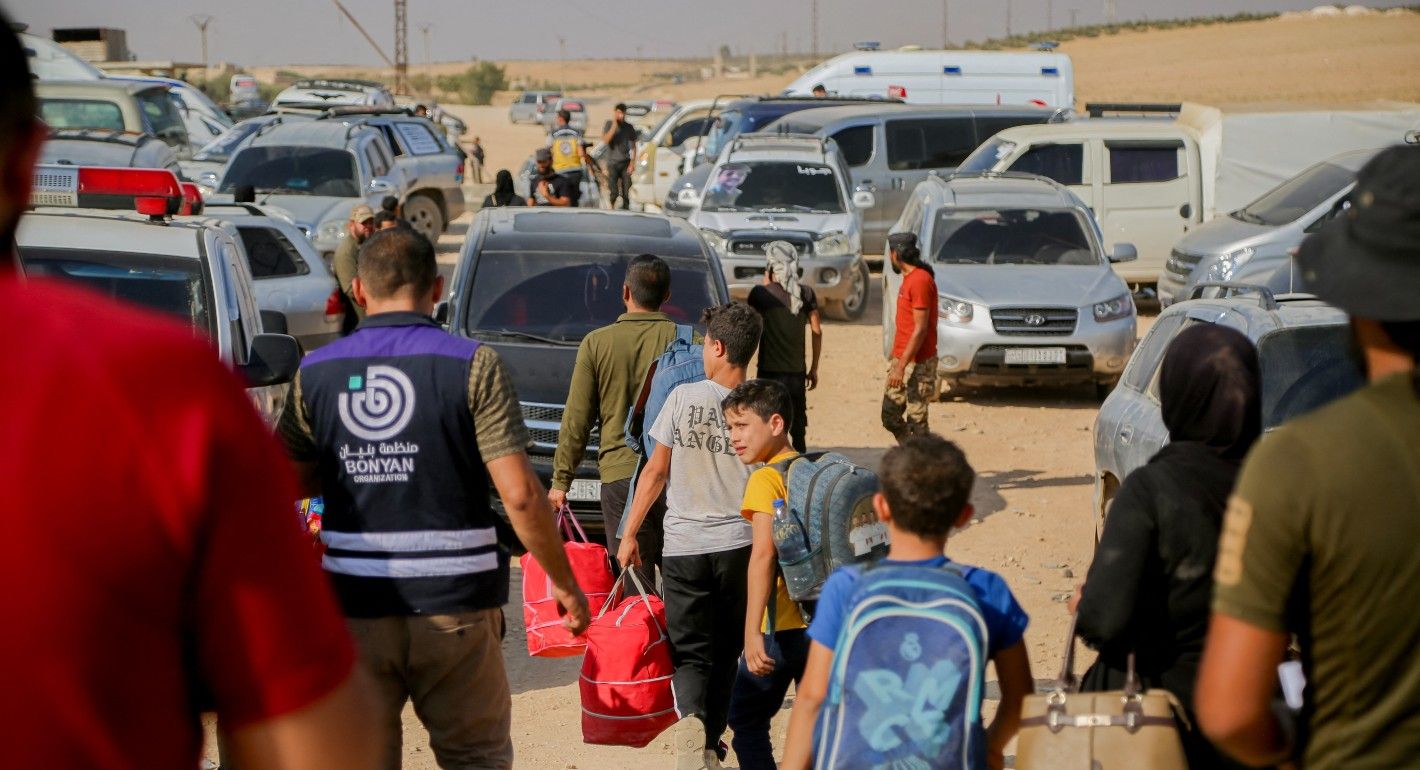
A humanitarian crisis in Lebanon deepens, and Syrian refugees face a perilous choice: remain in a war-torn environment or return to Syria where they risk encountering significant dangers and discrimination. There are significant challenges and risks to their search for safety in Syria.
Haid Haid
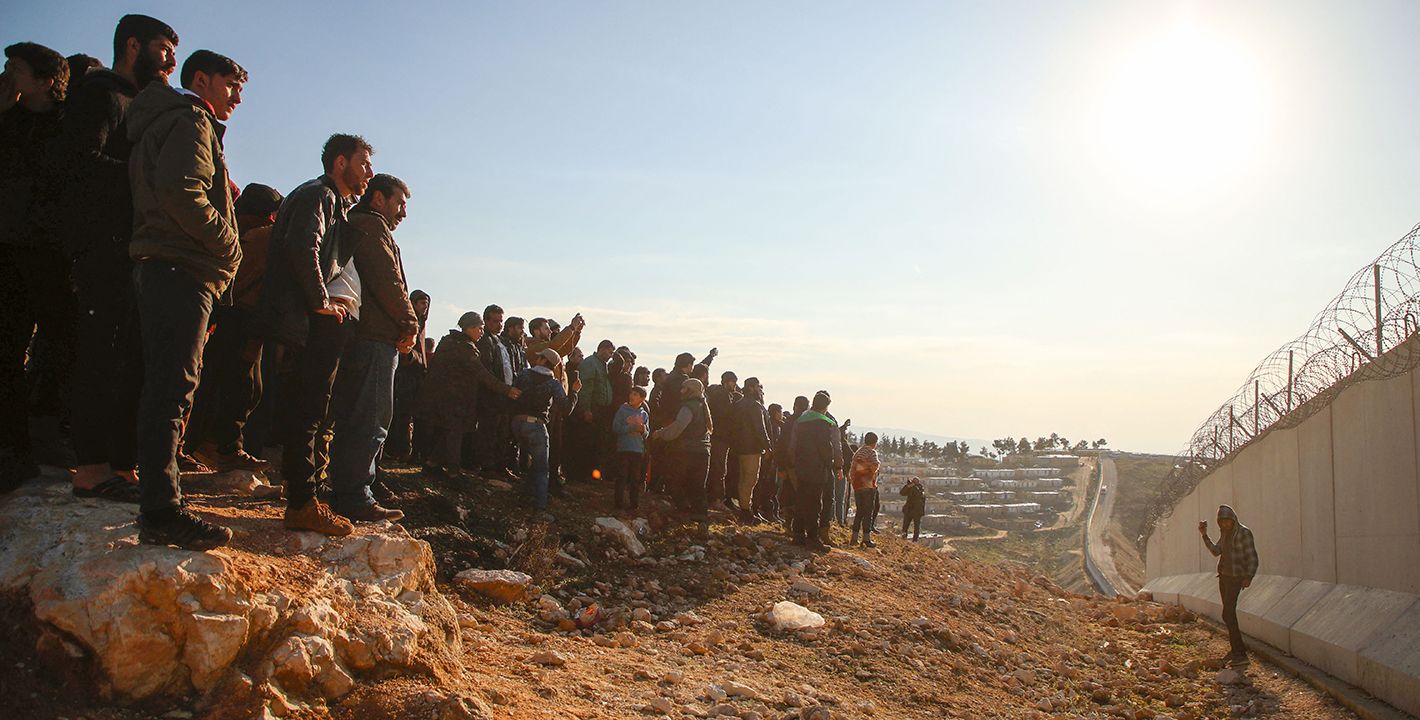
In Syria’s border regions, changes in demographics, economics, and security mean that an inter-Syrian peace process will require consensus among main regional powers that Syria must remain united, that no one side can be victorious, and that perennial instability threatens the region.


Kheder Khaddour, Armenak Tokmajyan
The interaction of national armed forces and private business sectors offers a useful lens for viewing the politics of numerous countries of the so-called Global South. A rising trend of military political activism—often accompanied by military commercial activity—underlines the importance of drivers and outcomes in these relationships.

Yezid Sayigh, Hamza Meddeb
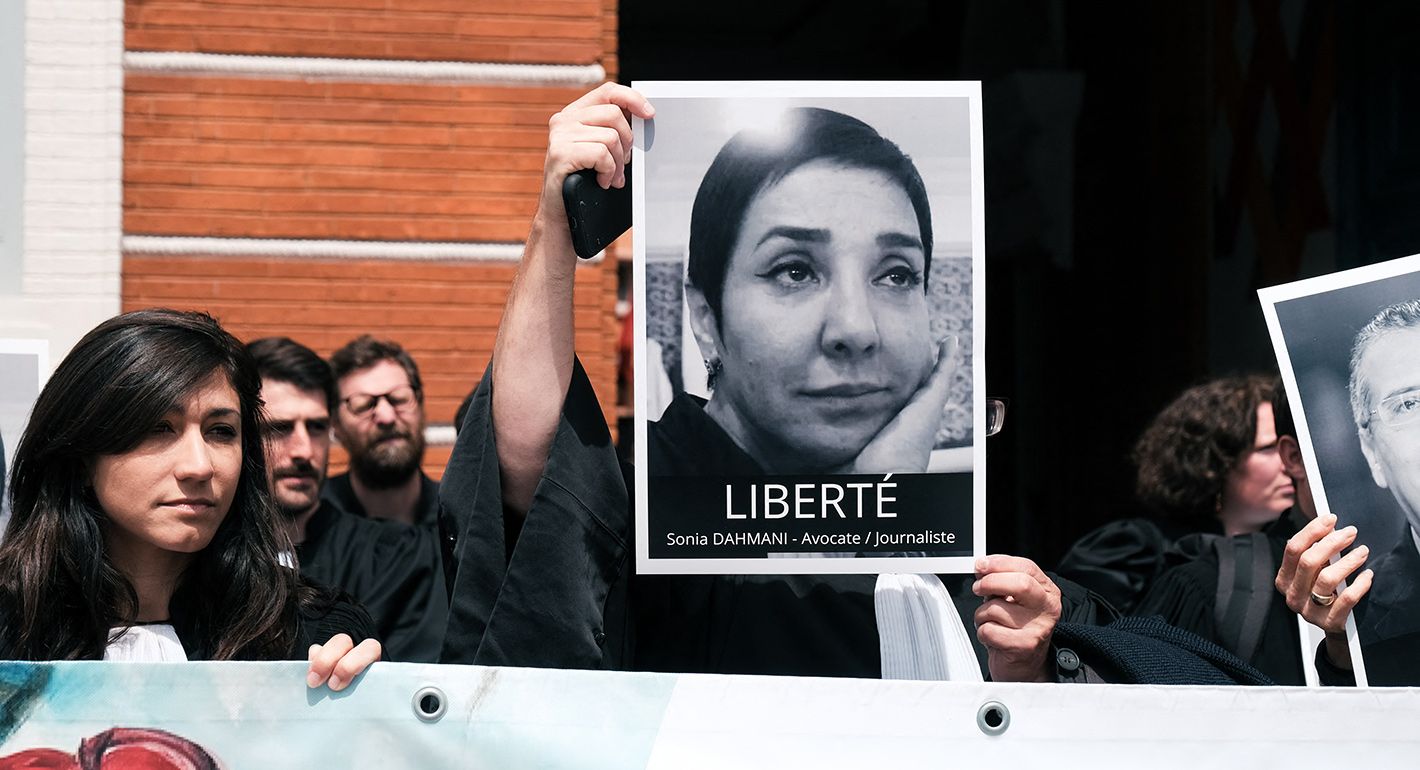
For many in the society, the post-Ben Ali years were mainly about successive economic crises and political instability.
Jasmine Khelil
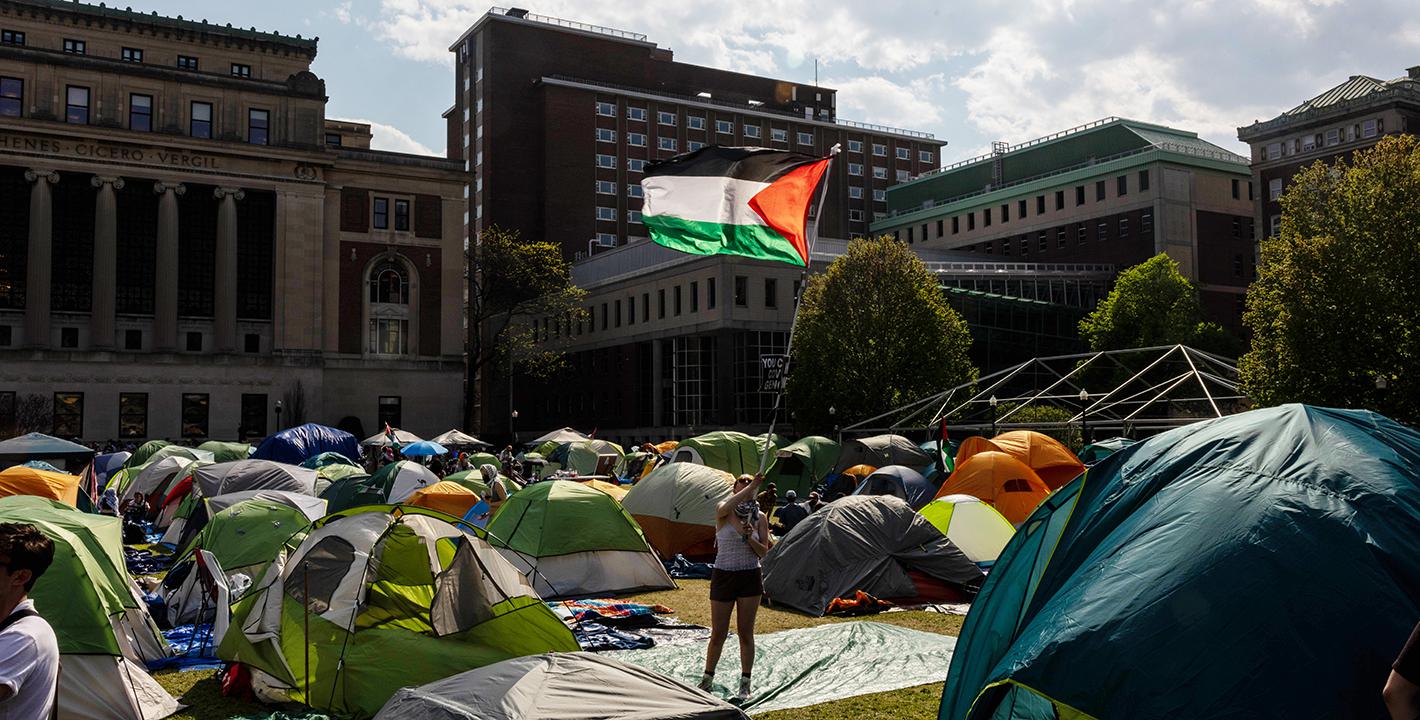
As students around the United States and Europe protest, the relationship of Western elites with Israel is being redefined.

Michael Young