

Commentary
Maria Lipman
{
  "authors": [
    "Maria Lipman"
  ],
  "type": "legacyinthemedia",
  "centerAffiliationAll": "",
  "centers": [
    "Carnegie Endowment for International Peace",
    "Carnegie Russia Eurasia Center"
  ],
  "collections": [],
  "englishNewsletterAll": "",
  "nonEnglishNewsletterAll": "",
  "primaryCenter": "Carnegie Russia Eurasia Center",
  "programAffiliation": "",
  "programs": [],
  "projects": [],
  "regions": [
    "Russia"
  ],
  "topics": [
    "Political Reform",
    "Civil Society"
  ]
}
Source: Getty
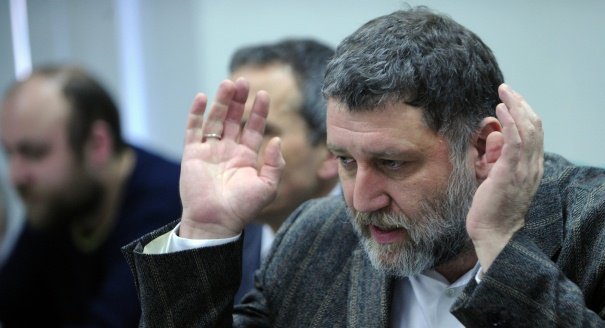
The protests in Russia cannot be called a political phenomenon, as the participants are experienced in civic activism but not in political life.
Source: Heinrich Böll Foundation
Carnegie’s Maria Lipman, a member of the organizing committee of the Khodorkovsky debates, was in Berlin for the 4th Khodorkovsky debates focusing on the modernization of Russia. In an interview with the Heinrich Böll Foundation, she talked about the protests in Russia and the opposition’s situation today.Lipman underlined that the activists who took part in the protests after the Duma elections in 2011 lack leaders, an obvious agenda, and the desire to participate in Russian politics. Thus, their actions cannot be called a political phenomenon, as the participants are experienced in civic activism but not in political life. The political sphere, as a whole, is controlled by the government, Lipman said.
Lipman added that the Coordination Council of the Russian opposition, in her opinion, does not have any chance to actually participate in politics, because the Kremlin has a tremendous advantage over societal forces, making the societal attempts to organize very weak.
Former Scholar in Residence, Society and Regions Program, Editor in Chief, Pro et Contra, Moscow Center
Lipman was the editor in chief of the Pro et Contra journal, published by the Carnegie Moscow Center. She was also the expert of the Carnegie Moscow Center’s Society and Regions Program.
Recent Work
Maria Lipman
Maria Lipman
Carnegie does not take institutional positions on public policy issues; the views represented herein are those of the author(s) and do not necessarily reflect the views of Carnegie, its staff, or its trustees.
The country’s leadership is increasingly uneasy about multiple challenges from the Levant to the South Caucasus.

Armenak Tokmajyan
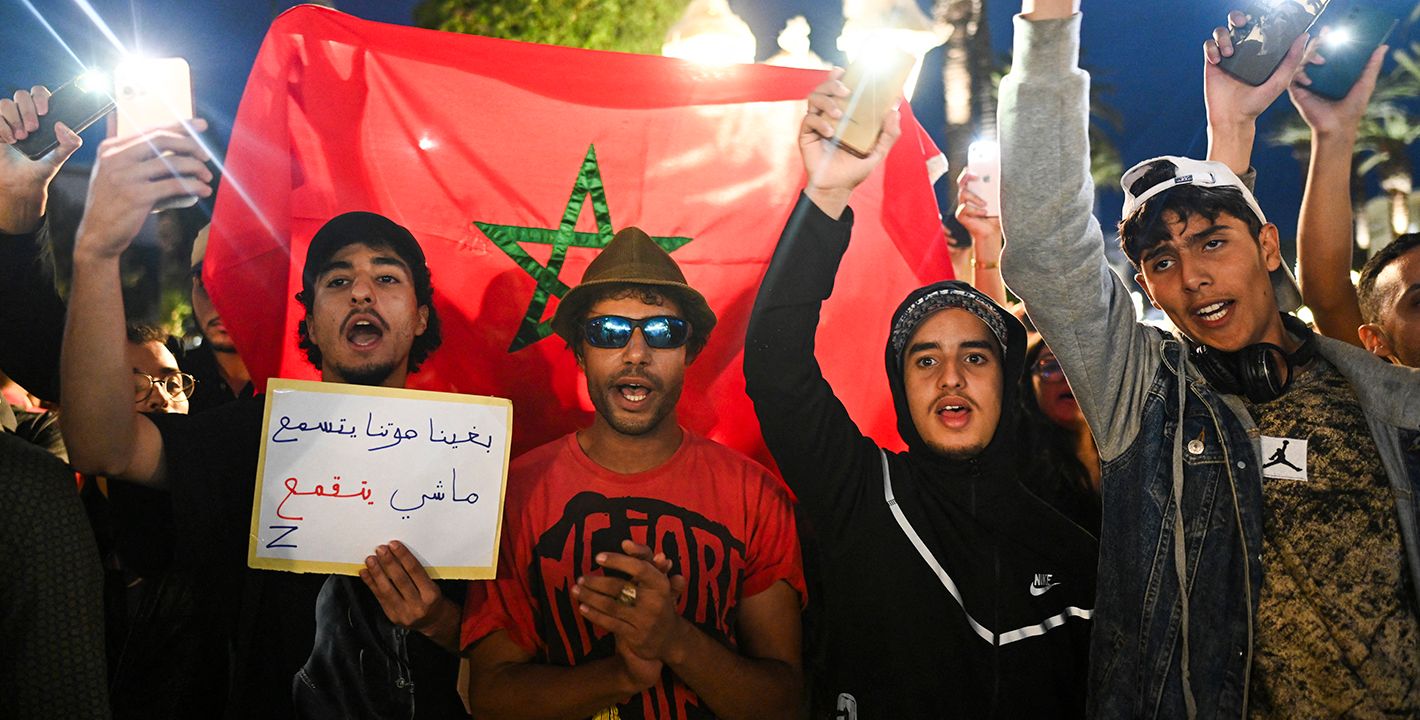
The country’s youthful protest movement is seeking economic improvement, social justice, and just a little hope.

Yasmine Zarhloule
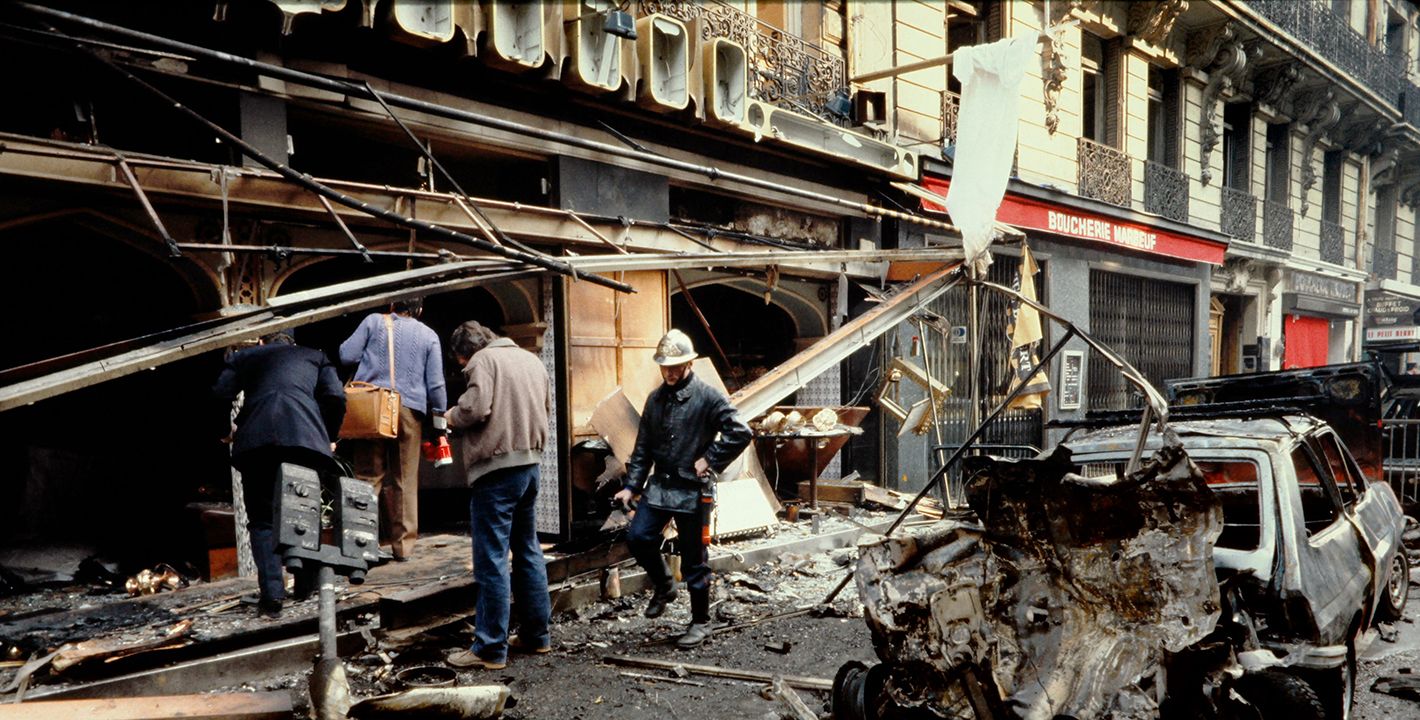
In an interview, Daniela Richterova speaks about her book on Czechoslovakia’s Cold War ties to Palestinian groups and others.

Michael Young
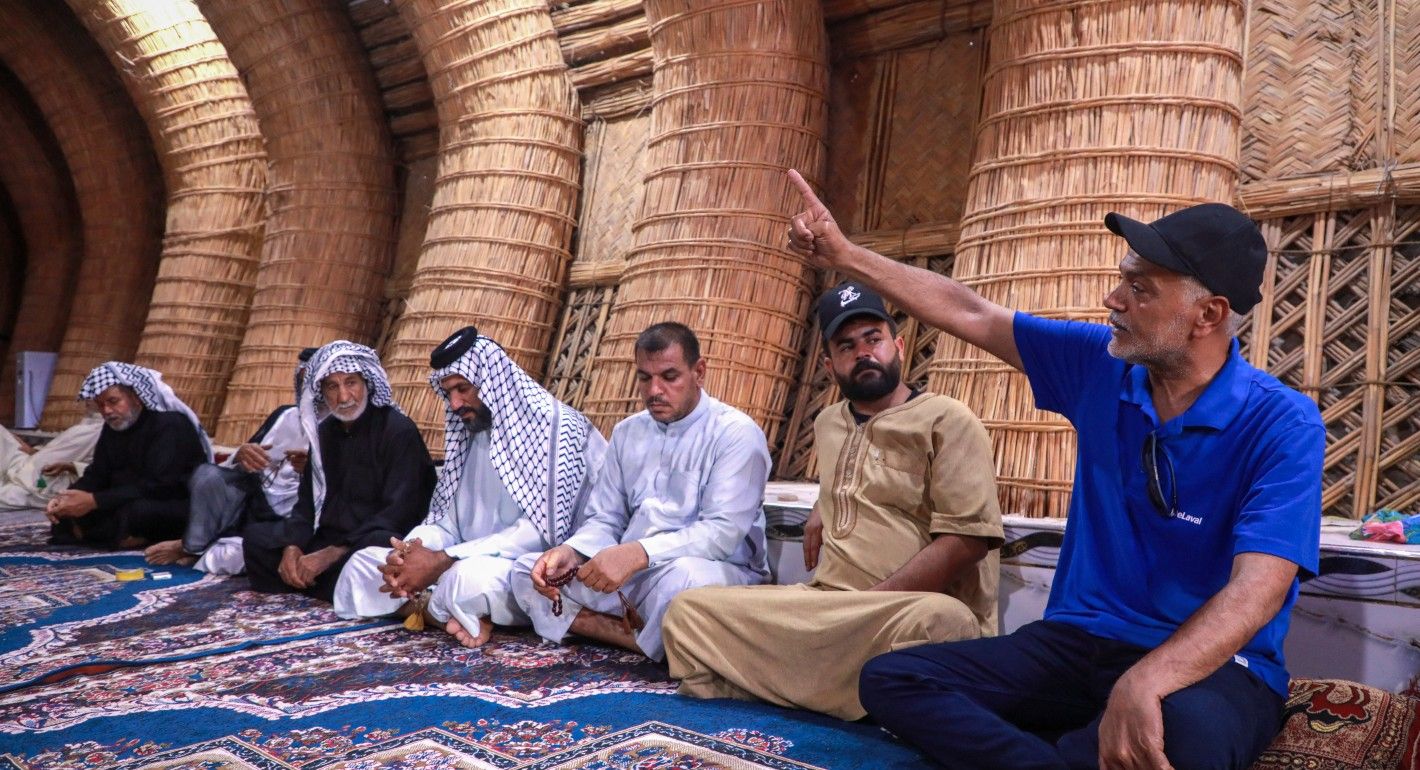
In fragmented political contexts, climate activism is a way to contest both ecological harm and the structures of violence and neglect that allow it to persist.


Issam Kayssi, Mohanad Hage Ali
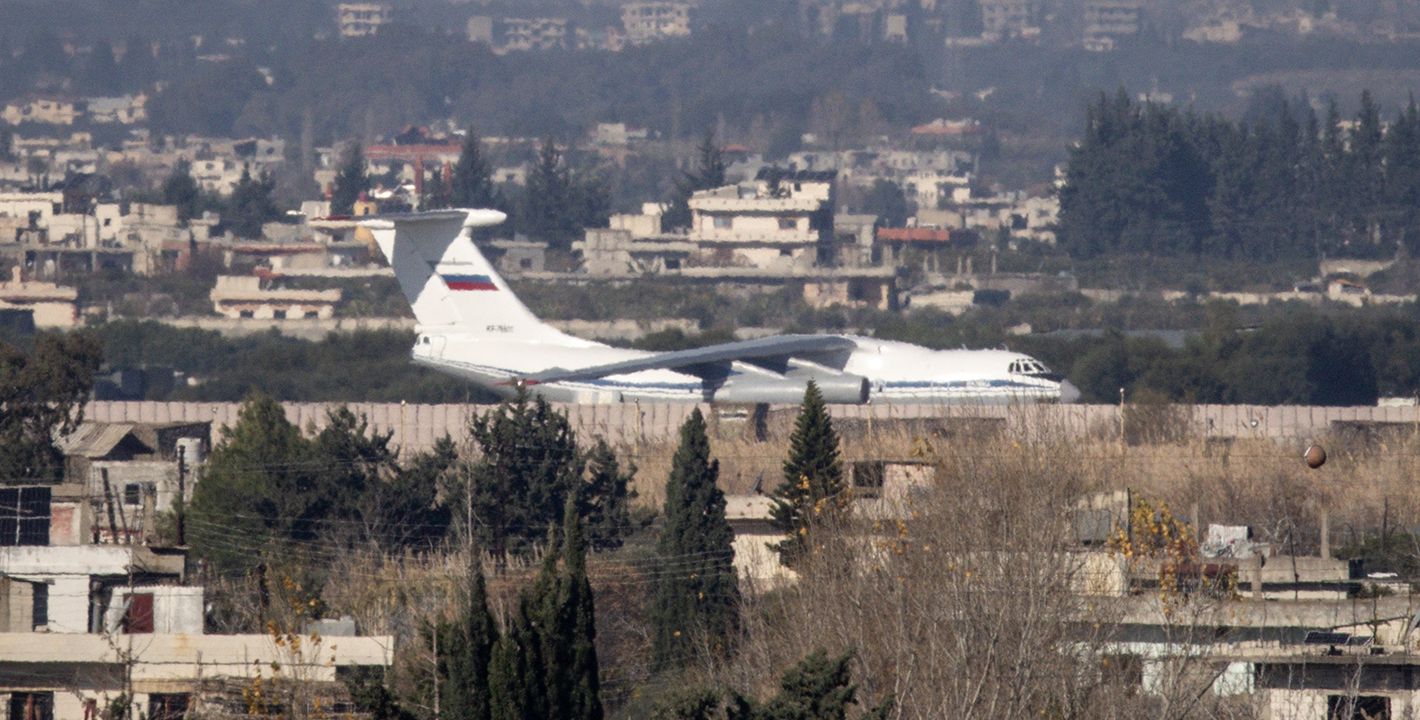
The downfall of the Assad regime represented a setback, but Russia’s primary focus remains Ukraine.
Sergei Melkonian