

Commentary
Nathan J. Brown
{
  "authors": [
    "Nathan J. Brown"
  ],
  "type": "legacyinthemedia",
  "centerAffiliationAll": "dc",
  "centers": [
    "Carnegie Endowment for International Peace",
    "Malcolm H. Kerr Carnegie Middle East Center"
  ],
  "collections": [
    "Arab Awakening"
  ],
  "englishNewsletterAll": "menaTransitions",
  "nonEnglishNewsletterAll": "",
  "primaryCenter": "Carnegie Endowment for International Peace",
  "programAffiliation": "MEP",
  "programs": [
    "Middle East"
  ],
  "projects": [],
  "regions": [
    "North Africa",
    "Egypt"
  ],
  "topics": [
    "Political Reform",
    "Democracy"
  ]
}
Source: Getty
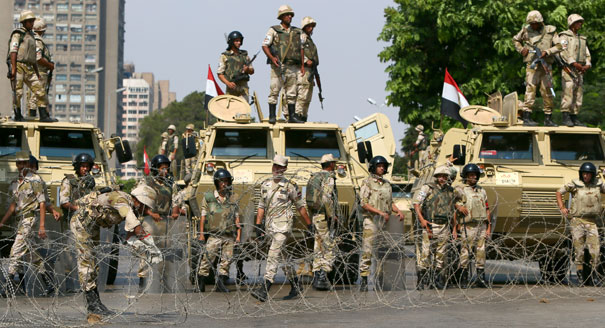
Are Egypt’s current rulers making the same mistake as their Muslim Brotherhood predecessors of pushing through a constitution that will alienate their allies and agitate their opponents?
Source: New Republic
Are Egypt’s current rulers making the same mistake as their Muslim Brotherhood predecessors of pushing through a constitution that will alienate their allies and agitate their opponents? A committee of ten judges and law professors have drafted a document that reflects the priorities of the deep state but offers far less to others.There are already some signs that those who dare not criticize the military generals and police officers can fearlessly turn their guns on the new constitution. The new regime will almost surely survive the struggle, but the coalition that supported its seizure of power may begin to fray under the pressure...
The full text of this article can be read on the New Republic.

Nonresident Senior Fellow, Middle East Program
Nathan J. Brown, a professor of political science and international affairs at George Washington University, is a distinguished scholar and author of nine books on Arab politics and governance, as well as editor of five books.
Recent Work
Nathan J. Brown
Nathan J. Brown
Carnegie does not take institutional positions on public policy issues; the views represented herein are those of the author(s) and do not necessarily reflect the views of Carnegie, its staff, or its trustees.

The armed forces champion a form of capitalism that is generating revenue, but its reliance on rent faces diminishing returns, leaving the country with massive sunk costs and deferred returns, deepening dependency on external borrowing.

Yezid Sayigh

There is a disturbing structural parallel between the old global energy economy and the new green transition.

Angie Omar
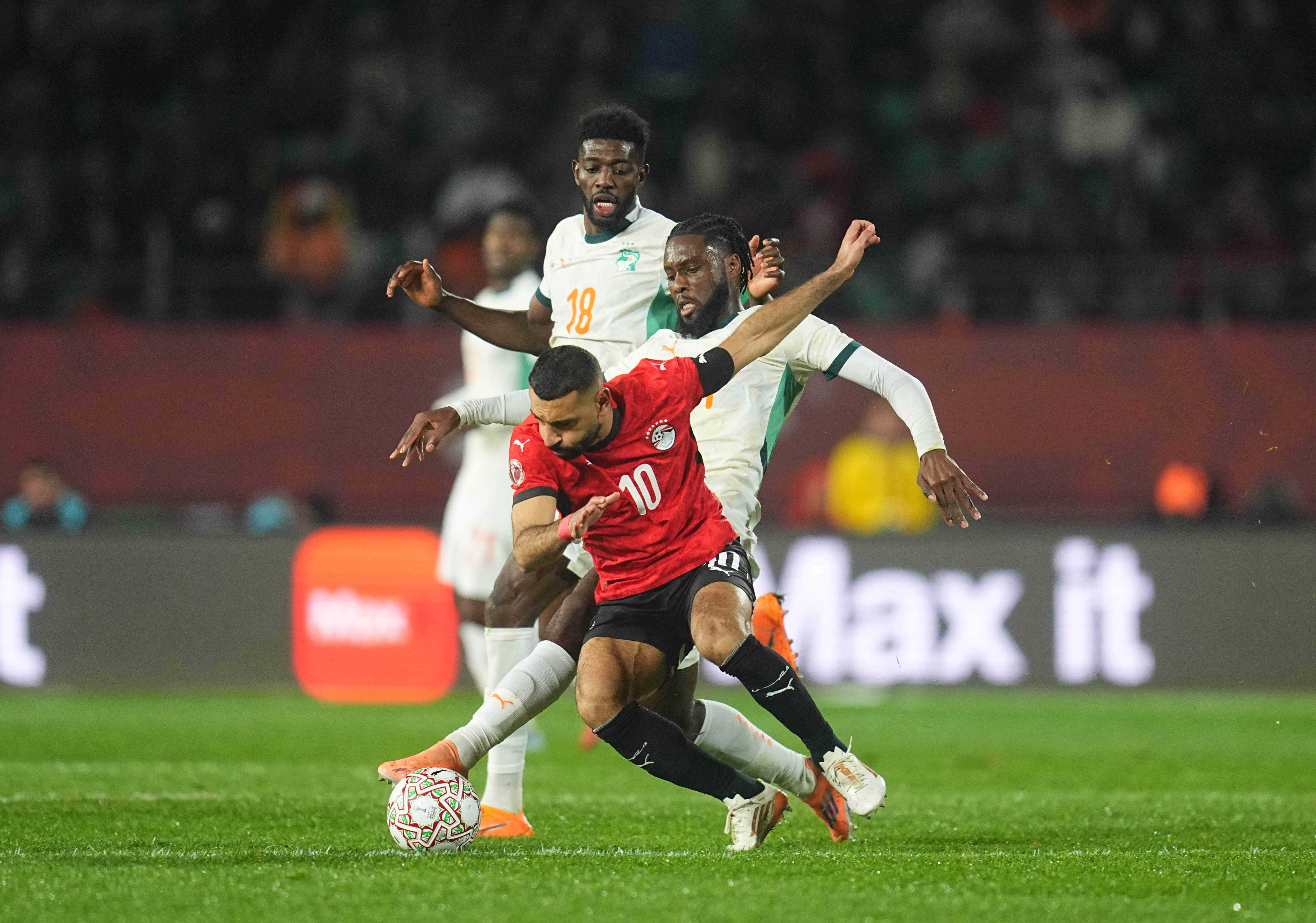
This will be the region’s most representative tournament, amid broad changes in its footballing landscape.

Issam Kayssi
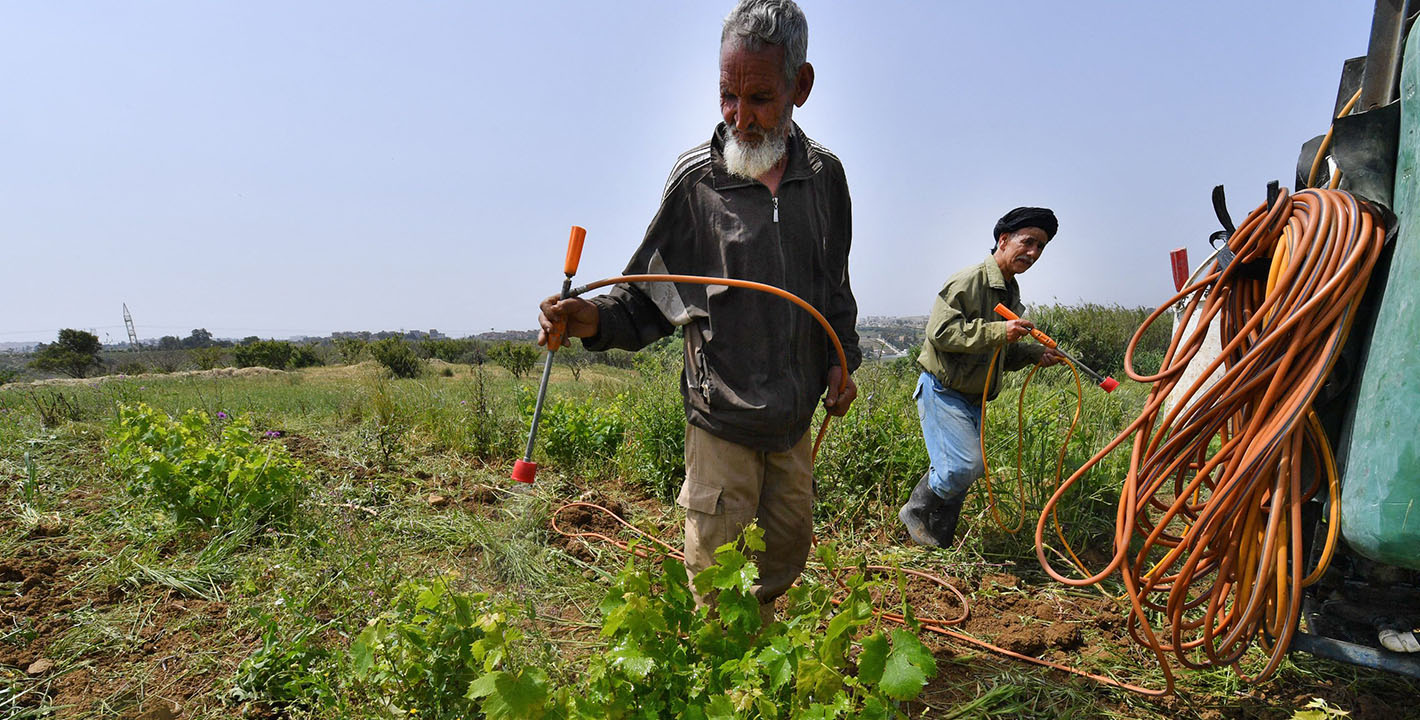
Understanding how farmers in the Oued Sahel-Soummam Valley grapple with climate change is essential for addressing the paradoxes through which adaptation, operating at both individual and institutional levels, deepens the region’s vulnerability and erodes the social fabric and agrarian identity that once defined life.

Ilyssa Yahmi
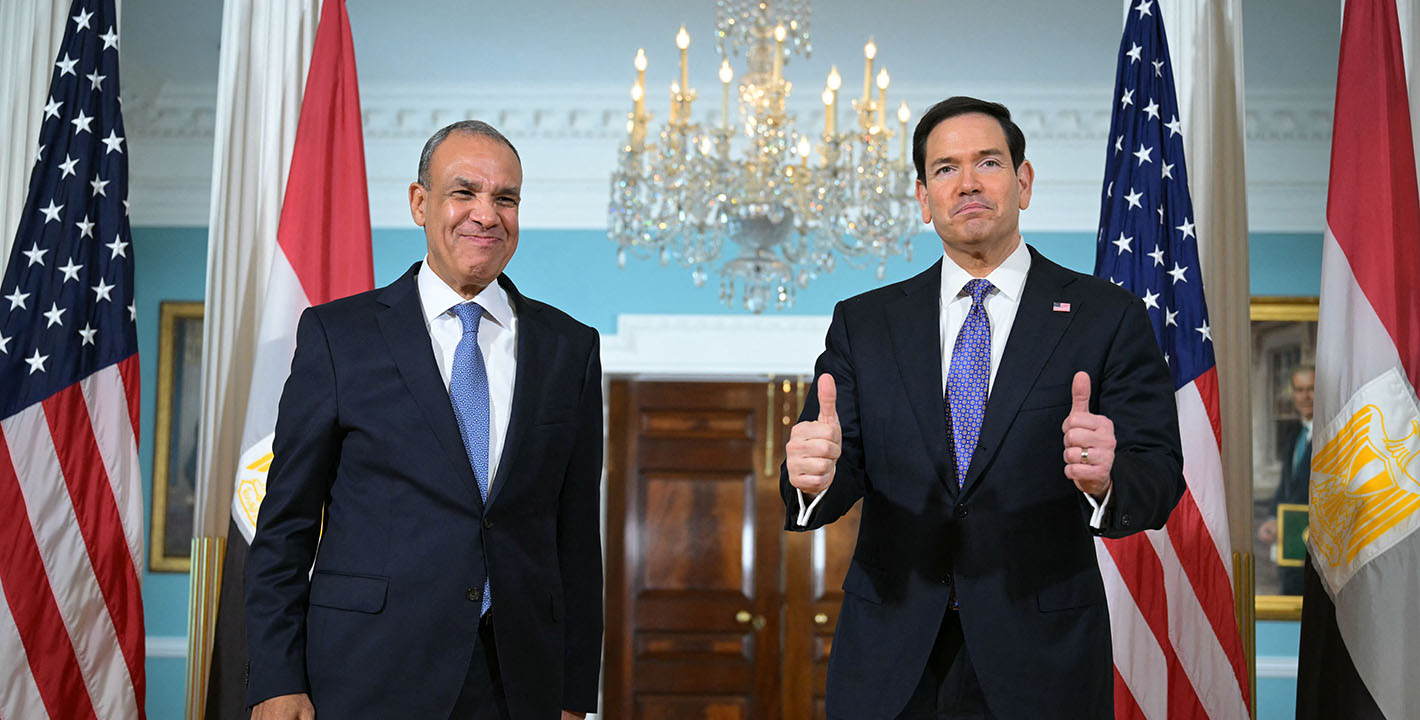
Cairo’s efforts send a message to the United States and the region that it still has a place at the diplomatic table.
Angie Omar