
• Research
  • Diwan
  • About
  • Experts
Carnegie Middle East logoCarnegie lettermark logo
LebanonIran
{
  "authors": [],
  "type": "other",
  "centerAffiliationAll": "",
  "centers": [
    "Carnegie Endowment for International Peace"
  ],
  "collections": [],
  "englishNewsletterAll": "",
  "nonEnglishNewsletterAll": "",
  "primaryCenter": "Carnegie Endowment for International Peace",
  "programAffiliation": "",
  "programs": [],
  "projects": [],
  "regions": [
    "North Africa",
    "Egypt"
  ],
  "topics": []
}

Source: Getty

Other

Mohamed Ibrahim

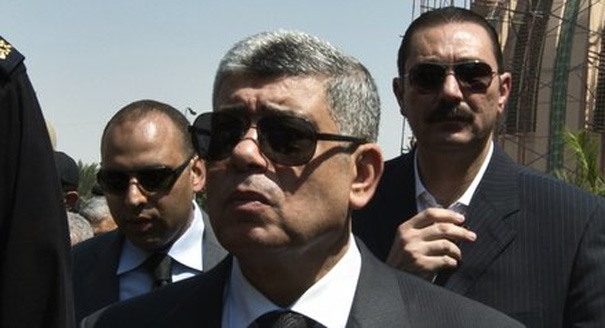
A brief profile of Mohamed Ibrahim.

Link Copied
Published on Sep 10, 2013

This resource was published on 09/10/2013 and is not updated to reflect changing circumstances.

Mohamed Ibrahim was appointed Egypt’s interior minister in January 2013 by then prime minister Hisham Qandil. He replaced Ahmed Gamal El Din. During the administration of former president Mohamed Morsi, Ibrahim was criticized by the opposition for violently oppressing protesters demonstrating against Morsi and the ruling Muslim Brotherhood.

However, prior to protests against Morsi scheduled for June 30 by the opposition Rebel Movement (Tamarrud), Ibrahim implicitly endorsed the demonstrations by announcing that the Interior Ministry would not harass protesters. He retained his position after Morsi was removed from power by the military on July 3.

Ibrahim graduated from the Egyptian Police Academy in 1976. He has served in a number of senior positions in the Interior Ministry. Prior to becoming minister of the interior, he was deputy minister and head of Egypt’s prison authority.

Since July, Ibrahim has reportedly been an advocate within the government for a harsh crackdown against the Brotherhood, including the dispersal of pro-Morsi protesters on August 14 that resulted in hundreds of deaths. On September 5, Ibrahim survived an assassination attempt when a bomb exploded near his convoy in Cairo, killing at least one police officer and wounding dozens.

North AfricaEgypt

Carnegie does not take institutional positions on public policy issues; the views represented herein are those of the author(s) and do not necessarily reflect the views of Carnegie, its staff, or its trustees.

More Work from Malcolm H. Kerr Carnegie Middle East Center

  • Commentary
    Diwan
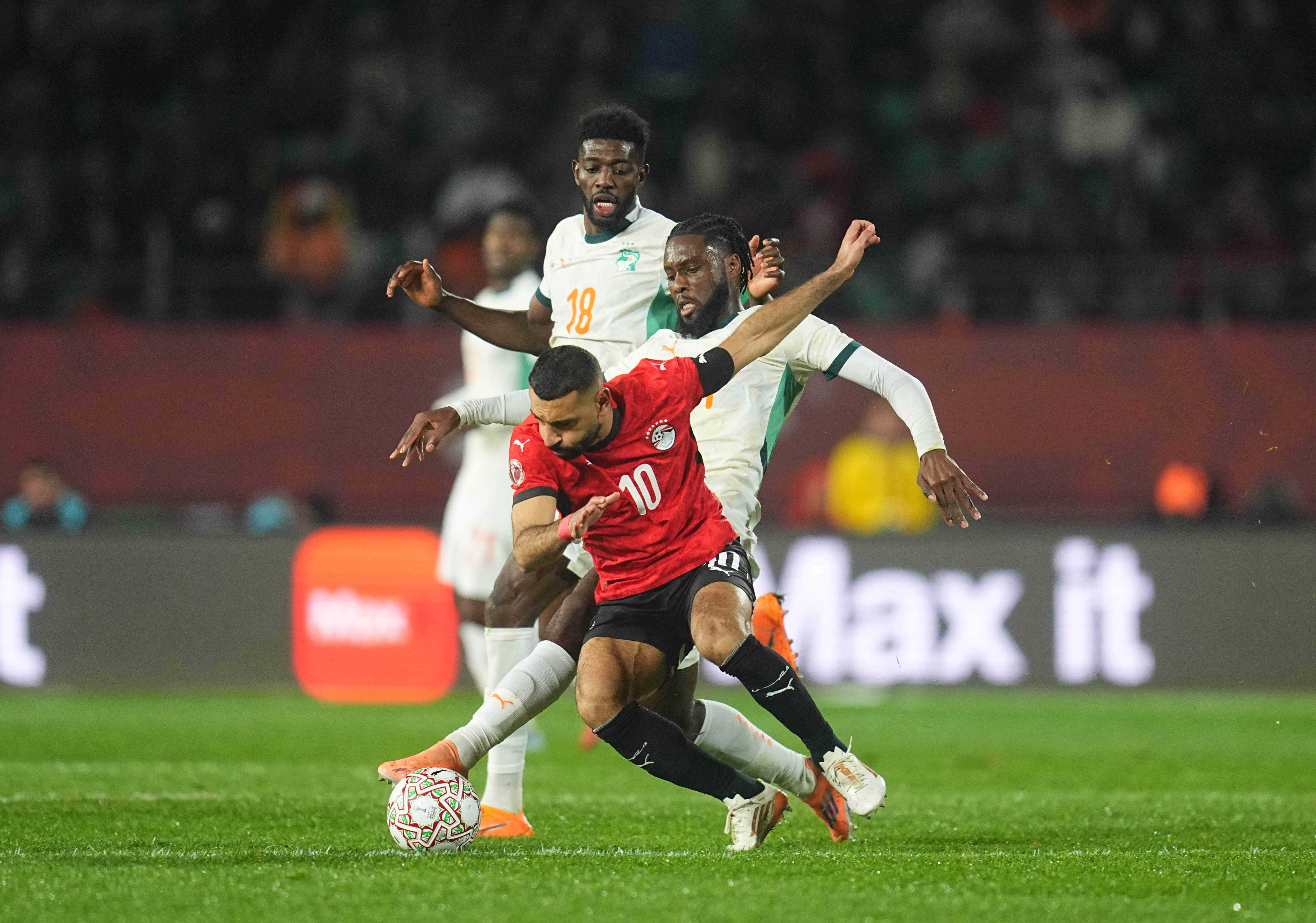
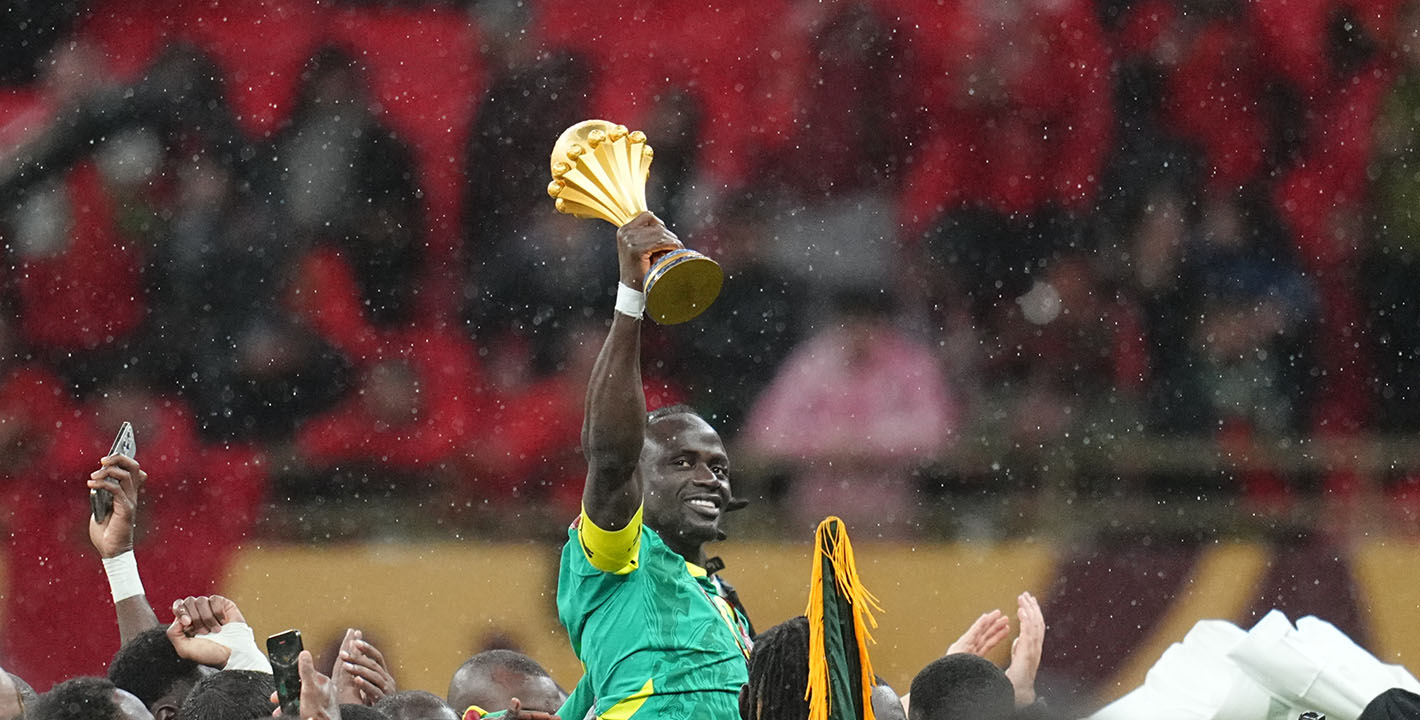
    When Football Is More Than Football

    The recent African Cup of Nations tournament in Morocco touched on issues that largely transcended the sport.

      Issam Kayssi, Yasmine Zarhloule

  • Article
    Rethinking Power-Sharing Agreements in Libya

    The UN Support Mission in the country should reassess its approach so that consensus between the warring parties becomes the eventual goal, rather than a procedural matter that dogs the negotiating process at every turn.

      Soraya Rahem

  • Commentary
    Diwan
    Has Sisi Found a Competent Military Entrepreneur?

    Mustaqbal Misr has expanded its portfolio with remarkable speed, but a lack of transparency remains.

      Yezid Sayigh

  • Commentary
    Diwan
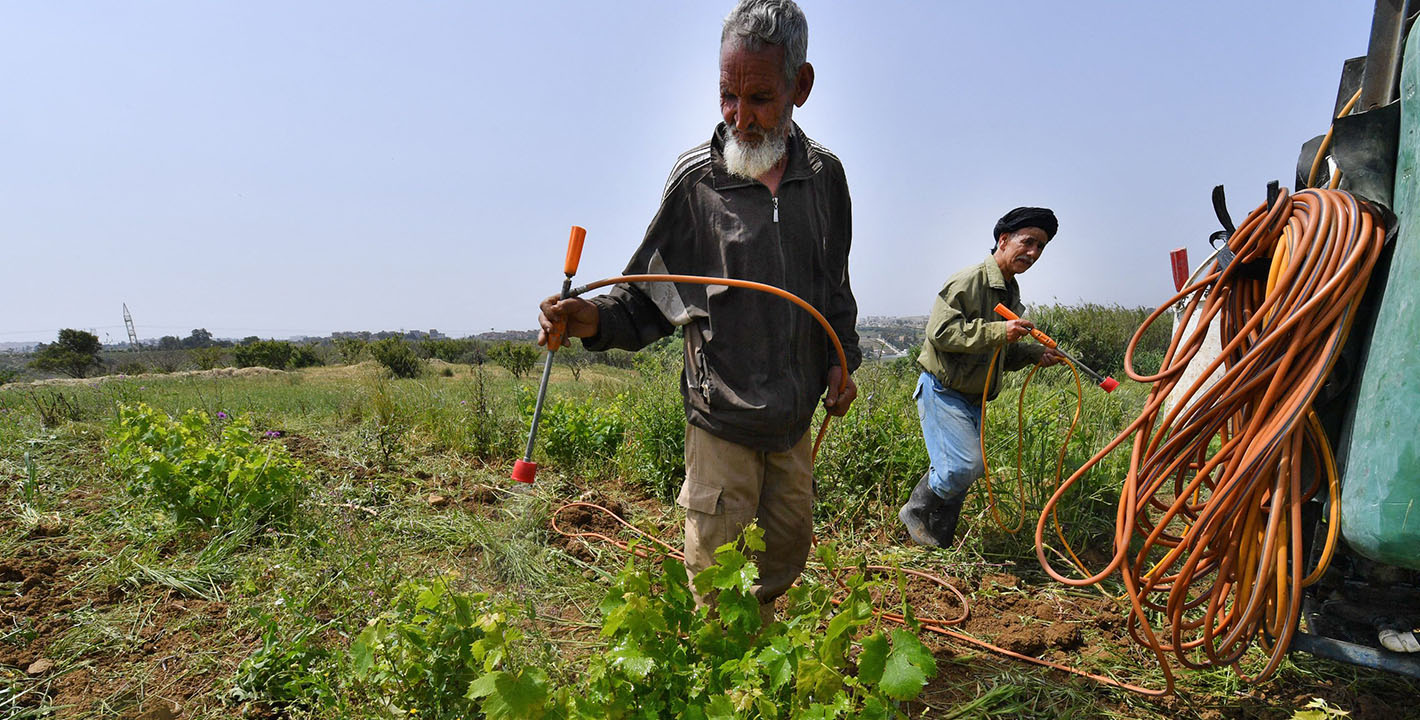
    Women, Water, and Adaptation in Ait Khabbash

    The burden of environmental degradation is felt not only through physical labor but also emotional and social loss.

      Yasmine Zarhloule, Ella Williams

  • Article
    Between Marginalization and Climate Change: The Resilience of Morocco’s Ait Khabbash

    For the traditionally nomadic Amazigh pastoralists in the Draa-Tafilalet region, environmental change has exacerbated long-standing inequities, forcing the community to adapt, which has laid bare the blind spots of state-centered climate policy frameworks.

      Yasmine Zarhloule, Ella Williams

Get more news and analysis from
Malcolm H. Kerr Carnegie Middle East Center
Carnegie Middle East logo, white
  • Research
  • Diwan
  • About
  • Experts
  • Projects
  • Events
  • Contact
  • Careers
  • Privacy
  • For Media
Get more news and analysis from
Malcolm H. Kerr Carnegie Middle East Center
© 2026 Carnegie Endowment for International Peace. All rights reserved.