

Commentary
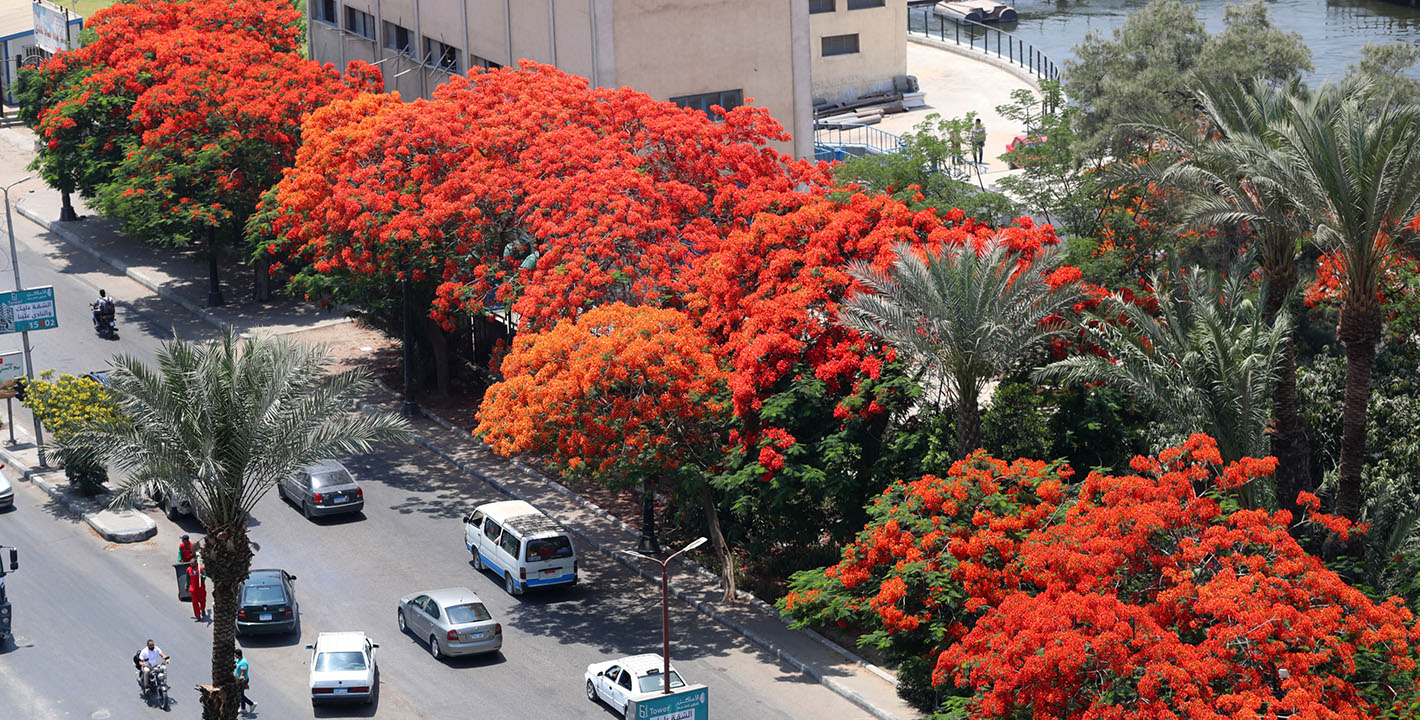
In Egypt’s dense cities, the disappearance of foliage has health implications and punishes daily commuters.
Angie Omar
{
  "authors": [],
  "type": "other",
  "centerAffiliationAll": "",
  "centers": [
    "Carnegie Endowment for International Peace"
  ],
  "collections": [],
  "englishNewsletterAll": "",
  "nonEnglishNewsletterAll": "",
  "primaryCenter": "Carnegie Endowment for International Peace",
  "programAffiliation": "",
  "programs": [],
  "projects": [],
  "regions": [
    "North Africa",
    "Egypt"
  ],
  "topics": []
}
Source: Getty
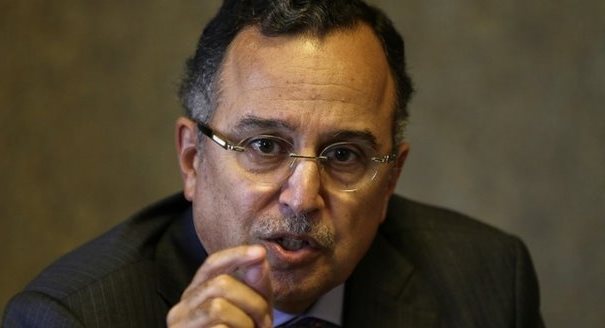
A brief profile of Nabil Fahmy.
This resource was published on 10/10/2013 and is not updated to reflect changing circumstances.
Nabil Fahmy was sworn in as Egypt’s minister of foreign affairs on July 16, 2013. He replaced the previous minister, Mohamed Kamel Amr, who stepped down in the aftermath of former president Mohamed Morsi’s ouster by the military on July 3. Fahmy is a career diplomat who has served as the Egyptian ambassador to the United States and Japan. He has also held several additional high-ranking posts in the Ministry of Foreign Affairs. Fahmy earned both his bachelor and master degrees at the American University in Cairo, where he is the founding dean of the School of Public Affairs.
Since assuming his position in the cabinet, Fahmy has championed Egypt’s military intervention and interim government to foreign audiences. He has argued that Morsi’s administration transgressed democratic norms, misruled the country, and ultimately lost the support of the Egyptian people. In an op-ed published in the Washington Times, Fahmy wrote, “It is a rare thing when a nation is afforded a second chance at achieving democracy. In Egypt, we have been given just such an opportunity. After the historic January 2011 revolution, Egyptians have revolted again—this time against the autocracy of President Mohammed Morsi and the Muslim Brotherhood.”
Fahmy has criticized Western governments for condemning the Egyptian security forces’ crackdown on the Muslim Brotherhood. In an interview with Der Spiegel, Fahmy stated that he was “disappointed by the fact that the West is not noticing more clearly and condemning the violence on the other side.”
With many Egyptians frustrated by the international narrative about recent events in Egypt, Fahmy has offered Foreign Ministry support to the Independence Current, an organization attempting to send private Egyptian citizens abroad to improve Egypt’s image in foreign countries.
Carnegie does not take institutional positions on public policy issues; the views represented herein are those of the author(s) and do not necessarily reflect the views of Carnegie, its staff, or its trustees.
In Egypt’s dense cities, the disappearance of foliage has health implications and punishes daily commuters.

Angie Omar

Huawei pushed hard to enter the Egyptian data centers market, until the Americans made a better offer.
Angie Omar

The armed forces champion a form of capitalism that is generating revenue, but its reliance on rent faces diminishing returns, leaving the country with massive sunk costs and deferred returns, deepening dependency on external borrowing.

Yezid Sayigh
There is a disturbing structural parallel between the old global energy economy and the new green transition.
Angie Omar
This will be the region’s most representative tournament, amid broad changes in its footballing landscape.

Issam Kayssi