

Paper
Douglas H. Paal
{
  "authors": [
    "Douglas H. Paal"
  ],
  "type": "legacyinthemedia",
  "centerAffiliationAll": "dc",
  "centers": [
    "Carnegie Endowment for International Peace",
    "Carnegie China"
  ],
  "collections": [
    "China’s Foreign Relations",
    "U.S.-China Relations"
  ],
  "englishNewsletterAll": "asia",
  "nonEnglishNewsletterAll": "",
  "primaryCenter": "Carnegie Endowment for International Peace",
  "programAffiliation": "AP",
  "programs": [
    "Asia"
  ],
  "projects": [],
  "regions": [
    "North America",
    "United States",
    "East Asia",
    "Southeast Asia",
    "Russia"
  ],
  "topics": [
    "Foreign Policy",
    "Economy"
  ]
}
Source: Getty
Obama’s absence from the APEC meeting is a disappointment for U.S. partners in Asia, but Washington can recover its credibility in the region by rescheduling meetings and pushing forward on the Trans-Pacific Partnership.
Source: PBS NewsHour
Carnegie’s Douglas Paal spoke on PBS’ NewsHour to discuss how Obama's absence from the APEC meetings in Bali will impact U.S. interests in the region. Paal noted that Obama’s absence does represent an erosion of U.S. support for its Asian partners. Furthermore, given foreign policy issues like chemical weapons in Syria, there is some skepticism among Asian leaders as to whether the Obama administration remains fully committed to the rebalance toward Asia. However, Paal also suggested that Washington can recover its credibility in the region by rapidly rescheduling missed meetings and pushing forward on key initiatives, including the Trans-Pacific Partnership.
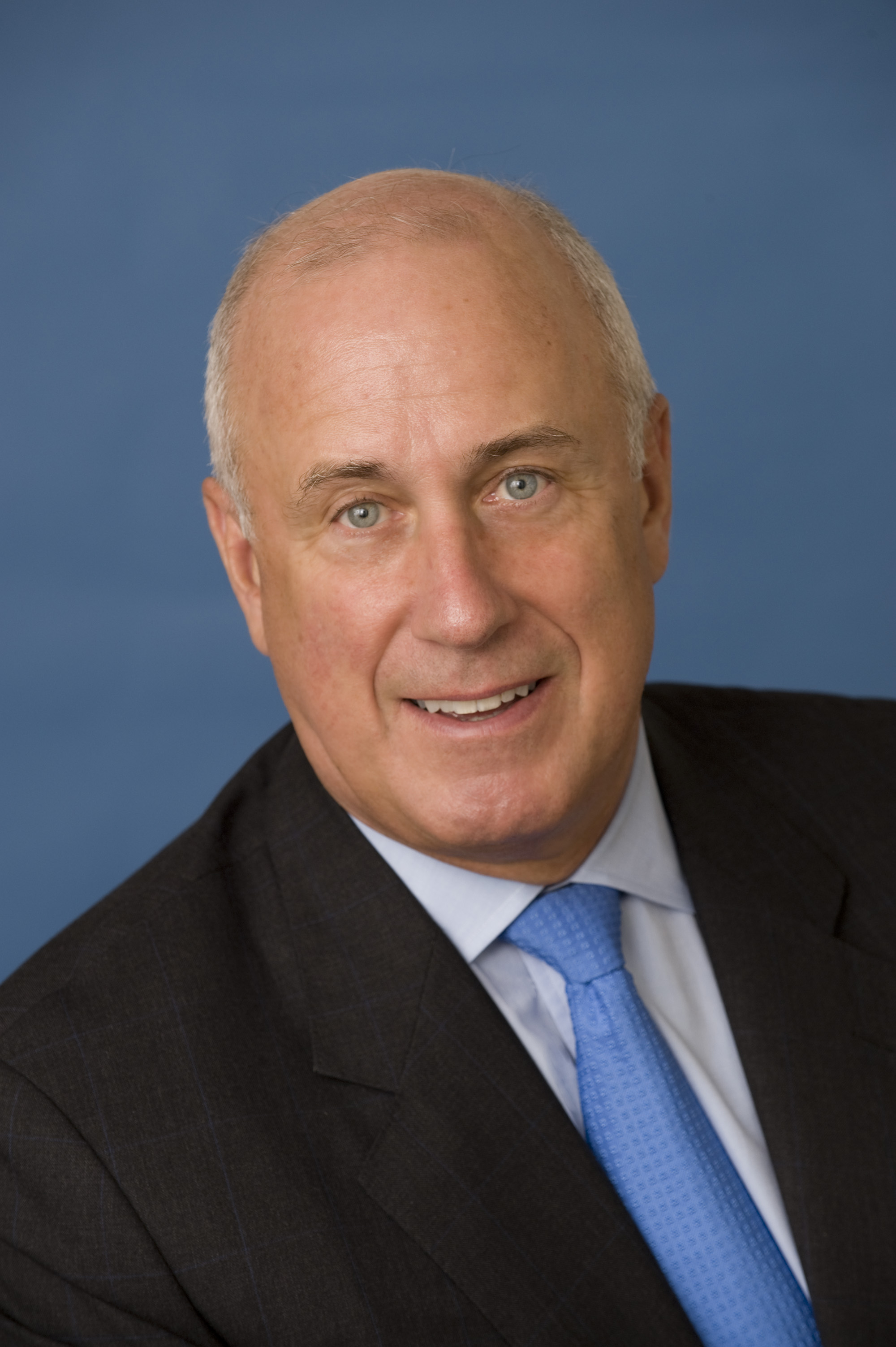
Distinguished Fellow, Asia Program
Paal previously served as vice chairman of JPMorgan Chase International and as unofficial U.S. representative to Taiwan as director of the American Institute in Taiwan.
Recent Work
Douglas H. Paal


Douglas H. Paal, Tong Zhao, Chen Qi, …
Carnegie does not take institutional positions on public policy issues; the views represented herein are those of the author(s) and do not necessarily reflect the views of Carnegie, its staff, or its trustees.

Huawei pushed hard to enter the Egyptian data centers market, until the Americans made a better offer.

Angie Omar

Middle Eastern states should welcome an accelerated U.S. disengagement from their region.

Michael Young

In an interview, former ambassador Charles Freeman assesses the Trump administration’s war against Iran.
Michael Young

By failing to address Palestinian representation, the current process is bound to lead to just another temporary arrangement.

Nathan J. Brown

The armed forces champion a form of capitalism that is generating revenue, but its reliance on rent faces diminishing returns, leaving the country with massive sunk costs and deferred returns, deepening dependency on external borrowing.

Yezid Sayigh